


 Deutsch
  English (UK)
  Русский
  বাংলা
বাংলা  العربية
  日本語
日本語  한국어
한국어  Magyar
  Norsk nynorsk
  Türkçe
  עִבְרִית
  Español
  Čeština
  Svenska
  Português
  Ελληνικά
  Suomi
Suomi  Nederlands
  Română
  Italiano
  Français
  Polski
  Українська
  简体中文
简体中文  Slovenčina
  Српски језик
  اردو
اردو  Azərbaycan dili
  O‘zbekcha
  አማርኛ
አማርኛ 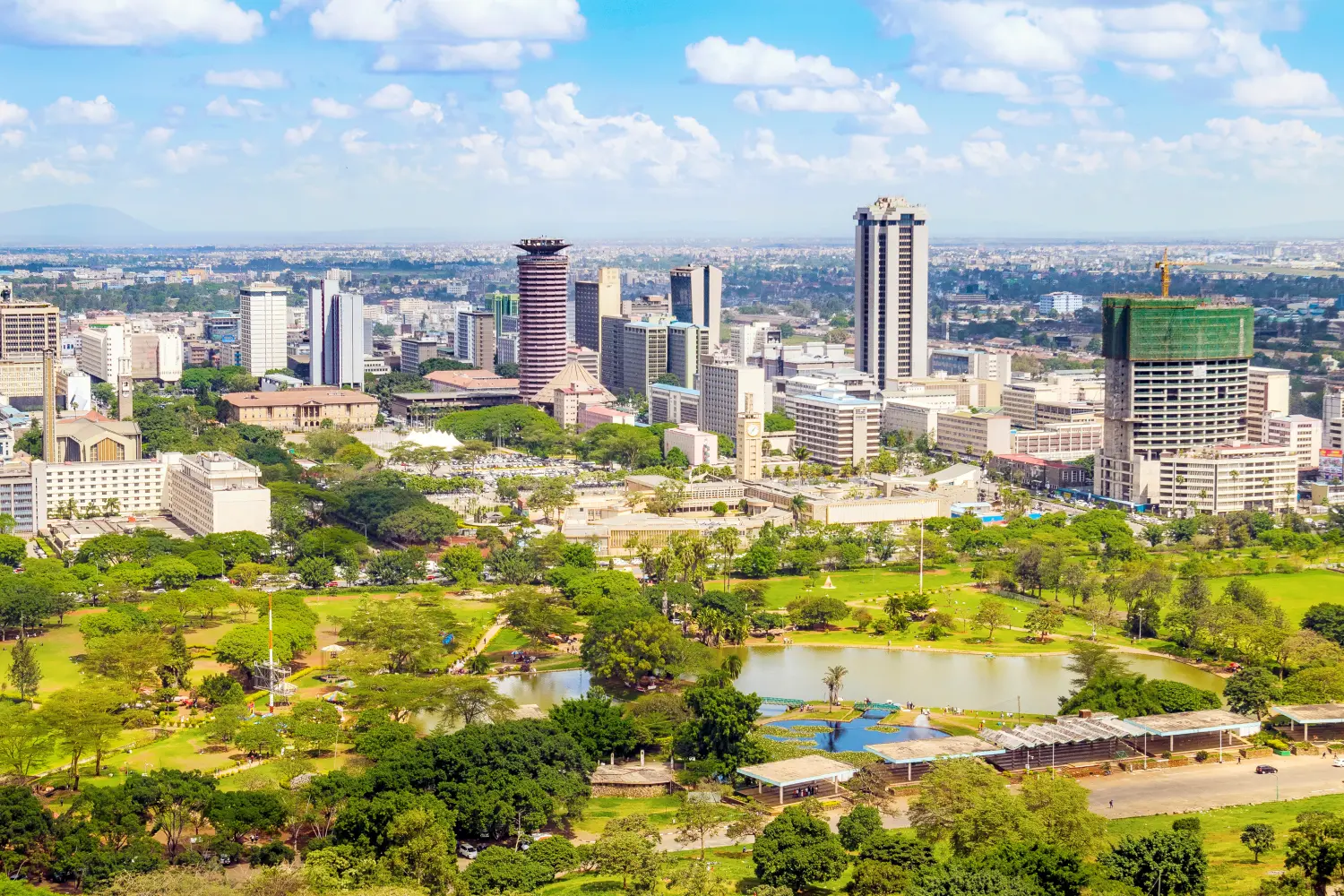 Wie politische Schocks und Infrastrukturmängel die Touristenströme in Ostafrika neu gestalteten">

Immediate operational impacts: bookings, shutdowns and electrics
Between October and December 2025 Madagaskar experienced cancellations on nearly 80% of confirmed bookings after the removal of President Andry Rajoelina, with military interventions and targeted internet shutdowns in key tourist areas undermining reservation management and communications. Operators reported lost deposits, complicated refunds, and an elevated need for contingency logistics—transport rerouting, alternative accommodation, and last‑minute guide reallocations.
Logistics chain stress points at a glance
- Communication blackouts: inability to confirm pickups, guide schedules, or voucher status.
- Unreliable power: chronic outages affecting hotels, payment terminals and airport operations.
- Road access: impassable park roads and degraded feeder routes delaying transfers and supply deliveries.
- Visa and entry systems: e‑visa simplifications in some countries eased arrivals while political crises reversed traveler confidence.
Country snapshots: arrivals, revenues and bottlenecks
| Land | 2024 Ankünfte | Revenue (USD) | Primary constraints |
|---|---|---|---|
| Madagaskar | 308,275 | - | Political unrest, internet shutdowns, power cuts |
| Tansania | 5.3 million | 4 billion | Road capacity, overcrowding in parks |
| Ruanda | 1.36 million | 647 million | Concentration in premium segment, market dependency |
| Kenya | 2,39 Millionen | 3.1 billion | Currency depreciation, remote infrastructure |
| Mosambik | ~870,000 | 221 million | Connectivity and security limitations |
| Uganda | 1.37 million | 1.28 billion | Scaling community tourism sustainably |
Divergent recovery paths
Tansania enjoyed a 33% uplift in 2024 driven by digital promotion and a simplified e‑visa—yet the surge exposed infrastructure limits and park congestion. Ruanda leveraged high‑end positioning (notably gorilla permits), airport expansion and immaculate roads to boost revenue per visitor but remains sensitive to market concentration. Kenya und Uganda show broader product mixes—safaris, coastal and business travel—while Mosambik underperforms relative to coastal potential due to access and amenities shortfalls.
Practical advice for travelers and operators
For travelers
- Confirm vouchers and cancellation policies; opt for providers offering secure online payments and clear refund terms.
- Plan buffer days around domestic transfers—park roads and flights can be delayed by weather or roadworks.
- Carry multiple payment methods and a power bank; expect intermittent electricity in remote lodges.
- Check entry requirements and e‑visa availability well ahead of travel dates.
For operators and destination managers
- Invest in resilient infrastructure: backup power, improved feeder roads, and reliable connectivity in tourist hubs.
- Diversify source markets to reduce reliance on a few key feeders for premium segments.
- Implement clear crisis communication playbooks to maintain booking confidence during unrest.
- Adopt sustainable visitor‑management to mitigate overcrowding and protect natural assets.
Economic resilience and the future of experiences
Political shocks like those in Madagascar reveal how quickly tourism gains can evaporate. The region must balance aggressive promotion with investment in durable logistics—resilient airports, electrification, and road maintenance—to protect revenue and jobs. Climate risks (cyclones, drought, erosion) further underline the need for climate‑smart infrastructure and diversified product offerings, from community‑based itineraries to controlled high‑value experiences.
For travelers seeking seamless booking and reliable partners, platforms that verify providers and support full, secure payments can reduce the stress of last‑minute changes. GetExperience.com offers secure voucher confirmation and the option to request tailored tours or excursions from vetted providers, which helps when routing needs to be flexible and contingency plans matter.
Highlights and a note on personal experience: the patchwork of gains and vulnerabilities across East Africa shows how logistics, politics and promotion interact to shape traveler flows. Even the best reviews and the most honest feedback can’t replace firsthand experience. On GetExperience, you book your experience from verified providers at reasonable prices. This empowers you to make the most informed decision without unnecessary expenses or disappointments. Benefit from convenience, affordability, extensive experience choices and a wide range of additional options—Book your Trip GetExperience.com
In summary, East Africa’s tourism outlook is a mix of opportunity and fragility: strong visitor growth in markets like Tanzania and rising revenue models in Rwanda contrast with Madagascar’s abrupt setback and Mozambique’s untapped coastline. Addressing infrastructure gaps, improving crisis logistics, and expanding diversified travel experiences—from eco‑friendly wildlife safaris and safari tours to luxury adventure travel experiences, museum tours with live guides and exclusive yacht charters for events—will be key to long‑term resilience. Travel experiences that include adventure activities, cruise packages, yacht parties, interactive online cultural workshops, online virtual tours, beginner esports coaching sessions or professional esports training programs, and adventure rafting trips for beginners can all play a part in broadening the region’s appeal while protecting its core natural and cultural assets.