


 Deutsch
  English (UK)
  Русский
  বাংলা
বাংলা  العربية
  日本語
日本語  한국어
한국어  Magyar
  Norsk nynorsk
  Türkçe
  עִבְרִית
  Español
  Čeština
  Svenska
  Português
  Ελληνικά
  Suomi
Suomi  Nederlands
  Română
  Italiano
  Français
  Polski
  Українська
  简体中文
简体中文  Slovenčina
  Српски језик
  اردو
اردو  Azərbaycan dili
  O‘zbekcha
  አማርኛ
አማርኛ 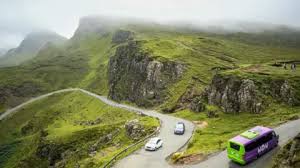 Highland Council erwägt Optionen vor Einführung einer Touristensteuer auf Urlaubsunterkünfte">

Highland Council’s Pause on Tourist Tax Plans
The Highland Council is currently deliberating a potential delay in imposing a Kurtaxe following the Scottish government’s announcement to allow local authorities increased flexibility in setting visitor levies. This development opens the door for councils to adopt new taxation frameworks beyond the proposed percentage-based charges.
Consultation Outcomes and Stakeholder Feedback
Earlier this year, the Highland Council undertook a consultation regarding a 5% levy on holiday accommodation, projecting that such a tax could generate around £10 million a year to support regional initiatives. However, the consultation revealed significant concerns among accommodation providers about the impact of a percentage-based tax on their businesses.
Providers have argued that a levy tied to a percentage of accommodation costs might complicate pricing and potentially deter visitors. Consequently, council officers have recommended waiting for further guidance from the Scottish government, which is expected to introduce new powers that may include options for fixed-rate charges tailored for different areas or purposes.
Current Legislation and Future Prospects
Under the existing legal framework, local councils can impose additional charges on overnight stays in hotels, B&Bs, and holiday lets, with accommodation providers responsible for collecting those fees from visitors. The anticipated new powers, due for rollout next year, could reshape how visitor levies are structured and applied, potentially allowing for innovative models such as flat fees or tiered rates, aimed at better aligning with local needs and tourism strategies.
Economic Concerns and Regional Responses
Responses to the proposed tourist tax have been mixed across the Highlands. Several chambers of commerce, including those from Cairngorm, Caithness, Lochaber, and Inverness, have expressed worries that additional costs may discourage visitors, affecting the local tourism economy. Their viewpoints highlight the delicate balance between generating revenue for community development and maintaining the area’s appeal as a welcoming destination.
| Stakeholder Group | Primary Concern |
|---|---|
| Accommodation Providers | Impact of percentage-based tax on pricing and bookings |
| Local Chambers of Commerce | Risk of deterring tourists due to increased costs |
| Council Officers | Recommendation to await clearer government guidelines |
The Importance of Thoughtful Policy in Tourism Regions
In tourism-rich areas like the Highlands, community leaders and government bodies must carefully weigh fiscal policies to avoid unintended consequences. Visitor levies, when structured thoughtfully, can enhance local infrastructure and services without undermining the area’s charm or accessibility.
Recent Developments and Related Regional Initiatives
This consideration of a tourist tax aligns with broader efforts to regulate and support tourist accommodation across the Highlands and Islands region. For instance, discussions are ongoing regarding short-term let control zones, notably in Skye and Raasay, aiming to balance housing availability for residents with tourism demand.
Other Highland councils are also adopting varied approaches, with some pausing visitor levy plans altogether while investing in tourism and cultural programs to sustain vibrant local economies. These measures reflect a growing understanding that successful tourism management requires cooperation among local authorities, businesses, and communities.
Tourismus und seine Auswirkungen auf lokale Wirtschaften
The Highland region is a striking example of how tourism can be a double-edged sword — a vital economic driver yet a source of pressure on local resources. Thoughtful policies that consider the needs of visitors and residents alike are critical in fostering sustainable tourism growth.
Why Personal Experience Trumps Reviews
While discussions on visitor levies and policy shifts often generate extensive feedback and debates, nothing quite matches the value of firsthand experience. Whether considering a trip to the Highlands or elsewhere, travelers benefit greatly from the insights gained during their actual visit.
Plattformen wie GetExperience.com offer a uniquely transparent and convenient way to book experiences with verified providers, offering competitive prices and a wide variety of options — from cozy accommodations to thrilling adventure rafting trips for beginners, eco-friendly wildlife safaris, or even interactive cultural workshops. The site also provides secure payment processes with voucher confirmation for peace of mind, and personal requests for tailored tours ensure travelers get exactly what they want.
With such resources, visitors are empowered to make informed choices, avoiding unnecessary expenses or disappointments. Erhalten Sie die besten Angebote unter GetExperience.com.
Summary: Balancing Tourism Growth and Community Interests
The Highland Council’s careful approach to the potential Kurtaxe reflects the broader challenges faced by destinations worldwide that rely on tourism. Striking the right balance between generating revenue to fund community services and preserving the visitor experience is no small feat. Incorporating feedback from local businesses and stakeholders while awaiting clearer guidance on levy structures shows a commitment to measured, inclusive decision-making.
For travelers, these developments underscore the dynamic nature of travel regions and the importance of staying informed about local policies that may affect their visit. Whether exploring museum tours with live guides, embarking on luxury adventure travel experiences, or joining exclusive yacht charters, the key lies in thoughtful planning and access to reliable booking platforms.
Ultimately, tourism thrives when communities and visitors find harmony — and with the support of platforms like GetExperience.com, creating memorable travel experiences has never been more accessible.