


 Deutsch
  English (UK)
  Русский
  বাংলা
বাংলা  العربية
  日本語
日本語  한국어
한국어  Magyar
  Norsk nynorsk
  Türkçe
  עִבְרִית
  Español
  Čeština
  Svenska
  Português
  Ελληνικά
  Suomi
Suomi  Nederlands
  Română
  Italiano
  Français
  Polski
  Українська
  简体中文
简体中文  Slovenčina
  Српски језик
  اردو
اردو  Azərbaycan dili
  O‘zbekcha
  አማርኛ
አማርኛ 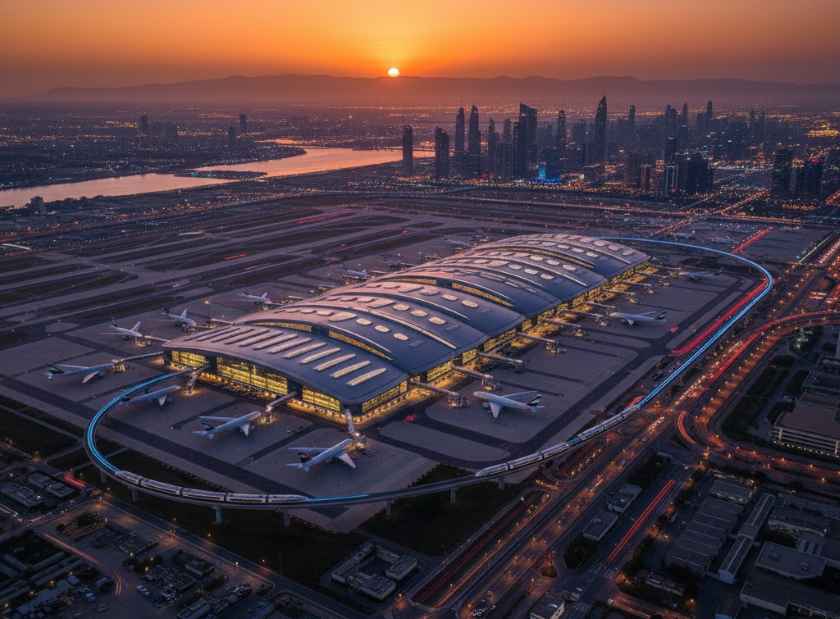 Expanding Airline Networks Set to Spark Regional and International Tourism Growth in Africa">

Opening New Skies: Africa’s Aviation Evolution
The expansion of airline routes across Africa is fast becoming a game-changer for both regional and global tourism. Enhanced air connectivity is making the continent more accessible, fueling travel demand and unlocking opportunities for the tourism sector. Africa’s tourism potential hinges heavily on improved air access, which encourages a dynamic flow of visitors, both within the continent and from abroad.
Key Entry Points and Current Travel Hubs
Africa’s major travel gateways include airports in South Africa, Egypt, Tunisia, Casablanca, Addis Ababa, Nairobi, and Lagos. These hubs serve as critical junctions for international travelers arriving on the continent. Yet, the continent faces challenges with incomplete transport infrastructure — from underdeveloped railways to insufficient port facilities — which currently limits seamless movement between countries.
Growth Concentrated in Strongholds
Tourism in Africa is largely concentrated in a handful of countries, with South Africa and Morocco attracting around half of total international arrivals. Despite the continent boasting rich heritage sites, wildlife reserves, and cultural diversity, these destinations dominate the tourist landscape, partly due to better infrastructure and more extensive marketing efforts. The overall number of tourists in Africa grew to over 52 million in 2012 and is forecasted to rise substantially in the following decades, climbing to an estimated 134 million by 2030.
Fostering Tourism Through Policy and Infrastructure
Several international and regional organizations—including the United Nations World Tourism Organization’s Africa Commission and regional bodies like RETOSA—are fully engaged in shaping tourism policies that support sustainable growth on the continent. These strategies largely emphasize the importance of private sector involvement, education, health, and ICT integration in advancing the sector.
Tourism Mobility Initiatives
Key facilitators of tourism development focus on easing visa procedures, encouraging cross-border travel projects, and involving local communities. Improvements in aviation technology have particularly helped to reduce travel costs and expand air access, allowing growth not only in long-haul international routes but also in regional African flights. This accessibility is vital to tapping into Africa’s growing middle class and their potential as domestic and regional tourists.
Empowering Local Communities and Skills Development
For Africa’s tourism to thrive as a developmental tool, investment in education and skills training is essential. Quality service provision, guided tours, and cultural experiences rely on well-trained professionals who can deliver authentic and memorable experiences. Encouraging local entrepreneurship helps ensure that tourism benefits are shared more broadly within communities.
Herausforderungen und Chancen
| Herausforderungen | Chancen |
|---|---|
| Inadequate transport infrastructure (road, rail, ports) | New air routes increasing accessibility |
| Tourism concentrated in a few countries | Diverse wildlife and cultural assets attracting niche markets |
| Visa and border-crossing difficulties | Streamlined visa procedures and regional cooperation |
| Limited investment outside key hubs | Potential for growth in eco-tourism and adventure travel |
The Safari and Island Tourism Boom
Safari tourism remains a cornerstone of Africa’s appeal, particularly in countries like Botswana, Kenya, Tanzania, and Zambia. Trans-frontier wildlife parks are gaining traction as viable models combining conservation with tourism. Island tourism is also on the rise, with places like Cape Verde, Reunion, and Seychelles showing remarkable growth rates, drawing sun-seeking travelers and nature enthusiasts alike.
Tourism’s Economic Footprint and Future Growth
Despite promising growth, Africa contributes about 5% of global tourism arrivals and around 3% of international tourism receipts. However, tourism’s overall contribution to Africa’s GDP is significant, accounting for approximately 9% and providing about one in every 11 jobs, illustrating the sector’s critical role in economic development.
Looking Ahead: Aviation and Tourism Synergy
The future of tourism growth in Africa is intricately linked to advancements in aviation. Increasingly cost-effective and efficient flights are breaking down traditional barriers of distance and accessibility. The development of regional airlines, low-cost carriers, and improved airport facilities across the continent is paving the way for a surge in both international visitors and intra-African tourists.
Summary of Key Factors Impacting Growth
- Expansion of airline routes enhancing connectivity
- Tourism concentrated on iconic destinations with untapped potential in many areas
- Policy focus on traveler mobility and community engagement
- Investment in professional tourism services and education
- Growing middle class driving demand for diverse travel experiences
Why Personal Experience Triumphs
While reports and statistics offer a solid overview of Africa’s tourism potential, nothing quite compares to experiencing the continent firsthand. Whether it’s a wildlife safari, eco-tourism adventure, or cultural museum tour with live guides, the immersive quality of travel makes all the difference. Platforms like GetExperience.com provide an excellent opportunity to book directly with verified providers, ensuring convenience, fair pricing, and a wide choice of tour options tailored to your interests. Through secure payments and confirmed vouchers, travelers can embark on unique journeys with confidence, avoiding unnecessary costs or disappointments.
Buchen Sie Ihre Reise mit GetExperience.com and unlock access to memorable adventure rafting trips for beginners, exclusive yacht charters, eco-friendly wildlife safaris, and interactive cultural workshops.
Schlussfolgerung
In summary, the growth of airline networks across Africa is key to unlocking the continent’s vast tourism potential. Although challenges like infrastructure and visa policies remain, ongoing improvements in aviation and regional cooperation are set to deliver significant benefits. Africa’s rich array of travel experiences—from luxury adventure travel to safari tours and cultural excursions—offers expansive opportunities for every traveler’s taste. With a growing middle class and favorable economic trends, the future looks bright for both regional and international tourism alike. Booking through trusted platforms ensures travelers enjoy secure, affordable, and enriching experiences, truly making the most of their African adventures.