


 Deutsch
  English (UK)
  Русский
  বাংলা
বাংলা  العربية
  日本語
日本語  한국어
한국어  Magyar
  Norsk nynorsk
  Türkçe
  עִבְרִית
  Español
  Čeština
  Svenska
  Português
  Ελληνικά
  Suomi
Suomi  Nederlands
  Română
  Italiano
  Français
  Polski
  Українська
  简体中文
简体中文  Slovenčina
  Српски језик
  اردو
اردو  Azərbaycan dili
  O‘zbekcha
  አማርኛ
አማርኛ 
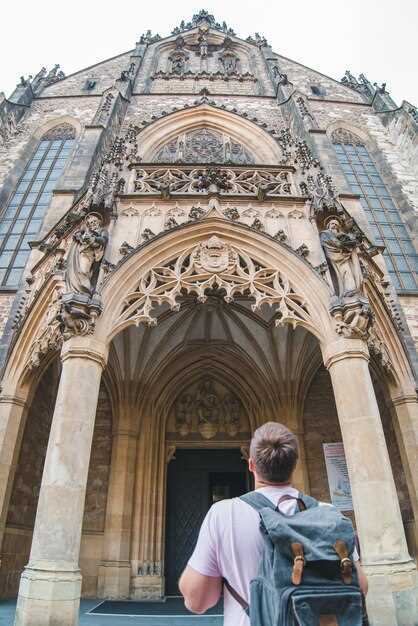
The Duomo di Milano stands as a testament to both the artistic brilliance and historical significance of Italy’s architectural heritage. As you approach this magnificent cathedral, you will be struck by the intricate details of its façade, which showcases a harmonious blend of gothic elements and a rich narrative that spans centuries. Here, in this vibrant structure, you will discover how generations of artisans have poured their heart and soul into a project that has become synonymous with Milan’s identity.
Since its inception in the 14th century, the Duomo has remained a focal point for both locals and tourists alike. It offers a unique opportunity to explore the hidden treasures within its walls, where vous découvrirez everything from flayed sculptures to ornate capitals that reflect the grandeur of the period in which they were created. You can reach the rooftop terraces, accessible via a stunning staircase, where you’ll be greeted by breathtaking views of the city and the surrounding elegance, including the famous Galleria Vittorio Emanuele II placed nearby.
In the heart of Milan, this basilica is not only a place of worship but also a gathering spot that has seen thousands pass through its doors. Whether you are drawn to its historical significance or simply the beauty of its architecture, the Duomo di Milano holds something special for everyone. So, if you have the option to visit, don’t miss the chance to immerse yourself in a space where every corner holds a story waiting to be unveiled. All in all, the Duomo di Milano is a vibrant bouquet of history, art, and culture that you must experience firsthand.
Understanding the Historical Significance of Duomo di Milano
The Duomo di Milano, a monumental gothic cathedral, has been a symbol of Milan since its inception in the 14th century. This architectural marvel not only represents the religious devotion of the people but also embodies the artistic achievements and cultural heritage of Italy. The cathedral’s creation began in 1386 under the guidance of the patron saint, Saint Ambrose, and continued for several centuries, making it a significant work of art that showcases the evolution of architectural styles over time.
The Duomo stands out with its intricate buttresses and countless spires that reach towards the sky, leading visitors to appreciate its grandeur from various vantage points. The stunning façade features a unique blend of marble that glimmers in the sunlight, while the magnificent stained glass windows depict biblical stories, including those of Jesus and various saints. These windows not only serve as artistic expressions but also as didactic tools for the faithful, inviting them to discover the hidden stories of their faith.
This cathedral is not merely a religious site; it plays a crucial role in the social and cultural life of Milan. Surrounding the cathedral lies the Galleria Vittorio Emanuele II, a central hub where locals and tourists alike gather. The Galleria connects the Duomo to the rest of the city, with the metro offering quick access to its remarkable entrances. For those who wish to escape the hustle of modern life, the close proximity of the Duomo allows for a moment of peace to reflect on its historical significance.
Over the years, the Duomo has hosted various ceremonies, including the celebration of Martin Luther’s Reformation, marking its importance as a site of liberty and religious expression. Moreover, the cathedral’s sundial, located on the cathedral’s façade, is a unique feature, allowing visitors to engage with time in a profound way, as it has done since the 18th century.
| Merkmal | Bedeutung |
|---|---|
| Buttresses | Support and stability in design |
| Stained Glass Windows | Visual storytelling of biblical narratives |
| Sundial | A historical mark of time, engaging visitors |
| Galleria Vittorio Emanuele II | A cultural and social meeting point |
In conclusion, Duomo di Milano is more than just a church; it is an enduring testament to the creativity and resilience of the Italian people throughout the centuries. Visitors can explore its numerous details, from the flayed images of saints to the iconic Biscione symbol, which further enriches Milan’s identity. As the city continues to evolve, the Duomo remains a constant, inviting all who enter to reflect on the past while pondering the future.
What Events Shaped the Cathedral’s Construction?
The construction of the Duomo di Milano, an architectural treasure, evolved through centuries of significant historical events that played a vital role in its design and development. Initiated in the 14th century, the project was commissioned by the Visconti family, who were determined to create a symbol of Milan’s liberty and a reflection of the city’s grandeur.
Throughout its lengthy construction, which spanned over six centuries, the heart of Milan witnessed various events that influenced the progress of this magnificent structure. Among these were the various political changes, including wars, that disrupted the continuity of work. The Italian Renaissance in the 15th century brought forth a renewed interest in arts and architecture, leading to the addition of intricate designs and statues that adorn the cathedral’s façade.
In the 20th century, significant advancements in technology allowed architects to experiment with new materials and techniques, such as lifted scaffolding systems that facilitated work on the towering rooftops. This innovative spirit further shaped the Duomo, enabling the completion of its impressive circular stained glass windows, which now illuminate the interior with vibrant light.
Key dates in Milan’s history also marked the Cathedral’s journey. Events like the arrival of precious materials, including white marble sourced from the nearby quarries of Carrara and the intricate use of saffron hues, enriched its aesthetic appeal. Each layer of the structure tells a story, with cada stone placed with intention, crafting a masterpiece that draws visitors from all over the globe.
Today, as you visita the Duomo, you’ll find yourself immersed in a harmonious blend of architectural styles that pay homage to the city’s rich history, from the neo-Gothic elements to the earlier Romanesque influences. The Galleria Vittorio Emanuele II, located nearby, further enhances the area, creating a bustling atmosphere that complements the magnificence of the Duomo.
Whether you explore the corridors of this grand cathedral or take a moment to appreciate its intricate ceiling, the Duomo di Milano stands as a testament to the industrious spirit of those who took part in its creation, serving as a reminder of the enduring legacy of Milan, a city that continues to inspire awe through its historical and architectural marvels.
Key Historical Figures Associated with the Duomo
The Duomo di Milano stands as a testament to the rich historical and architectural tapestry of Milan. Several figures have played crucial roles in its development, shaping this grand church into an undisputed icon.
-
This medieval ruler of Milan significantly influenced the early construction phases of the Duomo, which began in 1386. His vision led to the foundation of a grand and intricate structure that would represent Milanese pride.
-
-
-
-
These historical figures, among others, have contributed to the Duomo’s legacy, ensuring that it remains a vital part of Milan’s cultural identity, attracting visitors from all over the world who come to appreciate its beauty and history.
How the Duomo Reflects Milan’s Cultural Heritage
The Duomo di Milano stands as an impressive testament to the city’s rich cultural heritage, encapsulating centuries of history and architectural evolution. This gothic masterpiece, with its pinnacles and tourelles, was constructed over a span of several years, beginning in the 14th century, reflecting the state’s commitment to artistic expression. The duomo represents not just a religious structure but a symbol of pride for the people of Milan.
Situated near the vibrant piazza that hosts daily life and festivities, the Duomo serves as a focal point, leading locals and tourists alike through its grand entrada. On any given day, visitors gather to admire its intricately designed facade, where figures of saints, including Ambrose, adorn the structure, representing the city’s deep religious roots. This is the very spot where Jesus is honored, linking the past with the present in a continuous narrative.
The interior, or lintérieur, of the Duomo features stunning stained-glass windows that soak the space in saffron hues, creating an atmosphere of divine serenity. It’s a place to contemplate and connect with history, as cada window tells its own story and showcases the exceptional craftsmanship that Italian artisans are known for. This attention to detail is something that draws visitors from all over the globe.
The rooftop, accessible via an elevator or a stairway, offers breathtaking views of the city, showcasing the marvelous rooftops and palaces that make Milan unique. From this elevated vantage point, you can see the grandes buildings that form the skyline of this important city, including the nearby Galleria Vittorio Emanuele II, which complements the Duomo’s elegance.
This architectural wonder not only represents the great Milanese culture but also embodies the opción for progress and innovation, marrying gothic style with modern sensibilities throughout the 20th century. The Duomo di Milano is more than a cathedral; it’s an essential part of the city’s identity, inviting all who visit to explore and appreciate the layers of history that define this magnificent region of Italy.
What Major Renovations Have Taken Place?
The Duomo di Milano, a stunning cathedral known for its intricate details and grandeur, has undergone numerous renovations since its initial construction began in the late 14th century. Over the centuries, this architectural marvel has seen extensive work that aimed to preserve and enhance its beauty. One of the most significant renovations occurred in the 19th century, when the famous architect Carlo Maciachini led efforts to restore the cathedral to its original magnificence. This involved a detailed cleaning of the exterior to remove centuries of grime and pollution, a task that involved thousands of workers.
In addition to general restoration, modern improvements have also been made. The installation of a new rooftop access point allows visitors to reach stunning heights not previously available, providing unmatched views of Milan and the cathedral’s intricate sculpted details. The new rooftop walkways integrate modern design while respecting the original architecture, creating a unique experience for those who might want to explore the upper reaches of the cathedral.
Moreover, the interior has seen renovations that focus on the preservation of its art and structure. The restoration of the altar and the addition of a new sundial drew from historic practices, reintroducing elements that connect the Duomo to its original purpose. The careful restoration of statues and capitals highlights the artistry while ensuring their longevity against the passage of time and environmental factors.
In recent years, the Duomo has also utilized technology to facilitate visitor experience, with advanced systems guiding tourists through the building, providing detailed information about the zodiac signs adorning the façade and the royal decorations of the interior. This fusion of historical reverence and modern convenience ensures that both locals and visitors can fully appreciate the grandeur of this cathedral, officially recognized as one of the great cathedrals of the world.
Architectural Features of the Duomo
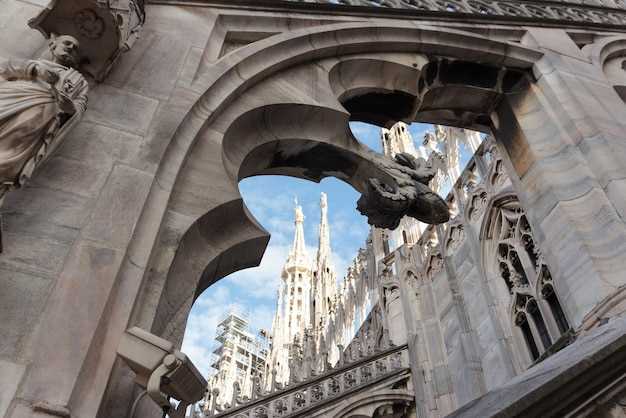
The Duomo di Milano is a stunning representation of Gothic architecture, showcasing intricate details and a grand scale that captivates all who visit. The façade is adorned with numerous sculpted figures and statues that narrate religious stories and highlight the skill of the artisans from the era. Each element is truly a masterpiece, most notably the iconic Madonnina, a golden statue of the Virgin Mary that crowns the cathedral and is visible from various zoned areas across the city.
Die Decke of the Duomo features soaring vaults and stunning stained-glass windows that invite sunlight to pour in, creating a divine ambiance. The tourelles, or spires, rise dramatically, representing the final aspirations of the builders to reach toward the heavens. Visitors can appreciate this grandeur from the terrazze, where the view extends across the rooftops of Milan, providing a breathtaking image of the bustling city below.
Inside, the space is divided into three naves, where the altar sits prominently, flanked by Spalten of imported Marmor. Das duomos also host various chapels that offer insight into the influential history of the Visconti and the religious heritage of the city. Many visiters comment on the profound sense of time and spirituality that resonates throughout, allowing for deep contemplation and reflection.
The construction of the cathedral spanned several centuries, with the first stone laid in 1386, and much of the work was completed during the ultima years of the 19th century. This long history has resulted in a blend of styles, ensuring that autres aspects reflective of different periods are harmoniously included. The fact that the Duomo remains a central piece of art and architecture is recognized by all who come to entdecken its treasures.
To truly appreciate the architectural marvel, it is essential to take the time to explore every corner, from the U-Bahn levels to the ornate details high above. Many guided Besuch options are available, allowing for a deeper understanding of the intricate features and historical significance. Whether you’re a history buff or simply someone seeking to enjoy the magnificence of one of the world’s most renowned cathedrals, the Duomo di Milano promises an unforgettable experience that stands the test of tiempo.
Which Styles Define the Cathedral’s Design?
The Duomo di Milano, an architectural masterpiece, showcases a diverse blend of styles that highlight its historical evolution. Predominantly, it is recognized for its Gotisch architecture, characterized by soaring spires, intricate stone carvings, and stunning Glasmalerei windows. This style is epitomized by the cathedral’s façade, adorned with numerous sculptures that create an image of vibrant faith.
Wenn Sie sich nähern entrée, you will notice the striking Strebepfeiler that serve both an aesthetic and structural purpose. These crucial elements not only support the towering walls but also enhance the stone façade’s grandeur. The light filtering through the window creates a spectacular play of colors inside, making the interior feel both divine and welcoming.
The cathedral’s design also incorporates elements from the Renaissance period, particularly visible in the grand altar area where harmonious proportions and classical details Aufzug the spiritual experience. Notably, the Central Plan, exemplified by the circular layout of some chapels, reminds visitors of andere significant buildings of that era.
Furthermore, elements of Barock artistry can be observed in the opulent decorations that were added in later renovations. These enhancements reflect the styles and preferences that evolved over the centuries, capturing the essence of the city’s rich history while conveying a sense of modernity.
With its mixture of Visconti and later influences, the cathedral stands as a testament to the architectural dialogue of its time. There are many layers to this building; you might feel the heart of Milan beating as you walk through its hallowed halls. This gives visitors a chance to genießen a unique blend of artistry that unites different styles into one cohesive and transformative experience.
So when you take a few minutes to walk around the cathedral, pay attention to how the different styles, from Gothic to Renaissance and Baroque, come together to create what is not just a church, but a significant part of the cultural fabric of Milan. The Duomo also offers an opportunity to enter the Galleria Vittorio Emanuele II, where you can taste the local cuisine like Risotto while surrounded by the architectural wonders of Italy.
What Are the Most Notable Sculptures and Statues?
The Duomo di Milano is not only renowned for its architectural grandeur but also for its extensive collection of sculptures and statues that adorn its exterior and interior. These artistic works reflect the great craftsmanship of the centuries and the rich history of this magnificent cathedral.
One of the most notable features is the Madonnina, a golden statue of the Virgin Mary that stands atop the cathedral’s highest pinnacle. Dedicated to the patroness of Milan, this image has become a symbol of the city. From the terraces, visitors can often see it gleaming in the sunlight, making it a prominent landmark.
- Sculptures on the Facade: The main facade of the cathedral is adorned with thousands of statues, including biblical figures and saints. These sculptures are intricately carved and showcase the Gothic architectural style.
- Corinthian Columns: The grand columns at the entrance support the structure and are embellished with various sculptures that depict biblical narratives and religious themes.
- Pinnacles: The pointed pinnacles are not just decorative; they are symbolic, representing the reaching of the faithful towards heaven. Many of them are topped with statues that enhance the verticality of the cathedral.
- Dragon Figures: Among the unique sculptures are dragon figures that represent evil and its banishment, positioned as a testament to the triumph of good.
- Wall Sculptures: The walls of the cathedral feature relief sculptures that narrate stories from the Bible, allowing visitors to walk through history as they explore its corridors.
In addition to these external elements, the interior of the Duomo houses a stunning Sonnenuhr set into the floor, which was created during the construction and has served as a focal point for visitors since its inception.
As one navigates the cathedral, the glass windows allow sunlight to filter through, illuminating the numerous statues and creating a celestial atmosphere that enhances the experience of being in such a holy place.
Each element, from the towering columns to the intricately carved details found within the ceiling, is a testament to the dedication and artistry that defines the Duomo di Milano. Thus, the statues and sculptures are not merely decorative; they invite the beholder to reflect on history, faith, and the architectural marvel that is regarded as one of the largest cathedrals in the world.