


 Deutsch
  English (UK)
  Русский
  বাংলা
বাংলা  العربية
  日本語
日本語  한국어
한국어  Magyar
  Norsk nynorsk
  Türkçe
  עִבְרִית
  Español
  Čeština
  Svenska
  Português
  Ελληνικά
  Suomi
Suomi  Nederlands
  Română
  Italiano
  Français
  Polski
  Українська
  简体中文
简体中文  Slovenčina
  Српски језик
  اردو
اردو  Azərbaycan dili
  O‘zbekcha
  አማርኛ
አማርኛ 
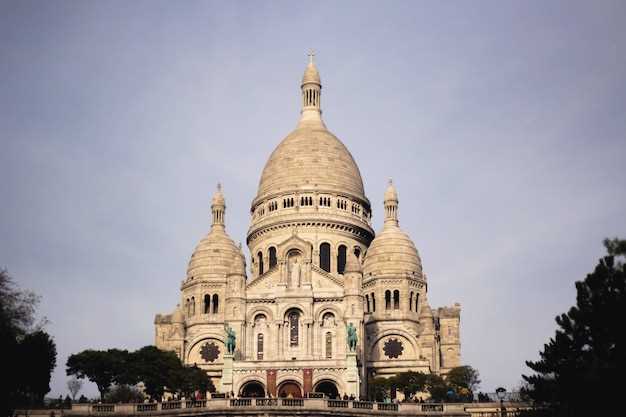
Discover the rich history of Paris through an exclusive semi-private guided tour that takes you to two of the most iconic landmarks: Notre-Dame Cathedral and Sainte-Chapelle. Join a small group of fellow enthusiasts as you embark on a journey that will provide you with a deeper understanding of these architectural masterpieces crafted centuries ago. With this tour, you will enter a world where every detail, from the intricate stained-glass windows to the magnificent ceiling, tells a story.
As you walk through the enchanting sites, admire the colorful artistry that has captivated visitors for years. Your knowledgeable guide will share fascinating secrets and historical insights that go beyond the typical tourist experience. Each moment spent in these locations is dedicated to reflecting on the significance of French culture and worship that still resonates today, even after the devastating events faced by Notre-Dame Cathedral.
This exclusive opportunity is more than just a sightseeing tour; it’s a chance to engage in conversations that will enhance your appreciation of the rich history surrounding these beloved landmarks. You’ll enjoy the comfort of a full-time tour that keeps you informed and engaged every minute of the way. As you are transported from your hotel to these magnificent sites, you can look forward to an unforgettable experience that allows you to connect with the essence of Paris, all while making wonderful memories with your family and new friends.
Don’t miss out on this unique opportunity to see Notre-Dame and Sainte-Chapelle from a perspective that few get to enjoy. Be sure to book your tickets in advance to avoid cancellations and ensure you have a spot on this small-group adventure that promises more than just a stroll through history–it offers a chance to truly understand everything that makes these sites so special.
Exploring Notre-Dame Cathedral’s Architectural Marvels
Notre-Dame Cathedral, an exemplary piece of Gothic architecture, has captivated visitors for centuries. Built over several decades, it stands as a testament to the exceptional skills of medieval craftsmen. The intricate designs and extensive stonework make it one of the largest cathedrals in Paris. Each aspect of its structure offers a glimpse into the past, leaving many to wonder about the secrets held within its walls.
One of the most striking features of the cathedral is its ceiling. The luminous nave, with its soaring arches, creates a sense of being enveloped in a majestic atmosphere. The light filtering through the stained glass windows, which depict various biblical scenes, enhances the spiritual ambiance of the space. Visitors often find themselves lost in thought, marveling at the artistry that has survived the test of time.
During a guided tour, you can explore the middle area of the cathedral, where many significant points of interest reside. The meeting of history and faith here is unlike any other. Knowledgeable guides frequently share exclusive insights about the construction process and the challenges faced during its development, including devastating events like the fire of 2019, which prompted necessary restorations.
The meticulous planning that went into Notre-Dame’s facade is evident at every angle. The ornate sculptures depict figures of royalty, saints, and allegorical representations, making it not just a house of worship but a palace of art. Each figure tells a story, inviting visitors to ponder their meanings while exploring the architecture that houses them.
For families and small groups wishing to delve deeper into this historic landmark, a small-group tour provides an intimate experience. Participants can engage freely with their passionate guides, who often have years of expertise. This setup ensures that safety protocols are maintained while also allowing guests to absorb the extensive history surrounding them.
As you venture outdoors to observe the cathedral’s exterior, don’t miss the stunning gargoyles perched high above. They serve both an artistic and functional purpose, functioning as drainage for rainwater. The colored details of these figures reflect the medieval obsession with both beauty and practicality, enriching the visitor experience even further.
In conclusion, exploring Notre-Dame Cathedral is a multifaceted journey. Whether you want to appreciate its artistic heritage or understand its architectural significance, the experience is full of rewarding discoveries. For those who leave with a deeper appreciation for this masterpiece, the tour is more than just a walk through history; it is a memorable exploration of one of the world’s most cherished landmarks.
Thank you for considering a visit to this iconic site, which continues to inspire generations. Being part of its ongoing story is a privilege that few will forget, ensuring that Notre-Dame maintains its vital place in Parisian culture for years to come.
The History Behind Notre-Dame’s Construction
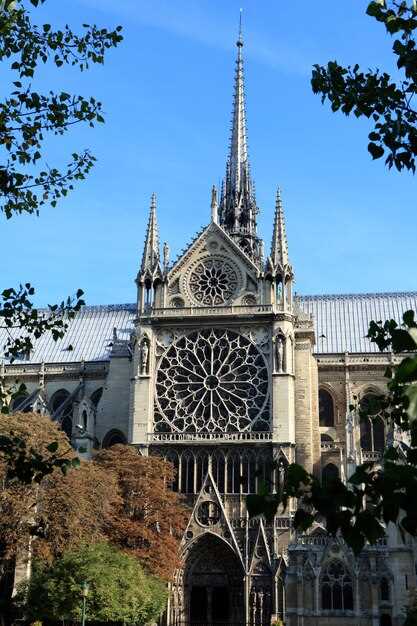
The construction of Notre-Dame Cathedral began in the year 1163, during the reign of King Louis VII of France. This monumental project was initiated on the site of an earlier church dedicated to St. Stephen. Over the years, the cathedral evolved into one of the most iconic sites in France, recognized for its stunning architecture and intricate design.
Notre-Dame’s story is not just about stone and mortar; it is a reflection of the era’s spiritual and cultural aspirations. The choice of location was particularly significant, as it was situated on Île de la Cité, a central spot in Paris. Over the years, this location became integral to the city’s development and spiritual life.
The architects of Notre-Dame, initially led by Bishop Maurice de Sully, aimed to create a space that would not only serve as a religious venue but also as a symbol of the power of the Church. They incorporated innovative elements into its design, such as flying buttresses, which allowed for higher ceilings and more windows, creating a luminous interior that became characteristic of Gothic cathedrals. This architectural advancement marked a departure from previous Romanesque styles.
As construction progressed, the cathedral faced various challenges, including political turmoil and financial difficulties. Fundraising was essential, and the people of Paris contributed significantly to support the ongoing work. They understood that Notre-Dame would stand as a testament to their faith and community cohesion.
Throughout the ages, Notre-Dame has undergone several modifications and restorations. The most notable renovation was carried out in the 19th century by architect Eugène Viollet-le-Duc. He added features such as the famous spire and worked tirelessly to preserve the cathedral’s historic aspects. His vision contributed to the cathedral we admire today, enhancing its aesthetic and structural integrity.
In addition to its architectural significance, Notre-Dame has also been a backdrop for many historical events. From royal ceremonies to political revolutions, the cathedral has witnessed the unfolding of France’s rich history. Today, visitors can learn about these stories through guided tours, which often include skip-the-line access for a more relaxed experience.
For those interested in exploring the wider historical context, an exclusive semi-private guided tour that includes Sainte-Chapelle offers insights into the Gothic art movement and the significance of the relics housed therein. With limited hours and an optional private transportation service, these tours provide an easy way to explore some of the better-known sites in Paris.
As you walk through Notre-Dame, keep an eye out for its famous rose windows and the intricate details of the stone carvings depicting biblical scenes, including the Crown of Thorns. This rich tapestry of art and history ensures that each visit is unique. Notre-Dame Cathedral, combined with the grandeur of Sainte-Chapelle, encapsulates centuries of faith, artistry, and resilience within its walls, making it a must-see for any traveler.
| Construction Period | Bemerkenswerte Ereignisse | Architects Involved |
|---|---|---|
| 1163 – 1345 | Construction begins; various restorations | Bishop Maurice de Sully, Eugène Viollet-le-Duc |
| 19th Century Restorations | Viollet-le-Duc’s major renovation | Eugène Viollet-le-Duc |
Unique Features of the Gothic Design
The Gothic design, a pivotal movement in architecture, reflect an era of innovation and creativity. Predominantly flourishing during the High and Late Middle Ages, this style introduced notable features that continue to captivate visitors today. The intricate details present in structures like Notre-Dame Cathedral and Sainte-Chapelle showcase a revolutionary approach to sacred spaces, emphasizing height and light.
One of the most wonderful aspects of Gothic architecture is the use of pointed arches. These arches allow for greater height and stability, enabling the structure to reach impressive elevations. Not only do they support the weight of heavy stone ceilings, but they also create a sense of upward motion, directing the eye towards the heavens–a vital consideration in places of worship.
Another defining characteristic is the stunning stained-glass windows, which adorn Gothic cathedrals with splashes of color and light. The large, ornate windows tell biblical stories and convey theological concepts, serving both an artistic and an educational purpose. At Sainte-Chapelle, the brilliance of these windows captures the essence of divine beauty and invites visitors to take photos that immortalize the experience.
Additionally, flying buttresses represent a significant engineering advancement. These external supports were essential in distributing the weight of the ceilings and walls, allowing for thinner structures with even larger openings for windows. This design element not only enhanced the aesthetic appeal but also offered practical solutions to architectural challenges, revolutionizing the construction techniques of the time.
When exploring the intimate areas around Notre-Dame, visitors can see how the integration of architectural elements with sculptures and carvings depicts a narrative that reflects the culture and values of the era. These artistic expressions addressed various social issues, including the role of women and notable figures such as Hector. Each detail within the site provides a glimpse into life during those times, making the experience deeply enriching.
For families and tourists alike, the flexibility of guided tours offers personalized insights into Gothic design. Knowledgeable guides can address specific interests, whether visitors are drawn to historical anecdotes, architectural nuances, or artistic treasures found within the cathedrals. This personal touch creates a more meaningful connection, enhancing the overall experience.
Access to beautiful areas within Paris, such as the Palais and the Louvre, adds to the exploration of Gothic art and architecture. On certain days, organized tours might include discussions on how Gothic designs influenced the Renaissance and other styles of architecture. Understanding these connections enriches the overall context of what tourists enjoy while witnessing these magnificent sites.
Ultimately, the Gothic architectural movement stands as an enduring legacy. Whether you are an architecture enthusiast or a casual visitor, seeing these historical wonders together with a professional guide allows for a comprehensive understanding of their unique features. Each visit not only reveals the intricacies of Gothic design but fosters a deeper appreciation for these magnificent buildings that continue to inspire awe and admiration across generations.
Preservation Efforts Post-Fire
Following the devastating fire that struck Notre-Dame Cathedral, the preservation efforts have been extensive and passionate. Teams of dedicated firefighters and preservationists quickly mobilized to secure the site, ensuring that the rich heritage of this iconic landmark would not be lost. The story of the cathedral’s recovery is one that highlights the commitment of everyone involved, from local Parisians to international teams. Planning for the restoration began almost immediately, allowing for an efficient response that would set the groundwork for the future.
The restoration of Notre-Dame is not just about repairing stone walls; it involves a deep understanding of the cathedral’s historical and cultural significance. Every detail is being considered, from preserving the original materials to selecting craftsmen who possess the necessary skills. A small group of experts has been tasked with conducting a thorough investigation of the structure to identify areas that need more attention. They work tirelessly to ensure that the treasures within the cathedral are safeguarded for future generations.
- Extensive assessments are conducted to determine the integrity of the structure.
- Transport logistics are carefully planned, allowing materials to be efficiently moved to and from the site.
- Community involvement has played a crucial role, with many Parisians expressing their love for Notre-Dame and contributing to fundraising efforts.
On a personal note, visiting Notre-Dame’s site now provides an interesting glimpse into the ongoing restoration process. Visitors can often see the evolution of the work being done, as scaffoldings ascend high above the remnants of the fire. Special tickets are reserved for guided half-day tours that allow attendees to discuss the recovery efforts and learn about the resources being utilized. As families leave with photos and stories, they can cherish the knowledge that they have witnessed history in the making. Truly, this process encapsulates the resilient spirit of France and its commitment to preserving its heritage.