


 Deutsch
  English (UK)
  Русский
  বাংলা
বাংলা  العربية
  日本語
日本語  한국어
한국어  Magyar
  Norsk nynorsk
  Türkçe
  עִבְרִית
  Español
  Čeština
  Svenska
  Português
  Ελληνικά
  Suomi
Suomi  Nederlands
  Română
  Italiano
  Français
  Polski
  Українська
  简体中文
简体中文  Slovenčina
  Српски језик
  اردو
اردو  Azərbaycan dili
  O‘zbekcha
  አማርኛ
አማርኛ 
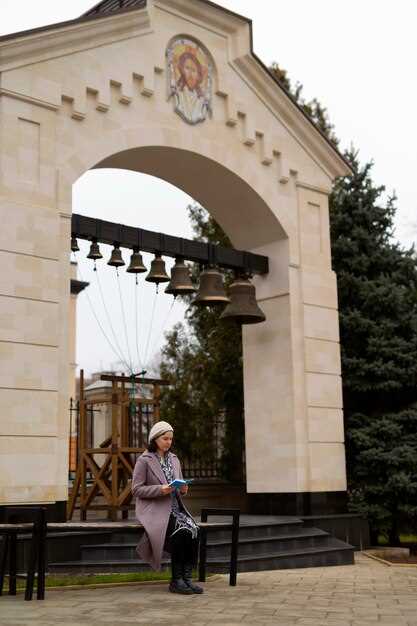
Steinhof district in Vienna harbors a gem of modern architecture–St Leopold’s Church, a site that seamlessly blends history and artistry. Designed by the renowned architect Otto Wagner, the church stands as a testament to the innovative spirit of the early 20th century. Visitors and members of the community alike are drawn to this magnificent structure that has, over time, become integral to the Austrian cultural landscape. Its sharp lines and detailed components, enriched by remarkable sculptures and mosaics, exemplify the work of Wagner and his contemporaries, who aimed to create a space that resonated with the lives of the people it served.
The church’s rich history is intertwined with the healing journey of hundreds of doctors and medical professionals who were involved in the development of the nearby psychiatric hospital and nursing home. St Leopold’s Church was not merely built as a place of worship; rather, it emerged from a need for a spiritual haven for individuals seeking solace. The establishment of this significant site was largely influenced by figures like Franz Moser, known for advocating the integration of healing and spirituality. It was in this direction that the church offered a positive environment, reflecting the values of compassion and care prominent among its founders.
As time passed, the church absorbed new influences while remaining a devoted patron for the local population. Its beautiful interior is adorned with striking statues that tell stories of divine intervention and healing. Here, the harmony between faith and medicine is evident, where the church’s role extends beyond the spiritual to embrace the needs of those undergoing difficult life stages. Each visit to St Leopold’s Church unveils layers of history, with memorials commemorating the work of doctors and scholars, including the notable Henke and his contributions to the medical field, further reinforcing the church’s status as a vital part of Vienna’s heritage.
Exploring the Architectural Features
St. Leopold’s Church at Steinhof is an architectural masterpiece that harmoniously blends various styles, brilliantly highlighting the visionary design of its founder, Otto Wagner. The church’s overall layout demonstrates a contemporary interpretation of historical motifs, presenting a fusion that captivates every visitor. As you approach the building, the large entrances beckon, creating an instinctual desire to explore what lies within.
The church’s prominent towers rise majestically, serving not only as a physical representation of faith but also as an iconic landmark in the vicinity. Each tower, adorned with intricate details, stands as a royal celebration of artistic achievement. The architectural elements work together logically, reflecting a meticulous order that guides the eye upward, enhancing the ethereal experience of being in such a blessed space.
Inside, the walls are adorned with stunning mosaics that feature figures of angels, creating a sacred atmosphere that invites contemplation. These decorative elements are not merely for aesthetic enjoyment; they tell a story of tradition and the enduring importance of spirituality in people’s lives. Every corner of the church has been thoughtfully designed to ensure that each individual room resonates with its own unique impact, amplifying the overall experience.
Among the remarkable features, the pipe organ, installed by the renowned Moser family, stands out as a testament to Wagner’s commitment to integrating music within this sacred context. The organ not only serves as a functional element but also as a sculptural focal point, linking the auditory and visual senses. The harmonious blend of these artistic aspects creates a physical and mental connection with the church’s ambiance, becoming a metaphorical cross between sound and sight.
Wagner’s work can be seen as a response to the distortion of traditional design, forging a path for contemporary architecture that maintains respect for historical context. Each element of St. Leopold’s Church, from its towering structures to the delicate mosaics, represents a conversation between the past and the present. This masterpiece is a must-visit for those seeking to appreciate not only the architectural brilliance of Otto Wagner but also the layers of history embedded within these walls, which resonate with the rich heritage of the community it serves.
Unique Design Elements of St Leopold’s Church
St Leopold’s Church at Steinhof showcases a remarkable fusion of architectural styles, reflecting the rich history of Austria in its design. The church, established in the early 20th century, was specifically formulated to cater to nervenkranke, individuals suffering from nervous disorders. This context shaped its construction, as the design aimed to provide a sense of peace and sanctuary within a bustling urban district. The building’s unique layout includes a nave supported by elegant arches that create an open yet intimate atmosphere, inviting visitors to explore its serene environment.
One of the standout features of the church is its stunning glass-windows, which are strategically laid out to optimize natural light. These glass objects not only illuminate the interior but also depict various holy figures and scenes from Christian history. The play of light through the colorful panels enhances the spiritual experience, especially during the golden hours of the day. The larger and more intricate pieces can be found prominently on the side-altar, providing a focal point for prayer and reflection.
The exterior of St Leopold’s Church is equally captivating, showcasing a blend of Art Nouveau and traditional styles. This combination is particularly evident in the building’s roofline and the intricate details that cover the surfaces. Various angelis figures can be seen adorning the façade, each meticulously designed to convey a sense of protection and reverence for those who enter. The architectural elements provide a harmonious connection to the surrounding cemetery, enhancing the church’s tranquil atmosphere.
Inside, the layout of the church includes multiple rooms that serve different purposes, such as a small ambo for readings during services. The careful planning of these spaces allows for a smooth flow of energy within the church, ensuring that parishioners feel connected during their visits. The steps leading to the altar highlight the importance of elevation in the design, symbolizing a journey towards the divine. This thoughtful arrangement encourages a deeper attachment to the sacred space.
Overall, St Leopold’s Church stands as a testament to modern architectural achievement in Austria while embracing traditional elements. Its unique design elements are not only aesthetically pleasing but also crafted with a purpose–making each corner and detail significant. As a historical piece that continues to serve its community, the church reflects the greater narrative of care, spirituality, and beauty that transcends time.
Influence of Modernism in Church Architecture
The influence of modernism in church architecture has marked a significant shift in how sacred spaces are designed and experienced. Architects, such as Richard Neutra and Paul Schrader, have sought to blend traditional elements with innovative designs, creating structures that resonate with contemporary values. These creations often emphasize light and openness, inviting both light and energy into the sanctuary. The architectural forms became a reflection of the spiritual journey, where both physical and metaphysical elements are navigated.
In modern church designs, the use of materials has transformed dramatically. Copper, glass, and concrete are commonly employed, replacing the heavy stonework characteristic of earlier periods. This shift signifies a move away from ornamental excess into a simplicity that aligns with the modernist ethos. Integrated designs often feature sculptural objects that serve both functional and aesthetic purposes, enhancing the overall atmosphere within the church. The focus on physical structures has led to spaces that accommodate the diverse practices of various religious communities.
- Emphasis on natural light.
- Open floor plans promoting congregation interaction.
- Incorporation of local materials and craftsmanship.
Within the context of St. Leopold’s Church at Steinhof, modernist designs have created a sanctuary that stands apart from traditional forms. The striking elements of the church, located in the northwest of Vienna, blend romanticism with modern aesthetics. Each corner and step brings the visitor closer to a unique experience, making them feel part of a larger narrative. This design approach reflects the instinct of architects to create spaces where people can connect, contemplate, and kneel in prayer.
As renovations continue across hundreds of churches worldwide, the dialogue between modernism and tradition persists. It must be acknowledged that modern designs do not overshadow historical contexts but rather weave themselves into the fabric of church life. Each creation represents a further step in an ongoing exploration of faith and community, making church architecture an ever-evolving expression of human spirituality and creativity.
How to Appreciate the Exterior and Interior Details
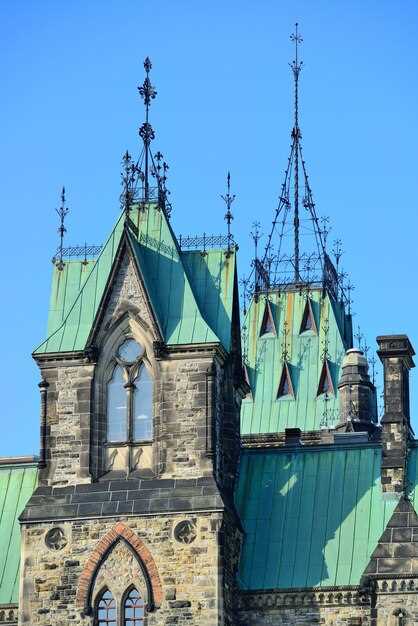
When visiting St. Leopold’s Church, one can be immediately captivated by both its exterior and interior details, reflecting the immense value of architectural design. The structure stands as a testament to the historical significance of Austrian architecture during the Secession period, where different buildings were created to push the boundaries of artistic expression. Observe the carefully laid stonework and intricate designs that outline the front façade, which showcases elements that are essential in creating a narrative of faith and history. Hundreds of visitors intentionally spend hours exploring these details to discover the stories hidden within this masterpiece.
As you step inside the church, your attention will be drawn to the altar, where numerous angels seem to kneel in reverence, their forms crafted with precision and delicate artistry. Each seat in the church is designed not only for comfort but also to invite contemplation, allowing worshippers to engage with the sacred space fully. The floor, adorned with motifs inspired by the land’s natural beauty, connects the worshippers with their surroundings, enhancing the overall experience. It offers an unspoken dialogue between the architecture and the members of the congregation, inviting them deeper into their own spirituality.
Don’t be distracted by the modern amenities such as toilets and emergency exits; instead, focus on the historical objects displayed around the church. Banners and artifacts tell the story of St. Leopold’s legacy, an important source of inspiration for many. Engage your instincts and allow yourself to be immersed in the ambiance, remembering that every detail, from the smallest decor to the grand scale of the church itself, contributes to a broader narrative that has evolved since its conception. Whether you’re a photography enthusiast capturing the essence of the place or a history buff diving into its past, St. Leopold’s Church is a place where every visit becomes a new discovery.