


 Deutsch
  English (UK)
  Русский
  বাংলা
বাংলা  العربية
  日本語
日本語  한국어
한국어  Magyar
  Norsk nynorsk
  Türkçe
  עִבְרִית
  Español
  Čeština
  Svenska
  Português
  Ελληνικά
  Suomi
Suomi  Nederlands
  Română
  Italiano
  Français
  Polski
  Українська
  简体中文
简体中文  Slovenčina
  Српски језик
  اردو
اردو  Azərbaycan dili
  O‘zbekcha
  አማርኛ
አማርኛ 
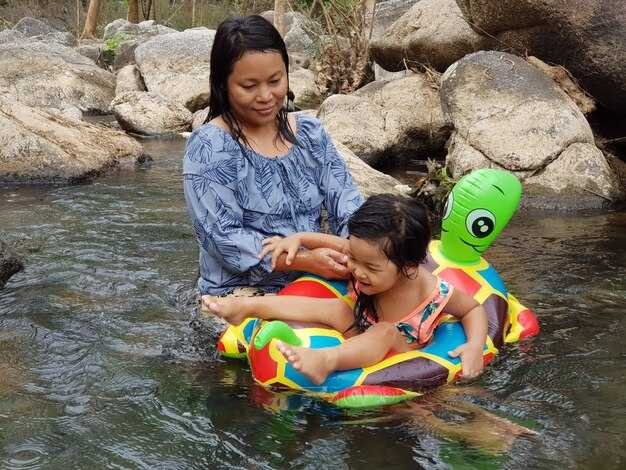
Kick off with a Tamarindo ziplining excursion that thrills kids and satisfies adults. Spring light filters through the canopy as you fly between platforms, the sand glitters on the shore, and a quick safety lesson sets the tone for a day of shared excitement.
Next, visit a small museum with interactive exhibits where things to touch engage kids while adults pick up practical tips about nature and conservation. A short side hike among the mangrove trees shows how coastal habitats adapt to the heat while offering shade and easy terrain.
For water lovers, a sheltered beach excursion along tamarindo’s coast blends gentle snorkeling, tide-pool exploration, and a relaxed lunch on the sand. It’s a balance that keeps kids engaged and lets adults savor the beauty of a calm sea and warm sun.
Another crowd-pleaser is a guided wildlife walk in a nearby reserve, where you’ll spot capuchin monkeys, colorful plumage, and endemic plants. Afterward, stroll the tamarindo town markets for tropical fruit, artisan crafts, and a toro-inspired snack that adds local flavor to the day.
Finish with a family-friendly adventure that combines a tree-lined trail, a coastal lesson on sea life, and a creative activity back at your lodging or a beachside cafe. Local guides teach along the way, and this approach makes it easy to make memories that celebrate beauty, resilience, and togetherness, giving adults room to enjoy a quiet moment while kids collect new discoveries in a safe, engaging setting.
Costa Rica Family Travel Guide
Plan your first day around a guided forest walk in Monteverde to dial in pace for kids and older travelers, then tailor the rest of the week to wildlife centers, light adventures, and tasty meals.
- Base your stay in family-friendly houses near easy trails, coastal towns, or the fortunaarenal region for quick access to volcano views, hot springs, and gentle hikes.
- Choose centers with seasoned operators and English-speaking guides to keep routes short enough for younger hikers without losing the sense of discovery.
- Reserve a Selvatura canopy experience for a true adrenaline-free thrill that still feels exciting, followed by a relaxed butterfly garden and hummingbird show.
- Incorporate wildlife watching at dawn in Manuel Antonio or Corcovado-adjacent reserves, where misty mornings reveal toucans, sloths, monkeys, and colorful insects.
- Hit whitewater on calm sections with an experienced outfit; look for II-III class trips suitable for families, with proper gear and safety briefings from trusted operators.
- Plan a coffee bean tasting near local farms to mix culture with flavor, and pair it with a family-friendly lunch at restaurants that serve Costa Rican staples.
- Schedule afternoon rests or shallow pool time to balance heat, playing up backyard games and kid-friendly activities at your hotel or casa.
- Include a slower day in Guanacaste or the central valleys to explore beaches, tide pools, or a museum center, ensuring something for every member of the group.
- Day 1: Monteverde Cloud Forest hike with a local guide, then a visit to a nearby wildlife center to meet rescued animals and learn about conservation.
- Day 2: Selvatura park canopy walk at moderate height, followed by a gentle stroll through a butterfly garden and a coffee bean tasting.
- Day 3: La Fortuna foothills near fortunaarenal, easy trails around the volcano, soak in hot springs, and finish with a riverside dinner.
- Day 4: Beach day in Manuel Antonio or Tamarindo with protected shorelines for safe swimming, short nature trails, and kid-friendly lunch spots.
- Day 5: Family rafting on a calm section of a river with certified guides; brief safety briefing, proper gear, and quick coaching to build confidence for everyone.
- Day 6: Cultural stroll through a local town, sampling traditional meals at restaurants, and a park visit where older explorers can relax while younger ones explore a playground.
- Day 7: Flexible “rest or repeat” day, revisit a favorite center, or add a farm tour to observe crops, beans, and farm life, ending with a sunset view over the world-renowned coastlines.
Tips for a smoother trip: confirm hours with centers and operators a day ahead, and book private or small-group tours when possible to keep the pace comfortable for all ages. For families with younger kids, choose shorter routes and frequent breaks; for older travelers, add scenic overlooks and easy terrace meals to savor the heat without fatigue. A well-balanced plan keeps everyone engaged, and the right mix of wildlife, adventure, and rest makes the trip feel true to Costa Rica’s spirit.
Turner-style itineraries thrive on pacing, repeated favorite moments, and clear expectations; this guide supports that approach and helps you build memories that feel natural and enjoyable for every member of the group.
Best Wetlands Boat Tours for Families: Tortuguero and Cano Negro
Book a Tortuguero morning canal tour with a licensed naturalist first to maximize sightings for both adults and kids. A 2.5–3 hour sail through Tortuguero National Park’s braided channels brings close looks at sloths, howler monkeys, caimans, and toucans. Guides provide detailed explanations and help you looking for behavior cues, making wildlife watching engaging for the whole family.
In Tortuguero, stay near the canal network and the town for easy meals and rest. The area holds some of the oldest protected wetlands in the region, where the beauty of green canals and lush mangroves unfolds at every turn. Family-friendly choices include short, gentle routes with kid-sized boats and calm sections that maximize sightings of capuchin monkeys, river otters, and scarlet macaws. Nearby sanctuaries and conservation centers offer quick, kid-friendly stops if little ones need a break.
Next, switch to Cano Negro Wildlife Refuge for a different flavor. A 3-hour boat ride along the Canas River yields mangrove-lined banks, caimans, capuchin monkeys, and a steady parade of kingfishers and macaws. Smaller boats keep the viewing distance comfortable for families, while bilingual guides share identifications and sounds so you’re not just cruising by–you’re learning. Several operators offer flexible schedules that work with kids’ routines, and the town of Cano Negro nearby provides a simple lunch break before the return. Older kids especially enjoy matching bird calls to their real-life examples.
For night-light magic, check for a dusk option that includes bioluminescence along calm stretches, if weather and river conditions permit. Those moments spark awe for both adults and children and add a memorable layer to your plan. Over the years, these tours have built a reputation for safe, close-up wildlife experiences in a world where families can observe in nature without crowding.
If your plan extends beyond wetlands, consider a southern detour to nauyaca and a visit to the fortunaarenal area for hot springs and family-friendly trails. Nauyaca delivers a rewarding day hike and swimming, while fortunaarenal offers easy wildlife viewing, scenic towns, and comfortable accommodations after long days on the water.
Practical tips: bring binoculars, sunscreen, insect repellent, water, snacks, and a light jacket for early starts. Request a family-friendly boat size and a shorter route if younger children ride well. Dry-season departures (roughly November through April) tend to be the most comfortable for kids, while some rainy-season tours offer richer birding and lush scenery if you’re prepared for brief showers. In all cases, plan to arrive early and check-in with your guide for the best route given river conditions.
Kid-Friendly Volcano Trails: Easy Hikes in Arenal and Rincon de la Vieja

Start with the Arenal Observatory Lodge loop, a gentle surfaced route that suits kids. The 1.6-mile (2.5 km) circuit usually takes about 60 minutes at a relaxed pace, with several shaded stretches and benches for sitting breaks. The surface stays mostly level, keeping ankles secure while you watch for toucans and bright tanagers along the way. If you want a longer option on the same day, add the Lava Flow Trail for roughly another mile of rockier terrain, but the overall effort remains kid-friendly.
In Rincon de la Vieja, Las Pailas Trail is a standout choice. The loop runs about 2 miles (3.2 km) and typically takes 1.5–2 hours, depending on photo stops and how many steam vents you investigate. The surface is dirt with short wooden boardwalks near vents, and the path stays relatively flat with a few easy rises. Look for steam puffs on the side and colorful birds perched above the canopy; several rest benches offer safe sitting moments for a quick snack.
These two trails provide many choices for a family itinerary. If you crave a bigger day, ziplining options abound nearby, with harnessed gear and guides who tailor routes for kids. After the hike, you can join a hot spring soak or a short waterfall visit to wind down. For safety, carry a rescue option: whistle, compact first-aid kit, and a flashlight for late afternoon hours. Staying on the surfaced routes helps kids feel comfortable and makes it easier to keep the group together; this is especially important if you’re exploring steam-side viewpoints on the safer side of the trail. When you look ahead, you’ll see several benches and viewing points that invite a quick pause and a breath of fresh air.
Practical tips: for families based in samara, plan a two-day route that links Arenal and Rincon; this keeps driving comfortable and lets everyone re-charge between hikes. Driving times are usually around 3.5–4 hours to La Fortuna, and about 2.5–3 hours to Rincon de la Vieja, depending on road conditions. Pack water, snacks, sunscreen, hats, and a light jacket. Bring a small daypack, a lightweight seating pad for minutes of rest, and a few favorite kid-sized snacks. The trails are usually well-marked, with many opportunities to spot birds and lizards along the surface, creating a wonderful feeling of closeness to nature. If you’re planning a broader Costa Rica trip, Palo Verde can be added as a separate day trip later in the itinerary so you can switch to river excursions or a rainforest hike as a different pulse of adventure.
Caribbean Coast Beach Days: Safe Swims, Gentle Surf, and Family Beach Tips
Begin your Caribbean coast trips with Cahuita Beach or Playa Blanca, where the entry is calm and water usually gentle enough for beginners. Look for crescent bays with shallow sand and little current, ideal for a first swim after a morning at the park entrance. A quick beach walk along the shore makes for a smooth transition from forest to sea, keeping little ones moving and engaged.
Across the coast, turtle watching becomes a highlight, with guided sessions near Gandoca-Manzanillo and other nesting shores in Talamanca. Joining a vetted tour supports conservation and elevates the learning, as experts explain turtle behavior and seasonal patterns while kids stay safe. Centers along the route usually provide safety briefing and kid-friendly activities that turn a simple beach day into a learning moment. A strong safety briefing from centers helps parents keep kids moving with confidence.
For families seeking a touch more adventure, several tours combine gentle exploration with light adventure, including a short rappelling lesson at an attached adventure center and a river creek stroll that reveals birds and reptiles above and below the surface. These adventurous options sort themselves by age and ability, ensuring younger children stay with a parent while older kids handle a modest challenge under supervision. Tours across the coast usually balance pace to keep everyone engaged and comfortable.
Practical tips for comfort and safety: pick beaches with clear entrance points to the sea, avoid river mouths, and stay on the beach at noon when sun exposure peaks. Bring a baldi for toys and towels, shade under tabacón trees, and a lightweight jacket for breezy afternoons. Reserve a kid-friendly lesson or short tour that includes snorkeling basics to build confidence, and plan for a few breaks at centers that offer rest and water stations along the network of coastal sites.
| Beach/Area | Why it’s good for kids | Water/Surf | Tips |
|---|---|---|---|
| Cahuita Beach | Shallow, calm bays; easy entry | Calm to mild | Watch turtle nests; shaded picnic spots exist near the entrance |
| Playa Blanca (near Cahuita) | Geschützte Bucht und weicher Sand | Ruhig | Schatten, Sonnencreme und ein Partner-System |
| Reservat Gandoca-Manzanillo | Wildreiche Wanderwege; familienfreundliche Pfade | Sanfte Lagunen in der Nähe von Flussmündungen | Nimm an geführten Touren teil; respektiere Nistplätze |
Praktische Natur- und Lernaktivitäten für Kinder und Eltern
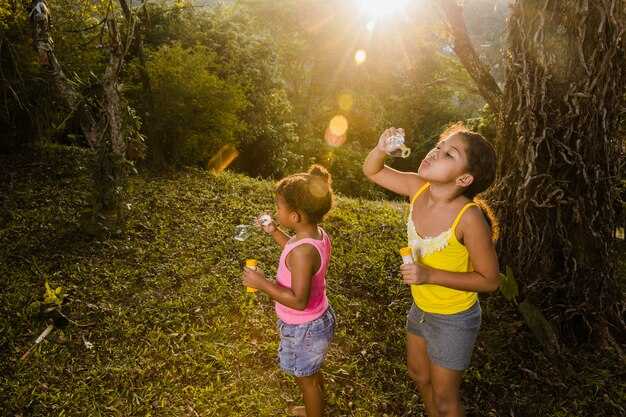
Besuchen Sie ein familienfreundliches Regenwaldzentrum, das Tierbeobachtungen mit praktischem Lernen für Kinder und Eltern verbindet. Die Programme im Frühling finden täglich statt und sind auf unterschiedliche Altersgruppen zugeschnitten. Verpassen Sie also nicht die Gelegenheit, gemeinsam auf Entdeckungsreise zu gehen.
- Geführte Wanderungen und Beobachtungen: Ein Naturführer leitet 4–6 km lange Wanderungen durch den Regenwald, um Faultiere, Tukane und Pfeilgiftfrösche zu entdecken. Machen Sie natürliche Beobachtungen mit einer Ideenkarten für Fragen und halten Sie an einem Ort mit Blick auf das Blätterdach an, um zu vergleichen, wie verschiedene Arten die einzelnen Waldschichten nutzen.
- Boot- und Flusserlebnisse: Machen Sie eine Bootsfahrt in der Nähe oder eine kurze Kreuzfahrt entlang von Mangrovenbächen, um Watvögel und Kaimane zu beobachten. Bringen Sie ein Feldbuch mit, um Silhouetten zu skizzieren und Verhaltensweisen zu notieren; diese Erlebnisse lassen sich gut mit einem Museumsbesuch in der Nähe verbinden.
- Baumkronenpfade und Hängebrücken: Überqueren Sie eine Seilbahn oder Hängebrücken, um den Wald von oben zu sehen. Diskutieren Sie, wie Licht, Feuchtigkeit und Wind die Lebensräume im Regenwald formen und wie sich Tiere im Blätterdach bewegen.
- Museum und kulturelles Lernen: Besuchen Sie ein regionales Museum in der Nähe von Puerto Viejo oder Punta Uva, um mehr über die Artenvielfalt und die lokale Kultur zu erfahren. Teresa, eine lokale Reiseleiterin, teilt Ideen für kinderfreundliche Projekte und bietet praktische Aktivitäten an, die reisefreudige Familien zu Hause nachmachen können.
- Lokale Ökosysteme: Planen Sie einen Tagesausflug nach Bajos del Toro und Palo Verde, um Nebelwald und Tieflandregenwald zu vergleichen. Kinder vergleichen Blattformen, Fährtenabdrücke und notieren Unterschiede in Temperatur und Vogelrufen.
- Seilrutsche und Naturschutzgespräche: Beginnen Sie mit einer kurzen Fahrt mit der Seilrutsche und beenden Sie diese mit einer Naturschutzdiskussion über die Wiederherstellung von Lebensräumen und den Schutz von Wildtieren für zukünftige Generationen.
- Glück und Frühlingsabenteuer: Wenn Sie sich in Fortuna aufhalten, verbinden Sie eine Wanderung durch den Regenwald mit einem Besuch auf einer Kaffeeplantage und einem kulturellen Stopp, der zeigt, wie Landwirtschaft und Schutz des Lebensraums Hand in Hand gehen.
- Küste und Mangroven vereint: Die nahegelegenen Orte Puerto Viejo und Punta Uva bieten Bootsausflüge entlang der Küste an, um eine andere Tierwelt zu beobachten, von Seevögeln bis hin zu Meeresschildkröten – perfekt für einen Tag, der Ausflüge in den Regenwald ergänzt.
- Planungstipps und Empfehlungen: Diese Empfehlungen bieten flexible Zeitplanung und Aktivitäten, die zu unterschiedlichen Energieniveaus passen. Machen Sie sich keine Sorgen, wenn Sie etwas verpassen – es gibt immer Möglichkeiten, Reiserouten mit einem lokalen Reiseführer anzupassen, der das Alter und die Interessen Ihrer Kinder kennt.
In Costa Rica entdecken Familien gemeinsam die lokale Kultur und die natürliche Schönheit.
2-Wochen-Reiseplan im Überblick: Tagesaktuelle Tipps für Feuchtgebiete, Vulkane und Strände
Tag 1: Auftakt im Feuchtgebiet – Besuch der Tortuguero-Kanäle oder Caño Negro mit dem Morgenboot. Das Wetter kann schnell umschlagen, daher eine leichte Regenjacke einpacken. Erwarten Sie ein Dutzend Vogelarten, vielleicht einen Jaguar, den man von der anderen Seite eines Kanals erblickt, und viele Faultiere an schlammigen Ufern. Das Begehen von Bohlenwegen ermöglicht Beobachtungsmomente; dies vermittelt eine echte Lektion über lokale Ökosysteme zu Beginn der Reiseroute.
Tag 2: Tag der Feuchtgebiete – wählen Sie Caño Negro oder die Flüsse Sarapiquí für eine geführte Kajak- oder Bootsfahrt; einige Strömungen sind schnell, bleiben Sie also in der Nähe des Reiseführers. Halten Sie Ausschau nach Eisvögeln und Reihern sowie verspielten Affen am Ufer. Beinhaltet einen kurzen Besuch in einem Wildtierzentrum, um mehr über Rettungsgeschichten und familienfreundliche Kinderprogramme zu erfahren.
Tag 3: Fokus Vulkan – Fahrt in Richtung Arenal und wandert auf den Pfaden des Nationalparks Vulkan Arenal; schon kurze Anstiege bieten dramatische Ausblicke, und die Wettergerüchte wechseln oft, also packt Schichten ein. Entspannt euch am Nachmittag in einem Thermalbad und genießt ein Bad, während der Sonnenuntergang den lavafarbenen Himmel bemalt. Diese Etappe verbindet Wandern mit entspannter Zeit in einer familienfreundlichen Umgebung.
Tag 4: Selvatura-Tag – Fahrt nach Monteverde für einen ganzen Vormittag in Selvatura, wo die Aussicht auf das Blätterdach und die Hängebrücken ein breites Lächeln hervorrufen. Buchen Sie eine geführte Wanderung, die die Vogelwelt und die Anpassung der Pflanzen hervorhebt; eine kurze Lektion über die Ökologie des Nebelwaldes findet bei Kindern und Erwachsenen gleichermaßen Anklang.
Tag 5: Ecocentro und Zentren – Pause im Ecocentro Danaus oder einem nahegelegenen Naturschutzzentrum für interaktive Ausstellungen und einen entspannten Spaziergang durch die Tierwelt. Der Besuch knüpft an Projektvorbereitungen zur Lebensraumrestaurierung an, mit einem sicheren Ort für Mutter-freundliche Pausen und ein paar Rettungsgeschichten, die die Gruppe fesseln. Integrieren Sie auch einen kinderfreundlichen Pfad, der das Wandern leicht und unterhaltsam gestaltet.
Tag 6: Ankunft in Manuel Antonio – Wechsel zur zentralen Pazifikküste und Genießen des Strandes in einem familienfreundlichen Resort. Nutzen Sie die kurzen, schattigen Pfade im Nationalpark Manuel Antonio, um Wildtiere zu beobachten: Faultiere, Kapuzineraffen und Leguane posieren oft für Fotos. Etwas Zeit am Strand und dann ein Spaziergang in der Abenddämmerung entlang der Küstenlinie runden einen echten Küstentag ab.
Tag 7: Wal- und Inseltag – Fahrt zum Nationalpark Marino Ballena, um während der Wanderungszeiten Wale zu beobachten, und erwägen Sie eine Bootsfahrt zu nahegelegenen Inseln zum Schnorcheln. Die Küstenlinie bietet Entdeckungen in Gezeitentümpeln und Treibholzlandschaften; Kinder lieben es, von Booten aus Seevögel zu beobachten, und Sie haben die Möglichkeit, ein Dutzend Fotos von fernen Riffen und Felsen zu machen.
Tag 8: Inselabenteuer – Tagesausflug zur Caño Insel oder Isla Ballena; beim Schnorcheln zeigen sich leuchtende tropische Fische und vielleicht ein freundlicher Rochen am Riffsaum. Tragen Sie riffverträgliche Sonnencreme und halten Sie in geschützten Buchten Ausschau nach der Inseltierwelt. Rückkehr zur Küste mit einem entspannten Abend im Resort und vielleicht einem gemütlichen Spaziergang auf der Strandpromenade.
Tag 9: Flexibilität am Strand – dies ist Ihr Puffer für Wetterkapriolen oder Reiseunterbrechungen; besuchen Sie einen Lieblingsort in Manuel Antonio erneut oder erkunden Sie einen neuen Sandstrand, um Ihr Kleinkind- und Mutter-freundliches Tempo zu testen. Ein kurzer Spaziergang am Ufer ermöglicht Ihnen weitere Tierbeobachtungen und ein paar Souvenireinkäufe in kleinen Strandläden.
Tag 10: Tierbeobachtung und eine Rettungsgeschichte – wählen Sie einen ruhigen Morgenspaziergang am Strand oder eine geführte Küstenwanderung, besuchen Sie anschließend ein lokales Rettungszentrum, um mehr über die Rehabilitationsbemühungen und die laufende Versorgung von Faultieren und anderen einheimischen Tieren zu erfahren. Eine kindgerechte Lektion über Naturschutz verleiht dem Tag eine sinnvolle Note, mit Zeit zum Rehydrieren und für einen Snack zwischen den Aktivitäten.
Tag 11: Aufbruch nach Norden zum Rincon de la Vieja – Kurs auf einen vulkanischen Tag im Rincon de la Vieja mit Schlammtümpeln, Fumarolen und kurzen, malerischen Wanderwegen. Das Wetter kann zwischen Sonne und Nebel wechseln; zusätzliche Kleidungsschichten und ein kompakter Regenschirm sind empfehlenswert. Die Landschaft lädt zu ein paar Fotostopps und einer kurzen Flucht in ein nahegelegenes Resort für ein zwangloses Mittagessen und ein anschließendes erfrischendes Bad ein.
Tag 12: Poás oder nördliches Paar – wechselt euch zwischen dem Vulkan Poás und der Rincon-Gegend ab, um einen zweiten Vulkanblick zu genießen, und wählt eine kürzere Runde, wenn die Kinder müde werden. Bringen Sie Wasser, Snacks und eine leichte Jacke mit; der Kraterrand vermittelt ein echtes Gefühl für die Dimensionen, und ein Spaziergang durch eine nahegelegene Kaffeeplantage bietet eine sanfte Lektion über Produktion und lokale Kultur.
Tag 13: Zurück zur zentralen Küste – Rückkehr in Richtung Manuel Antonio oder Ausrichtung auf einen neuen Strand, wobei ein mittelgroßes Resort als Basis dient. Ein letzter Küstenspaziergang entlang einer geschützten Bucht, mit einem kurzen Besuch in einem kinderfreundlichen Zentrum, hilft den Kleinen, das Gesehene zu verarbeiten, und bietet den Erwachsenen einen letzten, sehenswerten Blick auf das Meer.
Tag 14: Abschluss an der Küste – den Morgen entspannt am Strand ausklingen lassen, vielleicht eine kurze Boots- oder Kajaktour, wenn Stimmung und Wetter es zulassen. Ein einfacher Spaziergang, um die vorbeiziehenden Boote zu beobachten, und ein Abschiedsessen in einem lokalen Restaurant beschließen die Reiseroute mit einer kompakten Reflexion über die Tierbeobachtungen, kulturellen Lektionen und die Erinnerungen, die bei diesem Familienabenteuer in Costa Rica entstanden sind.