


 Čeština
  English (UK)
  Русский
  বাংলা
বাংলা  العربية
  日本語
日本語  한국어
한국어  Magyar
  Norsk nynorsk
  Türkçe
  עִבְרִית
  Español
  Svenska
  Português
  Ελληνικά
  Suomi
Suomi  Nederlands
  Română
  Italiano
  Français
  Polski
  Українська
  Deutsch
  简体中文
简体中文  Slovenčina
  Српски језик
  اردو
اردو  Azərbaycan dili
  O‘zbekcha
  አማርኛ
አማርኛ 
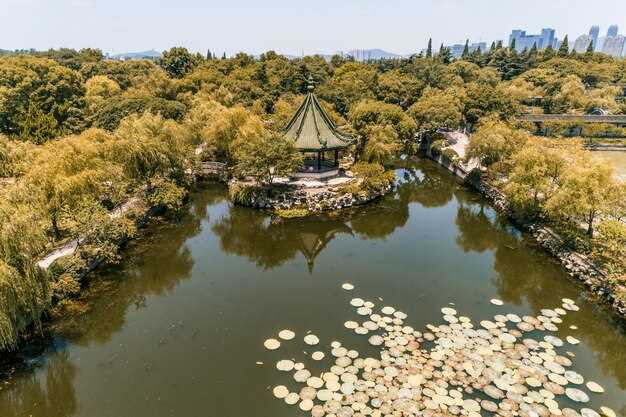
Tibet, a land of breathtaking beauty and profound spirituality, stands as one of the most intriguing destinations for travelers in 2025. Nestled on the Tibetan Plateau, the region offers majestic landscapes that captivate the heart, from the serene waters of Namtso Lake to the towering peaks of Mount Kailash. As tourists plan their trips, understanding the unique characteristics of this region and its rich cultural heritage becomes essential. A visit to Tibet not only includes majestic scenery but also provides an authentic glimpse into the lives of local communities, where traditions have been preserved for centuries.
When considering a trip to this remarkable region, it’s crucial to be aware of the regulations that visitors must follow. Staying in licensed hotels and tibet-owned lodgings is not only recommended but mandatory. Each part of your journey should be planned with attention to detail, especially regarding the routes taken and the preparation needed for extreme weather conditions. Before embarking on your adventure, you should account for necessities like medication and ample clothing, including a warm jacket for the chilly nights. As you explore, remember to leave the hustle of urban life behind and immerse yourself in the tranquility that Tibet has to offer.
For first-time travelers, navigating the myriad of options available might seem overwhelming. However, making airline reservations and planning your route ahead of time will ensure a smooth arrival. Whether you’re taking a walking tour in the historical town of Gyantse or enjoying a cup of coffee with locals in Lhasa, every moment spent in Tibet will be worth it. The diverse nationalities of tourists visiting this sacred land often come together to share their experiences, forging connections that transcend borders. As you embark on this incredible journey, remember to take the time to appreciate the extraordinary beauty that surrounds you and the vibrant cultures that make Tibet so unique.
Planning Your Trip to Tibet
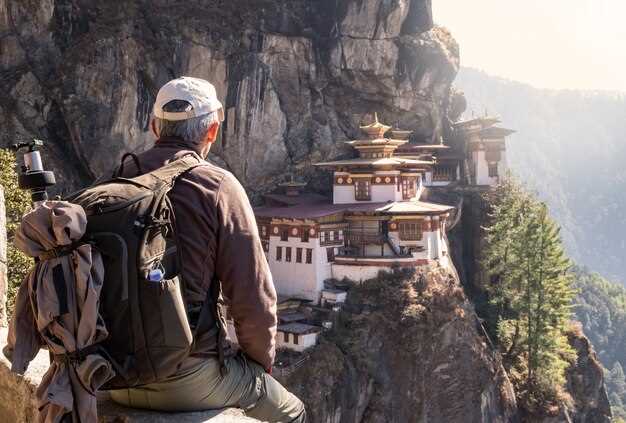
When planning your trip to Tibet, an organized itinerary is essential. Tourists are required to obtain specific permits, which can be facilitated through a licensed tour operator. Your application for tickets and permits should be submitted well in advance, ideally a few months before your planned departure. Consideration should be given to local holidays when scheduling your visit, as they can affect availability and prices. Be sure to check with the nearest embassy for any travel advisories related to China and Tibet.
Staying comfortable during your journey is paramount, so it’s wise to prepare appropriate clothing. The weather can change significantly, and warm layers are recommended, especially if you’re visiting high-altitude areas like Namtso Lake. Travelers may only have three weeks to explore, so you will want to maximize your experience by including visits to famous monasteries and enjoying breathtaking landscapes. Additionally, having cash on hand is essential, as many local businesses do not accept credit cards.
While exploring Tibetan culture, you may encounter friendly locals who will likely appreciate any small gifts you bring. Engaging with the Tibetans is a rewarding experience, and they’ll often share their heritage and traditions if you take the time to talk. For those interested in the arts, consider purchasing thangka paintings or other locally made products as souvenirs. Your support helps sustain Tibetan-owned businesses and the economy.
Lastly, familiarize yourself with the facilities available during your travels. Toilets in remote areas may not be as comfortable as those found in hotels, so prepare accordingly. Pilgrims often camp, and if you’re planning to trek, ensure your operator provides adequate accommodation options. Doing thorough research will lead to a relaxed trip, allowing you to fully enjoy the majestic landscapes and rich culture of Tibet.
Best Time to Visit Tibet
The ideal time to visit Tibet largely depends on the experiences travelers wish to have. Generally, the months from April to October are considered the most favorable due to milder weather and clearer skies. This period allows you to fully appreciate Tibet’s majestic landscapes and rich culture. Additionally, it is easier to access the various temples and heritage sites without dealing with significant snowfall or road closures, which are common in winter months.
Travelers should be particularly aware of festival dates when planning their itineraries. Important festivals such as the Tibetan New Year (Losar) in February or the Saga Dawa Festival in May offer unique insights into local customs and traditions. While these times may draw more crowds, participating in these festivities allows visitors to immerse themselves in the local culture. It’s advisable to book accommodation and tickets well in advance, as demand spikes during these periods.
In addition to weather considerations, understanding regional variations is key. For instance, Kham and Amdo, located in eastern Tibet, experience different climatic conditions than Lhasa. The summer months can be particularly favorable for trekking in these regions. Travelers can enjoy stunning views of rivers and mountains, but should remain flexible with their plans to accommodate any unexpected weather changes. Agencies often provide basecamp support for trekkers, enhancing safety and accessibility.
Overseas travelers should note the need for visas and the restrictions that may apply. It’s essential to keep updated on the latest travel advisories as regulations can change. Having the correct documents facilitates a smoother experience, especially when navigating through various regions and interacting with local drivers. Additionally, those who intend to meditate or spend time in spiritual sites should approach these spaces with respect and awareness of local customs.
| Month | Weather | Best Activities | Festivaly |
|---|---|---|---|
| Leden – březen | Cold, snowy | Indoor visits, meditation | Losar (Tibetan New Year) |
| Duben – červen | Moderate, blooming | Trekking, sightseeing | Saga Dawa Festival |
| Červenec – září | Rainy, cool | Trekking, cultural tours | Žádné. |
| Říjen – prosinec | Cold, clear | Meditation, photography | Žádné. |
Visa Requirements and Travel Permits
Traveling to Tibet, especially for overseas tourists, requires careful planning regarding visa requirements and necessary permits. Firstly, a standard Chinese visa is mandatory, which can be secured through an application at your nearest embassy or consulate. To enter Tibet, tourists must also obtain a Tibet Travel Permit, which can only be arranged through a registered travel agent. This process is particularly important for those planning to explore regions like Gyantse or the border areas with Qinghai, where specific travel permits are necessary.
Each individual traveler should also be aware that certain regions in Tibet require additional permits for independent travel. While group tours often include the required documentation, independent tourists must ensure they have arranged all permits in advance. It is important to keep in mind that the regulations may change, so staying updated on the latest requirements is essential. Tourists should also factor in acclimatization needs, as high-altitude regions can pose health risks. Here, locals can provide invaluable information about cultural practices, and travelers should be respectful, avoiding intrusive behavior like using cameras in sacred areas.
When planning your trip, it’s advisable to book tours well in advance, especially during peak travel months like March. Always discuss your itinerary with your tour guide to maintain an authentic experience while ensuring all legal needs are covered. Therefore, before your adventure, make sure to have essential medications, sunscreen, and additional battery packs for devices as power supply may be inconsistent. By preparing adequately, tourists can enjoy the majestic landscapes and rich culture of Tibet without concerns about legalities.
How to Get to Tibet
Traveling to Tibet requires careful planning and an understanding of various routes available to tourists. Most people begin their journey from major cities in China, such as Beijing, Chengdu, or Xining. From there, flights are available to Lhasa, the capital of Tibet. Tourists should book their tickets early, especially during peak seasons like March to October, when lots of travelers visit this stunning region.
Another important aspect to consider is the need for a Travel Permit, which is mandatory for entering Tibet. This permit can be obtained through a travel agency, and it’s best to leave this task to professionals who will serve you well in navigating the requirements. It’s crucial to respect the regulations put forth by the Chinese government, making sure to arrange your trip through an official tour operator.
For those choosing land routes, the journey via the Qinghai-Tibet Railway or from nearby communities like Gyantse can be a memorable experience. The train ride showcases breathtaking landscapes, moving from green fields to the cold-weather altitude of Tibet. However, travelers need to be aware of potential altitude illness. Bringing along appropriate medications and allowing time for acclimatization is vital to minimizing discomfort during your visit.
Once in Tibet, embrace the rich culture by visiting the Potala Palace or engaging in prayer sessions at local altars, where monks may be seen creating intricate thangka artworks. Remember to dress appropriately for the weather, wear sturdy shoes, and carry cash, as some regions do not accept cards. Respect towards local customs and communities will enhance your experience and help you connect with the people of Tibet in a polite and sincere manner.
Creating an Itinerary for Your Stay
When planning your visit to Tibet, creating a well-structured itinerary is essential to ensure you make the most of your time. Most travelers suggest starting with a week-long schedule, with varied activities that embrace both the majestic landscapes and rich culture. Commonly, first-time tourists overlook the importance of balancing adventure and relaxation. After all, you want to soak in the beautiful views without feeling rushed. It’s advisable to choose a few key locations to visit each day, taking into account the potential extreme weather conditions. Be aware that the voltage in Tibet can fluctuate, and it’s wise to bring along adaptors for your essential electronics and cameras.
Your itinerary can include visits to holy sites, such as the Potala Palace and Jokhang Temple, where you’ll witness mesmerizing rituals and local festivals. Depending on the time of year, you might experience major celebrations, and planning in advance can enhance your encounter with cultural events. Festivals in Tibet are splendid opportunities for tourists to engage with the local community and enjoy unique culinary experiences, from traditional meals to lively street foods that reflect the region’s heritage. It’s also important to note that during peak seasons, accommodations fill quickly–consider booking three-star hotels or guesthouses to serve your needs.
For a driving itinerary, account for the distances between attractions, as some roads in Tibet can be challenging to navigate. Use high-quality maps or GPS applications that function offline to assist with your journey. You might want to allocate time for unexpected stops along the way; taking the scenic route usually reveals breathtaking landscapes, which can make for excellent videos! Additionally, pack warm gloves and comfortable shoes for trekking, as certain areas require some physical effort to explore the magnificent surroundings.
As you finalize your itinerary, consult various travel blogs and forums for recommendations from fellow travelers. By engaging with online communities, you can gather firsthand experiences that might influence your choices. This is particularly helpful if you’re planning to visit during particularly busy periods or local festivals. Ultimately, your itinerary should not only include destinations but also incorporate moments of pause, allowing you to fully seize the spirit of Tibet. Embrace the culture, the history, and the people you meet along the way, for they are the heartbeats of this mystical land.