


 Čeština
  English (UK)
  Русский
  বাংলা
বাংলা  العربية
  日本語
日本語  한국어
한국어  Magyar
  Norsk nynorsk
  Türkçe
  עִבְרִית
  Español
  Svenska
  Português
  Ελληνικά
  Suomi
Suomi  Nederlands
  Română
  Italiano
  Français
  Polski
  Українська
  Deutsch
  简体中文
简体中文  Slovenčina
  Српски језик
  اردو
اردو  Azərbaycan dili
  O‘zbekcha
  አማርኛ
አማርኛ 
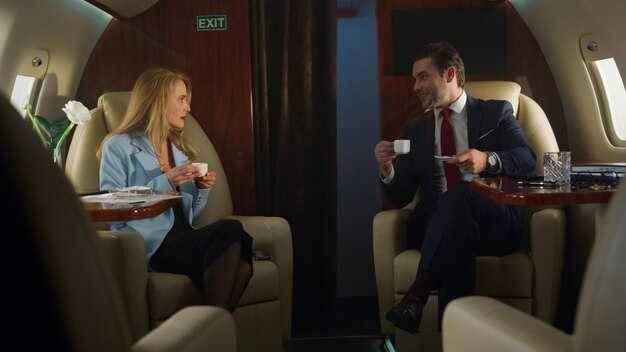
There is one upgrade that decisively improves every leg of a business-class flight: a lie-flat seat with direct front cabin access, letting you sleep and work without interruption. Found in many long-haul airliner cabins, this setup lets you stretch out, adjust lighting, and arrive ready to take on meetings, whether the trip is one-way or round-trip.
Three concrete steps to maximize impact start with the seat: pick a front or near-front seat with direct access and solid pitch for a true lie-flat bed; verify that the mattress and seat controls allow a true 180-degree recline; and confirm window or aisle preference to reduce disturbance during sleep. There are plenty cabin options, so compare seat maps and select a configuration that suits your work tempo and rest pattern.
In-flight service plays a key role in sustaining energy. The best programs offer a triple sequence: a pre-departure drink, a main course with regional choices, and a dessert or cheese plate that pairs with a longer rest. A dedicated crew member is assigned to your row, and the experience can be seamlessly integrated from boarding to pillow refresh and back to sleep.
Maximize value with smart credit-card and miles strategies. Use a premium card that earns miles on everyday spend, plus welcome bonuses that cover a round-trip or several one-way segments. In a typical year, you can accrue thousands of miles and redeem them for comfortable upgrades or lounge access. If an immediate upgrade isn’t available, consider an alternate routing within the same alliance to keep you in the front cabin. There are plenty of ways to stack miles across partners, so review the terms before booking. On arrival, a taxi ride can shorten the post-flight routine and help you get to your next meeting with less friction.
theres a simple truth: the seat you choose drives rest and clarity more than any extra service. There is one more practical angle: lower cabin noise and stable climate contribute to better sleep quality. Look for seats with a quiet air system, adjustable lighting, and a dedicated pillow kit, found in many premium cabins. By prioritizing the seat that promises a full sleep cycle, you gain more usable hours, more productive talking with colleagues, and a sharper start on your year.
Business Class Flying: A Practical Guide to Upgrading Your Experience

Choose seats with direct-aisle access in the front cabin to simplify work and rest. Then you gain quick access to storage near your row, keeping a laptop, headphones, and a water bottle within reach, while courtesy from the crew reduces interruptions. Many travelers found this arrangement reduces fatigue on long flights, and the setup feels ever more practical for frequent travelers.
Plan meals in advance: pick a beef dish or vegetables option, and note any dietary needs. If you want variety, an alternate snack can complement a preferred beverage. Snack ahead of time to align with service and maintain energy on long hauls, and be sure to share any allergies with the crew.
Onboard, optimize the workspace: use the seat’s provided storage for cables and a small organizer, and plug in when available. In the business section, on south routes, crews keep a steady service cadence, allowing you to watch the view from their window between tasks, and you can stay an eager passenger who communicates clearly about needs. This approach helps passengers focus, and the style of service remains calm and attentive. then stay flexible about the plan.
At the airport and during boarding, arrive early to claim a preferred row and minimize hallway congestion. If canceling a connection becomes necessary, ask the desk to arrange an alternate routing and confirm new seats at check-in; keeping the process smooth helps passengers, crew, and you, and gives you more breathing room for a snack or a quick nap. If you’re gonna travel on a tight schedule, this cushion matters.
heres a quick checklist to compare options before you fly.
| Aspekt | Doporučení |
|---|---|
| Sedadlo a prostor | Direct-aisle front-cabin seats; keep a small bag in seat storage; use overhead storage for larger items. |
| Meal planning | Beef or vegetables can be chosen in advance; if you want variety, use an alternate snack and a beverage pairing. |
| Pracovní prostor | Seat’s provided storage, power, and a compact desk enable focused work; place essentials within reach. |
| Service cadence | Service style remains courteous; expect regular beverage rounds and light snacks, especially on southbound routes. |
| Palubní etiketa | Respect crew and fellow passengers, watch the view when you need a break, and communicate clearly about needs. |
Personalized Seat Comfort and Privacy Controls
Recommended: enable the privacy divider, pull the window shade to your preferred level, and set climate and airflow to a comfortable tone. Use the hand control button to tune lumbar support, cushion firmness, and seat tilt until you feel the back fully supported and the legs relaxed. Start with a moderate recline and a lower leg rest, then adjust towards a posture that keeps shoulders loose and the spine in alignment. Years of premium travel show this small setup yields a bigger difference in fatigue during long flights.
SkyTeam cabins often give a dedicated control panel for personalization. The difference between a rushed, late arrival and a calm, rested ride comes down to fine-tuning: massage speeds, surface firmness, lighting warmth, and shade position. Favorite combinations vary, but many find a medium massage speed with medium cushion firmness plus a warm seat temperature works well for most overnight departures. Getting to that mix is as simple as cycling through options with the button, then sticking with what keeps you alert enough to watch a movie or catch up on work without distraction.
Beyond comfort, privacy controls support focus and courtesy toward neighboring passengers. Use the panel to set a gentle privacy screen during work blocks or when you need to rest, and choose lighting that reduces glare while you watch or read. Late-night flights benefit from a dimmer environment and a cooler airflow, while daytime settings can lean warmer and lighter to sustain energy. The result is a smoother tempo of passing hours, a calmer heart, and a noticeable improvement in personal space without compromising service.
- Seat position and support: tailor lumbar firmness, thigh support, and the tilt to create a natural spine angle; aim for a position between 90° and 110° hip angle for comfort across longer segments.
- Privacy and boundaries: toggle the window shade and privacy panel so you’re not catching the line of sight of neighbors during work or rest; keep the middle aisle clear for courtesy and easy access to the service cart.
- Lighting and climate: switch between focused work lighting and soft ambience; adjust seat temperature and airflow speeds to stay comfortable without feeling overheated or dry.
- Entertainment and care routine: keep your favorite skincare items handy for a quick refresh during breaks; a short wipe or moisturizer can boost skin feel, especially on late flights.
Tailored Amenity Kits by Route and Time of Day
Open a route- and time-based amenity kit that matches your flight profile: the morning international option delivers excellent comfort with water, cream, and a white mask, plus a compact toothbrush.
Clarification: a kit tuned to the route and time of day reduces fatigue for passengers and keeps the cabin experience consistent across legs. Expect items to be refreshed every miles of travel and to arrive within minutes of seating.
-
Morning, international
- 500 ml water bottle
- White eye mask
- Cream sachet (5 ml)
- Toothbrush and toothpaste
- Hand sanitiser
- Balzám na rty
- Wi‑fi access code for 60 minutes
- Špunty do uší
-
Southbound daytime
- 350 ml water bottle
- Hydration spray
- Lip balm and light moisturiser
- Mask and spare socks
- Shared headphones or personal audio option
- Express refresh wipe pack
- Mint gum
- Wi‑fi quick access card
-
Overnight, long-haul
- Warm socks
- White eye mask
- Hand cream
- Balzám na rty
- Špunty do uší
- Herbal tea sachet and small bottle of water
- Quiet-time reading card for light entertainment
-
Short domestic hops
- 250 ml water bottle
- Mask and hand sanitiser
- Gum and compact lip balm
- Toothbrush and toothpaste
- Wi‑fi pass or code for quick access
Passengers appreciate how these route- and time-specific selections open up a smoother interior experience, which began with a simple choice at boarding. The approach feels particularly thoughtful on international mornings and on southbound legs, where a quick refresh can save many minutes of fatigue and boost impression of care. By keeping essentials–water, cream, mask, and wi‑fi–near at hand, cabins become a shared space that feels well planned rather than random.
Gourmet Dining Flexibility: Menu, Timing, and Service Style
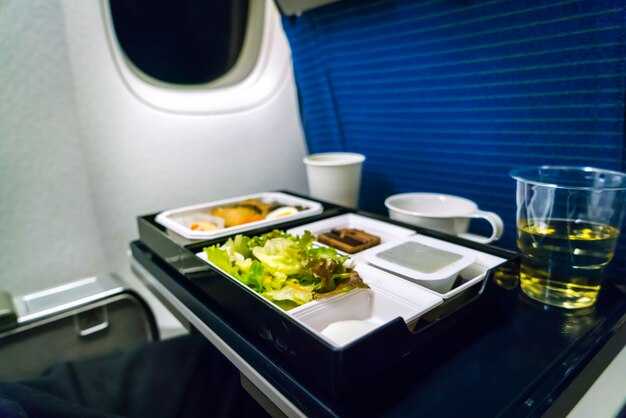
Begin dining 60 minutes after takeoff and allow a 75–90 minute window for the full sequence, with optional extension on select legs. This feature puts the passenger in control, from the moment the meal concept arrives in the front galley to the moment the dessert is cleared in the back. It’s a simple change that makes business class feel more personal and aligned with the airline’s guest-first promise.
Menu design centers on seasonal options, with a three-course path and a dessert. The starter, main, and dessert can be swapped, and thick artisanal bread is rolled out with a balm-like palate cleanser between courses. Guests can mark their favorite dishes on the in-flight card or via the ticket app, enabling last-minute changes if timing allows. The goal is to cover common cravings while honoring dietary needs, from vegan to gluten-free and religious options.
Service style blends an option-led approach with a chef-guided cadence. On-demand dining lets someone request courses as soon as they’re ready, while a pre-set cadence keeps the dining stage neat. given the cabin’s constraints, crews synchronize to a front-to-back rhythm, so guests don’t feel rushed or left waiting. The result is a better mood and a calmer sitting experience, with fewer cons when compared to rigid timetables and crowded aisles. The thin line between efficiency and indulgence is maintained by trained officers who read these airs of refinement as cues for pace and hospitality.
For skyteam-partner flights, menus align across partners, smoothing transfer meals on one-way connections and interline itineraries. These things are located in shared kitchen hubs and tested over years of refinement, ensuring consistency regardless of origin airport. Considering regional specialties, the airline offers local flavors in a clearly defined framework, with allergen labeling and clear dietary notes so the cover never leaves a guest hungry. The aim remains to provide a personal, memorable dining moment that feels like home in the air.
Adding these touches puts the heart of business class dining at the center of the experience, turning a flight into more than transport. It raises the passenger’s favorite memory and covers the many preferences that travelers bring on a trip, whether for business or leisure.
On-Demand Comfort Aids: Sleep, Lighting, and Turndown
heres a proven starter: trigger on-demand turndown, dim the cabin lights, lay out a thick blanket, and cue your sleep playlist on headphones to begin sleeping deeply as you transition between activities.
Adjustable lighting zones separate wakefulness from rest: warm, low-level night light near the bed supports turndown, while a cooler tone helps morning routines. A breathable eye mask, a neck pillow, and a properly fitted duvet drive sleeping depth without waking you when the cabin shifts. If you notice graff on panel edges, stay calm–the lighting remains controllable and reachable for you, keeping unreachable noises at bay between events. In busy cabins, these controls stay simple and predictable, so you can relax quickly.
During turndown, the attendant neatly folds the duvet, fluffs pillows, and places a fresh blanket within easy reach. Courtesy remains key: a quick, friendly check-in and a silent wake-up option lets you control the morning without disruption. If morning arrives early, you can request a gentle chime and a light snack, with vegetables offered as a gentle, digestible option. If you found the setup not to your taste, tell the crew to reposition cushions.
Tell the crew your dont list in advance: dont disturb during rest, dont push water, dont expect a full meal; instead, request a calm environment, express your preferences, and let the cabin adapt. Between sleeps, pair the experience with a personal timer: set warm lighting for a period, then fade to darkness; use noise-cancelling headphones or a quiet playlist to support deep breathing and eventual sleep. If you know your ideal wake time, share it so staff can align the tap and chime accordingly. This setup is especially helpful in the business cabin when schedules are tight and mornings demand focus.
In the entire cabin, on-demand comfort aids provide a picture of rest that supports you from sleeping to morning prep. This cadence is exactly what business cabins need, which makes rest feel natural and keeps you productive after landing. By aligning lighting, turndown, and sleep-providing touches with your rhythm, you arrive refreshed and ready to engage with the day.
Priority Service and Easy Cabin Access: Elevating Crew Contact
Install a door-mounted call panel with a single press that instantly notifies the crew via a private channel and displays a discreet status light. This approach can cut response times to under 90 seconds for things needing attention and improves access by eliminating unnecessary wandering.
collins shows that a compact, intuitive view of active calls on a wall display near the galley helps a crew respond faster. there is known benefit when signals are clearly labeled and linked to the near door.
Features to implement include a door-side beacon with a visible status ring, proximity-activated light cues, and a sommelier-style snack trolley that can be summoned with one tap. The system locates the nearest crew member and routes the request, so there is a smooth, intuitive flow that makes service pretty effortless and reduces back-and-forth; this feature does more than speed–it’s a calmer experience for guests.
Best practice specifies terms for response targets (for example, under 2 minutes on peak flights), and trains teams that are eager to help. never assume passenger satisfaction; collect witnessed feedback and adjust the setup accordingly.
Flights that trial this approach witnessed lower friction during peak service and a higher perceived value from premium customers. because contact is quicker, crews can make bigger moments, hear passenger cues sooner, and locate opportunities to surprise and delight. you’re gonna see faster results and a clearer view of service flow, with access located where it’s easiest for crew and guests alike, collins-style collaboration becoming the norm.