


 Čeština
  English (UK)
  Русский
  বাংলা
বাংলা  العربية
  日本語
日本語  한국어
한국어  Magyar
  Norsk nynorsk
  Türkçe
  עִבְרִית
  Español
  Svenska
  Português
  Ελληνικά
  Suomi
Suomi  Nederlands
  Română
  Italiano
  Français
  Polski
  Українська
  Deutsch
  简体中文
简体中文  Slovenčina
  Српски језик
  اردو
اردو  Azərbaycan dili
  O‘zbekcha
  አማርኛ
አማርኛ 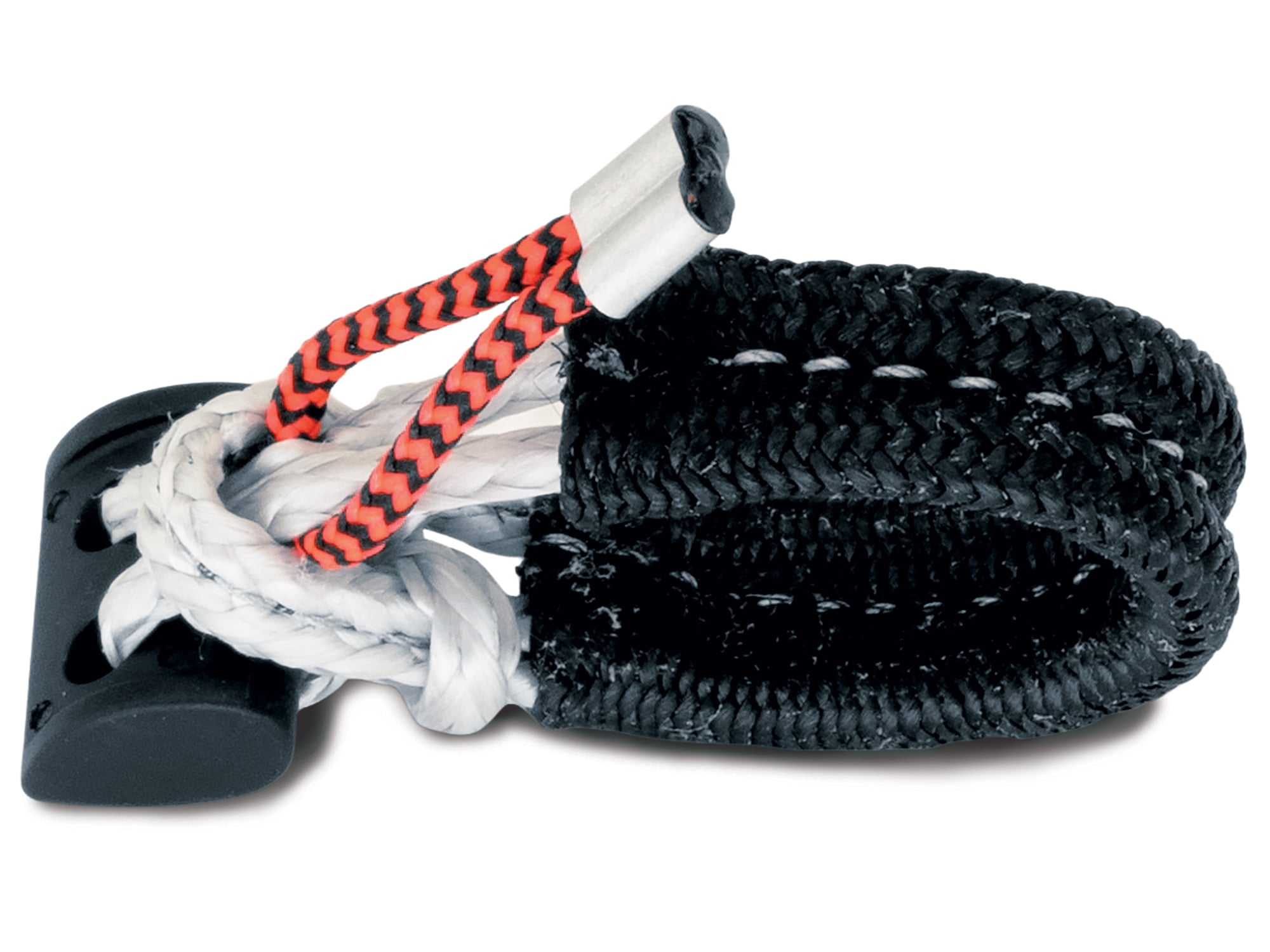 Když uzly slouží, ale moderní spoje často fungují lépe">

Practical clew logistics on board
A typical 36‑ to 40‑foot cruiser running 14 mm sheets needs at least 0.6–1.0 m of clew‑to‑fairlead clearance to avoid chafe and snagging; systems using low‑diameter HMPE lines such as Dyneema can reduce bulk and line diameter to 8–10 mm, changing block sizes and storage needs. Deck layout, sheet length (often 20–40 m on coastal cruisers) and the proximity of fairleads, winches and lifelines directly determine which connection type is feasible for charter yachts, race boats and day sails alike.
Common connection types at a glance
Connections between sheets and sail clews fall into four broad categories: uzly, hardware, textile (soft) systems and hybrids. Each has tradeoffs in strength, weight, bulk, ease of use and effect on sail handling during a jibe or tack—factors that matter for both performance sailing and charter safety.
| Type | Síla | Weight/Bulk | Ease to attach | Best for |
|---|---|---|---|---|
| Knots (luggage tag, bowline) | Moderate (knot reduces line strength) | High bulk at clew | Very easy; field‑repairable | Small boats, simple cruising |
| Hardware (snap shackles, Tylaska J‑Lock) | Velmi vysoká | Heavier; risk of floggings | Fast; single‑handable | Racers, large cruisers, halyards |
| Textile (soft shackles, pigtails) | High (depends on splice) | Very light; low profile | Requires splicing; field use possible | Asymmetric kites, low‑drag applications |
| Hybrid (spool shackles, dog bones) | Variable; often optimized | Light to medium | Moderate; intuitive | Custom solutions, charter refits |
Knots: simple, cheap, but imperfect
Knots like the luggage tag (cow hitch) or a bowline are ubiquitous across club fleets, beach cats and many cruisers because they are cheap and easy. The luggage tag is low profile and pulls close to the clew—helpful where you need to trim right up to cars or foot blocks. However, knots can reduce line strength by up to 50% and create bulky wads liable to catch on shrouds and lifelines. On busy charter decks or race crews crossing forward, that bulk can be an operational hazard.
Hardware solutions: speed and reliability
Trigger snap shackles from Tylaska, Ronstan a Wichard are standard on many race and grand‑prix boats because they are strong, quick and can be spiked open under load. The downside is extra weight and potential cosmetic or structural damage if a shackle dents a hull or a coachroof during flogging. Low‑profile options such as Tylaska J‑Lock combine strength with slimmer profiles to pass through genoa cars and reduce snagging.
Textile connections and the rise of the soft shackle
Soft shackles, made from short lengths of single‑braid HMPE, exploit the “finger trap” effect of the braid to create a compact, very strong loop. Advantages include zero water absorption, very low weight and minimal bulk—ideal for asymmetric spinnaker sheets that travel around the rig during gybes. Textile systems do require careful splicing and consideration of chafe protection (48‑plait sleeves, PU coatings), but their UV stability and lightness make them increasingly popular in both performance sailing and charter refits.
Hybrid connectors: the best of both worlds
Manufacturers such as Antal, Poslyšte, Equiplite and others produce anodized dog bones, spool shackles and clever fittings that marry small hardware with textile eyes. These hybrid systems can be elegant solutions that minimize bulk while retaining positive mechanical engagement and ease of use for crew swapping sails quickly on a charter or during regatta sail changes.
Practical checklist for choosing connections
- Match connection to boat size and sheet diameter.
- Consider how often sails will be changed—permanent luggage tags are simple but inflexible.
- Factor in deck traffic: bulky knots may be a hazard on charter boats.
- Protect soft parts from chafe with sleeves or coatings.
- Test any new solution under load before committing on a cruise or charter.
For sailors planning charters, day sails or adventure yacht parties, the choice of clew connection affects not only performance but also safety and guest experience. When booking a sailing tour or private charter, consider providers who detail their rigging approach; many premium charters advertise lightweight textile systems and modern hardware for smoother sail handling.
Highlights: the right connection saves weight, reduces bulk, and minimizes snag risks while improving sail handling—especially on yachts used in tourism and charter operations. Still, no amount of technical comparison replaces time on the water: personal experience trumps even the best reviews. On GetExperience, you book your experience from verified providers at reasonable prices. This empowers you to make the most informed decision without unnecessary expenses or disappointments. Find a wide variety of sailing tours worldwide to suit any preference and budget. Book now GetExperience.com
In summary, consider knots for simplicity on small boats, hardware for quick, strong connections on larger racers, soft textile systems when weight and low‑profile are priorities, and hybrids for tailored, elegant solutions. Whether preparing for cruise packages, adventure rafting trips for beginners, or exclusive yacht charters for events, choose connectors that match the vessel, crew and itinerary to maximize your travel experiences, museum tours with live guides, luxury adventure travel experiences and overall on‑deck safety.