


 Čeština
  English (UK)
  Русский
  বাংলা
বাংলা  العربية
  日本語
日本語  한국어
한국어  Magyar
  Norsk nynorsk
  Türkçe
  עִבְרִית
  Español
  Svenska
  Português
  Ελληνικά
  Suomi
Suomi  Nederlands
  Română
  Italiano
  Français
  Polski
  Українська
  Deutsch
  简体中文
简体中文  Slovenčina
  Српски језик
  اردو
اردو  Azərbaycan dili
  O‘zbekcha
  አማርኛ
አማርኛ 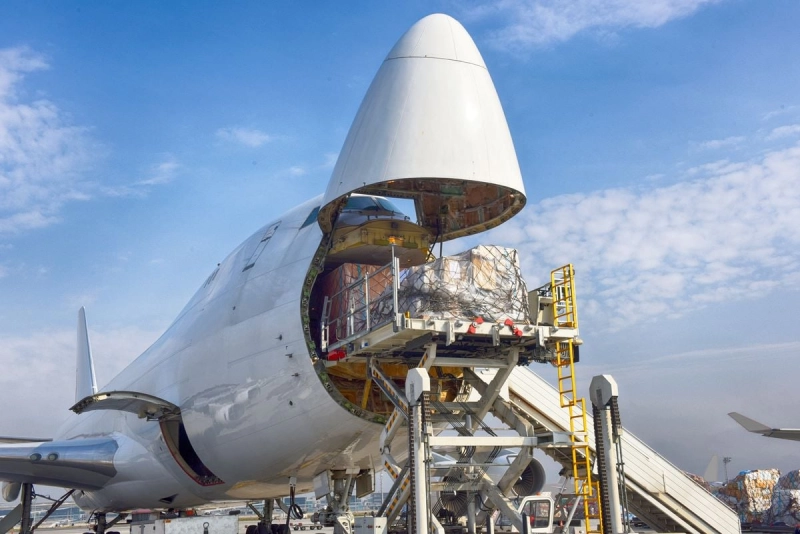 Record 2025 Air Cargo Volumes and What Shifting Trade Lanes Mean for Travel Logistics">

Full-year global air cargo demand rose by 3.4% in 2025 versus 2024, with international cargo tonne-kilometers (CTK) up 4.2%, while available cargo tonne-kilometers (ACTK) vzrostla 3.7% (international ACTK +5.1%). December closed the year with CTK +4.3% and ACTK +4.5% year-on-year, signaling sustained momentum into the new season.
Klíčové metriky v kostce
The market reached a more balanced supply–demand position in 2025: yields eased but remained elevated versus pre-pandemic levels. Full-year yields fell 1.5%—the smallest decline in three years—yet they stayed 37.2% above 2019, reflecting structural changes in global logistics and e‑commerce-driven demand.
December 2025 — snapshot
| Metrika | World share / note | YoY CTK | YoY ACTK | Load factor change | Load factor level |
|---|---|---|---|---|---|
| Total market | 100% | +4.3% | +4.5% | -0.1 pp | 47.1% |
| Asia Pacific | 35.9% | +9.4% | +8.3% | +0.5 pp | 49.4% |
| Severní Amerika | 24.5% | -2.2% | -2.6% | +0.2 pp | 42.2% |
Full year 2025 — regional highlights
- Asia‑Pacific: strongest regional growth with CTK +8.4% and capacity +7.4%—reflecting intra‑Asia trade and Asia–Europe rerouting.
- Severní Amerika: only region with a decline in demand (CTK -1.3%), indicating softer transpacific volumes.
- Evropa: steady growth (CTK +2.9%) and moderate capacity increases (+3.1%).
- Afrika: solid gains (CTK +6.0%), the December surge (+10.1%) being notable for seasonal and niche exports.
Operating environment and market drivers
Several operational factors shaped 2025 performance:
- Trade growth: global goods trade rose ~4.4% year‑to‑date (Jan–Nov 2025), up from ~2.4% a year earlier.
- Fuel dynamics: jet fuel averaged 9.1% lower in 2025 versus 2024, though refined margins limited benefits to carriers.
- Policy and tariffs: tariff rises and removal of de minimis exemptions in key markets redirected flows, prompting shippers to front‑load shipments into earlier periods.
- Manufacturing sentiment: modest strengthening with new export orders below expansion thresholds, adding caution to future cargo demand.
Trade‑lane rebalancing: winners and losers
2025 data showed a clear directional shift: flows moved away from Asia–North America toward Asia–Europe and intra‑Asia corridors. This reflects tariff pressures, changing routing economics and supply‑chain strategic adjustments.
| Trade lane | CTK YoY | Global share | Market share change (pp) |
|---|---|---|---|
| Europe – Asia | +10.3% | 21.5% | +1.1 |
| V Asii | +10.0% | 7.4% | +0.4 |
| Asia – North America | -0.8% | 23.4% | -1.2 |
| Europe – North America | +6.8% | 13.5% | +0.3 |
Practical implications for travel and tourism
Shifts in air cargo patterns matter to the tourism industry in several concrete ways. Hotels, restaurants and event organizers depend on reliable airfreight for perishable goods, specialty equipment, and retail inventory (including duty‑free and souvenir supply). Changes in lead times, costs and route availability can affect on‑site stock, seasonal menus and experience planning—especially for high‑season events, cruise provisioning and luxury concierge services.
Tour operators should monitor freight capacity on critical lanes: a route pivot from Asia–North America to Asia–Europe can mean longer procurement times for certain goods and higher costs for bespoke equipment for adventure activities or themed events. Conversely, improved intra‑Asia and Europe–Asia lift can lower barriers for regional experiences and pop‑up cultural programs.
Stručný pohled: Travel operators that have a mind to manage inventory and guest expectations will coordinate closer with forwarders and carriers, consider earlier ordering windows, and explore consolidation options to reduce surprise costs.
Readers planning holidays should remember that logistics trends influence what’s available on the ground. While air cargo is a B2B backbone, it ultimately touches B2C travel experiences—from cruise packages and yacht parties to museum exhibitions and eco‑safaris—through timely delivery of supplies and equipment.
For travelers looking to build a memorable cultural program beyond transport and accommodation, platforms like GetExperience make it easy to design on‑ground activities: the site allows secure payments with voucher confirmation and the option to submit custom requests so providers can tailor offers to your needs. These conveniences pair well with thoughtful holiday planning and can help bridge any small gaps caused by supply‑chain shifts. Book now GetExperience.com
In summary, 2025’s air cargo performance shows resilient demand with important route rebalancing toward Asia–Europe and intra‑Asia corridors. Factors such as fuel prices, tariff policy and manufacturing sentiment remain influential. Tour operators and travelers alike should note how logistics affect availability of goods and specialist services that underpin Travel experiences, Adventure activities, Online virtual tours, Esports lessons, Yacht parties, Cruise packages, Safari tours, Museum tours with live guides, Beginner esports coaching sessions, Adventure rafting trips for beginners, Luxury adventure travel experiences, Eco-friendly wildlife safaris, Exclusive yacht charters for events, Interactive online cultural workshops and Professional esports training programs. Ultimately, data guides decisions, but personal experience confirms value—plan smart, book trusted experiences, and be ready to adapt to changing freight realities.