


 Čeština
  English (UK)
  Русский
  বাংলা
বাংলা  العربية
  日本語
日本語  한국어
한국어  Magyar
  Norsk nynorsk
  Türkçe
  עִבְרִית
  Español
  Svenska
  Português
  Ελληνικά
  Suomi
Suomi  Nederlands
  Română
  Italiano
  Français
  Polski
  Українська
  Deutsch
  简体中文
简体中文  Slovenčina
  Српски језик
  اردو
اردو  Azərbaycan dili
  O‘zbekcha
  አማርኛ
አማርኛ 
The iconic St. Peter’s Basilica stands as a monumental testament to Christianità and a pilgrimage site for millions. Its history intertwines with the faith of countless individuals and reflects the evolution of art, architecture, and spirituality over centuries. This grand edificio has undergone numerous transformations since the first church was built on the site where Saint Peter, the apostle and first pope, was believed to be buried after his martyrdom. The basilica’s architecture has been influenced by the likes of Bramante and Michelangelo, whose masterful hands sculpted the stunning cupola that soars above Vatican City, offering an impression that captivates every visitor.
Understanding the history of this spiritual luogo requires delving into the significant milestones that defined its construction and renovation. From its inception in the early Christian era to its recognition as a UNESCO World Heritage site, cada aspecto of the basilica tells a story of faith, power, and artistic innovation. Important events, such as the discovery of the tomb of Saint Peter beneath the basilica, add layers of meaning and depth to this storica monument. As we explore the timeline, we’ll uncover how this sacred space has served as a place for celebrazioni and a spiritual refuge for many, enduring trials through the ages, including the horrible fires and renovations that tested its resilience.
Visitors embarking on their viaje to St. Peter’s Basilica can expect to encounter more than just a stunning architectural marvel; they can delve into a multimediale experience that enlightens them about the history and significance of this important site. The interior is adorned with remarkable artistry and historical relics that narrate the story of the Christian faith, making each visit invaluable. Nothing compares to standing within the storied muros of this grand structure, the very same that have housed centuries of prayer, reflection, and discovery. This article aims to provide a comprehensive overview, exploring the rich tapestry of events that shaped St. Peter’s Basilica and offering insights into its timeless allure.
The Construction of St. Peter’s Basilica
The construction of St. Peter’s Basilica stands as a monumental achievement in the history of architecture and faith. Starting in the early 16th century, this grand project aimed to replace the original basilica built by Emperor Constantine in the 4th century. The decision to construct a new basilica resulted from the need for a larger space to accommodate the growing number of visitors wishing to pay their respects at the site where Saint Peter, the first pope and a key figure in Christianity, was buried.
Under the guidance of renowned architect Donato Bramante, the initial plans were laid out, focusing on a central dome that would become an iconic symbol of the Renaissance period. Over the years, various architects, including Michelangelo a Carlo Maderno, contributed to the evolving design, ensuring that the basilica reflected the artistic values of the time while maintaining a connection to cristiana dědictví.
As the construction progressed, several key events marked its timeline. One notable occasion was the laying of the foundation stone in 1506, which symbolized a commitment to enhancing this důležité place of worship. Throughout the years, as the structure rose, it became evident that the basilica would serve not only as a religious site but also as a testament to the power and resilience of the cattolica Church.
The materials used were significant; for instance, the use of bronze for the magnificent baldachin, designed by Bernini, showcased the church’s wealth and artistry. The interior of the basilica features impressive mosaics and sculptures, which intertwine ancient and modern artistry. Each element tells a story–a blend of faith, power, and tradition that creates an unmistakably unique atmosphere.
Throughout its construction, the basilica faced challenges, including financial constraints and changing artistic visions. However, these hurdles did not deter progress. Instead, they prompted architects and artists to analyze their designs closely, ensuring that every detail was executed to perfection, reflecting the glory of God.
Todays’ visitors can embark on a captivating itinerář through the basilica, exploring the grandes interiors that host not only daily worship but also significant oslavy such as Easter and Christmas masses. The blend of arte and spirituality found within its walls continues to inspire curiosità and devotion, drawing millions of pilgrims and tourists alike.
As part of our cultural heritage, St. Peter’s Basilica is recognized as a UNESCO World Heritage site. Its design, historical significance, and role in papales celebrations solidify its importance in both religious and global contexts. For anyone wishing to understand the storia behind this architectural wonder, a visit captures the essence of faith, artistry, and history intertwined in a way that is truly remarkable.
Origins of the First Basilica
The origins of the first St. Peter’s Basilica date back to the early Christian era and are intertwined with the legacy of the apostle Peter. According to historical documents, after his martyrdom around 64 AD, Peter was buried in a necropolis located at the Vatican Hill. This burial site became a focal point for early Christians, who sought a place for worship and commemoration of their patron. Thus, the first basilica was constructed over his tomb in the 4th century under Emperor Constantine, establishing a significant point of spiritualità for the burgeoning Christian community.
The construction of the original basilica was a monumental effort that reflected not only the faith of the people but also the power of the Roman Empire. The project aimed to provide seguridad for the growing population of Christian worshippers who faced persecution. The site was strategically chosen, being both a burial site and a location where many could gather, allowing a largo space for worship and ceremonies. Here, the early Christians could celebrate their faith openly, contrary to the conditions they faced elsewhere.
As the centuries progressed, the church evolved both architecturally and artistically. The interior of the basilica became adorned with elaborate obras and mosaics created by talented artistas of the time. These works not only enhanced the aesthetic appeal of the basilica but also served as visual storytelling that depicted key events in Christian history, thus embodying the storica value of the site. Each artwork contributed to the overall spiritual experience of visitors, becoming an integral part of the sacred atmosphere.
In the 15th century, the decision was made to replace the old structure with a new, grander basilica. This decision marked the beginning of a transformation that was both a physical and spiritual journey for the Catholic community. The new design made use of Renaissance principles, blending classical architecture with the spiritual ethos of the basilica. Artists such as Michelangelo, who became heavily involved in the project, created masterpieces that would define the new St. Peter’s Basilica.
Despite its grandeur, the construction faced many challenges, including funding issues and political instability. However, through remarkable determination and community efforts, the new structure became a symbol of faith and resilience. The momentous açtion culminated in its consecration in 1626, which was celebrated with great pomp. Now, St. Peter’s Basilica stands not only as a place of worship but also as an important historical and cultural icon recognized by UNESCO.
Today, visitors are invited to scoprine the rich history of the basilica through guided multimediale tours, allowing them to experience the intricate details of the architecture and art. Whether you are drawn by the spiritual significance or the impressive stature of this great obra, St. Peter’s Basilica remains a vital point of reference for both the Catholic faith and the historical narrative of Christianity. This is a place where one can feel the legacy of the past while witnessing the living faith of millions.
Architectural Influence and Design Choices
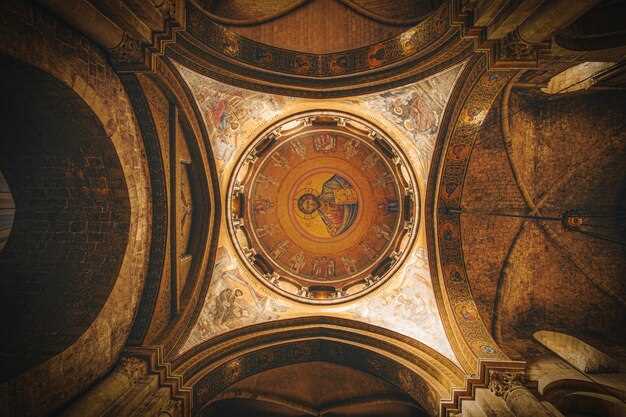
The architectural design of St. Peter’s Basilica is a testament to the values and aspirations of the Catholic Church during the Renaissance. The basilica was constructed over the tomb of Saint Peter, an apostle of Jesus and the first pope, making it a crucial site for Christian pilgrims. The integration of classical Roman architectural elements, such as the grandiose dome designed by Michelangelo, was essential in conveying the spiritual significance of the site. The dome itself is not merely an aesthetic choice; it serves as a powerful symbol of the heavens and the divine, inviting visitors to enter into a transcendent experience. This unique blend of artistic ambition and religious devotion marks the basilica as an indispensable element in the landscape of Vatican City.
In addition to its monumental scale and intricate details, the design choices reflect the cultural and spiritual legacy of Christianity. The layout of the basilica, reminiscent of an emblematic Christian cross, aligns visitors on an itinerary that guides them through sacred spaces. The grand plaza in front of the basilica, designed by Gian Lorenzo Bernini, further emphasizes the basilica’s role as a central point of pilgrimage in Rome. By constructing such an imposing structure, the architects and artists of the time sought to create a visual narrative that captured the essence of faith and power, solidifying the basilica’s status as a cornerstone of the Christian world. This synthesis of architecture and faith continues to resonate, ensuring that St. Peter’s Basilica remains a place of spiritual significance and cultural heritage for generations to come.
Major Phases of Construction
The history of St. Peter’s Basilica is marked by a series of significant construction phases that reflect both the evolving architectural trends and the spiritual aspirations of the Christian faith. The first phase began in 324 AD, commissioned by Emperor Constantine, transforming the original necropolis, the burial site of Saint Peter, into a grand basilica. This early structure embodied the nascent Christian identity, inviting countless pilgrims to enter its sacred space.
In the 15th century, the need for a grander structure prompted the beginning of what is widely known as the Renaissance phase. Under the guidance of architect Bramante, groundbreaking work commenced in 1506, aiming to create a basilica that would be a visual representation of the power and glory of the Catholic Church. This ambitious project involved meticulous planning, including the design of a central dome that would dominate the skyline of Vatican City.
After Bramante’s death, various architects, including Michelangelo a Bernini, contributed to the ongoing work. Michelangelo introduced significant innovations, refining the dome’s structure and enhancing its grandeur with profound artistic detail. His influence ensured that the basilica would not only be an architectural marvel but also a testament to the height of Renaissance art, leaving an impression on visitors that endures to this day.
Despite the progress, the construction of St. Peter’s Basilica encountered various delays due to financial constraints and changing artistic visions. Notably, Pope Julius II faced challenges in securing adequate funding, which often led to pauses in the work. However, the commitment to completing the basilica remained strong, reflecting the deep-rooted spiritualità of the Catholic faith and its communities across Europe.
By the 17th century, the basilica was nearing completion. Under Bernini’s direction, architectural elements were further refined, and the grand piazza was designed to welcome pilgrims and visitors. The impressive colonnade that now encircles the entrance began to take shape, symbolizing the Church’s embrace of the faithful. This final phase not only solidified the basilica’s monumental status but also intermeshed art and architecture in a way that appealed to the spirituality of the era.
During the final touches, numerous decorative elements were added, including the iconic baldachin over the main altar, crafted from precious bronze. This opulent feature serves as a focal point, drawing the eye upward towards the dome, which, at its peak, is ornamented with a golden cross. These details not only provide aesthetic value but also reflect the Church’s authority and the grandeur of the divine.
Today, St. Peter’s Basilica stands as a vital symbol of Christianity and an essential destination for pilgrims. Its construction phases, steeped in history and artistic achievement, provide a glimpse into the cultural and spiritual journey of the Catholic Church. It is a place where the grandeur of human achievement meets the quest for divine understanding, embodying a unique blend of artistry and spirituality.
For those who wish to explore this monumental site, a visit to the basilica is a journey through the layers of history, where every stone tells a story. Whether you are drawn by the art, architecture, or the deep sense of spirituality, St. Peter’s Basilica remains a timeless destination that invites all to reflect on the intertwining of faith and human endeavor.
Innovations in Building Techniques
During the construction of St. Peter’s Basilica, several innovations in building techniques were employed, allowing the project to push the boundaries of architectural possibilities. Notable figures such as Bramante and Bernini were instrumental in this endeavor, utilizing advanced methods that entremesclan traditional craftsmanship with emerging Renaissance principles. The application of new materials and engineering techniques enabled the creation of vast interior spaces and enormous domes, exemplified by the majestic dome itself, which remains one of the largest in the world. This approach not only ensured the structural integrity of the building but also enhanced the aesthetic appeal, making the basilica a vital element of Christianità.
Thanks to these innovations, the construction process became significantly more efficient, reducing the time taken to complete the obra. For instance, the use of wooden scaffolding and innovative brick-laying techniques made it possible to build upward without compromising stability. Este edificio, standing as a trophy of the Roman Catholic faith, continues to draw visitors from around the globe, who explore its rich history and the spiritualità it represents. The evolution of building methods employed in St. Peter’s is not just a chapter in the storia of architecture but a remarkable testimony to human ingenuity over the years, reflecting the ambition and artistic vision of its creators.