


 Čeština
  English (UK)
  Русский
  বাংলা
বাংলা  العربية
  日本語
日本語  한국어
한국어  Magyar
  Norsk nynorsk
  Türkçe
  עִבְרִית
  Español
  Svenska
  Português
  Ελληνικά
  Suomi
Suomi  Nederlands
  Română
  Italiano
  Français
  Polski
  Українська
  Deutsch
  简体中文
简体中文  Slovenčina
  Српски језик
  اردو
اردو  Azərbaycan dili
  O‘zbekcha
  አማርኛ
አማርኛ 
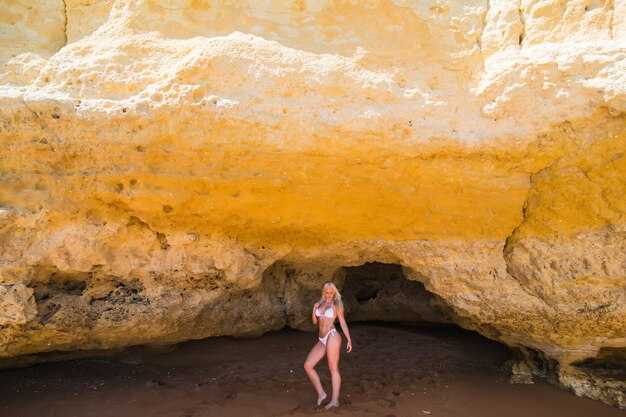
Visit girona and its hidden coves first–this is the finest way to begin exploring Spain’s quieter corners. The coastline around the Costa Brava features white walls and blue doors, and visiting these places in May pairs flowering patios with crisp sea air. As you stroll the medieval lanes, you can map a route from the city to quaint fishing harbors, and many beaches discovered by locals long before travel guides arrived. times change, but the charm here stays constant.
Second, head to Cabo de Gata-Níjar Natural Park in Almería for an exquisite coastline that stays lively without crowds. The volcanic beaches, outstanding for snorkeling and surfing around la Isleta del Moro, feel like a feast for the senses rather than a hurry-through stop. Stay in small villages tied to the sea, where fresh seafood arrives daily and the sunsets over the horizon turn the sand to gold. If you’re visiting in spring or fall, you’ll experience milder temps and clearer views at coastal viewpoints. The coast reveals its secrets to those who slow themselves.
Next, Albarracín in Teruel province offers an exquisitely preserved medieval town that anchors the trip with a sense of last century craft. Walk the pink-toned walls; the skyline glows against the surrounding fields, and the town’s narrow streets feel like a living postcard. In the old quarter, you’ll glimpse a small santa chapel whose quiet interior invites reflection after lunch. The nearby rivers offer hiking routes; the cuisine features hearty roast lamb and smoked cheeses from the mountains. Certainly, this is a place where you can slow down and absorb the scenery, step by step.
Fourth, explore Ribeira Sacra in Galicia, a river-focused wine country where terraced vineyards cling to canyons and monasteries peek from the hillside. Take a boat along the Sil and Miño valleys, then sample the wines at a small bodega; the experience feels intimate, rural, and exquisitely quiet. The region’s star sights reveal themselves slowly, view after view, as you move from viewpoint to viewpoint while the river keeps a steady rhythm. For a per capita food experience, seek small riverside taverns that pour organic wines and seasonal plates.
Finally, chase garganta de los Infiernos in La Vera, Extremadura, a dramatic canyon carved by spring torrents. The path winds through pine and cedar, with viewpoints that open onto the jagged gorge. Hiking runs range from easy loops to longer climbs, and you can cool off in a spring-fed pool at mid-route. In late spring or early autumn, you’ll enjoy softer light and thinner crowds, making this finale feel like a well-kept secret.
Practical outline for planning visits to Spain’s underrated destinations
Start your planning with cantabria as a base for a north-focused loop, then include cadiz, tarifa, and murcia, with vera along the coast in autumn. This approach keeps every day efficient, lets you marvelling at diverse regions, and invites you to imagine longer stays to deepen your experience.
Define your aims: youve seeking a mix of nature, sand, quaint small towns, and local culture. Map a route that covers regions with 60-120 minute drives between bases, and line up guides for every interest. Originally, you may think to stay in one big block, but keeping stays in two to four bases prevents fatigue and makes every day feel fresh.
Season timing: autumn offers mild coast days and fewer crowds. Imagine mornings on the sand, afternoons exploring quaint inland villages, and every chance to feast on fresh seafood. If you like parties, pick cantabria’s coastal towns or cadiz’s areas that host autumn fiestas near the shore.
Sample 7-day outline: Day 1–2 cantabria: Santander promenade, Altamira Caves, and a hike along the north coast. Day 3–4 around tarifa and cadiz: wind sports, old town stroll, and a seaside feast near the beach. Day 5 vera: dunes and calm coves, with a short walk to nearby hills. Day 6–7 murcia: inland valleys and salt flats, finishing with a coastal sunset. Staying in small, quaint places keeps travel times short and allows you to settle into each stop–and you can tailor the pace to your travel style.
Logistics: fly into Santander for cantabria or Seville for cadiz and tarifa, then use Renfe trains and regional buses to connect. Renting a car boosts flexibility for near-distant towns and canyons beyond major routes. Keep a rough 2–4 hour buffer for autumn weather and night trains; book ahead on peak weekends.
Staying options: base in very small towns along the coast or inland valleys; two-night blocks let you explore every corner at a relaxed pace. In cantabria, choose traditional guesthouses; in murcia, look for boutique stays that blend with rural scenery; vera offers beachside stays with easy access to dunes. For a true local feel, seek accommodations that treat you like a member of the community. Use guides to arrange hikes or cooking classes, and keep a blog to share discoveries with fellow readers.
Budgeting: estimate 100–180 EUR per night in smaller towns, 60–120 EUR for mid-range stays; plan two meals daily and 20–35 EUR for museums or parks; add transport costs and a weather contingency. This year, lock early-bird rates in autumn; next year you can reuse notes from this plan and adjust for price shifts.
Checklist: before you go, verify driving licenses and insurance; secure flexible bookings in at least one base; know local feast days so you can join a feast or a casual party. Pack layers for coastal winds, a light jacket, sun protection, comfy shoes, and a reusable bottle. Staying mindful of tan lines and beach rules, keep a line of notes in a blog or travel guides to track what works for you and your companions.
Cabo de Gata-Níjar Natural Park, Almería: Getting there, top beaches, and budget stays
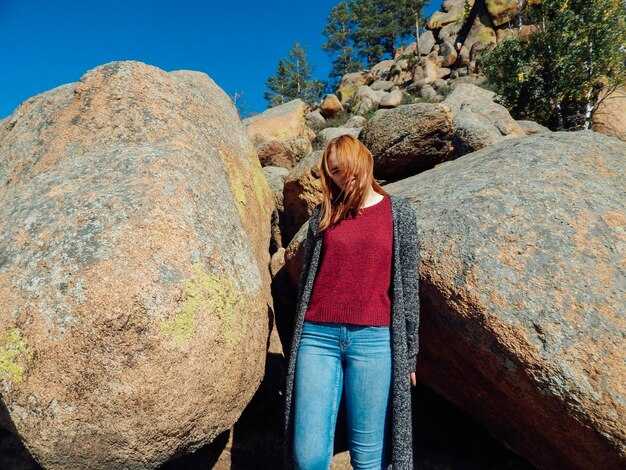
Rent a compact car at almería airport to reach the gata coast in about 45 minutes and keep your options open for budget stays along nearby locations like San José and Las Negras.
- Getting there
- From almería city, follow the A-7 / N-340 toward San José, then switch to the local lanes into the park. The drive takes roughly 40–50 minutes; parking near beaches is limited, so plan early on weekends. Watch for the garganta overlook where the cliffs meet the sea for a dramatic photo stop.
- From granada, murcia, or palma, a car remains the simplest option to access remote coves inside the park. Distances vary, but you gain flexibility to explore inside and around the main beaches listed below.
- Public transport is sparse for the park’s interior. Seasonal Alsa services connect almería to san josé and las negras, but a timetable check is essential when you plan your visit.
- Budget stays
- Las Negras and San José offer hostels, simple guesthouses, and apartment options. In low season, you can find rooms around 25–50 EUR per night; summer rates rise to about 40–70 EUR, especially on weekends.
- Rural casas and small building inns provide functional comfort with easy beach access. Look for stays that list kitchens or shared spaces to keep costs down, and ask about any discount cards for multi-night guests.
- Proximity to the coast means you can keep daily costs down by shopping at local markets and enjoying pintxos or simple meals in town before sunset walks along the water.
Top beaches and easy access
- Playa de los Genoveses – long, golden sands backed by dunes, with a scenic approach through a short path. Arrive early in peak season to secure a spot; the cove is tree-shaded and ideal for long, relaxed stays.
- Playa de Mónsul – iconic rocks and formations frame the water, making this a favorite for photos and families. It often attracts visitors at dawn or late afternoon when the wind calms.
- Cala de Enmedio – a smaller, sheltered cove with clear water and a quiet vibe. Parking can be tight, so come prepared and carry water for a comfortable dip.
What to pair with your plan inside the park
- Inside almería, you can pair beach days with a museum visit and a stroll around the historic built spaces. The university campus and local museums make a nice balance to outdoor time.
- Locations around the park offer quick food breaks; try pintxos bars when you return to town, and sample the local produce at small markets.
- Visitors often note the park’s natural formations and the rugged garganta views that unfold along the coast–these are real highlights for photographers and walkers alike.
Notes for guests and broader connections
- Year-round appeal: even outside peak sun season, the coast stays pleasant for walks, birdwatching, and light snorkeling near calmer coves.
- When you’re ready for a longer circuit, nearby locations and campuses offer additional museums and building-led tours that deepen your understanding of regional geology and history.
- Proximity to a few universities means you can plan a short educational stop if you’re curious about the area’s scientific and cultural contexts.
- Listed beaches are well known to be visited by many guests; early planning helps you avoid crowds, and a small two- to three-night stay lets you spread out visits to multiple coves.
Expanded travel ideas (a quick note on names and routes)
Some readers enjoy connecting Cabo de Gata with broader locations in Spain to contrast coastlines and cuisines. For a comparative feel, you might explore nearby historic spots and museums that highlight regional formations and coastal life. If you’re tracking a longer route, you could consider day trips that touch on major centers with noted universities, along with regional markets where you’ll see local cards and souvenir stands. For those curious about diverse Spanish locations, mentions of santiago, gijón, potes, palma, and even a quick look at a northern city can be a fun reference point, while staying rooted in the charm of almería and its parks. This approach keeps your itinerary flexible and really focused on what makes Cabo de Gata unique, inviting you to come back and explore again yourself.
Albarracín, Aragón: Best time to visit, scenic routes, and lodging options
Visit Albarracín in late spring or early autumn for ideal weather and light that makes the town glow. In May, highs hover around 20°C; in September, 18°22°C with dry mornings. Base yourself inside the old town to admire the gothic interior details, laurel‑lined plazas, and park vibes that blend flora with mountains in the surrounding landscape. If you’re traveling from barcelonas or planning a wider circuit, Albarracín is a perfectly placed between-stop that adds a Mediterranean heartbeat to your route.
Best time to visit: May and September deliver comfortable temperatures, low humidity, and fewer crowds, while July and August can feel hot and busy. Start early to walk the medieval walls, then linger in plazas where street musicians set a casual music mood. Sayings from locals emphasize slow, sensory exploration: you can admire red walls, listen to birds in the park, and sip coffee as the sun shifts the town’s colors.
Scenic routes around Albarracín offer a mix of history, nature, and viewpoints. Route 1 – Historic Town Loop: follow narrow lanes from the Plaza Mayor to the cathedral, enjoying gothic facades, laurel hedges, and unexpected courtyards with floral borders. Route 2 – Guadalaviar River and Karst Outlook: descend toward the river gorge for karst formations, crystal clear reflections, and a panoramic overlook that showcases the valley. Route 3 – Sierra de Albarracín Panorama: a climb through pine forests and rocky outcrops to a mountaintop terrace, where you imagine a world of distant peaks and Mediterranean light. Each path is well marked, and you can admire views that feel both intimate and stunning, with mountain air and wildflowers (flora) that add color to every turn.
Lodging options balance charm and value. In-town boutique hotels offer Gothic-inspired interiors and warm service, with rooms that face the narrow streets and stone courtyards. Look for casas rurales nearby that provide rustic interiors, terraces, and easy access to the walls, ideal for couples or small groups. If you prefer a budget-friendly choice, several guesthouses present cheap rooms with straightforward tariffs (tarifa) and a friendly, local vibe. For families or longer stays, apartment-styled accommodations let you pace mornings with a coffee on a private balcony while the town wakes up. For a broader Spanish itinerary, consider pairing Albarracín with coastal stops like tossa (tossa) or Galicia to experience diverse vibes across the country, each adding its own beauty to your Mediterranean journey.
Ribeira Sacra, Galicia: How to explore the canyons, boat trips, and local wine towns
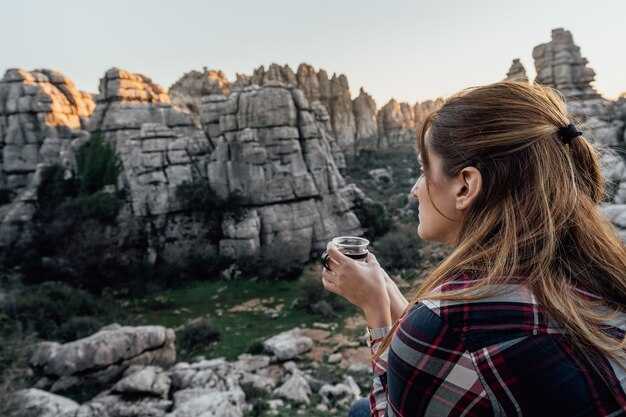
Begin with a dawn boat ride on the Sil River from Nogueira de Ramuín to glimpse the canyon walls before visitors crowd the vantage points. The water glides past sheer cliffs and terraces where vineyards climb the slopes, a setting situated in Galicia and warmed by pine-scented air and a very clear morning breeze.
Projděte se po venkovských stezkách podél břehu řeky, kde jsou do strmých svahů vytesány terasy a vzduch nese nádech sherry z vín zrajících v dubových sudech. V obcích Sober a Quiroga se úzké uličky vinou mezi kamennými domy a vybízejí vás k zastavení se pro fotografování a povídání si s místními producenty ve skrytých dvorech. Zde je důvod, proč se zdržet: pomalejší rytmus, přátelské tváře a výhledy, které působí dojmem, že visí mezi nebem a vodou.
Zarezervujte si výlet lodí po řece na 1,5–2 hodiny ze Soberu nebo Nogueira de Ramuín; lodě jsou malé a snadno se do nich nastupuje a místní průvodce pomáhá hledat skalní výklenky a drobné ostrůvky. Vezměte si bundu; pojištění je rozumný doplněk při rezervaci u soukromých provozovatelů.
Údolí lemují vinařská městečka: Doade, Monforte de Lemos a Quiroga jsou domovem rodinných bodeg, kde můžete ochutnat Mencíu a Godello a poté se projít po terasách a prohlédnout si, kde jsou vinice. Navštivte vinařství s moderní degustační místností, která stojí vedle staletého mostu, a ochutnejte místní olivový olej a sýry, abyste viděli, jak gastronomie spojuje řeku a úbočí kopce s úžasným výhledem přes kaňon.
Ubytujte se v venkovských domech (casas) nebo v boutique penzionech s výhledem na řeku; silnice jsou klikaté, naplánujte si proto delší čas na transfery. Večer restaurace kombinují mořské plody a pečená masa s regionálními víny, gastronomie zahrnuje celý svět vína a doplňuje vánek baleárského stylu na terasách. Návštěvníci si často odnášejí trvalé obrazy a pocit venkovské autenticity.
Protože právě zde si tato oblast zaslouží své místo mezi nedoceněnými úniky: kaňonové drama, výlety lodí a města, která spojují tradici s modernou, to vše v kompaktní části Galicie, která zve návštěvníky k posezení.
Národní park Monfragüe, Extremadura: Vyhlášená místa pro pozorování ptáků, nenáročné stezky a tipy na jednodenní výlety
Začněte svou návštěvu Monfragüe na vyhlídce Mirador de la Virgen, abyste zahlédli supy bělohlavé a mrchožravé, jak sedí nad roklí Tajo; přijďte za svítání, abyste si užili chladnější vzduch, nejlepší světlo a klidnou atmosféru, která udává tempo celému dni.
Vydejte se po snadné smyčce podél řeky a borovým lesem, s jasným značením a krátkými stoupáními ideálními pro klidné ráno. Z vyhlídky Salto del Gitano se naskýtá malebný pohled na rokli, kde dravci krouží v termice; vezměte si dalekohled, lehkou bundu a vodu. Krátké úseky zaberou asi hodinu, delší varianty dvě hodiny, takže je to ideální pro letní nebo jarní průzkumy.
Pro historický kontrast a místní kouzlo si udělejte zajížďku do Plasencie nebo Trujillo, kde ulice lemované calle vedou ke katedrálám a památkám. V těchto městech je nejméně lidí ve všední dny a po ránu stráveném v přírodě nabízejí jinou atmosféru, což dokazuje, že Extremadura bez námahy kombinuje divokou přírodu s bohatým dědictvím.
Pokud plánujete rozsáhlejší okruh, zvažte pobřežní prodloužení do Sanlúcaru nebo Mojácaru pro kombinaci pláže a vína, nebo se vydejte na sever směrem k Valencii a regionu Barcelonas pro změnu v městském stylu. V těchto městech na vás čeká večeře oceněná michelinskou hvězdou, která nabízí bezproblémové spojení přírody a kultury. Letní cestovatelé si užijí úžasně rozmanitou krajinu a chladnější večery podél okraje náhorní plošiny, zatímco Andalusie se tiše znovu objeví na zpáteční cestě a dodá dni šarm a kontrast.
Las Médulas, Kastilie a León: Jak se tam dostat, turistické trasy po okolí dolů a ikonická místa pro fotografování
Dostaňte se tam vlakem do Ponferrady a autobusem do Caruceda (30–40 minut); z Caruceda sledujte cestu podél řeky směrem k náhorní plošině dolu, kde uvidíte první světlo, a naplánujte si návrat před setměním. Las Médulas, původně hornická krajina, nyní nabízí klidné pozadí pro cestovatele s touhou po toulkách. Pokud letíte nízkonákladově, zvažte Ryanair do Leónu nebo Madridu a pokračujte vlakem; ceny se liší podle sezóny, proto si rezervujte dopředu a sledujte místní zpravodaje pro aktuální informace.
Trasa A – Okruh kolem Orellánu: 5 km zpáteční cesta, asi 2 hodiny, s vytrvalým stoupáním k vyhlídce Orellán. Cesta vede otevřenými zákoutími i úseky lemovanými stromy a nabízí dramatické panorama červených teras a říčního údolí pod nimi; nejlepší světlo je za úsvitu nebo těsně před západem slunce, kdy se skály rozzáří a vy si můžete pohrát s vlastními kreativními stíny.
Trasa B – Stezka terasami: 6–7 km, zhruba 2,5–3 hodiny, mírný výstup a pozvolné sestupy po zachovaných hornických terasách. Sledujte serpentiny přes úbočí kopce, projděte přes malé skalní plošiny a zastavte se na několika vyhlídkách, abyste orámovali amfiteátrovitou krajinu vlastním objektivem nebo telefonem. Tato trasa se hodí pro hledače dobrodružství, kteří chtějí stabilní tempo a spoustu příležitostí k fotografování.
Mezi ikonická místa pro focení patří Mirador de Orellán za prvního a posledního světla, kde terasy září nad řekou a řada borovic rámuje scénu. Hledejte stříbrné tůně u paty laviček a foťte přes měděnou zem, jakmile se slunce skloní. Pro záběr inspirovaný Hemingwayem se postavte do vyšších rohů teras a zachyťte rozlehlou, klidnou oblohu nad plochými, vrstvenými skalními útvary; tyto kompozice působí slavně i roztomile ve své strohé jednoduchosti. Vezměte si s sebou extra paměťové karty a lehký stativ na západy slunce a dlouhé expozice.
Praktické poznámky: Ubytujte se v Ponferradě nebo Carucedu – v hlavní sezóně se pokoje rychle plní, takže si naplánujte přestávku mezi túrami a používejte pohodlný batoh na vybavení. Sbalte si vodu, svačinu a ochranu proti slunci a naučte se pár frází v místním jazyce, abyste si mohli po cestě popovídat se Španěly. Pokud toužíte po pomalém tempu a klidnějších zákoutích, navštivte lokalitu mimo školní prázdniny; krátká jízda od hlavních tras otevírá přístup k blízkým vyhlídkám a bezkonkurenčně klidnému světlu. Zvažte, zda se na den nepřipojit k místnímu průvodci a neobjevit skrytá místa a historii dolů, a přihlaste se k odběru zpravodaje, abyste byli informováni o otevírací době a sezónních akcích.
Nedaleko najdete Gatu a další malé vesnice, kde život plyne poklidným tempem a únik z městského života působí skutečně. Tato oblast zůstává cílem seriózních fotografů i nenáročných cestovatelů a nabízí spoustu prostoru k toulání, jako by vaše touha po toulkách měla svůj vlastní tichý rytmus nad hlukem. Pokud sbíráte zážitky do svého cestovního portfolia, Las Médulas nabízí kreativní rámy, ikonické úhly pohledu a možnost vidět, jak historická krajina i nadále inspiruje místní obyvatele i návštěvníky.