


 Čeština
  English (UK)
  Русский
  বাংলা
বাংলা  العربية
  日本語
日本語  한국어
한국어  Magyar
  Norsk nynorsk
  Türkçe
  עִבְרִית
  Español
  Svenska
  Português
  Ελληνικά
  Suomi
Suomi  Nederlands
  Română
  Italiano
  Français
  Polski
  Українська
  Deutsch
  简体中文
简体中文  Slovenčina
  Српски језик
  اردو
اردو  Azərbaycan dili
  O‘zbekcha
  አማርኛ
አማርኛ 
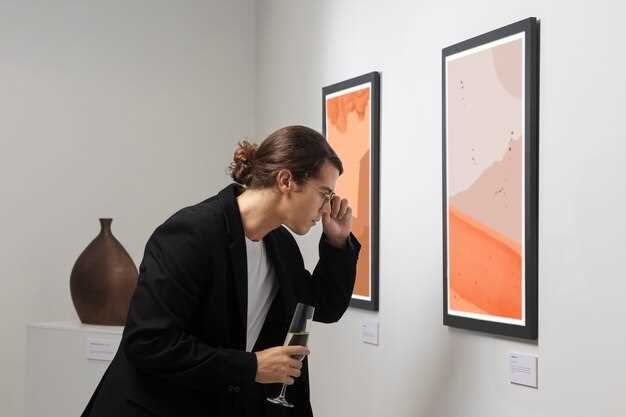
The Moco Museum stands as a cornerstone in the world of modern and contemporary art, designed to offer keen insights into the ever-evolving landscape of creativity. Located in the heart of Amsterdam, this museum not only showcases impactful works by influential artists like Banksy and Rothko but also serves as a platform for societal commentary through various art forms, including graffiti. Its galleries encourage reflections on themes such as poverty, justice, and subversive narratives that resonate with audiences of all ages.
As you step into this visually stimulating space, take a moment to appreciate the architecture that frames each piece, creating an intuitive viewing experience. The ceilings soar high above, allowing the color and dynamism of the artworks–ranging from vibrant diptychs to thought-provoking installations–to engage with visitors in an impactful manner. The Moco Museum extends its offerings beyond mere visual pleasure; it encourages discourse on important social issues while embracing the public’s desire for connectivity with the arts.
From the moment of its opening, the Moco Museum has captured the popularity of both seasoned art lovers and young enthusiasts alike. It serves as a sanctuary where art can be savored at a distance or embraced up close. Each exhibit invites participants to take a journey away from the mundane and immerse themselves in a world where the needs of society are addressed through creativity and innovation. Therefore, every visit reflects not just a viewing of iconic pieces but also an engagement with the vital conversations that these artists, including the likes of Irmas and their neo-expressionist works, continually spark.
Understanding Mark Rothko’s “Black Blue Painting”
Mark Rothko’s “Black Blue Painting” serves as a significant cornerstone in the evolution of modern art, representing a blend of emotion and abstraction. This specific work, curated within the Moco Museum’s contemporary collection, invites viewers to step into an interior space marked by psychological depth. The painting’s layers of color are characterized by their rich, dark tones, creating a pleasing yet complex visual environment that resonates with the heart’s more profound experiences.
Rothko’s approach emphasizes the importance of the viewer’s experience, encouraging a closer engagement with the artwork. The significance of “Black Blue Painting” transcends mere aesthetics; it embodies the universal pursuit of understanding human emotion. Today, the sensitivity in his technique blurs the lines between representation and abstraction, positioning the work within the broader context of modern art genres.
Visitors to the Moco Museum often find themselves captivated by Rothko’s unique style, which stands in contrast to the rigid frameworks typical of previous generations. The depth of feeling expressed in “Black Blue Painting” contributes to an overall atmosphere that can be both introspective and expansive, encouraging a dialogue between the painting and its audience.
In the same way that artists like Keith Haring or Yayoi Kusama have carved their niches with subversive yet accessible works, Rothko’s paintings challenge viewers to confront their internal landscapes. The charm of his work lies in its simplicity; yet, it isn’t simple in its impact. This duality engages new generations, pulling them away from traditional expectations of what art should deliver.
For those planning their visit, the Moco Museum offers convenient bookings that allow visitors to select specific timeslots for viewing. This operational aspect ensures a more respectful preservation of the art and a controlled environment for appreciating these historical masterpieces. Thus, each visit becomes a thoughtful experience rather than a rushed encounter.
The strategic contrast in “Black Blue Painting” complements the museum’s mission to present diverse artistic expressions while maintaining the integrity of each work. Rothko’s exploration of color and emotion creates a dynamic tension that speaks to both personal and collective narratives, providing a platform for reflection and dialogue.
As visitors navigate the museum, they not only encounter Rothko’s pivotal work but also engage with the broader discourse of contemporary art. The rise in appreciation for such artworks reflects a cultural shift towards valuing emotional connectivity in artistic expressions–a phenomenon deeply embedded in the fabric of modern art destinations like Amsterdam’s Moco Museum.
What is the significance of the color choices in “Black Blue Painting”?
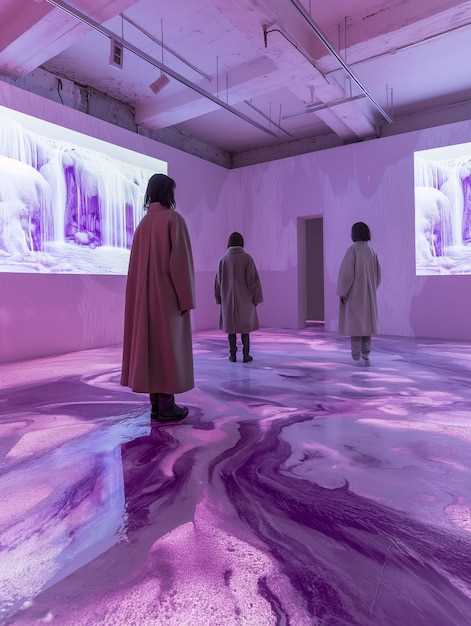
The color choices in “Black Blue Painting” play a crucial role in how audiences perceive and experience the artwork. The deep blue and contrasting black are not merely aesthetic decisions; they serve to evoke specific themes such as melancholy, solitude, and introspection. This emotional resonance creates a dialogue between the piece and the viewer, fostering a unique connection as each individual interprets the colors in relation to their own experiences and feelings. By emphasizing these hues, the artist invites us to explore the significance of emotional landscapes through a modern lens.
In this artwork, color goes beyond superficial representation. The use of deep blues can be associated with depth and tranquility, while the starkness of black introduces an element of gravity and seriousness. This interplay makes the painting impactful, allowing audiences to consider issues of justice, identity, and existence. Through this blend, “Black Blue Painting” engages its viewers, offering a platform for reflection on societal challenges that resonate with both young and mature audiences, capturing the essence of contemporary concerns.
Moreover, the color choices reflect artistic icons like Jean-Michel Basquiat and Keith Haring, who often utilized color to address cultural themes. The vibrant hues create a flow that invites viewers to step forward, almost drawing them into the piece. Stepping closer, one can trace the emotional beats, as colors blend and blur, changing with the viewer’s perspective. This dynamic experience illustrates how color can alter perception, making the artwork feel alive and reactive, much like the relatable struggles of everyday life.
Ultimately, the significance of the color choices in “Black Blue Painting” lies in their ability to engage and impact, particularly on a personal level. This mission of connecting with the viewer is not only a hallmark of modern art but also a testament to the power of simple visual elements to convey complex narratives. The humor in color selection can be seen as a reminder that even serious issues can have lighter undertones, appealing to family audiences. In a world where art addresses significant topics, this painting serves as a bridge, making profound ideas accessible while encouraging important conversations.
How does Rothko’s style reflect modern art movements?
Mark Rothko’s work serves as a profound bridge between modernism and contemporary art, often captivating viewers with its deep emotional resonance and simplicity. His use of color fields creates a striking interplay between harmony and tension, a hallmark of various 20th-century art genres. Rothko’s focus on the viewer’s emotional experience encourages an engagement that goes beyond the aesthetic, providing a universal language that resonates with audiences, making his work accessible to both children and adults alike.
Rothko’s diptychs and series reveal an evolving artistic approach that reflects the trends of modern art movements. The artist’s ornate layering of colors leads to a mesmerizing flow that invites individuals to explore their feelings. This critical exploration often mirrors the work of other contemporary artists, such as Jean-Michel Basquiat and Yayoi Kusama, who also incorporate emotional depth and abstraction into their pieces. Despite their different styles, these artists, like Rothko, promise to challenge the observer, asking them to look beyond the busy forms and delve into the emotional core of the artwork.
When visiting exhibitions like those at the Moco Museum, one can appreciate how Rothko’s pieces stand among a permanent collection that includes works from various artists, engaging the audience in a unique journey. The final impression left by his works serves not just as a visual experience but also as a critical reflection on the human condition. This emphasis on emotional depth, rather than purely commercial appeal, has earned Rothko a distinguished place in the art world, encouraging visitors to pause and reflect, rather than merely skim through the offerings.
In an era that often demands immediacy, Rothko’s ability to create a contemplative space within each of his canvases is both remarkable and essential. By inviting the viewer to partake in a shared emotional journey, Rothko does not only add to the artistic dialogue but elevates the overall experience of modern art. The captivating nature of his work ensures that it will continue to engage future generations, inviting them into a conversation that transcends time and space, much like a cycle of life–a continual layering of human experience.
What emotions does “Black Blue Painting” evoke in viewers?
“Black Blue Painting” serves as a stunning example of modern art’s ability to foster dialogue around complex societal concerns. The work, originally created by Pierre, engages viewers with its subversive use of color and form, which challenges conventional perceptions of race and identity. Here, the powerful visual contrasts invite families and children to explore their emotions, while standing comfortably within the museum’s forward-thinking collections. Instead of providing straightforward interpretations, the piece encourages an informal exchange of ideas that leaves a lasting impression. Audiences often admire the painting for its revolutionary spirit, as it positions itself in the larger context of art history.
Furthermore, the emotions stirred by this artwork evoke a sense of both admiration and introspection. As visitors move through the metro of inspiration that art creates, they may stop to contemplate their perspectives on privilege and status in society. The stunning elements of “Black Blue Painting” aim to speak to viewers about the historical power dynamics that persist today, successfully bridging personal experiences with broader themes. In addition, the painting transforms the gallery into a space for reflection, prompting deeper engagement with the system that governs societal interactions. Ultimately, “Black Blue Painting” stands as a testament to the emotional impact of contemporary works, inviting viewers to not only look, but to feel and think critically.