


 Čeština
  English (UK)
  Русский
  বাংলা
বাংলা  العربية
  日本語
日本語  한국어
한국어  Magyar
  Norsk nynorsk
  Türkçe
  עִבְרִית
  Español
  Svenska
  Português
  Ελληνικά
  Suomi
Suomi  Nederlands
  Română
  Italiano
  Français
  Polski
  Українська
  Deutsch
  简体中文
简体中文  Slovenčina
  Српски језик
  اردو
اردو  Azərbaycan dili
  O‘zbekcha
  አማርኛ
አማርኛ 
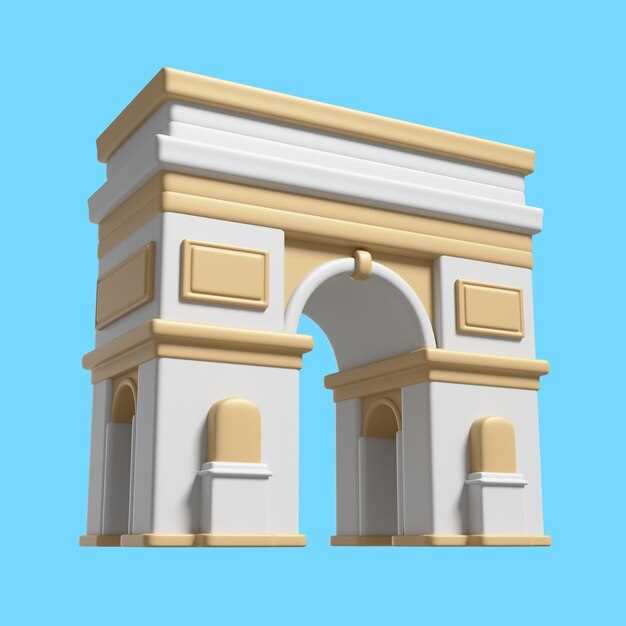
Na stránkách Arc de Triomphe stands as a towering symbol of triumph and history in the heart of Paris, specifically at the Place Charles de Gaulle, also known as l’Étoile. This grand monument has been an integral part of the city’s landscape since it was built in the early 19th century, commemorating the soldiers who fought and died for France during the Napoleonic Wars. As you look up at its intricate designs and wide arch, you’re witnessing a piece of Evropský history that continues to inspire awe and admiration.
When you step into the Champs-Élysées area, the bustling traffic and vibrant atmosphere surround you, but just a short walk through the gardens leads you to this iconic structure, where history meets contemporary life. Guided tours are available for those who want to delve deeper into the stories behind the insiders who shaped its significance. You’ll want to grab a ticket for the observation deck, which offers breathtaking views of the city and a unique perspective on how this hrobka honors the legacy of the fallen.
Zatímco Arc de Triomphe is renowned for its majestic architecture, its importance stretches far beyond mere aesthetics. It serves as a backdrop for grand parades, such as the annual 14 July Bastille Day parade, where the spirit of national pride comes to life. Just as Victor Hugo and other great names of literature have immortalized the struggles and triumphs of the French people, the Arc continues to stand as a testament to their resilience. Whether you’re venturing from the Latinská čtvrť or taking a flight down Montmartre, this monument remains a must-see highlight for anyone exploring Paris.
So, let’s slow down for a moment and appreciate the stories that this landmark holds. The Arc de Triomphe not only marks a point of provoz convergence but also serves as a high point of cultural significance. It has been here, watching over Paris, through time, both close and distant, always reminding us of the sacrifices made for freedom and unity.
Popis
The Arc de Triomphe stands as an enduring symbol of Paris, capturing the grandeur of French history and culture. This remarkable monument was commissioned by Napoleon Bonaparte to honor those who fought and died for France during the Napoleonic Wars. You can imagine the excitement of witnessing a parade that celebrates national victories, with the Arc serving as a majestic backdrop.
Located at the western end of the famous Champs-Élysées, the Arc de Triomphe is strategically positioned at the center of several arrondissements. It creates a wide avenue for visitors to approach, making it incredibly convenient to access. If you’re looking for a place to soak in the history and beauty, this monument is always a must-visit when you’re in the city.
The iconic structure features intricate sculptures and reliefs that depict the triumphs of French armies. One highlight involves a representation of the names of notable battles, giving it a deeper significance than just an architectural feat. Those who care to explore will find plenty more than meets the eye, with guided tours available for those wanting to delve into its history.
Younger visitors are often taken with the stories of famous figures associated with the Arc. Figures like Victor Hugo, who passed away in the nearby Latin Quarter, have left their mark on this area of Paris. It brings a connection between the past and present, as you check out the views from the top of the Arc, overlooking the beautiful boulevards below.
The stairs leading up to the terrace can be steep, but the flight is worth it. Once you reach the top, you’re treated to panoramic views of the city, including landmarks like Montmartre and the estate of Versailles in the distance. In the evening, the illumination of the Arc during sunset creates an enchanting atmosphere.
Over the years, many events have left their mark on the Arc, including the famous military parades held every Bastille Day. The sound of marching soldiers, while the crowds cheer, keeps the spirit of French patriotism alive and serves as a remarkable reminder of the nation’s rich history.
In terms of accessibility, the Arc de Triomphe is well-integrated into Paris’ public transportation system, making it an easier visit for both tourists and locals alike. With multiple lines converging nearby, it only takes a quick ride to find yourself standing in front of this towering monument.
This post has aimed to highlight some of the captivating aspects of the Arc de Triomphe, from its historical significance to the numerous conveniences for visitors. If you’re planning a trip to Paris, take the time to check out this iconic centerpiece that embodies not just French history but Europe’s rich heritage as well.
Architectural Features of the Arc de Triomphe

The Arc de Triomphe, located at the western end of the Champs-Élysées, boasts an impressive design that reflects its military significance. Built between 1806 and 1836, this monument was commissioned by Napoleon Bonaparte to honor the French armies who fought for the nation. Its grand structure stands at a height of 50 meters, and its wide footprint ensures it captivates all who pass by. The design incorporates elements from both classical and modern architecture, showcasing intricate reliefs and engravings that tell tales of victory and valor.
Upon closer inspection, visitors can observe that the Arc is adorned with the names of military leaders and battles that have defined France’s history, all skillfully carved into its stone. There are three main relief sculptures on each of its four faces, representing key moments of the French Revolution and Napoleonic Wars. As you tour around the monument, you’ll notice that it acts as a focal point in Paris, with traffic flowing around it in a circular manner, known as the Place Charles de Gaulle-Étoile. This unique traffic configuration has been a challenge for many, but it also adds to the monument’s allure.
| Funkce | Detaily |
|---|---|
| Height | 50 meters |
| Rok výstavby | 1806-1836 |
| Umístění | Place Charles de Gaulle-Étoile |
| Architectural Style | Neoclassical |
| Significance | Commemoration of military victories |
Additionally, there’s an underground museum and visitor center that provides a guided experience, explaining the Arc’s role in shaping Parisian history. The view from the top offers an unforgettable perspective of the city’s layout, highlighting the symmetry and beauty of Paris as it stretches towards the horizon. Standing at the Arc, you are taken through time–from the days of royal grandeur to modern celebrations and parades, making it a vital transportation and historical hub within the city.
Symbolic Elements Displayed on the Arch
The Arc de Triomphe is not just a monumental structure; it is a canvas of history, encapsulating the triumphs and memories of the French nation. Engraved on its surfaces are the names of the generals and battles that mark significant milestones in the Napoleonic wars. This tribute honors those who laid their lives on the line for the ideals of France. From the center of Paris to the underground vaults, every corner whispers stories of valor, reflecting a deep-rooted connection to the very essence of French identity.
As visitors embark on their journey down the Champs-Élysées, they encounter the grand outline of the arch. This wide avenue, heavily trafficked yet beautiful, serves as a perfect backdrop for this monumental icon. On the evenings when musical shows occur, its silhouette commands attention, captivating both locals and tourists. Maybe it’s the views from the top or simply the awe-inspiring architecture that keeps drawing groups of people back to this celebrated landmark. The history of the Arc de Triomphe has indeed been rich and full of significance, making it easier for visitors to appreciate the legacy it represents.
The architectural plan of the Arc de Triomphe encompasses elements that symbolize both victory and remembrance. The sculpted figures around the arch depict scenes of battles and allegories of peace and justice, safeguarding the stories of those who died for their country. This grants the monument a revered status akin to that of a tomb. Visitors can slow down to check out these details, gaining insights into how these elements shape the narrative of not only Paris but also the surrounding cities like La Défense and Montmartre. This iconic structure stands as a testament to not just the triumph of one era, but the collective memory of a nation, continuing to inspire those who pass under its archway.