


 Čeština
  English (UK)
  Русский
  বাংলা
বাংলা  العربية
  日本語
日本語  한국어
한국어  Magyar
  Norsk nynorsk
  Türkçe
  עִבְרִית
  Español
  Svenska
  Português
  Ελληνικά
  Suomi
Suomi  Nederlands
  Română
  Italiano
  Français
  Polski
  Українська
  Deutsch
  简体中文
简体中文  Slovenčina
  Српски језик
  اردو
اردو  Azərbaycan dili
  O‘zbekcha
  አማርኛ
አማርኛ 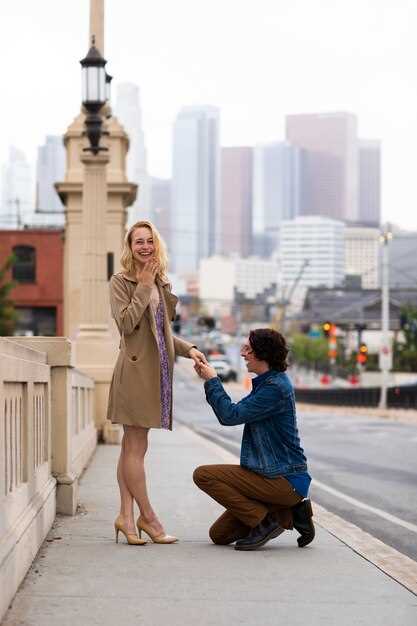 A Love-Hate Relationship with New York City – Why We Keep Coming Back">
Start with this simple plan: pick three anchors for the day–some street-walk to wake you up, a water view to reset your mood, and a dining stop you’ve wanted to try. This keeps your pace steady and helps you keep focus as you read the city’s tempo from dawn to night.
Surely, we are drawn back by contrasts–noise and generosity, crowds and pockets of calm. The city wakes with traffic and ends with a quiet corner where you can watch water shine on a pier and notice stained-glass light spill across a church doorway on a side street. On a good day, you sense how a single street holds memories, how the subway track carries a story, and how a simple meal can feel better than the last bite.
Yet friction remains. extremely crowded trains test patience. Crowds, price tags, and the constant push to move faster test patience. To move through this, plan ahead: reserve dining seats, choose a few blocks to explore on foot or by bike, and allow time for a Governors Island ferry, where the island air and absence of cars gives your mind a reset. This quick escape keeps your mood even and your visits repeatable.
Three practical moves you can repeat: plan ahead, build micro escapesa trust your pace. Pick a fixed dining window, a route that skirts the busiest streets, and a moment when the city’s energy feels most welcome. By reading the city as a living map, you’ll see how grit and grace line up to invite you back again and again, now.
Love-Hate Relationship with New York City
Start with a concrete plan: a four-day, college-style visit that blends purposeful tasks with slow, walking explorations. In the mornings, walk from a library to a museum, then travel between neighborhoods known for design studios and cafés. Pack a grilled snack for the park and keep moving on the next leg, because movement keeps energy and curiosity alive.
To maximize value, map the route by neighborhood and times you want to learn something new. Use Citi Bike for short hops; bikes can cut transit time and give you a tactile feel for streets. A typical walking route between Chelsea and SoHo runs about 2 miles; you can do it in 40–50 minutes if you move with purpose. During those walks, you notice changes in storefronts, stained-glass windows, and the rhythm of neighborhoods; reserve evenings for quiet libraries to decompress.
As a writer and author, you notice how change shows up in storefronts and in the crowds. NYC is a place where whole blocks shift between seasons; some corners feel vacant, others glow with neon. When you are asked about what keeps you coming back, answer with specifics: better access to libraries, more efficient transit, and a sense of history that teaches you to adapt. Then you realize you are spending more time observing than chasing trends, and that clarity travels with you.
That love-hate balance comes down to savoring the stained-glass quiet of early hours and tolerating the stomping of late-night crowds, knowing you’ll return for the next chance to learn, to design, to write, and to move through a city that refuses to sit still. If you want to spend more time learning, allocate fixed times for library visits and reflective walks after dinner, again.
Pacing NYC Days to Avoid Burnout
Plan a 90-minute core outing, followed by a 60-minute rest, to avoid burnout. In NYC, a dynamic block length keeps energy steady and reduces late fatigue, helping you savor details rather than sprint through the day. You could start with a walk through a single neighborhood, then switch to a sit-down food stop or a quick gallery stop to reset. This approach works whether you’re a local or a visitor and scales easily to the york street corridors of Manhattan.
Structure your day into three short blocks: walking, food, and a light cultural stop. Keep total active time under six hours, and cap each block at 90 minutes with at least 20 minutes of space between them so you move without rush and avoid piling fatigue. This rhythm helps you stay present and reduces the pull toward a long, exhausting push. The benefit grew with practice. It works because breaks reset attention and appetite. This rhythm holds space for detours and surely keeps you engaged. Tell them about the approach to keep them motivated.
Example schedule: 9:00–10:30 walking along a tree-lined street near a subway line; 10:30–11:00 coffee and a pastry; 11:00–12:00 visit a small gallery with stained-glass windows; 12:00–13:00 a light food option with vegetables or fish; 13:00–14:00 rest on a park bench; 14:00–15:00 a short stroll to a market or bookstore. If you find crowds, pivot to a quieter segment near york street or a nearby green space to reset. This block emphasizes walking without overdoing it, while the food stop keeps energy steady.
For flavor and balance, choose food that fuels without heaviness. Foods served in small portions can recharge you without dragging you down. Lean proteins, fresh vegetables, and fruit keep energy steady; hydrate often. If you havent tried a mid-day rest in a shaded corner, give it a go–theyre quiet and allow you to reset before the next block. For a local touch, you can try options on orleans street and ask staff about smaller menus that suit pacing.
Resources and planning: commonedgeorg offers curated routes that emphasize pace and rest. If you asked locals for tips, you’ll hear the same message: pace matters. If you havent planned ahead, you might end up chasing momentum through crowded hours. If you didnt know, you can swap a museum visit for a quiet riverside stroll or a library corner.
By syncing movements to energy and keeping a clear exit plan, you can stay curious without burning out. The idea is simple: move, rest, repeat, and allow space for spontaneous discoveries along the way.
Subway Mastery: Minimize Delays and Stress
Always check a live subway status board 15 minutes before you leave and lock in a backup route. Nowadays, service changes appear quickly, so a flexible plan helps you move on time. If the track shows a delay on one line, switch to a nearby track with a similar destination and time window.
Inside the station, position yourself on a platform known to have fewer crowds and to where trains pull in smoothly. Look for vacant spaces near exit stairs to avoid bottlenecks. These micro-decisions cut your stress and add minutes back to your day. A decline in pace is normal, so you adjust by switching to a nearby train and narrowing your focus.
Adjust your belief about delays: they happen, but your response matters. If a car arrives late, you felt the pressure but can become calm by focusing on the next short move–walk to the next interchange, not the far end of the platform. You can resume again on time.
As a writer observing the city, I map how people use these patterns across places and times. Tracking a few predictable shifts–morning crowds, midday dips, evening surges–helps you choose a part of the route that feels smoother rather than stressed. If you havent found a routine yet, pick one consistent path and practice it daily so you’re able to adapt without losing momentum.
Think of your plan as a sandwich of options: the bread is your backup route, the fillings are real-time updates, and the pick is the smoother track you choose when delays rise. This state of readiness stays inside you and improves your mood on the go.
Use quick data from commonedgeorg or similar sources to anticipate planned outages on your usual lines. Save a note on your phone with two go-to options and a backup in case trains are packed. These small contingencies keep your day moving, even if the streets outside look crowded or the train schedule shifts.
By integrating these steps, you gain better predictability, recovering minutes you might have lost and keeping your day on track again.
Smart Budgeting for Shows, Eats, and Sights
Rule: pick one show and build the day around affordable dining and accessible sights. Budget roughly 60-90 for dining, 40-70 for shows, and 15-25 for transit per day. For breakfast, aim 8-15; lunch 12-22; dinner 20-40. NYC offers a huge mix of casual dining, from market stalls to neighborhood diners, so you can tune your plan to your pace. Tourists often feel obliged to hit every marquee venue, but know that these places are best enjoyed with a focused route that saves time and money and keeps the day flexible.
For shows, seek value: matinees or rush tickets can run 20-40; standing-room or lottery options appear around 10-30. Shows held in smaller theatres or on off-peak days can still deliver memorable performances, and you could line up 30 minutes before a late performance for a seat. If you travel with a plan, you could pair a nearby dinner with the show and stay in one neighborhood to reduce time on the side streets and cut extra transit costs. A 7-day transit pass or a pay-per-ride card keeps water and transit costs predictable so you know what you’re spending every evening, and these options can ever save you money while keeping you comfortable.
For eats and sights, balance shopping with free experiences: stroll market-lined blocks, wander which shops match your style, and save room for a bite at a local bakery. The library offers free or low-cost options on certain days, good for a rainy interlude, and these spaces can anchor a light travel day. When a vendor gave a discount, you’ll notice the value on your receipts; pack a water bottle and keep breakfast light so you can linger over a later bite at a street corner. These tweaks give you more time to explore the city’s water-filled sidewalks, late-night eateries, and photo-worthy corners without losing track of your rule. These tips could also stretch their travel budgets.
Hidden Calm: Quiet Spots to Recharge in the City

Start with Greenacre Park for a quick recharge: a compact outdoor oasis where a whispering fountain blocks the noise and a handful of benches invite you to reset. That moment can help you keep your energy for the rest of the day.
When the streets feel loud, these pockets offer a healing pause without pulling you far from your routine. Look for spaces that keep your pace steady, give you space to breathe, and let you test a new location whenever you need a break. The city has changed in how it crowds, but those quiet corners there remain reliable refuges for a few minutes of calm.
- Greenacre Park (Midtown East) – an outdoor pocket that hides a gentle waterfall to drown the surrounding clamor. Benches sit beneath a canopy of trees, and the sound of running water makes it easy to shift your focus from the call of the day. Best time: weekday mornings before 9 a.m. or after 7 p.m.; easily reachable from nearby subway stops, and you can spend 10–15 minutes here to reset and prepare for what comes next. If you tried crowded spots before, you’ll notice the noise decline here and feel more able to focus.
- Central Park Conservatory Garden (Central Park) – a formal, walled space with three terraces, fountains, and carefully pruned hedges that mute noise from busy avenues. Choose a quiet bench or a shaded path, and enjoy a moment of stillness before you rejoin the crowd. Best time: early mornings on weekdays or late afternoons after 5 p.m.; it tends to be calmer than other parts of the park, so you can look up, breathe, and reset. This helps if you hate hustle, because you can spend a few minutes here and return ready to go.
- Stuyvesant Cove Park (East River, Manhattan) – a slim, wind-swept waterfront park that feels tucked away from the traffic. The seating faces the water, and you notice a decline in noise as you step closer to the river. Time here: 15–20 minutes works well, especially after work or during lunch breaks when the streets calm down. You might prefer this location if you want a quick reset without leaving downtown.
- Carl Schurz Park (Upper East Side) – klidná říční oáza poblíž Gracie Mansion s dlouhou promenádou a ukrytými lavičkami. Ptáci, voda a zákoutí lemovaná živými ploty vytvářejí pocit prostoru, který na přeplněných chodnících nenajdete. Nejlepší moment: pozdní odpoledne ve všední dny; rána jsou také klidná, pokud vstanete dost brzy, abyste předběhli rodiny a běžce. Pokud chcete delší pauzu, můžete strávit 20–30 minut procházkou po nábřeží a stále se cítit odpojeni od hluku.
- Park Fort Tryon (Washington Heights) – vydejte se na sever pro změnu tempa a opravdový pocit prostoru. Heather Garden kvete na jaře a na podzim a cesty ve svahu nabízejí rozsáhlé výhledy na Hudson. Ve všední dny a brzy ráno je zde nesmírný klid; vyhraďte si 20–40 minut na procházku, posezení a vychutnání si tichého vzduchu. Změna scenérie vám pomůže vrátit se se svěží perspektivou, připraveni zvládnout další úkol.
- Park Čtyř svobod (Rooseveltův ostrov) – minimalistické prostředí obklopené vodou s dlouhými výhledy na řeku a řídkým davem. Je to klidná výzva k zastavení, kdykoli potřebujete pauzu od panoramatu města. Nasedněte na tramvaj nebo se krátce svezte metrem na Rooseveltův ostrov, poté se projděte po promenádě a najděte si lavičku, kde můžete uspořádat své myšlenky a vrátit se ke svému dni s větším soustředěním. Tato lokalita je ideální, když se chcete cítit daleko od shonu, aniž byste museli cestovat daleko.
Kdykoli potřebujete restart, tyto prostory nabízejí jednoduchý způsob, jak ochránit svůj čas a energii. Když tam strávíte pár minut, hluk na ulicích se může zmírnit, změna místa může udělat divy a budete připraveni přijmout další hovor s větší jasností. Pro chvíle, které si chcete uchovat, naplánujte si krátký okamžik v Itálii na nádvoří s olivovníky nebo terakotovými květináči, pak ucítíte, jak město dýchá s vámi. Tyto malé pauzy se nakonec mohou stát spolehlivým zvykem, který usnadní den, i ve dnech, kdy nemáte rádi davy lidí.
Sezónní plánování: Jak se orientovat v počasí, davech a událostech
Naplánujte si návštěvu New Yorku na konec května nebo na září, abyste dosáhli rovnováhy mezi počasím a davy turistů.
upřímně, toto sezónní načasování způsobuje, že půlhodinová procházka tichými ulicemi působí klidněji, zatímco představení v centru zůstávají živá a dostupná. Existuje spousta možností k prozkoumání napříč americkými městy současně a můžete si utvářet dny podle příjemného světla a míst, která chcete navštívit.
Počasí se mění a množství lidí se liší podle ročního období: Jaro 13–21 °C s občasnými přeháňkami; Léto může vystoupat až k 27 °C s vlhkostí; Podzim se ustálí kolem 15–21 °C s příjemnými večery; Zima klesá na -1–7 °C s větrnými dny. Počet lidí vrcholí během akcí jako je Týden módy (únor a září), Den díkůvzdání a Vánoce. V amerických městech je současně spousta rozmanitých gastronomických scén a NYC nabízí klidná zákoutí, kde si můžete odpočinout po rušných blocích. Pokud toužíte po klidnějších dnech, zaměřte se na všední dny dopoledne v zimě nebo na konci podzimu, kdy je méně lidí a více prostoru k dýchání. Po desetiletích návštěv se naučíte vybírat si časy, které vyhovují vašemu plánu, a některé hotspoty, které jsou uprostřed týdne tiché, vás mohou překvapit. Tuto výhodu můžete využít i po desetiletích návštěv. Pro rychlé dobití energie je nedaleko lékárna, kde si můžete koupit vodu nebo léky, než budete pokračovat v chůzi.
Choďte chytřeji: kombinujte procházky uvnitř i venku, naplánujte si hlavní trasu, která propojí vaše oblíbená místa a kavárny. Pokud se zaměříte na čtvrti, můžete toho hodně stihnout spojením úseku v centru s procházkou po nábřeží nebo klidným parkem. V poledne si dejte hranolky z pojízdného stánku pro rychlé dobití energie; večer dodají představení v okolních prostorách šmrnc. Některé hodiny, jako brzká rána, přinášejí nejlepší světlo a méně davů, zatímco večery přinášejí živá vystoupení a snímky pouličního stylu v oblastech obklopujících park a řeku. Berte to jako rytmus, se kterým se dá žít, a přizpůsobujte se podle potřeby počasí, davům a energii.
| Roční období | Typické počasí | Davy a události | Practical Tips |
|---|---|---|---|
| Spring | 55–70 F, slabý déšť | Mírné davy; znovuotevření muzeí; znovuotevření střešních prostor | Rezervujte si odpolední představení, zabalte si kompaktní deštník, kombinujte trasy uvnitř i venku. |
| Summer | 75–90 F, vysoká vlhkost | Období největšího náporu návštěvníků; průvody a venkovní koncerty | Naplánujte si brzké začátky, hledejte stín, hydratujte se a dejte si hranolky nebo svačinu v polovině prohlídky. |
| Pád | 60–70 F, svěží večery | Stálé davy; módní události; nárůst nákupů | Zarezervujte si broadwayské show s předstihem; pro parky využívejte mimosezónní termíny. |
| Winter | 30–45 F, pocitová teplota vlivem větru | Méně davů; vánoční výlohy, Silvestr | Oblékejte se do vrstev; navštěvujte krytá místa; rána jsou klidná |