


 Čeština
  English (UK)
  Русский
  বাংলা
বাংলা  العربية
  日本語
日本語  한국어
한국어  Magyar
  Norsk nynorsk
  Türkçe
  עִבְרִית
  Español
  Svenska
  Português
  Ελληνικά
  Suomi
Suomi  Nederlands
  Română
  Italiano
  Français
  Polski
  Українська
  Deutsch
  简体中文
简体中文  Slovenčina
  Српски језик
  اردو
اردو  Azərbaycan dili
  O‘zbekcha
  አማርኛ
አማርኛ 

Start with a plan: download maps and apps before you arrive at the airport, then write a simple route for your first day. This helps you orient quickly and save time for Ho Chi Minh City’s highlights. In vietnam, having a light schedule keeps you fresh amid nhieu street energy and humid heat.
Move with care among chaotic street traffic; nhieu scooters weave between cars, especially near Ben Thanh and Pham Ngu Lao. If you rent a motorbike, wear a helmet, carry cash and cards, and stay in marked lanes. Night rides are convenient but keep phone brightness low and ride with trusted providers. A fine drizzle can start suddenly, so a light rain jacket helps.
For meals, choose busy stalls with clean utensils, and ask locals for recommendations. Try a milk coffee at a quiet sidewalk shop, and nibble on a fresh banh mi or fruit. Souvenirs line the market avenues, so pick items with durable materials and a visible price tag. Look for clear sign posts in busy intersections to guide your paths.
Navigation becomes easier with offline maps and straightforward routes. Before you roam, know the main districts: District 1 for history and nightlife, District 3 for calm cafes, and the riverfront for sunset views. Visiting popular spots early helps you beat crowds, while locals said the side streets hide the richest scenes worthy of a longer stay. If you have time, stop by Independence Palace to feel the history of independence up close.
Money and payments: use apps to compare transit prices and carry a mix of cash and cards. If you need change, ask at your hotel desk or a reliable shop; keep the full amount you plan to spend in a single wallet to avoid scrambling. Open-air markets favor exact cash and small bills.
Safety and health: stay hydrated with bottled water and avoid ice in unfamiliar beverages. Dress modestly at temples and museums, and always check opening hours and ticket prices in advance. Likely the most pleasant experiences come from slow strolls along a walking-friendly route and pausing for a quiet coffee break.
Connectivity and packing: pick up a local sim at the airport or a shop near your hotel, and use offline maps to keep navigating if data drops. Pack a compact power bank, copies of your passport, and a small list of emergency numbers. Street life is full of color, so take time to note your favorite nerve-wracking but rewarding moments, from street food discovery to meeting friendly vendors.
RK Newsletter: 17 Must-Know Ho Chi Minh City Travel Tips for First-Time Visitors
Begin with an early dawn street-food walk in District 1 to taste chili-stoked snacks, loaded sandwiches, and cooling drinks while you map the crossroads of Ho Chi Minh City.
Keep a flexible pace between markets and cafes; most sights are within a few blocks, but the pace can shift before lunch.
Today, ask those locals practical questions about safe routes, transit hours, and best eateries; taking notes helps you remember details.
Pack comfortable shoes and light clothes because you’ll cover multiple districts and busy crossroads; this saves your feet and keeps you moving.
Reunification Palace anchors a layered history; knowing the timeline from the 20th century to today helps you read the culture at every corner.
Be mindful of personal belongings to avoid snatching; carry bags cross-body and keep wallets safe in front pockets amid the volume of crowds.
Shop for local crafts without rush; those markets offer jewelry, leather goods, and street snacks–choose authenticity and value.
Best months to visit span December through April; plan early in the day or just before sunset to dodge the strongest heat during the peak hour.
Try iconic sandwiches at several stalls, compare fillings, and note which chili levels suit your taste; most vendors are happy to tailor heat for the perfect bite.
Carry small notes and use official taxis or reputable ride-hailing apps; this allows fair prices and safer rides after dark.
Tap into local culture by visiting art districts and listening to conversations in coffee shops; throughout your day you’ll hear slang and see how people connect.
Hydration matters: keep a bottle handy and sip often; the city’s humidity makes replacing fluids a daily priority, and drinks at sheltered spots stay refreshing.
Respect religious sites: remove shoes when signs request it and dress modestly in temples and schools; this meets local expectations across districts.
Capture memories with permission; ask before photographing people or stalls, especially indoors.
Food safety pace: choose busy stalls and check turnover volume; fresh options appear quickly, and the most flavorful bites are often found in crowds.
Banh mi and more: diversify with non-meat options and fresh herbs; this variety keeps meals balanced and lets you explore different flavor profiles.
Evening markets reward patience; if crowds surge, slow down, keep valuables close, and stay alert to snatching.
17 Must-Know Ho Chi Minh City Travel Tips for First-Time Visitors
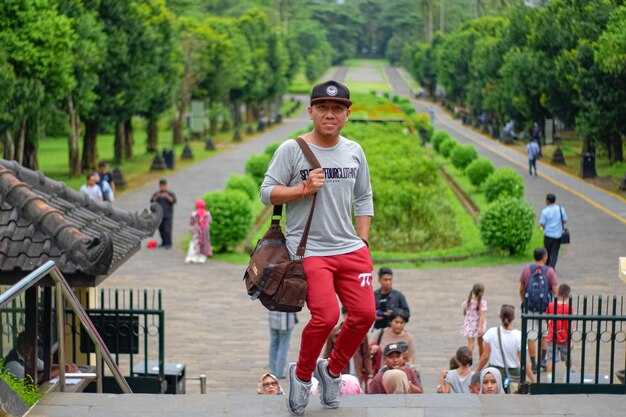
Tip 1: Starting your day near Ben Thanh Market gives you cooler air, shorter lines, and quick access to fresh produce and pho ingredients before crowds are moving in. If you’ve visited hanoi, you’ll notice Ho Chi Minh City moves quickly in this area, so plan a 7:00 start and set your home base nearby.
Tip 2: There are many places to reach by walking or a quick ride; use official apps like Grab to move between key spots and cut back on backtracking. Along the way you’ll pass vendors and markets where you can sample fresh produce and speak with friendly sellers, and you may find another stall with something new.
Tip 3: Know your bill and tipping norms: carry small notes and avoid overpaying by asking for a clear bill in writing or a quick call to the vendor if anything looks off. This keeps exchanges transparent.
Tip 4: Dress for hot days, light layers, and comfortable shoes; stay hydrated and protect valuables in a zipped block bag. You’ll be moving from busy sidewalks to quiet alleys with ease.
Tip 5: Explore street food at trusted stalls and markets rather than fixed chains; shop with vendors who display fresh fruit, herbs, and local sauces. Just watch for busy times to avoid long lines.
Tip 6: Start with small bites from stalls that have a steady display of order volume; avoid raw ice in drinks from street vendors if you’re unsure about cleanliness. The flavors are vibrant and friendly to first-timers, quickly rewarding your curiosity.
Tip 7: Use buses or rideshare options to cover longer routes; there’s no need to rush a single block. For a calmer pace, begin at District 1 and then branch out to nearby neighborhoods to explore yourself and see the city at a human scale.
Tip 8: Learn a few Vietnamese phrases like “xin chào” and “cảm ơn” to show respect; Knowing a few phrases goes a long way. If you meet someone named truong, greet them by name and ask about local tips.
Tip 9: Independence Palace, located on Dien Bien Phu, is a staple cover for your morning route; buy a ticket at the counter, and keep a copy of your passport ready. Its halls tell a clear story of history.
Tip 10: Move through the French quarter block by block to see architecture, churches, and shaded corners where locals rest. This approach helps you spot coffee shops and galleries without rushing.
Tip 11: For souvenirs, shop at independent stores rather than big chain outlets; you’ll find handmade crafts, lacquerware, and local artwork that tells a story from vendors located nearby.
Tip 12: Stay safe on the street: keep bags in front of you and avoid flashing gadgets; if you’re approached with a too-good-to-be-true offer, smile, thank, and move on. These habits save you time and stress, and you’ll keep enjoying the city.
Tip 13: Market hours vary; Starting early helps you cover more ground and avoid mid-afternoon heat. If a stall looks busy, plan to return later when the lines thin.
Tip 14: Bring a portable charger and a simple map on your phone; you can quickly pin a few must-see spots and share your plan with a friend back home if needed.
Tip 15: Sip Vietnamese coffee at a local cafe; the robust brew pairs well with a pastry and helps you stay alert while you map your next move.
Tip 16: Plan a mixed route: districts 1, 3, Thao Dien, and nearby riverside paths; you’ll cover a range of vibes, from markets to art spaces to riverside parks, which likely appeals to many travelers.
Tip 17: Before you head out to cover the city, pin your home base and outline a 1-day plan; starting with Independence Palace, then a friendly cafe, a quick stroll along the Saigon Opera House, and a final sunset at a riverside spot.
Best Time to Visit Ho Chi Minh City and What to Pack
Visit Ho Chi Minh City from December through February for cooler mornings and dry roads. Expect mornings around 20–23°C and daytime highs near 30–32°C, with humidity that’s manageable for long walks, market crawls, and cafe hopping. If you traveled from hanoi or other regions, you’ll notice the pace is welcoming, and mornings feel great for temple visits and getting coffee before the crowds. It’s worth planning outdoor activities in the cooler hours and grabbing a quick bite before the heat climbs. Over the years, the city’s rhythm has evolved, and the volume of street life grows alongside new shaded lanes and pedestrian-friendly pockets there, including private spots for coffee and conversation. Notre local markets and riverside paths offer a glimpse of daily life you can enjoy without rushing.
Outside December–February, expect hotter days and sudden showers. March and November bring warm mornings with frequent rain, while May through October see the heaviest downpours and higher humidity. Rain can come down quickly in the late afternoon; when storms roll in, seek shelter in arcades, markets, or a reliable café. If you’re a first-time visitor, a flexible plan helps you stay dry and cool, and you can shift from outdoor strolls to indoor experiences like museums and shopping in citys stores. Check a weather forecast and a reliable forecast app; download offline maps and a city newsletter for insider tips and event updates to keep you on track there and getting around without stress.
Practical packing list to keep stress low and your plans solid:
- Lightweight, breathable clothing; bring a light cardigan for cooler mornings.
- Sturdy walking shoes and sandals; you’ll be on asphalt and alongside busy roads.
- Rain gear: a compact rain jacket or a plastic poncho to handle sudden showers.
- Sun protection: hat, sunglasses, and high-SPF sunscreen.
- Swimwear if you plan to use hotel pools or riverside spots in the early hours.
- Electronics: phone, power bank, universal adapter; download offline maps and a city guide for reliable use without data.
- Cash in small notes and a couple of cards; keep valuables safe and consider leaving gold, jewelry, or any chain at the hotel when exploring crowded markets.
- A lightweight anti‑theft backpack or crossbody bag to keep your belongings close and not lonely on busy streets.
- Hydration: refillable bottle and electrolyte tablets to stay energized through long strolls.
- Private tours can be a time-saver for first-time visitors; they help with getting around and tailoring a route to your interests.
- Not sure where to start? Subscribe to a city newsletter for insider tips, or download a trusted travel guide to your device.
- Bring a small, secure pouch for valuables and avoid carrying large handbags that can be grabbed easily.
Getting Around: From the Airport to District 1 and Local Transport
Directly pick up a metered taxi at the arrivals hall and head to District 1; the ride takes about 25–40 minutes, with a charge around 230,000–350,000 VND depending on times of day. Use official counters from Vinasun or Mai Linh for accuracy and receipts, a simple thing that keeps things straightforward.
For travel without surprises, write down your pickup details and book a ride via a trusted app like Grab at the curb; fares usually run 120,000–320,000 VND and can rise during peak mornings when the pace slows. This option is simple, and everyone can use it, even if you’re new to the city.
If you prefer a hands-off experience, reserve a private airport transfer through your hotel or a reputable car service. A sedan typically costs 400,000–800,000 VND and includes a meet-and-greet in arrivals, with space for your main bags and a smooth, luxury option for those who value comfort in the first moments of travel.
Budget travelers can opt for the public bus to central Saigon; fares are about 5,000–12,000 VND per ride and travel times vary with traffic, especially in the mornings. Carry small change, know your stop, and you’ll see plenty of local life along the way.
Once you reach District 1, you’ll find plenty ways to move around: taxis, ride-hailing, motorbike taxis for short hops, and easy walking routes to main sights. The location around Ben Thanh Market, Dong Khoi, and the Saigon Opera House shows the city’s french-built charm, while the modern restaurant scene offers both luxury and affordable dishes that highlight Saigon’s culinary diversity. If you’re traveling with someone or someone new to the city, a quick ride can save time and keep your mornings relaxed, so you can simply enjoy the pace of life throughout your stay. For a solo traveler or lonely explorer, a short hop to a dining spot, a coffee shop for a milk coffee, or to a street-food stall with plenty of dishes is never far away.
Eating Well: Safe Street Food Spots, Dishes to Try, and Hygiene Tips
Always pick stalls with fully visible cooking and high turnover; when you order, request items cooked to order and sauces served on the side to control salt and spice. Have a plan for payment: many street vendors in hcmc still prefer cash, so bring small notes; if you must use a card, call ahead to chain spots that accept transactions and display a bank logo. Carry hand sanitizer and a clean cloth; theres no need to risk leftovers or remnants from yesterday’s prep. If a price seems high, ask to see the bill and keep your charge above the base to avoid surprises.
Where to find safe options: hotels’ in-house eateries offer reliable hygiene for travelers having busy schedules, and chain stalls along busy location lines provide consistent standards. Look for long lines, bright lighting, and fresh turnover in market halls like Ben Thanh and Tan Dinh, where vendors rotate through the day and cover fresh items openly. For a quicker, controlled experience, choose stores located near major boulevards with clear signage and visible staff, which helps everyone in your party stay confident about what you’re eating.
Pho in a clear broth with tender beef, fresh herbs, and jasmine tea on the side makes a comforting first choice. Banh mi from a reputable stall is crunchy on the outside, soft inside, with proteins and pickles balanced for a quick lunch. Goi cuon (fresh spring rolls) deliver light textures and clean shrimp, wrapped to minimize spill risk. Bun thit nuong features grilled pork, herbs, and vermicelli with a bright dipping sauce. Banh xeo–thin, crispy pancakes filled with shrimp and bean sprouts–pairs well with lettuce wraps. Try two or three items from different spots to compare flavors and hygiene signals, and choose dishes that you can fully see being prepared.
Hygiene tips to follow through: drink only sealed water and avoid ice from street vendors; use hand sanitizer before handling food and after paying; request utensils in clean wrappers and use napkins to wipe wet hands. Cover your plate with a lid or clean cloth if you pause to decide; if you have a known allergy, ask about ingredients and cross-contamination with pressed meats or seafood–theres no shame in pausing to confirm. Prefer vendors who routinely wash vegetables and switch cutting boards between proteins, and skip raw seafood or undercooked meats. If you’re eating with companions, share a few bites so you can gauge each stall’s consistency and cleanliness, and keep a short list of trustworthy spots for future visits in hcmc.
Money Matters: Cash vs Cards, ATMs, and Tipping Etiquette
Today, carry cash for street hawkers and typical stalls, and reserve card payments for reputable venues; in this century, cash remains king for street purchases. In a particular situation, this keeps you flexible. Avoid over-priced currency exchanges on the street; withdraw local currency with ATMs located inside banks or large malls. If you see advertisement boards for currency exchanging, skip them and check the official desks instead. Knowing this helps you get cheaper rates than quick exchanges.
Choose ATMs located inside banks or major malls to minimize fees and reduce card-skimming risk. Taking a few extra seconds to verify denominations at the machine prevents getting unfamiliar notes. Check daily withdrawal limits and whether your home bank charges foreign transactions. If distance to a branch is long, plan a stop on your day out so you can refresh cash without extra trips.
In typical Ho Chi Minh City venues, many hotels and restaurants near tourist hubs accept cards for larger purchases, but street stalls were cash-only or favor small notes. Carry a pair of cards from different banks as backups, and keep one in a safe place. If you must, you could pay part by card and part by cash for bigger purchases to minimize fees, which makes handling things smoother.
Tipping is modest in Vietnam; in sit-down places, rounding up the bill or leaving a small amount for good service is appreciated but not required. For street meals, no tip is expected; if you want to acknowledge excellent service, a few thousand dong with a polite smile works well. When service charges appear on the bill, understand that this varies by venue and city area; use your judgment and avoid pressuring staff.
Keep a list of nearby ATMs and their fees; check the latest page from your hotel desk or city guide for recommended spots. Some hawkers said cash is faster and helps you avoid confusion. In crowded street markets, be aware of volume and pace; hawkers may approach with frequent offers, and a calm approach helps you compare prices. If a vendor quotes a price, you could ask for a breakdown in dong and compare with a nearby shop; sometimes you will find things are cheaper or more affordable depending on distance. Getting change carefully is part of the routine, so count before you leave and check the bill.
Staying Safe: Common Scams, Health Precautions, and Emergency Contacts
theres one decisive rule for Saigon visitors: insist on a meter or fixed fare before you start any ride, and use trusted taxis or ride apps. If a driver tries to dodge the meter or pressure you into a shortcut, cancel the ride and choose another car. Always confirm the price in advance, especially in busy traffic areas where quick exits help you stay on schedule.
Be aware of common scams: taxi meters may be swapped, motorbike touts offer overpriced tours, and counterfeit notes circulate near crowded markets. Watch the display on payment devices, count cash discreetly, and decline offers that sound too good to be true. Beware around notre cathedral area and near Independence Palace, where crowds can mask pickpockets. When shopping for souvenirs, compare prices in several shops, avoid overly aggressive sales pitches, and inspect displays for genuine quality over flashy promotions.
Stay healthy on hot days by sipping bottled water, using a refillable bottle with a portable filter if possible, and limiting ice from unknown sources. Dress comfortably, wear a hat, and apply sun protection; chili-spice street foods are delicious, but start with milder options if you’re not used to it. Carry a small first-aid kit, a couple of electrolyte sachets, and any regular medicines. In noisy, crowded places, keep bags close to your body and use zipped compartments to deter pickpockets.
In an emergency, dial 113 for police, 114 for fire, or 115 for medical help. If you need English assistance, ask hotel staff to make the call or visit a major hospital; many clinics in District 1 and District 3 offer translation services. Save these numbers, write them on a card, and keep them with you in your apartment, backpack, or travel wallet. If you miss a turn or feel unsafe, head toward bright, busy streets, a hotel lobby, or a shop with visible staff and wifi access to request help.
theres plenty of practical steps you can take to keep your trip smooth: plan transport in advance, ride with reputable operators, and avoid carrying large sums of cash. For a quick reference, note the following: inflate your awareness of mass crowds, watch for suspicious displays at shop fronts, and remember that genuine deals rarely require you to pay upfront at a doorstep. Keep your belongings in sight, and if you’re unsure, walk away and seek a trusted venue with clear signage and English-speaking staff.
| Kategorie | Common Risks / Precautions | Quick Actions |
|---|---|---|
| Taxi / ride scams | Meter tampering, unmetered rides, unmarked cars | Use meter or fixed fare app; confirm price before starting; note plate number |
| Street scams near attractions | Touts offering cheap tours; counterfeit notes; distraction techniques | Decline unsolicited offers; pay with trusted apps or vendors; keep cash secure |
| Shopping / souvenirs | Overpriced or fake items; aggressive display tactics | Compare shops; inspect quality; avoid impulse buys at busy corners |
| Health & hydration | Dehydration in heat; unsafe street food handling | Drink bottled water; choose well-cooked foods; carry rehydration sachets |
| Emergency contacts | Language barriers in critical moments | Dial 113 police, 114 fire, 115 medical; ask hotel staff for English support |