


 Čeština
  English (UK)
  Русский
  বাংলা
বাংলা  العربية
  日本語
日本語  한국어
한국어  Magyar
  Norsk nynorsk
  Türkçe
  עִבְרִית
  Español
  Svenska
  Português
  Ελληνικά
  Suomi
Suomi  Nederlands
  Română
  Italiano
  Français
  Polski
  Українська
  Deutsch
  简体中文
简体中文  Slovenčina
  Српски језик
  اردو
اردو  Azərbaycan dili
  O‘zbekcha
  አማርኛ
አማርኛ 
Begin with a dawn stroll in the Old Town, then soak in a sulfur bath at Abanotubani. This move will poplatek your senses and give you a personal glimpse of tbilisi’s steam-heavy charm. A simple choice for a day starts with stepping stones around the district and a warm piece of kartvlis bread from a traditional bakery. tbilisi welcomes you with a living rhythm.
Hidden courtyards behind white-washed walls open onto sunlit patios; around each corner you discover a range of blue doors, a cat on a doorstep, and a moment to savor vzpomínky.
Grab a bowl of khachapuri at a family bakery, then sip vino in a shaded courtyard; this simple pairing illustrates the means by which tbilisi nourishes travelers.
Dry Bridge Market blends antiques with contemporary crafts; haggle calmly and you’ll hear stories behind every piece, a personal memory stitched into your bag.
Ride the cable car to Narikala Fortress for a broad view of the river Mtkvari, then wander the walls and streets of the old city below; the route rewards you with freedom to map your own path.
At dusk, traditional polyphonic singing spills from courtyard venues around Sioni; stop, listen, and you’ll feel how tbilisi weaves sound into daily life.
Stroll Marjanishvili and Sololaki for coffee, street art, and small galleries; the quarters shift by hour, offering a choice between vintage Soviet charm and modern design.
Explore the wine-bar pockets near Vera and Mtatsminda; sample small-batch vino, pairing it with a seasonal meze and the warm chatter of locals.
Keep cash handy for markets and bread stalls; on transit, a card works, but some operators still rely on cash. If you’re traveling with friends, split a taxi to save time and keep your plans flexible.
Memories linger as tbilisi reveals layered charm: hidden courtyards, traditional meals, and warm conversations keep inviting you back.
Practical Guide to Tbilisi: Surprising Finds and Local Favorites
Stay in the abano area for a restful soak and rest within easy reach of the old town, then savor khinkali and dumpling bites that reveal the city’s warmth.
Take a short rest at a cozy cafe before you head toward Narikala for sunset, and look toward the hills as the city changes color.
Within easy reach of the core, you’ll find a mix of residential streets, small courtyards, and stores where locals shop for cheese, bread, and fresh herbs.
- Choose a stay in a residential district such as Isani or Vake to enjoy calm mornings, a friendly pace, and some time to observe how locals live.
- Fabrika is a mixed-use hub where you can grab coffee, catch small performances, and join activities that connect visitors with artists and makers.
- In the old quarter, order khinkali and dumpling variations, then ask the vendor for the name of the filling to learn more about regional styles.
- Visit a small qvevri wine bar to sample wines made in traditional clay jars; this gives you a direct feel of winemaking and a chance to pair it with mineral water.
- Pair a toasty cheese plate with a glass and observe how georgians loves to toast; the ritual invites friends and even your mother to share stories and laughter.
- Take a sunset walk to Narikala again and explore places near the old town where the vibe shifts from daytime markets to night cafés.
- Check facebook pages for pop-up markets, art fairs, and language exchanges; some events happen within quiet courtyards that feel like hidden gems.
- Plan a compact day with some activities that mix mountain views, history, and street life; you’ll notice theyre open, curious, and eager to welcome visitors and share tips.
Freedom to wander through these nooks, plus the chance to taste khinkali, dumpling, and cheese in informal settings, makes the city feel intimate and alive place.
This approach highlights the best of Tbilisi: name-worthy spots, a friendly atmosphere, and a style that blends old and new in a way that makes you want to stay again.
Hidden Cafés with Scenic Rooftop Views
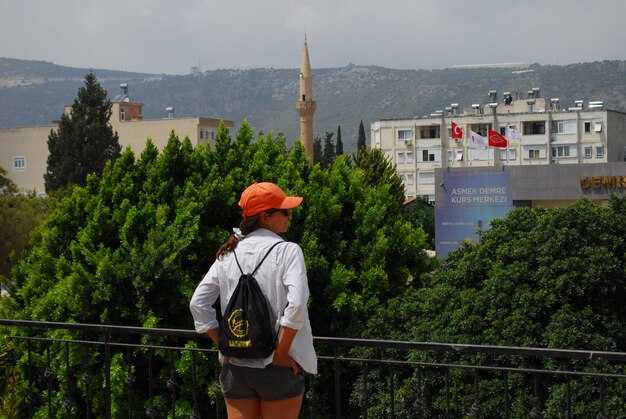
Head to a tucked-away rooftop balcony above a bakery in Abanotubani, and youll feel Old Tbilisi being lit from within as dusk settles. The reason locals keep this corner quiet is the balance of a residential side street in the neighborhood and a broad view, a moment when kartvlis bread aromas mingle with qvevri wine. youll also notice how a simple toast and a light course of local food can become a memory, all without the crowd you might expect on busier rooftops.
Spot A sits on the residential side of Abanotubani, tucked behind a chalk-white door and a narrow staircase. The balcony faces the lit roofs across the valley; theyre small and intimate, with a soft hum of conversation, and the view is unobstructed enough to count the copper domes. The menu favors simple food, andor a light course, with kartvlis bread and a cheese plate, plus qvevri wine. The chef invented a pairing that works with a coke for non-alcohol drinkers, and youll want to linger at the edge to catch the last glow as the city shifts toward night.
Spot B sits behind a café on a narrow alley near Avlabari; the rooftop feels like a balcony perched above a living painting of red-tiled roofs and the river line. unlike busy bars, it keeps a slower tempo and a place for conversation. theyre open late on weekends, with a tiny menu featuring a goat-cheese course and a coke alternative; youll notice how a soft breeze and the glow of Mtatsminda create a sense that the city is a single stage.
Spot C sits atop a renovated building in Vera’s residential belt; the glass balcony looks toward the old town and the Kura river, offering a clean, contemporary feel. The name of the venue remains understated, and its strength lies in a concise food program and a qvevri flight that was invented by the chef. Forward-facing windows let you see Mtatsminda rise in the distance, and you can choose between a light bite or a more substantial course. Three points to note when you go: accessible stairs from the residential street, a shaded corner for warm evenings, and a staff that can explain the qvevri tradition. youll find the sunset here is unlike any other in the area.
| Spot | Neighborhood | Rooftop Feature | Best Time | Poznámky |
|---|---|---|---|---|
| Spot A (Abanotubani Balcony) | Old Tbilisi, Abanotubani | Small balcony with domed rooftops visible | 7–9pm | Kartvlis bread, cheese plate, qvevri wine |
| Spot B (Gondola Rail Café) | AvlLaBari corridor, residential alley | Narrow platform with gondola-inspired railing | Sunset to blue hour | Goat-cheese course; coke option |
| Spot C (Vera Glass Terrace) | Vera, residential belt | Glass balcony facing Old Town and Kura river | Clear nights | Qvevri flight; light bites |
Narikala Fortress Cable Car: Sunset Photo Tips
Take the last cable car up at sunset and shoot from the Narikala side to capture Old Town skyline as the city lights begin.
At the lower station, buy a round-trip ticket; cards are accepted and youll receive a simple token that covers both directions.
Stand on the sololaki side for a composition that includes Narikala fortress, the old buildings, and the river. If light allows, include the garden at the base to anchor the frame and let the warm brick glow lead the eye.
For a camera or smartphone, switch to manual or HDR, lock exposure on the brightest window, and set ISO 100-400 with shutter 1/125 or faster. This will keep the sky from washing out while preserving details in the buildings.
As you shoot, youll share the moment on facebook; neighborhoods around sololaki appreciate these views and often offer tips on angles that emphasize the fortress side. This area is very photogenic at sunset, and youll notice small details like wines and cheese stands catching amber light near the station.
When the light fades, descend by taxi or walk to a nearby cafe for a quick rest; keep your insurance information handy and your valuables close. The route is straightforward, and this side of the hill offers clear perspectives for your memory card.
First thing: arrive early, check the wind near the platform, and pick a side that keeps the railing in the frame. youll get a clean shot before crowds gather and before the night becomes a sea of lights.
Where to Eat Authentic Khinkali and Khachapuri Away from Crowds
Skip the Old Town crowds and head to Avlabari’s quiet lanes for authentic khinkali and kartvlis khachapuri. In this neighborhood, family-run spots charm visitors with a simple setup and dishes that shine. The cooks love to chat while they squeeze fresh dough, and they even offer tips on how to balance broth and crust. This is where a low-key evening can start.
From Narikala, descend toward the river and discover several spots tucked into courtyards that rarely appear on tourist itineraries. These places avoid the typical Facebook queues, rewarding those who wander with warm hospitality and steady flames. If you arrive late, you’ll still find a tiny table ready, and the cooks are happy to explain the differences between khinkali styles and kartvlis techniques. Anyways, the best memories come from trying things you can’t pronounce.
Order khinkali with a clear, meaty broth and kartvlis khachapuri with a runny egg center. The dough stays silky, the meat filling is seasoned with pepper and herbs, and the cheese pulls without clinging to the crust. Try a tomato-based salad on the side to balance richness–a simple touch that many locals love.
Prices stay friendly and the points are easy to compare across spots. If you’re sharing, you can sample several dumplings and one kartvlis khachapuri to measure which neighborhood offers your preferred balance of dough and filling.
How to find them: ask market vendors, watch for steam rising from a doorway, or check Facebook groups that focus on local bites. On Facebook, posts and shares from visitors reveal hidden gems. Look below the storefront sign for hours and the chef’s name; you’ll learn who’s managing the pot and who loves teaching customers the craft.
After Narikala, take a short stroll through a quiet courtyard and you’ll likely meet cooks who welcome curious visitors with a friendly nod and a plate of fresh khinkali. If you feel lost at first, a warm smile goes a long way, and locals will guide you. Sometimes the initial approach is a bit off if you don’t speak Georgian, but the gesture of sharing a hot pot crosses the language gap–these experiences feel magical and lovely.
Video clips from these spots spread slowly: a brief scene of steam, a clink of dough, a cheerful “Cheers” in a soft Georgian accent. They’re great for sharing on your feeds, giving friends a real sense of Tbilisi’s cuisines and the neighborhood atmosphere, not just polished tourist images.
Bottom line: avoiding crowds means you can focus on technique and warmth–things that a hard-to-find kitchen often hides. The latter moments, when a cook teaches a dough trick or reveals a tomato-scented spill, become the kind of memory you’ll revisit in photos and conversations with locals who visited later on.
Managed well, your evenings become a relaxing, delicious detour from the typical path, a tiny odyssey that stays grounded in everyday Georgian hospitality. If you’re ever unsure, ask for the cook’s recommendation and follow a short stroll to a cozy courtyard–it’s how many locals love to eat, share stories, and keep the magic of khinkali and khachapuri alive beyond the crowds.
Smart Transit Tips: Metro, Buses, and Marshrutkas for Fast Getting Around
First, use the Metro to move fast between Old Town, Rustaveli, and central stations. For your first ride, follow the signs to the departure hall and pick up a rechargeable card at the counter or vending machine, then top up for multiple rides to avoid queues. The site’s official guide is updated with line closures, so you won’t miss a window during maintenance. whatd you choose, the metro remains the quickest way to cross town.
Always check the official site for hours and maintenance dates. The Metro typically runs from around 6:00 to 01:00, with trains every 5–8 minutes during peak periods; outside rush hours, intervals widen to 10–15 minutes. Batumi comparisons aside, this consistency helps plan a tight schedule.
Buses fill gaps where the Metro doesn’t reach; board at marked stops and pay on board with exact cash or a loaded card. Look for routes that pass by landmarks such as museums and traditional districts; fares are cheap and you’ll sometimes see discounts for students, elders, or groups. The name of the route is posted on the front, so ask the driver if you’re unsure.
Marshrutkas are the fastest option for short hops and late-night travel. Locals agree that you can hop on at busy hubs or near major stations; tell the driver your destination by name, or point to a landmark on the map. Fares vary by distance; you pay on boarding in cash and often on exit in dense crowds. If you’re trying this for the first time, watch the counter for change, and don’t forget to alight at the right stop. If you’re lucky, a woman at the counter can guide you to the right marshrutka.
For a scenic break, take the gondola up to Mtatsminda Park; it delivers a gorgeous overhead view of the city and connects downtown with the park area. Use the gondola when you want a smooth, traffic-free ascent after a museum visit or a long walk along the river.
Keep small gear tucked under seats and watch your belongings; during busy times, the cars and vans feel crowded–stay patient and avoid blocking doors. The black signage at some stops helps you identify which marshrutka or bus is coming, while a quick glance at the line on the map prevents wasted minutes. Always carry a backup plan and a few extra dates on your phone in case a route changes.
This section of the guide aims to keep you looking for fast options and minimizes time wasted. By combining Metro efficiency, bus coverage, and marshrutka flexibility, you get an amazing experience and can explore gorgeous buildings and local life with confidence. Locals agree that using public transit enhances the trip, whether you’re wandering by a museum or sharing a coffee after a ride with a new acquaintance who knows the city well.
Dry Bridge Market: Bargaining Tips and Must-Buy Souvenirs
Go early to Dry Bridge Market to snag the best deals on authentic Georgian keepsakes. In the morning light, stroll along the rail and look for items that capture the city’s trinity of art, history, and daily life, then head to the square to compare prices before the crowd swells. Spotting something you love while looking for standout pieces helps you decide.
Start with a warm greeting, a genuine smile, and a calm approach. Thats a fair starting point, but you can sharpen the price with a counter offer. If a vendor counters, walk away slowly and return later–many shops adjust when you circle back. Ask for a free sample or a small extra item, especially on walnut souvenirs you’re considering; this shows you’re a serious, respectful buyer and protects the peace of the negotiation.
Recommended keepsakes include Georgian enamel jewelry, felt slippers, churchkhela strings, walnut oil, and small mixed metal boxes. For a dish-inspired nod, look for dish-shaped magnets or ceramic coasters featuring local motifs. Georgian motifs shine on ready-made prints and vinyl records, which are ubiquitous and actually sturdy souvenirs for friends back home.
Before you leave, compare several stalls to gauge quality and price. A stall called “Georgian Walnut” often carries a curated range. Look at the workmanship, finishes, and materials–walnut wood products, enamel, leather, and textiles stand out. If you want a quick return path, take a taxi from the exit; drivers know the Dry Bridge area and can drop you to central districts in minutes. Another solid option is to walk toward Freedom Square and continue exploring more places. Another round after a short wait can yield another small discount.
Looking around when morning turns into afternoon, you’ll notice the free rhythm of the market and the looks that define Tbilisi. This georgian place isn’t just a counter of goods, but a living snapshot of georgian life that shows how locals trade and chat. You’ll be exploring again later across more places for new finds and new stories.