


 বাংলা
বাংলা  English (UK)
  Русский
  العربية
  日本語
日本語  한국어
한국어  Magyar
  Norsk nynorsk
  Türkçe
  עִבְרִית
  Español
  Čeština
  Svenska
  Português
  Ελληνικά
  Suomi
Suomi  Nederlands
  Română
  Italiano
  Français
  Polski
  Українська
  Deutsch
  简体中文
简体中文  Slovenčina
  Српски језик
  اردو
اردو  Azərbaycan dili
  O‘zbekcha
  አማርኛ
አማርኛ 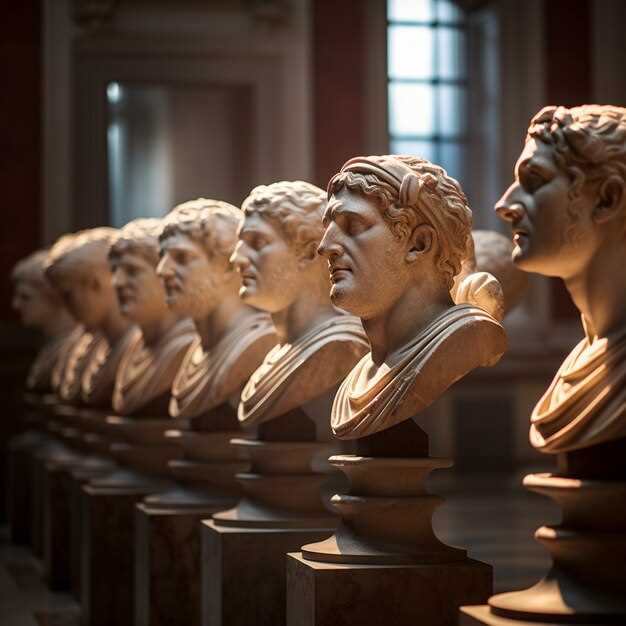 বিখ্যাত ভাস্কর এবং তাদের শ্রেষ্ঠ কাজ - সময়ের সাথে সাথে আইকনিক কাজ">

একজন শিল্পী এবং একটি যুগ দিয়ে শুরু করুন; কিভাবে তারা ফর্মের মাধ্যমে জীবন প্রকাশ করে তা বুঝতে দুটি গুরুত্বপূর্ণ কাজের তুলনা করুন।. উদাহরণস্বরূপ, অধ্যয়ন করুন নেফারতিতি মাইকেলেঞ্জেলোর ডেভিডের পাশাপাশি একটি আবক্ষ মূর্তি দেখুন এবং দেখুন কীভাবে রেখা, অনুপাত এবং বাহ্যিক ভাষা ক্ষমতা এবং সৌন্দর্য প্রকাশ করে। কীভাবে একটি কাঁচা পাথর পালিশ করা পৃষ্ঠে রূপান্তরিত হয়, তা অনুসরণ করুন এবং লক্ষ্য করুন কীভাবে শৈল্পিক দক্ষতা বস্তুগত সীমাবদ্ধতাকে অর্থপূর্ণ অভিব্যক্তি তে রূপান্তরিত করে।.
থেকে প্রাচীন পাথর থেকে রেনেসাঁসের ব্রোঞ্জ, প্রতিটি ভাস্কর্য আদর্শ রূপ সম্পর্কে বিভিন্ন ধারণা দেয়। সামোথ্রাসের ডানাওয়ালা বিজয় যেন কোনো দৃশ্যমান সমর্থন ছাড়াই গতির আভাস দেয়, যেখানে ডিসকোবোলাস momentum-এর একটি মুহূর্তকে ধরে রেখেছে। দ্য থিঙ্কার একটি নির্জন, স্থিতিশীল ভঙ্গির মাধ্যমে চিন্তাকে মূর্ত করে তোলে, যা দেখায় কিভাবে একটি অবয়ব গভীরতা এবং অভ্যন্তরীণ জীবন প্রকাশ করে। এইগুলো মাস্টারপিসসমূহ এবং তাদের চিন্তাউদ্দীপক বৈপরীত্য একটি মান নির্ধারণ করে। arts শিক্ষা এবং জনজীবনে প্রতিফলিত হয়, এবং জাদুঘরগুলোতে অন্বেষণ করা অব্যাহত থাকে। books.
বিংশ শতাব্দীতে, ভাস্কর্যের ভাষা নতুন উপাদান এবং ধারণার সাথে প্রসারিত হয়।. কুন্স জনপ্রিয় চিত্রাবলীকে গ্যালারি স্পেসে ঠেলে দেয়, যেখানে ব্রানকুসির মহাকাশে পাখি বিশুদ্ধ ফর্ম এবং গুরুত্বের উপর জোর দেয়। এই পরিবর্তন পরীক্ষা করে। মহারথী এবং আমন্ত্রণ জানায় তত্ত্ব লেখকত্ব, দর্শক এবং বস্তুর ভূমিকা নিয়ে বিতর্ক জীবন. এটির পাখি-এর মতো সিলুয়েট গতিকে একটি একক অক্ষে পাতিত করে। সমালোচকরা ভাস্কর্য সংক্রান্ত সিদ্ধান্তগুলির সাথে পেইন্টিংয়ের তুলনা করেন, উল্লেখ করেন যে রঙ এবং টেক্সচারের মতোই রেখা এবং ছন্দ উপলব্ধিকে চালিত করে। যুদ্ধ-পরবর্তী ভাস্কর্য বিষয়ক বইগুলোতে আলোচনা করা হয়েছে নান্দনিক বিভিন্ন মাধ্যমে অভিপ্রায় এবং দর্শক প্রতিক্রিয়া।.
একটি ব্যবহারিক পথের জন্য, একটি পঠন তালিকা এবং একটি পরিদর্শনের পরিকল্পনা তৈরি করুন: ডিসকোবোলাস, ডেভিড, উইংড ভিক্টোরি এবং জেফ কুনসের বেলুন ডগের মতো আইকনিক কাজগুলির উপর মনোযোগ দিন। মিউজিয়াম ক্যাটালগ ব্যবহার করুন এবং books যা উচ্চ রেজোলিউশনের ছবিগুলোর সাথে সম্মিলিতভাবে তত্ত্ব নোট। প্রতিটি অংশের পরিপ্রেক্ষিতে বিশ্লেষণ করুন গভীরতা, স্কেল, এবং শিল্পী যেভাবে আলোকে সাজিয়েছেন; বিভিন্ন প্রেক্ষাপটে কীভাবে ব্যাখ্যা পরিবর্তিত হয় তা রেকর্ড করুন। স্টেটস সংরক্ষণের। এই পদ্ধতি থেকে বাস্তব কিছু শিক্ষা পাওয়া যায় মাস্টারপিসসমূহ যা জনসাধারণের স্মৃতিতে টিকে থাকে।.
প্রতিটি তুলনা একটি ভাস্কর্যকে কী করে তোলে তা প্রকাশ করে। masterpiece ব্যাপক অর্থে: গভীরতা, চিন্তাউদ্রেককারী উপস্থিতি এবং এমন একটি জীবন যা দর্শকরা অনুভব করতে পারে। একটি নির্দিষ্ট কাজ দিয়ে শুরু করুন: মূল কোণগুলির ছবি তুলুন, তারপর সিলুয়েট স্কেচ করুন; কিভাবে প্রাচীন এবং আধুনিক আকৃতি দেওয়ার একই মানবীয় তাড়নায় পছন্দগুলো একত্রিত হয়। অনুসন্ধানের মাধ্যমে মাস্টারপিসসমূহ জুড়ে স্টেটস এবং মিডিয়ার মাধ্যমে, পাঠকরা একটি ব্যক্তিগত তৈরি করতে পারেন মহারথী ভাস্কর্য ইতিহাসের, কিউরেটেড দ্বারা সমর্থিত books এবং একটি চলমান নান্দনিক হ্যালো। কেমন আছো? আমি ভালো আছি, ধন্যবাদ। তুমি কেমন আছো? আমিও ভালো আছি।.
আইকনিক ভাস্কর্য এবং জাউমে প্লেনসার অ্যালকেমিস্ট ২০১০ অন্বেষণের জন্য ব্যবহারিক কাঠামো
গুগেনহাইম পরিদর্শনের মাধ্যমে শুরু করুন জাউমে প্লেন্সার অ্যালকেমিস্ট ২০১০-এর সাথে কুসামা এবং বের্নিনির সুপরিচিত ভাস্কর্যগুলোর তুলনা করে, তামার প্যাটিনা, জটিল প্রোফাইল এবং কীভাবে মূর্তিটি একটি সর্বজনীন স্থানে জায়গা ধরে রেখেছে তা উল্লেখ করুন।.
এই চারটি ধাপের কাঠামো প্রয়োগ করুন: ১) ধারণার উপস্থাপন; ২) উপকরণ এবং কৌশল; ৩) প্রেক্ষাপট এবং দর্শক; ৪) নথিপত্র এবং তুলনা। প্রতিটি ধাপের জন্য, বাস্তব পর্যবেক্ষণগুলি ধরুন এবং অ্যান্ডি এবং মাইলোর মতো অন্যান্য কণ্ঠের সাথে লিঙ্ক করুন, দেখুন কিভাবে বিভিন্ন দৃষ্টিকোণ উপলব্ধি তৈরি করে; সৃষ্টি একটি একক রায়ের পরিবর্তে একটি সংলাপ হয়ে ওঠে।.
ধারণার উপস্থাপন: অ্যালকেমিস্ট একটি স্মৃতিস্তম্ভীয় কাঠামো ব্যবহার করেন, যার বাইরের পৃষ্ঠ হাজার হাজার অক্ষর দিয়ে তৈরি, যা আলোয় স্থানান্তরিত হয়ে একটি জটিল টেক্সচার তৈরি করে। এই উপস্থাপনা দর্শকদের যোগাযোগ এবং পরিচয় নিয়েreflect করতে উৎসাহিত করে। তাদের কাজ প্রায়শই বিজয়ের একটি মুহূর্ত তৈরি করে যখন দর্শক ফর্মের মধ্যে নিজেদেরকে সনাক্ত করতে পারে; বার্নিনির নাটক এবং কুসামার লুপ করা প্যাটার্নের সাথে তুলনা করে বিপরীতধর্মী approachগুলো দেখুন। আশেপাশের পরিবেশ ফোয়ারার মতো আভা যোগ করে যা ভাস্কর্যের উপস্থিতি আরও তীব্র করে।.
উপাদান এবং কৌশল: প্লেনসার তামার পৃষ্ঠ পুরনো হয়, সূক্ষ্ম প্যাটিনা প্রকাশ করে; লক্ষ্য করুন উত্তর বা ইয়র্ক অবস্থানে ইনস্টল করা হলে কপিটি কীভাবে প্রথম সংস্করণ থেকে আলাদা হয়, প্রায়শই প্রথম সংস্করণ থেকে ভিন্নভাবে পাঠ করা যায়। কৌশলটি দৃঢ়তা এবং উন্মুক্ততার মধ্যে একটি সূক্ষ্ম ভারসাম্য ধরে রাখে, এবং সূর্যাস্তের সময় পৃষ্ঠটি সফলভাবে আলো ধরে।.
ভাস্কর্যটিকে তার পারিপার্শ্বিকতার সাথে মেলান -Plaza, জাদুঘর, ট্রানজিট হাব - এবং দিনের আলোর সাথে অভিজ্ঞতার পরিবর্তনগুলো নথিভুক্ত করুন। এই পদ্ধতি বিশ্লেষণকে গতিশীল এবং ব্যবহারিক রাখে। স্টুয়ার্ট থেকে পাওয়া প্রম্পটগুলি ব্যবহার করে জনসাধারণের অভ্যর্থনা সম্পর্কে নোট তৈরি করুন এবং অ্যাক্সেসযোগ্যতা সম্পর্কে প্রশ্ন জিজ্ঞাসা করুন।.
নথিভুক্তকরণ পরিকল্পনা: ধারণা উপস্থাপন, উপাদান বিশ্লেষণ, এবং মার্সেল ও অ্যান্ডি-র কাজসহ আন্তঃ-শিল্পী তুলনা করার জন্য একটি ছোট ক্ষেত্রীয় নোটবুক তৈরি করুন। দিনের আলো, ভিড় এবং স্কেল পর্যবেক্ষণ করার জন্য অ্যালকেমিস্ট এবং একই শহরের অন্য দুটি আইকন অন্তর্ভুক্ত করে একটি রুটের পরিকল্পনা করুন; উপলব্ধিকে প্রভাবিত করে এমন বেশিরভাগ কারণ ক্যাপচার করাই লক্ষ্য।.
অ্যালকেমিস্ট ২০১০: ধারণা, প্রতীকবাদ এবং শিল্পীর অভিপ্রায়
ল্যুভর এবং গুগেনহাইম সংগ্রহে থাকা আলকেমিস্ট ২০১০ পরীক্ষা করুন, যেখানে কিভাবে অভিনয়ে ধাতু কিভাবে আলো ধরে এবং কিভাবে image রূপান্তরের একটি ক্রম উন্মোচিত হয়, যা দর্শকদের এর পৃষ্ঠ এবং অভ্যন্তরীণ স্থানগুলোর মাধ্যমে কাজটি পাঠ করতে পরিচালিত করে।.
ধারণাগতভাবে, কাজটি রসায়নকে একত্রীভূত করে একটি রূপক। ফর্ম, জুড়ে থাকা বস্তুবাদী ইতিহাস এবং ব্যক্তিগত বিশ্বাসের মধ্যেকার টানাপোড়েনকে বিভিন্ন সময় এবং সংস্কৃতিতে তুলে ধরে।.
প্রতীকবাদ নিষ্কাশন এবং রূপান্তরের উপর কেন্দ্র করে: ঢালাই করা পৃষ্ঠ প্রাচীন রূপগুলি জাগিয়ে তোলে, যা ইঙ্গিত করে প্রথম থুতমোস বক্ষদেশ, এবং প্রতিধ্বনি। serras‘s restrained curves, while the figure’s mask or shell suggests a জাতি of identities that transcends a single era.
Artist’s intent is to fuse fragments with new alloy, guiding viewers to trace how ফ্রান্সিসকো এবং serras influences shape the piece, while the artist embeds a personal narrative that invites reflection.
মধ্যে সংগ্রহশালা, the piece moves between institutions; the president of the foundation steering loans highlights its role in public programming, while sons of artists and visitors from varied backgrounds engage with its ideas.
To read it fully, compare with works in both the louvre and guggenheim; note the mark left by the অভিনয়ে process, consider the থিমসমূহ of transformation, memory, and power, and trace connections to other times and movements that shape contemporary sculpture.
Materials, fabrication, and visible techniques in Alchemist 2010
Begin by inspecting the armature and the core materials before applying any surface treatment; below the surface, Alchemist 2010 reveals an integrated approach that combines a steel inner frame with a bronze exterior and epoxy resin fills. The abstract forms invite a direct look at how weight shifts into negative space, signaling a deliberate tension between structure and skin.
Materials include steel, bronze, glass, resin, and pigment-based coatings. The sculpture uses a bronze shell over a welded steel skeleton, with translucent resin inserts to suggest fracture lines. Andy’s studio notes emphasize the balance between surface sheen and structural honesty, which allows brief glints along edges and deeper tones in recesses, producing a significant contrast across the look.
Fabrication merges traditional and digital techniques. Lost-wax casting yields the bronze pieces, while CNC milling shapes the steel components and internal lattice. A 3D-printed wax pattern guides resin channels, and skilled hand finishing adds micro-scorches and weathered textures.
Visible techniques include patination with chemicals to achieve greenish-brown halos, burnishing on raised ridges, and abrasion to create a tactile feel. The surface depicts a layered narrative: smoother zones read as calm, rough areas hint at environmental forces acting on a form.
Museums keep the record of display and provenance; when displayed, the work commands attention beneath varied lighting that reveals edge cuts and reflective surfaces. Some editions were sold to private collections, while others remain in public display in galleries and art centers. The display possibilities expand as curators experiment with wall, pedestal, and corner placements to frame the sculpture’s gates and contours.
Influences span industrial design, ritual movement, and gates that frame the figure; the sculpture depicts a dancer-like ascent, with silhouettes engaging viewers from multiple angles. People passing by experience shifts in scale as the piece inhabits corners, inviting close inspection. The work stands among significant artworks of its era, inviting dialogue about form, function, and memory.
Recommendations for curators and collectors: compare with earlier works by the artist to gauge development; check the record of exhibitions to understand display history; examine the materials and finishes under different lights; verify conservation notes with the lender. These steps reveal possibilities for future displays and help position Alchemist 2010 within museum collections and public programs.
Site, installation, and public interaction considerations for Alchemist 2010
Place Alchemist 2010 in a park with wide pedestrian flows and clear sightlines to maximize visibility and safety. Choose a site within the park’s central axis where exteriors meet daily life and the fountain-like presence of the sculpture can be appreciated from multiple streets and seating areas.
Site context links to 20th-century sculpture dialogues: the three carved elements echo Brancusi’s reduced forms and make a statement about power within urban society. The object should evoke Rome’s plazas and street memory while remaining globally accessible. The work will become a social magnet for residents, students, and visitors, inviting many conversations.
Installation plan: The base should be a robust, weatherproof plinth with a modest footprint (about 2.2 m square) and a height of roughly 3 m for visual prominence. The skeleton is a carved frame in steel, wrapped with a glass or stone skin to suggest liquid flow when light passes across its surface. Anchors are embedded in a concrete footing about 1.2 m deep, with anti-twist bolts to resist wind and vandalism. Materials are chosen to withstand exposure to rain, sun, and freeze-thaw cycles within lifetime of the piece.
Public interaction design: Create three zones around the work: a viewing ellipse at the front, a gentle seating area on the side, and a tactile/interpretive edge for hands-on exploration of textures. Signage uses short, multilingual captions that connect the forms to art history–Brancusi, Rome, and the idea of carved mass becoming liquid in space. A quiet audio layer can be offered via headphones to avoid overpowering street sounds.
Access and safety: ground textures are non-slip; clear paths around the work for wheelchairs; lighting is planned for evening hours to maintain readability without glare. Installations signals and barriers keep visitors at a respectful distance from fragile exteriors while preserving the ability to walk around and experience the piece from multiple angles. The public can circulate at a comfortable pace; the piece stands as a three-dimensional, thought-provoking work in the center of a vibrant urban setting.
Maintenance and documentation: assign a dedicated team for annual checks, cleaning, and protective coating refresh; the lifetime performance depends on weather protection and regular inspection. The project can be supported by Wikimedia data about related works and by public domain photography that helps schools and visitors understand the context.
| উপাদান | দিকনির্দেশনা |
|---|---|
| Site type | Park, exteriors, central axis, near street corners to draw passersby |
| কাঠামো | Carved steel frame with liquid-like skin; height ≈ 3 m; base ≈ 2.2 m square |
| Foundations | Concrete footing ≈ 1.2 m deep; wind-rated anchors |
| Public interaction | Three zones; multilingual captions; QR codes linking to Wikimedia content; headphone option for quiet use |
| রক্ষণাবেক্ষণ | Weatherproof coatings; regular cleaning; post-winter checks for corrosion |
Comparative insights: how Alchemist 2010 fits Plensa’s broader masterpieces
Consider Alchemist 2010 a gateway that clarifies how Jaume Plensa threads personal presence through his broader masterpieces. The work anchors exhibitions worldwide with a calm, abstract mood and a liquid texture that invites a tactile reading of surface and breath.
Plensa is known for shaping public sculpture with prominence, and this piece shows the ability to distill a personal idea into a language that travels across years. It holds a version of his greatest statements, created in ongoing series of works, and it sits alongside voices by artists such as anatsui, okore, rome, tinguely, and smiths, all exploring complexity through material choices. The depiction of a serene, masked figure illustrates how they can render intimate feeling without literal portraiture.
This depiction emphasizes how the sculpture depicts presence as both singular and universal, a strategy that reveals new possibilities in a given context. The work’s abstract forms and flexible anatomy invite viewers to move around it, offering different readings as light shifts and audiences engage worldwide. The combination of liquid surface and static volume creates a tension that has persisted across years and exhibitions, reinforcing Plensa’s ongoing prominence.
For curators and collectors, pair Alchemist 2010 with nearby works from the same era to compare the personal scope of his language. Note how the version in this piece leverages a simple gesture into a sophisticated depiction of humanity, a pattern that repeats in Rome installations and in exhibitions elsewhere. They will see how the greatest outputs of his career balance brevity and depth, while inviting conversations with smiths, tinguely, anatsui, okore, and other artists about the possibilities of sculpture to depict life in three dimensions.
Care, conservation, and long-term preservation of large-scale outdoor sculptures
Begin with a baseline assessment by a qualified conservator within 12 months of installation and establish a long-term monitoring plan with annual updates.
Record as found conditions using a three-dimensional drawing and high-resolution photography to create a robust reference for life-cycle decisions. Create a digital version with version control, attach notes about patina, micro-cracks, and weight-bearing joints, and store everything in a shared archive accessible to conservators, curators, engineers, and site managers.
Materials and surfaces demand design-aware protocols. For marble such as milos marble, apply breathable cleaners, avoid acids or solvents, and rinse with deionized water. For metals, monitor corrosion at joints; when needed, apply a thin, breathable protective layer and re-treat on a scheduled cycle. For unconventional composites, follow the material’s guidelines and consult a conservator before any coating or consolidation. Wherever the sculpture stands, climate and pollution influence the surface; plan drainage and ground slope to minimize water pooling. The plan should be designed for longevity and consider rome-to-coastal environments as well as interior contexts. kusama-inspired textures may guide surface treatment while preserving the artwork’s original language.
For gian-scale installations, coordinate with structural engineers to distribute weight across substantial foundations and ensure anchorage remains accessible for inspection.
- Inspection cadence: formal inspections annually and after significant weather events; document changes with time-stamped photos and measurements.
- পরিষ্কার করার নিয়মাবলী: নরম ব্রাশ বা স্পঞ্জ, পিএইচ-নিরপেক্ষ ক্লিনার এবং স্বল্প-চাপের জল ব্যবহার করুন; পাওয়ার ওয়াশিং বা ঘষিয়া তুলিয়া ফেলিতে সক্ষম সরঞ্জামগুলি এড়িয়ে চলুন; পরিষ্কার করার পরে ভাল করে শুকিয়ে নিন।.
- পরিবেশ এবং সুরক্ষা: ভিত্তির চারপাশে নিকাশী নিশ্চিত করুন, লবণের সংস্পর্শ এবং শহুরে দূষণকারী পদার্থগুলো নিয়ন্ত্রণ করুন এবং বিস্তৃত পৃষ্ঠের উপরে পরিধান কমাতে ছায়া বা বায়ুরোধী ব্যবস্থা বিবেচনা করুন।.
- কাঠামোগত অখণ্ডতা: নিয়মিতভাবে ওয়েल्ड, অ্যাঙ্কর এবং লোড পাথগুলি পরিদর্শন করুন; স্থানচ্যুতি বা আলগা হওয়ার জন্য পরীক্ষা করুন; পেশাদার নির্দেশনায় সামঞ্জস্য করুন; ওজন বিতরণ এবং সমর্থন রেকর্ড করুন।.
- নথি এবং ভাষা: ক্ষেত্রীয় নোট, স্কেচ এবং ফটোগ্রাফ জুড়ে শব্দ ব্যবহারকে একই রকম রাখা; স্থানীয় কর্তৃপক্ষ এবং শিল্পীদের সাথে কথাবার্তা চালিয়ে যাওয়া; স্বচ্ছতার জন্য একটি ফিজিক্যাল বাইন্ডার এবং একটি অনলাইন লগে পরিবর্তনগুলো নজরে রাখা।.
বৃহৎ আকারের বহিরাঙ্গন কাজের বিশিষ্টতা এবং জটিলতার জন্য একটি সক্রিয় মানসিকতা প্রয়োজন। পরিবর্তনের নিরীক্ষণের জন্য ঐতিহ্যবাহী অঙ্কন এবং নোট থেকে শুরু করে ত্রিমাত্রিক স্ক্যানিং পর্যন্ত বিস্তৃত পরিসরের সংরক্ষণ সরঞ্জাম ব্যবহার করুন। বেসলাইনের সাথে বর্তমান পৃষ্ঠের তুলনা করুন এবং কাজটি ঋতু পরিবর্তনের সাথে সাথে বা পরিস্থিতির বিবর্তনের সাথে সাথে পরিকল্পনা ক্রমাগত আপডেট করুন। প্রকল্পগুলি যখন ঐতিহাসিক ভাষার উপর নির্ভর করে, তখন থুটমোস রিলিফের অনুশীলন বা অন্যান্য প্রাচীন কৌশলগুলি অধ্যয়ন করুন যাতে কাজটির পরিচয় পরিবর্তন না করে নিরাপদ পুনরুদ্ধার করা যায়। কুসামা-অনুপ্রাণিত নিদর্শন টেক্সচারের সিদ্ধান্তে পথ দেখাতে পারে, তবুও মূল লক্ষ্যের প্রতি শ্রদ্ধাশীল থাকতে হবে।.
শিল্পী ও তত্ত্বাবধায়কদের সম্প্রদায় এবং ইউনিয়নগুলোর সাথে চলমান আলোচনা চালিয়ে যান। জোসেফ এবং অন্যান্য সংরক্ষকদের মতো কণ্ঠস্বর যোগ করুন যাতে ওজন, সহায়তা এবং প্রবেশগম্যতা নিয়ে আলোচনা করা যায়, এবং নিশ্চিত করা যায় যে সংরক্ষণ ভাস্কর্যের জীবন এবং জনগণের কাছে এর ভূমিকা সম্পর্কে শ্রদ্ধাশীল। এই সহযোগী পদ্ধতি ব্যাপক জনগণের সম্পৃক্ততাকে সমর্থন করে এবং রোম ও তার বাইরেও বিভিন্ন স্থানে প্রকল্পটিকে দৃশ্যমান রাখে। শাটারস্টকের ছবি এবং প্রাপ্ত পুরোনো নথিপত্রসহ চিত্রের রেফারেন্সগুলো অন-সাইট মূল্যায়নের বিকল্প না হয়ে পরিকল্পনাকে সমর্থন করতে পারে।.