


 বাংলা
বাংলা  English (UK)
  Русский
  العربية
  日本語
日本語  한국어
한국어  Magyar
  Norsk nynorsk
  Türkçe
  עִבְרִית
  Español
  Čeština
  Svenska
  Português
  Ελληνικά
  Suomi
Suomi  Nederlands
  Română
  Italiano
  Français
  Polski
  Українська
  Deutsch
  简体中文
简体中文  Slovenčina
  Српски језик
  اردو
اردو  Azərbaycan dili
  O‘zbekcha
  አማርኛ
አማርኛ 
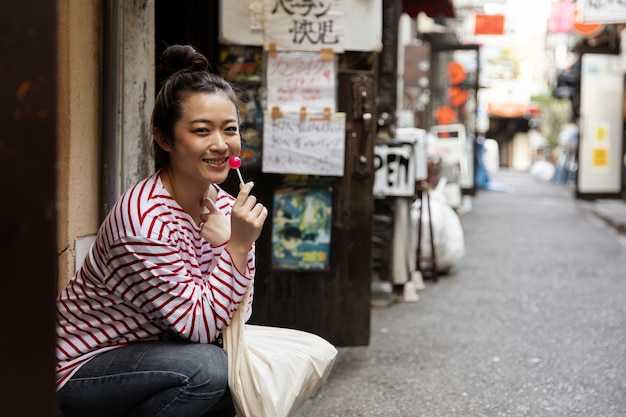
Start with one clear recommendation: map a focused route before you go. In kyotos, cluster sights by district and keep a realistic pace, especially if you visit in mid-january when the air is crisp and the light makes photogenic sites pop. You’ll probably want dawn starts to avoid the rush and to enjoy quiet courtyards. Build in a couple of flexible hours for coffee breaks and a backup plan if a site is closed due to weather or maintenance. Have a lightweight bag to move efficiently between gardens and temples.
Tickets and timings: Buy tickets online for major temples and museums; many sites offer timed entries, which helps you stay on track and avoid waiting. Reserve a ticket in advance for hot spots like Kiyomizu-dera and Fushimi Inari; if a site is closed, you have a clear backup plan. Use guides for a quick history bite or self-guided audio tours to enrich context.
Where to stay and how to move: choose hotels near Kyoto Station or a central neighborhood to minimize travel time, and rely on a rechargeable IC card for buses and trains. This keeps you safe on the streets and makes transfers smooth, especially during peak hours. If you plan a late return, pick accommodations in well-lit areas with easy taxi access.
Nearby day trips: in addition to the city sights, a day trip to nara offers expansive temples and deer-filled parks, while Uji provides matcha and Byodo-in views. Schedule these on lighter days to balance energy and avoid getting overwhelmed by crowds.
What to pack and what to expect: winter weather can swing from freezing mornings to mild afternoons. Pack layered clothing, a warm hat, and waterproof shoes. Carry a compact umbrella and a compact camera; in kyotos light early in the day makes for photogenic angles across gardens and shrines. If you visit during mid-winter, expect shorter days and plan photography around the early-glow hours.
Final mindset: Kyoto rewards planning with calm pacing and concrete results. Build a পরিষ্কার list of sites you want to hit, then trim it to a realistic 3–5 major stops per day. This helps you avoid the rush, stay safe, and leave kyotos neighborhoods with a positive impression rather than feeling overwhelmed.
Kyoto Travel Quick Guide
Start your Kyoto day with a 6:30 am walk through Fushimi Inari Taisha, photograph the vermilion torii as dawn light spills over the hillside, and google the latest opening hours to time your visit.
Respect etiquette at temples: bow at entrances, keep voices down, and follow the signs that indicate photography limits or restricted paths; keeping to the official routes prevents crowding others.
If you want a calmer vibe, drift into quieter lanes around Gion before noon and stop at a small machiya cafe for tea and a snack, avoiding obvious touristy spots. This guide promises practical tips you can apply from the first step.
First you map the major destinations, then leave space for spontaneous discoveries; personally I reserve a couple of hours for a museum or a shaded garden when the sidewalks feel crowded, which helps me reset.
almost every neighborhood hides a gem: small temples, pocket gardens, or a local bookstore; if you feel overwhelmed, step into a quieter street, take a breath, and continue.
Golden hour at Kiyomizu-dera offers spectacular views; time your ascent to capture warm light on the wooden veranda.
For a longer contrast, consider a day trip to Ainokura or other nearby destinations; this spread of experiences shows Kyoto beyond the city core.
For hotels, pick a central base near Kyoto Station or Kawaramachi to minimize transit; most hotels offer luggage forwarding so you can travel light on day trips to destinations like Fushimi or Arashiyama.
If you want a quick reference, use this table to plan your city stops, with recommended times and tips.
| Destination | Best Time to Visit | Why It’s Worth It |
|---|---|---|
| Fushimi Inari Taisha | Dawn or early morning | Quiet gates, photo opportunities |
| Kiyomizu-dera | Late afternoon sun | Golden-hour views and city panoramas |
| Arashiyama Bamboo Grove | Sunrise or late afternoon | Iconic scenery, riverside strolls |
| Nishiki Market | শুভ সকাল। | Fresh bites, local snacks |
| Gion District | Early morning or dusk | Traditional streets, geisha glimpses |
| Ainokura (Gokayama region) | Whole day trip if combining with Kanazawa | Rural houses, UNESCO craft villages |
Choose Your Visit Time: Best Months for Weather, Crowds, and Festivals
Plan your Kyoto visit for April or November. April delivers mild days ideal for long walks to kiyomizu-dera and through the fushimi area, with tons of blossoms and lively streets yet manageable crowds. Expect daytime highs around 18–22°C and nights near 9–12°C, perfect for vibes and photo moments.
In November, autumn colours light up temples and castle grounds across the city, with comfortable daytime temps around 12–20°C and crisp evenings. That mix makes walks through nearby lanes pleasant and keeps costs reasonable outside peak weeks. The busiest periods are March through April and early May for sakura, and July for Gion Matsuri, with Jidai Matsuri in October also drawing crowds. february stays calmer with lower costs, but you’ll miss peak blossoms.
Maps save time: plot routes across kiyomizu-dera, fushimi, and other temples to minimize backtracking. Walk through historic streets, stopping at shops and stores for snacks. Early mornings beat the lines, while evenings light up the streets with a warm vibe. A nearby onsen town offers a relaxing break after a day of ventures through the temples and castle grounds.
Seasonal notes: February is the coolest month but offers crisp light and quiet streets. If you want geiko vibes, plan evenings in the Gion district or nearby geiko quarters. Traveling in autumn or spring brings known beauty and vibrant vibes that help you capture memorable photos. Booking ahead for accommodation and popular spots like fushimi and kiyomizu-dera reduces costs and crowds, and maps help you move across the city smoothly.
Master Kyoto Transit: ICOCA Card, Buses, Trains, and Getting Between Sights
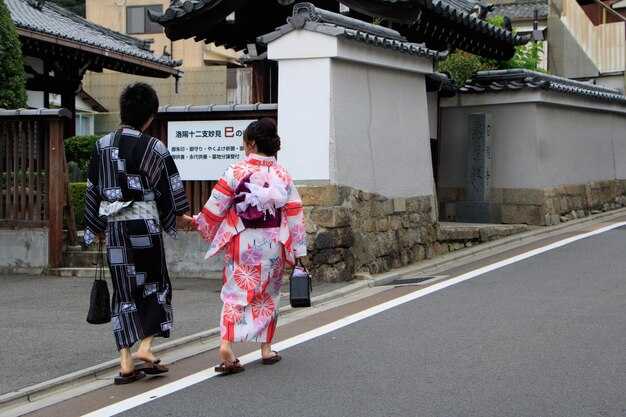
Get an ICOCA card before you ride–it’s the handy way to move around Kyoto. Load 2,000–3,000 yen to cover a few days of sightseeing, then tap on board buses and trains to pay automatically and avoid fumbling for coins. The card works with JR West lines, Kyoto City Bus, subway, and many private railways, so youd travel light and not worry about tickets at every stop. Known for its wide acceptance, ICOCA also works in other western Japan cities; foreign travelers quickly appreciate the simplicity when you switch between operators. This card is especially handy when you plan to visit popular areas like Gion, Arashiyama, or Higashiyama. Think of it as your tap-and-go companion; it is highly convenient for everyday hops. This is a high-value option.
Where to buy and how it works: You can pick up ICOCA at Kansai Airport, Kyoto Station, or major JR and subway stations. The process is quick: you choose a card, pay a small refundable deposit, and top up with cash or a credit card. The card contains stored value that will be deducted as you tap on buses or at ticket gates on trains. A quick tap on the reader confirms the fare, and you can exit via the same reader when you leave a station. Station walls display route maps and service info, and ICOCA is widely accepted at kiosks and convenience stores, making it a compact travel companion. Another handy note: in Kyoto you can use ICOCA across the region, similar to how Suica works in Tokyo.
Buses offer great value for short hops between temples, shrines, and lively streets, while trains save time on longer legs. Kyoto City Bus and the subway provide dense coverage in central districts, with routes along the Kamo river and into the hills north of the city. If you want to dodge overtourism crowds, start early in the Higashiyama area and move west toward Nishiki Market. This approach helps you dodge over-crowding at the busiest times. Neon signs and lights marking station exits help you find your way after dark, and using ICOCA makes transfers smooth; you can ride multiple lines without fumbling for coins, and the system is high value and highly reliable. Some legs involve physical walking, so wear comfortable shoes.
Route ideas for a one-, two-, or three-day stay: from Kyoto Station, ride toward Fushimi Inari using JR or Keihan; to reach Arashiyama, the JR Saga-Arashiyama line or the Randen tram brings you to bamboo paths with mild walking. The Randen ride suits families and travellers seeking a fresh, scenic break; you can stop for tea or a quick drink along the river. Kyoto Station is massive, the largest rail hub in western Japan, and from there you can switch to convenient local buses for easy hops to Gion, Kiyomizu-dera, and the Philosopher’s Path. If you want to see rural pockets such as shirakawa-go or ainokura, plan a separate day trip by train to Kanazawa or Takayama and connect outward; those routes exist but involve longer travel times and can be highly difficult to fit into a single day. Think of ICOCA as your central hub–you contain all your travel in one card and never miss a beat, perhaps ending with a short performance at a small theatre before you head back.
Temple and Shrine Etiquette: Dress, Conduct, Photography Rules
Dress modestly, remove hats before entering interiors, and keep voices low to maintain a peaceful atmosphere.
- Dress and appearance: shoulders and knees covered; avoid loud prints; a tiny scarf or shawl fits easily in a bag; choose breathable fabrics in warm weather while staying traditional; open grounds around the temple welcome visited guests, offering a green grove and a center of culture. Based on recent visits, signs and staff guidance help you stay respectful.
- Footwear and access: many precincts require removing shoes before entering sacred rooms; carry clean socks; check posted signs, as some areas are no-entry except for worship; price information is often shown near entrances; before entering, observe local rules and never push past barriers.
- Respectful behavior: never obstruct walkways, never touch statues or cords that fence off areas; honestly keep noise to a minimum; while you observe, give space to others and follow instructions from staff; witnesses of ceremonies are common, so observe with reverence and care in other moments as well.
Photography rules: photography is typically allowed outdoors and in some gardens, but inside halls flash is usually forbidden and tripods are rarely allowed. Always look for posted notices, and if in doubt, ask directly before shooting. In seasonal holidays or festival periods, restrictions may tighten; during busy times, plan your shots early and respect others’ quiet moments.
- Practical tips: technical gear should be kept compact; a full-frame DSLR is rarely needed–smartphones usually suffice; avoid obstructing paths, and keep your distance from altars and ritual areas; gems of traditional craftsmanship shine in these spaces, so capture without glare or flash. If you arrive by bike, check tyres before you ride between precincts.
- Interaction with people: do not photograph worshippers during rites; some temples welcome observant visitors, but do so from a respectful distance and never disrupt a ceremony.
- Environment and etiquette: temperature can fluctuate between shaded gardens and sunlit gateways, so layer your clothing; if you’re visiting during a holiday, expect bigger crowds and longer lines; open, green grove sections invite calm reflection, so pace yourself and witness the subtle beauty without rushing.
By following these guidelines, you ensure a respectful experience that honors Kyoto’s historical, traditional centers and helps maintain open, peaceful spaces for all visitors. If you need clarifications, staff are typically happy to answer questions directly and provide a course of action based on the current rules at each site.
Money Matters: Cash vs Card, ATM Locations, and Practical Spending
Carry enough cash for daily purchases; you’ll be surprised how many small shops, market stalls, and meals along Kyoto’s পেছন streets prefer cash. For a typical day you might spend 2000–4000 yen on meals, with an extra 2000–5000 yen for incidentals. If cory travels with you, coordinate a plan. Even philosophers among tourists read the signs and prepare for lines, and most would agree a flexible approach beats waiting behind others. That plan is part of smart travel.
Card vs cash: In Kyoto, card acceptance varies. In popular neighborhoods and at major stores, cards handle most purchases, and many চমৎকার restaurants gladly take them. However, many small ramen shops, market stalls, and lantern-lit alleys still accept cash only. If you want to pay directly with a card, that works in most central places, but this doesnt mean you can skip cash entirely. Carry a wallet that keeps both options handy and watch the lines shrink for everyone, including others.
ATM locations: head অবিকল to a convenience store ATM for the easiest access. Seven-Eleven, Lawson, and FamilyMart machines support English and major networks. Kyoto Station area and the Shijo-Karasuma zone host JP Post ATM racks that accept foreign cards, though some machines require you to choose language first. If you’re headed to the mountain paths or the northern hills, withdraw before you go so you avoid back-to-back lines or a missed bus. Note that peak hours–late afternoon–are busiest, so a morning withdrawal is often wiser. You can also find machines that stay open until late in bigger shop-laden streets.
Practical spending: Meals come in many styles; a budget-friendly ramen lunch runs 700–1100 yen, while a solid dinner at casual izakaya runs 1800–3000 yen. For a kaiseki or upscale dinner expect 4000–8000 yen per person. Tax is usually included in prices at casual eateries; always read the menu carefully. In busy districts, case after case, you may see lines forming outside doors–plan a time or wait in a nearby cafe; in unusual cases, a small coin purchase from a vending machine can save time. Many tourists enjoy street foods such as yakitori and taiyaki for 150–400 yen per item.
hidden costs and tips: Some attractions charge extra for late hours or special tours; come prepared with cash for small entry fees. Tipping isn’t customary in Japan, but a polite word or a bow goes a long way. If you’re reading about Kyoto from others, you’ll notice the same pattern: a simple plan and a bit of yen saved you from stress. The city comes alive through its quieter lanes, so plan a few hours to wander a northern district before dinner; a step along a mountain path or a lantern-lit street reveals a fantastic side of the city. Open until late in busy areas, you’ll often find small shops welcoming late visitors.
Bridging Language Gaps: Limited English Outside Hotels and Quick Survival Phrases
Carry a bilingual pocket card with 10 essential phrases, a compact map, and the names of key stations. This is convenient outside hotels where signage and staff arent fluent in English; keep it visible in your wallet and pull it out at train gates, markets, and ticket counters. A quick glance brings you closer to the experience and lets you focus on the bloom of Kyoto’s seasons rather than language hurdles.
Quick survival phrases you can use by pointing to signs or cards: “Where is the ticket counter?”, “Ticket to osaka, please”, “How much is this?”, “Do you accept credit cards?”, “Please speak slowly”, “Could you repeat that?”, “I visited kyotos today”, “kiyomizu-dera is nearby”, “I need help”.
Read signage and match pictures: images on maps and vending machines help when audio isn’t clear. In parks and markets, kyotos and osaka storefronts often display English alongside kanji; although signage is improving, use the pocket card to confirm directions and find the right platform. This approach stays high in clarity and brings confidence when navigation is tough.
At kiyomizu-dera and other temples, the stamp tradition adds a cultural memory. Ask politely, have your goshuin book ready, and accept a simple stamp if needed. The tradition teaches respect and creates a tangible reminder of the visit.
Money and payments: cash remains common, so carry yen and use coins for small shops and vending machines; some market stalls accept cards, but always ask first. This fact keeps purchases secure and reduces delays; carrying cash is a reliable reason to avoid awkward moments. Look for clean facilities and note that some vendors in the market may display multi-course options in small eateries, which can be convenient if you want a quick bite between sights.
Transport planning: For day trips between kyotos and osaka, trains run high-frequency routes; buy a ticket at English-enabled machines; the same fares apply on JR and private lines; using these options, you can find direct routes with minimal transfers. The reasons to plan ahead include shorter waits and clearer signage, especially on busy weekends when stations get crowded.
Be aware of etiquette and safety: keep your passport secure, stay aware of belongings, and respect quiet zones in parks and temples. If you need more help, ask hotel staff or information centers; they can point you toward maps or local tips. This approach works even if you compare the experience to zealand-inspired markets, and it helps you navigate smoothly whether you are visiting kyotos landmarks like kiyomizu-dera or exploring nearby osaka.