


 বাংলা
বাংলা  English (UK)
  Русский
  العربية
  日本語
日本語  한국어
한국어  Magyar
  Norsk nynorsk
  Türkçe
  עִבְרִית
  Español
  Čeština
  Svenska
  Português
  Ελληνικά
  Suomi
Suomi  Nederlands
  Română
  Italiano
  Français
  Polski
  Українська
  Deutsch
  简体中文
简体中文  Slovenčina
  Српски језик
  اردو
اردو  Azərbaycan dili
  O‘zbekcha
  አማርኛ
አማርኛ 
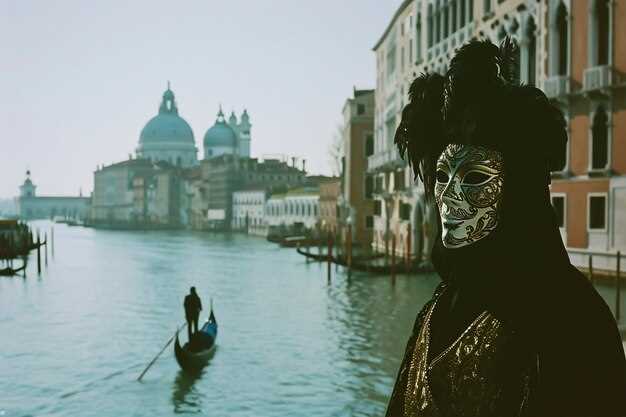
Venice, a city known for its intricate canals and stunning architecture, is also home to some of the greatest painters in art history. This itinerary will guide you through the vibrant tapestry of Venetian painting, showcasing the works of illustrious masters such as Tiziano, Jacopo Tintoretto, এবং Giovanni Bellini. The walking path not only spans picturesque alleys and grand palaces but also leads to remarkable museums and galleries that house some of the most famous altarpieces and landscapes ever painted.
Among the city’s renowned sites is the Frari Church, where you can find masterpieces by Tiziano Vecellio as well as the overwhelming grandeur of his altarpiece, which beautifully captures the essence of Venetian spirituality. This is followed by a visit to the Scola Grande di San Rocco, a church adorned with works by Tintoretto, showcasing scenes that illustrate the dramatic flair and emotional depth characteristic of the artist’s style.
As you wander through the city, make sure to stop by the Rezzonico Palace and other galleries that contain various artworks from the eighteenth century. Here, the influence of Canaletto and his painted landscapes of Venice provides a contrast to the emotional intensity of earlier masters. This itinerary is not simply about the art; it reflects the society and culture of Venice throughout the centuries, inviting art lovers to engage deeply with the stories that echo from the walls of these magnificent structures.
Exploring the Masters of Venetian Art
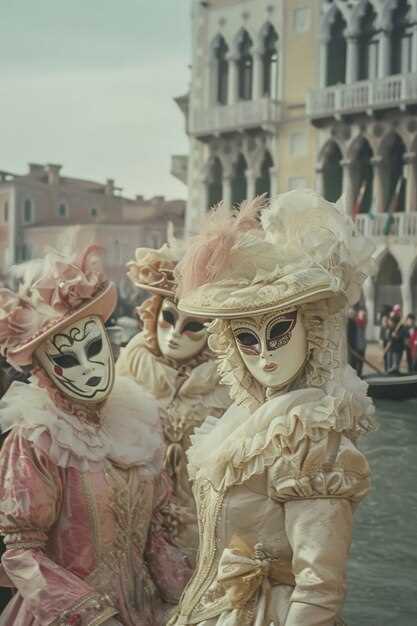
Venice, a city renowned for its intricate canals and stunning architecture, has been the home to some of the greatest masters of art throughout history. Among the most famous painters of the Venetian school is Giovanni Bellini, known for his innovative use of color and emotive landscapes. His works, often displayed in the city’s galleries, invite viewers to experience the depth of human emotion intertwined with the gloriosa beauty of Venetian scenery.
Another iconic figure is Tintoretto, who transformed the visual narrative by masterfully blending dramatic composition with vibrant color. His altarpiece in the Basilica di San Marco stands as a testament to the grandeur of the Venetian Renaissance. This monumental work, alongside various frescoes adorning the walls of the Scuola Grande di San Rocco, showcases his unique style and deep connection to Venetian society.
Tiziano Vecellio, commonly known as Titian, is another must-see master within the Venetian canon. His contribution to the art world includes portraits that depict strong, emotive subjects, as well as lush landscapes that are punctuated by dramatic lighting. His works invite an introspective journey, captivating viewers with their dynamic interplay of color and form.
As you stroll through the city, you will find works by Jacopo Canaletto, whose paintings immortalize the breathtaking vistas of Venice’s palaces and canals. Often regarded as the quintessential Venetian landscape painter, Canaletto expertly captures the light and atmosphere of his adopted city. His keen attention to detail draws art lovers into the heart of Venice, chronicling both daily life and monumental architecture.
The five-century span of Venetian painting is marked by various styles and innovations. In the serene ambiance of the Frari Church, you can find masterpieces by other great artists, reflecting the evolution of subject matter and technique. These walls cradle the history of Venice, showcasing the transitions from religious themes to more secular subjects.
Art lovers embarking on an itinerary through Venice should not miss the opportunity to explore the various museums that house iconic works. The Gallerie dell’Accademia, for example, holds extraordinary collections that include both religious and mythological themes, presenting the unique narrative of Venetian art across centuries.
Throughout the eighteenth century, the Venetian painters continued to push boundaries, painting not only for ecclesiastical clients but also for an emerging bourgeois society. Commentaries on life, love, and nature surfaced in their compositions, making the period a pivotal moment in the evolution of Venetian art.
Each masterpiece, whether it’s a Saint marked by celestial inspiration or a canal scene that encapsulates the essence of Venice, provides insight into the heart of this incredible city. By examining the works of these masters, one can truly appreciate the spirit of Venice, captured beautifully through their strokes over generations.
Who Were the Key Figures in Venetian Painting?
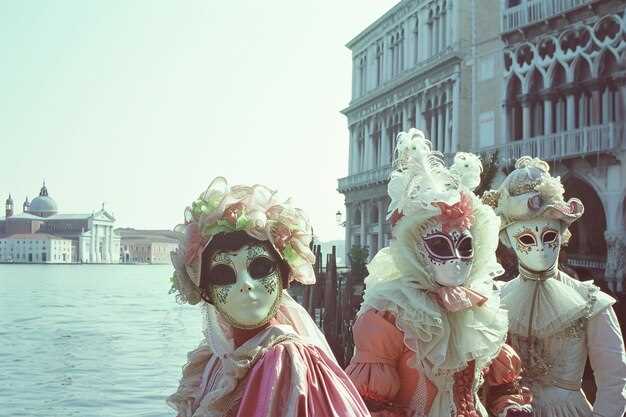
Venetian painting emerged as a dominant force in the art world during the Renaissance, particularly between the fifteenth and eighteenth centuries. This vibrant city, with its iconic canals and palaces, became a hub for some of the greatest painters in history. Each artist contributed significantly to the cultural tapestry of Venice, leaving behind a legacy that art lovers can still explore today.
One of the most renowned figures is Tiziano Vecellio, commonly known as Titian. A master of color and composition, Titian’s works often glorify various subjects, from religious altarpieces to grand portraiture. His evocative use of light and shadow transformed not only Venetian painting but the art world at large, influencing countless artists who followed.
Another monumental figure is Jacopo Tintoretto, whose dramatic style and energetic brushwork set him apart. His dynamic compositions often feature intense religious themes, beautifully illustrated in pieces like the “Crucifixion” housed in the Basilica of San Giorgio Maggiore. Tintoretto’s ability to paint large-scale works for church walls reflected the grand aspirations of Venetian society at the time.
For a more detailed itinerary, art enthusiasts should not miss the Scuola Grande di San Rocco, which houses Tintoretto’s masterpieces. His works demonstrate a profound understanding of human emotion and religious fervor, making them essential stops for those tracing the evolution of Venetian painting.
| শিল্পী | উল্লেখযোগ্য কাজ | এরা |
|---|---|---|
| Tiziano Vecellio (Titian) | Assumption of the Virgin, Venus of Urbino | ১৬ শতক |
| Jacopo Tintoretto | Crucifixion, The Last Supper | ১৬ শতক |
| Canaletto | Venice: A Canal with a Ponte di Rialto | 18th Century |
Canaletto, known for his stunning landscapes, brought Venetian scenes to life through meticulous detail and vibrant color. His paintings of the city’s canals and palaces are iconic, offering an almost photographic glimpse into the eighteenth-century Venice. Art lovers will find his works particularly captivating in the galleries of the Accademia Museum.
In addition to these giants, Giovanni Battista Tiepolo made significant contributions to Venetian painting, specializing in frescoes that decorated the walls of grand palaces and churches. His approach to light and scale reflected the grandeur of Venetian architecture and further solidified the city’s reputation in the art world.
Exploring the Frari Church, visitors can find the masterpieces of Titian and Tintoretto, as the church is a treasure trove of Venetian art history. With its stunning altarpieces and frescoes, it exemplifies the intersection of spirituality and artistry, making it a critical stop on any art lover’s itinerary.
In conclusion, Venice’s rich artistic history is stitched together by the works of great painters like Titian, Tintoretto, and Canaletto. Each contributed uniquely to the cultural fabric of the city, creating a legacy that continues to inspire. Their masterpieces remain a testament to the beauty and complexity of Venetian painting, a must-see for anyone interested in the arts.
What Are the Distinctive Styles of Venetian Painters?
The Venetian school of painting flourished from the Renaissance to the 18th century, showcasing a unique blend of styles that set it apart from other European artistic movements. Key to understanding this is recognizing how Venetian painters employed color, light, and subject matter to convey emotion and grandeur. Artists like Jacopo Tintoretto and Tiziano Vecellio illuminated the walls of churches and palaces with vibrant narratives, often featuring religious themes and saints.
One of the most distinctive features of Venetian painting is its use of color. The palette used by these artists was often more vivid and luminous compared to their contemporaries. This technique can be observed in the works of Giovanni Bellini and Canaletto, where the light plays a significant role in bringing landscapes and urban scenes of Venice to life. Their ability to capture the interplay between light and shadow created a sense of depth and movement, elevating the viewer’s experience.
In terms of subject matter, Venetian painters often focused on religious iconography, which was predominant in the city’s numerous churches. For instance, the Basilica di San Marco houses various altarpieces by these masters, depicting saints and biblical stories in dramatic compositions. This focus on spirituality resonated with the society of the time, making their works a reflection of the culture and beliefs prevalent in Venice.
The thematic diversity also extended to secular subjects, especially in the works of the 18th-century painters. Their ability to seamlessly blend landscapes with human figures in opulent settings represented the grandeur of Venetian life. Artists like Canaletto turned the city’s famous canals and palaces into visual poetry, showcasing the vibrant life along the waterways, which attracted both locals and visitors alike.
Another key aspect of Venetian painting is the emphasis on narrative within the composition. Throughout the centuries, painters like Tintoretto structured their works with dynamic figures and intricate scenes; each brushstroke created stories that unfolded before the viewer’s eyes. This narrative quality is particularly evident in the paintings located at the Scuola Grande di San Rocco, where Tintoretto’s grand allegories convey profound spiritual truths.
Venetian painters also embraced the use of texture and glazes to achieve depth and luminosity that enhanced their subjects. The application of oil paints on canvas, a technique perfected by these masters, allowed for richer colors and finer detail. This innovation helped artists like Tiziano Della to create works that still resonate today in the great galleries of Venice, captivating visitors across the centuries.
In summary, the distinctive styles of Venetian painters stem from their innovative use of color, narrative depth, and varied subject matter. The grand heritage of Venice is best explored through the masterpieces adorning its churches and galleries. An itinerary through this city should undoubtedly include visits to significant sites such as the Frari Church and the palaces along the Grand Canal, where the legacy of these great masters lives on in their immortal works.