


 বাংলা
বাংলা  English (UK)
  Русский
  العربية
  日本語
日本語  한국어
한국어  Magyar
  Norsk nynorsk
  Türkçe
  עִבְרִית
  Español
  Čeština
  Svenska
  Português
  Ελληνικά
  Suomi
Suomi  Nederlands
  Română
  Italiano
  Français
  Polski
  Українська
  Deutsch
  简体中文
简体中文  Slovenčina
  Српски језик
  اردو
اردو  Azərbaycan dili
  O‘zbekcha
  አማርኛ
አማርኛ 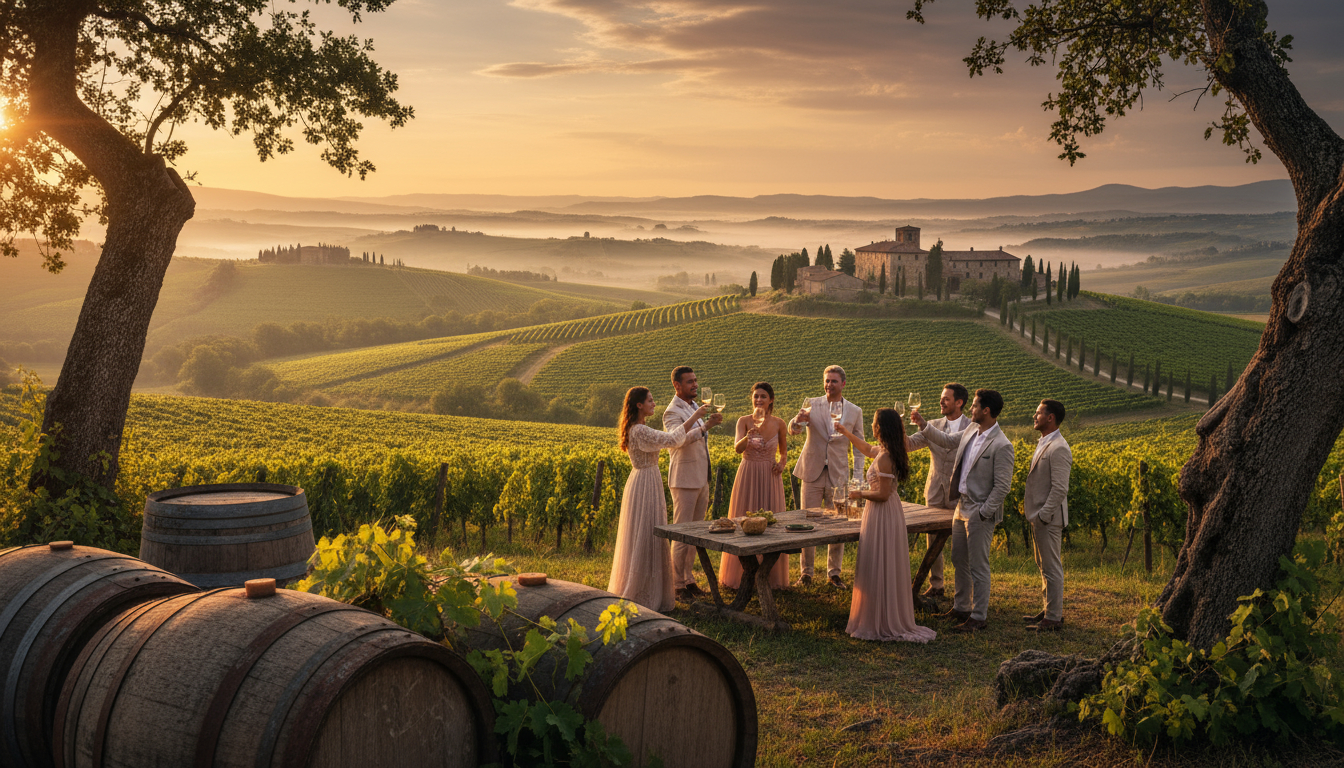 ২০২৫ সালে ঘুরে আসার জন্য সেরা ওয়াইন ট্যুরিজম গন্তব্যগুলো">

Ultimate wine tourism destinations to explore in 2025 beckon oenophiles with a renaissance of immersive experiences, from vineyard yoga in Bordeaux to ancient qvevri tastings in Georgia, blending viticulture with cultural deep dives. As global wine consumption hits 24.7 billion liters per OIV forecasts, these regions transcend mere sipping, offering regenerative farm stays and AI-guided pairings that elevate travel into sensory storytelling. For novices or connoisseurs, ultimate wine tourism destinations to explore promise not just bottles, but narratives etched in terroir—stories of soil, sun, and centuries-old traditions revived for modern palates.
This surge stems from post-2023’s 12% growth in enotourism, driven by millennials seeking experiential luxury amid climate-conscious choices. Regions are innovating: Napa’s solar-powered cellars, Tuscany’s biodiversity hikes, and Australia’s indigenous-led tours. Yet, with overtourism straining vines, 2025 emphasizes sustainable caps, like Rioja’s visitor quotas preserving quiet sunsets. Whether chasing cabernet in Chile or fizz in Champagne, these escapes foster connection—to land, locals, and that perfect pour—making wine tourism a passport to profound indulgence.
Old World Classics: Europe’s Timeless Vineyards
Europe’s heritage vines anchor ultimate wine tourism destinations to explore, where Roman roots entwine with Renaissance cellars, offering layered histories in every glass.
Bordeaux, France: Riverside Elegance and Modern Revival
Bordeaux reigns supreme among ultimate wine tourism destinations to explore, its 57 appellations spanning left and right banks where Merlot meets Cabernet in harmonious reds. The 2025 season spotlights the Cité du Vin museum’s interactive exhibits, simulating vintages via VR from 1855 classifications. Cycle the Route des Châteaux, pedaling past gravelly soils that birth Petrus, stopping at Saint-Émilion’s underground monolithic church for medieval tastings.
Château Margaux’s estate tours reveal biodynamic practices, like lunar-synchronized harvests boosting flavor intensity 15%. For immersion, join harvest weekends at lesser-known Crus Bourgeois, stomping grapes barefoot amid folk songs. Pairings extend to canelé pastries, echoing the region’s sugarcane past. Challenges: High costs—$500/day tours—but value lies in lifelong sommelier connections. Bordeaux’s 2025 novelty: Drone-filmed vineyard symphonies, syncing classical music to growth cycles.
Sustainability shines in Pomerol’s regenerative farming, sequestering carbon while enhancing minerality. Families thrive on kid-friendly picnics at Château Lanessan, with pony rides and juice presses. Evening? River cruises on the Garonne, decanting under stars, cementing Bordeaux’s allure.
Tuscany, Italy: Hilltop Harvests and Renaissance Romance
Tuscany’s cypress-draped hills define romantic ultimate wine tourism destinations to explore, where Sangiovese whispers Chianti secrets across 200,000 vineyard acres. Montalcino’s Brunello di Montalcino estates, like Biondi-Santi, offer cave tastings in Etruscan cellars, tracing 130-year lineages. 2025 brings “super Tuscan” fusions, blending indigenous grapes with Bordeaux varietals for bold, age-worthy elixirs.
Hike Val d’Orcia’s UNESCO paths, pausing at Pienza’s pecorino pairings, or enroll in Bolgheri’s winemaking apprenticeships, blending from barrel samples. The Medici influence lingers in Castello Banfi’s falconry hunts, releasing birds over vines. Stats: Tuscany exports $1.2 billion annually, fueling agriturismi stays where mornings yield olive oil, afternoons swirl Super Tuscans.
For luxury, Relais & Châteaux properties like Castello di Casole host truffle hunts, unearthing Alba whites to match Vino Nobile di Montepulciano. Eco-angle: Organic conversions reduce water use 30%, per regional mandates. Drawback: Crowds in peak Chianti—opt for shoulder-season truffle festivals. Tuscany’s soul? That moment glass kisses lips, evoking Botticelli’s springs eternal.
Rioja, Spain: Tempranillo Trails and Tapas Harmony
Rioja’s terraced vines along the Ebro River craft ultimate wine tourism destinations to explore with tempranillo’s velvet tannins, spanning DOCa zones from youthful Crianza to reserva rarities. Haro’s old town bathes in 2025’s “Bodegas Abiertas” open houses, where Marqués de Riscal’s Frank Gehry-designed hotel hosts futuristic tastings with LED grape holograms.
Tread the Camino de Santiago’s wine variant, hiking between Logroño’s pintxo bars and Ezcaray’s Michelin-starred pairings. Dinastía Vivanco’s museum traces 8,000 years of viticulture, with archaeological digs revealing Iberian presses. Harvest? Join vendimia festivals, basket-strapping through fog-shrouded mornings, rewarded by communal asados.
Sustainability: 80% of Rioja’s 60,000 hectares are organic, per Consejo Regulador, enhancing biodiversity with bat boxes and cover crops. Families: Kid zones at Bodegas Baigorri with grape stomps and storytelling. Cost: Affordable—$100/day includes tours. Rioja’s magic: Tempranillo’s cherry notes mirroring the region’s ruby sunsets.
New World Innovators: Americas’ Bold Blends
The Americas’ youthful vines propel ultimate wine tourism destinations to explore, fusing old techniques with frontier spirit for boundary-pushing pours.
Napa Valley, California: Silicon Valley Meets Sauvignon
Napa Valley pulses as a tech-infused ultimate wine tourism destinations to explore, its 400 wineries yielding 4% of U.S. wine amid oak-studded hills. 2025’s Oxbow Public Market buzzes with AI sommeliers recommending pairings via facial recognition of palates. Cycle Silverado Trail to Castello di Amorosa’s medieval castle, dungeon-tasting Zinfandels from 1400-year-old vines.
Castello di Amorosa’s medieval castle, dungeon-tasting Zinfandels from 1400-year-old vines. Harvest Heirlooms at Sterling Vineyards’ aerial tram, surveying fog-kissed mornings. Stats: Napa’s $6 billion economy supports 24,000 jobs, with regenerative practices like sheep grazing reducing herbicides 50%.
Luxury: Auberge du Soleil’s spa vines facials using grape seed extracts. Eco: Napa’s Green program mandates water recycling. For families, kid-free tastings at Hall Wines’ unicorn-themed cellars. Challenge: Traffic—use e-bikes. Napa’s thrill: That first bold Cab, echoing California’s pioneering roar.
Mendoza, Argentina: Andean Altitudes and Malbec Mastery
Mendoza’s Uco Valley soars among ultimate wine tourism destinations to explore, where Malbec thrives at 4,000 feet, Andes snowcaps framing Fiord’s sustainable estates. 2025 spotlights “Altitud” tours, horseback-riding to high-altitude plots, tasting oxygen-infused vintages at Bodega Salentein.
Luján de Cuyo ‘s parillas grill bife de chorizo alongside Torrontés whites, while Catena Zapata’s Mayan pyramid-inspired winery reveals archaeological blends. Harvest? Vendimia queens parade, blessing barrels in moonlit rituals. Economy: $2.5 billion from wine, employing 20,000.
Sustainability: Drip irrigation saves 70% water, per INV. Families: Pony treks at Bodega Renacer. Cost: $150/day luxury. Mendoza’s essence: Malbec’s plum depth mirroring Andean majesty.
Okanagan Valley, Canada: Icewine Innovations North
Okanagan Valley chills ultimate wine tourism destinations to explore with Riesling’s crisp minerality and icewine’s golden nectar, spanning 5,000 hectares across lakeside benches. 2025’s Winter Wine Festival features frozen grape presses, yielding syrupy elixirs at Quails’ Gate.
Hike Black Sage Bench trails, pausing at Mission Hill’s bell tower tastings overlooking Osoyoos Lake. Indigenous collaborations, like Nk’Mip Cellars, blend Syilx traditions with Pinot Noir. Stats: $1.2 billion industry, 8,000 jobs.
Eco: Solar-powered wineries cut emissions 40%. Families: Berry picking at roadside u-picks. Cost: $200 CAD/day. Okanagan’s charm: Icewine’s honeyed kiss against snowy backdrops.
Emerging Hotspots: Asia and Beyond’s Rising Stars
Asia’s nascent vines and Georgia’s ancient methods diversify ultimate wine tourism destinations to explore, offering fresh narratives in global viticulture.
Georgia (Country): Qvevri Quests and Supra Feasts
Georgia’s Kakheti region revives ultimate wine tourism destinations to explore with 8,000-year qvevri traditions, clay amphorae birthing amber Saperavi. 2025’s Tbilisi Wine Festival pairs flights with polyphonic choirs, at Pheasant’s Tears’ subterranean cellars.
Sighnaghi’s “City of Love” walls enclose vineyard weddings, while Saperavi Zone hikes reveal cave monasteries. Harvest: Rtveli songs accompany grape treading in rivers. Economy: $300 million, 50,000 jobs.
Sustainability: UNESCO-listed methods preserve biodiversity. Families: Grape juice presses. Cost: $100/day. Georgia’s soul: Amber wine’s nutty dance with supra banquets.
Ningxia, China: Silk Road Sauvignon and Desert Vintages
Ningxia’s Helan Mountains pioneer ultimate wine tourism destinations to explore, rivaling Bordeaux with Cabernet Gernischt amid Gobi sands. 2025’s International Wine Challenge spotlights Silver Fox Estate’s solar vineyards, tastings in yurt-like lodges.
Hike Great Wall remnants overlooking plots, blending history with helix blends. Stats: 38,000 hectares, $500 million output.
Eco: Wind farms power cellars. Cost: $250 RMB/day. Ningxia’s promise: Desert-forged boldness.
Planning Your Wine Tourism Journey: Tips and Trends
Crafting ultimate wine tourism destinations to explore requires strategy for seamless sips.
Booking Strategies and Seasonal Secrets
Book six months out for harvest; apps like Vivino map routes. Shoulder seasons dodge crowds, enhancing intimacy. Budget: $2,000/week mid-range.
Pairings and Personalization
Curate via DNA palate tests; join WSET courses abroad. Health: Moderate—reds’ resveratrol aids hearts.
Ultimate wine tourism destinations to explore in 2025 transcend tourism, weaving wellness, wonder, and wisdom into every vintage. From Bordeaux’s banks to Ningxia’s sands, these realms invite you to raise a glass to the earth’s quiet alchemy. Pack your corkscrew, plot your path, and let the vines lead—your toast to tomorrow awaits.