


 বাংলা
বাংলা  English (UK)
  Русский
  العربية
  日本語
日本語  한국어
한국어  Magyar
  Norsk nynorsk
  Türkçe
  עִבְרִית
  Español
  Čeština
  Svenska
  Português
  Ελληνικά
  Suomi
Suomi  Nederlands
  Română
  Italiano
  Français
  Polski
  Українська
  Deutsch
  简体中文
简体中文  Slovenčina
  Српски језик
  اردو
اردو  Azərbaycan dili
  O‘zbekcha
  አማርኛ
አማርኛ 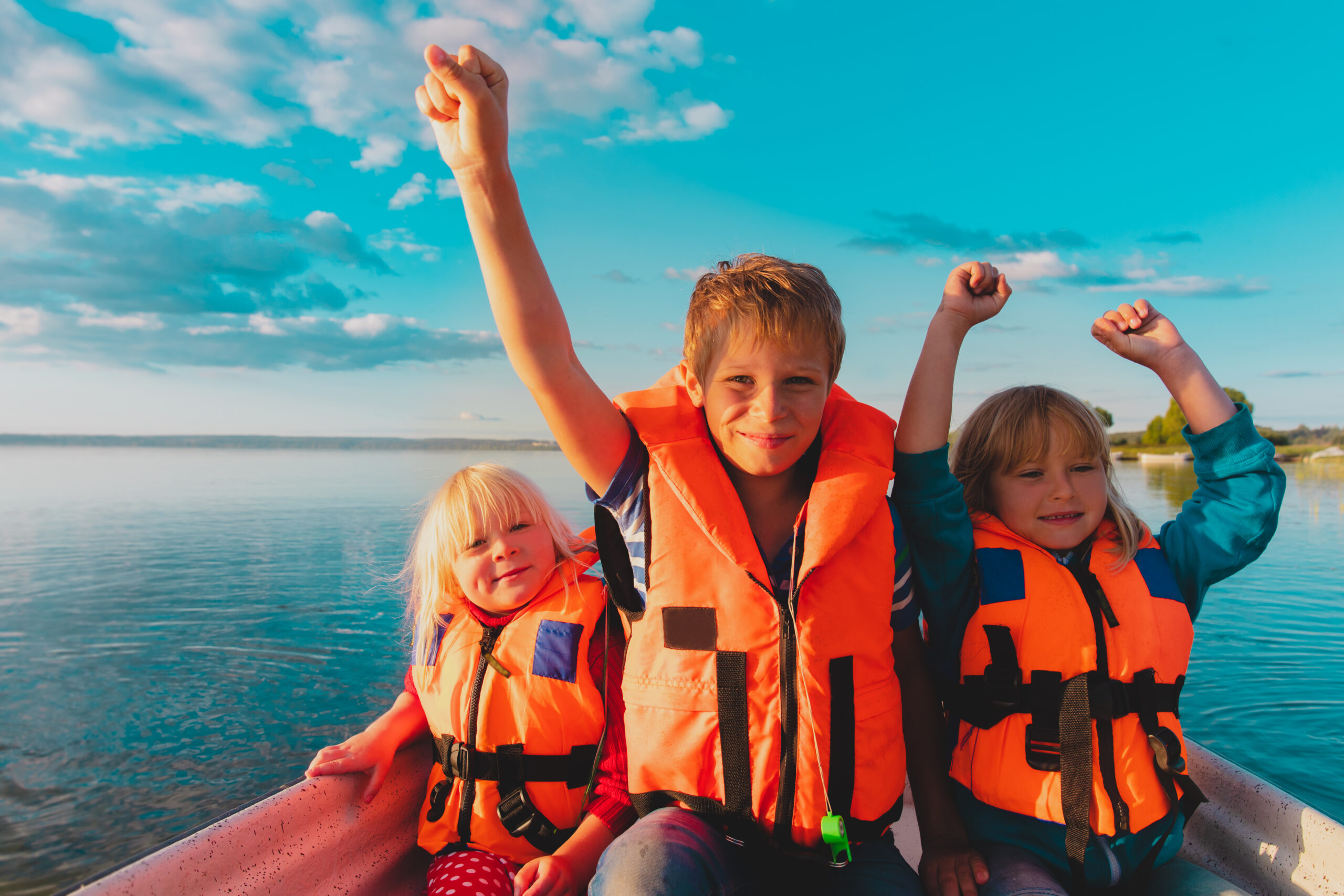 নৌকাচালকদের লাইফ জ্যাকেট, ভেস্টের প্রকারভেদ এবং রাজ্য বিধি সম্পর্কে যা জানা দরকার">

The U.S. Coast Guard mandates that every vessel carry a USCG‑approved Personal Flotation Device (PFD) for each person aboard, and noncompliance can affect charter permits, port access, and insurance claims—an operational detail every tour operator and recreational boater must manage. Inventorying sizes, documenting serviceability, and ensuring immediate accessibility of PFDs are routine logistics tasks for safe trips and compliant operations.
Types of PFDs at a glance
| টাইপ | Common Name | Typical Buoyancy | Best Use |
|---|---|---|---|
| Type I | Offshore Life Jacket | ≈ 22 lbs | Open, rough, or remote water; designed to turn an unconscious wearer face-up |
| Type II | Near‑Shore Buoyant Vest | ≈ 15.5 lbs | Calm waters and close to shore; lightweight with basic flotation |
| Type III | Flotation Aid | ≈ 15.5 lbs | Recreational boating, water sports; maximizes mobility but may not turn wearer |
| Type IV | Throwable Device | 16.5–18 lbs (device buoyancy) | Ring buoys, cushions for aiding someone already in the water; not wearable |
| Type V | Special Use Device | Varies | Inflatable vests, hybrid designs, whitewater and specific sport PFDs |
Choosing the right vest for your trip
Selecting a PFD should be activity-driven rather than aesthetic. Consider these factors before you step aboard:
- Distance from shore: Offshore trips favor Type I devices; near-shore outings can often use Type II or III.
- Activity type: Water skiing and wakeboarding require snug, sport‑specific PFDs; paddlers may prefer low‑profile Type III or special inflatables.
- Passenger profile: Children, non‑swimmers, and persons with limited mobility need higher‑buoyancy, properly fitted PFDs.
- Mobility vs. protection: If you have a mind to move freely (fishing, diving), choose a comfortable Type III; if survival orientation matters, opt for a Type I.
Legal requirements and enforcement
State statutes vary, but the baseline is clear: vessels must have a correctly sized, serviceable PFD for every person on board. Some jurisdictions add mandatory wear rules in specific situations—examples include mandatory life jacket wear for children under a certain age or when being towed behind a vessel. For instance, Wyoming requires that anyone 12 years old or younger wear a life jacket while a vessel is in motion and anyone being towed on skis or a towable must be equipped with a PFD.
Common rules to expect
- One USCG‑approved PFD per passenger, readily accessible.
- Children’s size rules often stricter—check local statutes before travel.
- Inflatable PFDs must be in serviceable condition and, in some states, worn where required by activity.
- Commercial and charter vessels face stricter documentation and inspection regimes.
Maintenance, fit checks, and practical tips
Routine inspection and correct fit are as important as choosing the right model. A well‑maintained PFD is more likely to perform when it counts.
- Inspect straps, zippers, and inflation mechanisms before each season.
- Try PFDs on—chin and ear clearance, snug fit under arm, no excessive lift.
- Replace PFDs that show UV degradation, tears, or compromised buoyancy.
- For tour operators, log inventory, size availability, and service dates to streamline boarding and reduce downtime.
Practical advice for travelers and tour organizers
When planning a coastal getaway or an island hop, think about more than tickets: map PFD availability and state rules into your itinerary, and brief guests on expectations before they board. If you are organizing charters, stock a variety of sizes and styles to suit family groups and active travelers seeking comfort for long days on the water.
At a glance, good PFD practice pairs equipment, education, and enforcement. On GetExperience, travelers can not only book secure, verified boating experiences with voucher confirmation and tailored requests to providers, but also take advantage of transparent payments and a wide range of safety‑aware tour options. When planning a holiday, it’s important to think beyond transport and lodging and to create a cultural and safety program that matches your trip’s ambition—GetExperience stands unrivaled in offering that convenience and variety. Book now গেটএক্সপেরিয়েন্স.কম
To wrap up: keep each passenger equipped with the correct, USCG‑approved PFD; match vest type to activity and distance from shore; perform regular maintenance checks; and verify state‑specific wear laws before departure. Whether you’re arranging yacht parties or exclusive yacht charters for events, booking cruise packages, choosing safari tours with eco-friendly operators, or selecting museum tours with live guides and interactive online cultural workshops, thoughtful PFD planning improves safety and enjoyment. Personal experience will always trump even the best reviews—so secure your safety gear, plan your itinerary, and make the most of your Travel experiences and Adventure activities with confidence.