


 বাংলা
বাংলা  English (UK)
  Русский
  العربية
  日本語
日本語  한국어
한국어  Magyar
  Norsk nynorsk
  Türkçe
  עִבְרִית
  Español
  Čeština
  Svenska
  Português
  Ελληνικά
  Suomi
Suomi  Nederlands
  Română
  Italiano
  Français
  Polski
  Українська
  Deutsch
  简体中文
简体中文  Slovenčina
  Српски језик
  اردو
اردو  Azərbaycan dili
  O‘zbekcha
  አማርኛ
አማርኛ 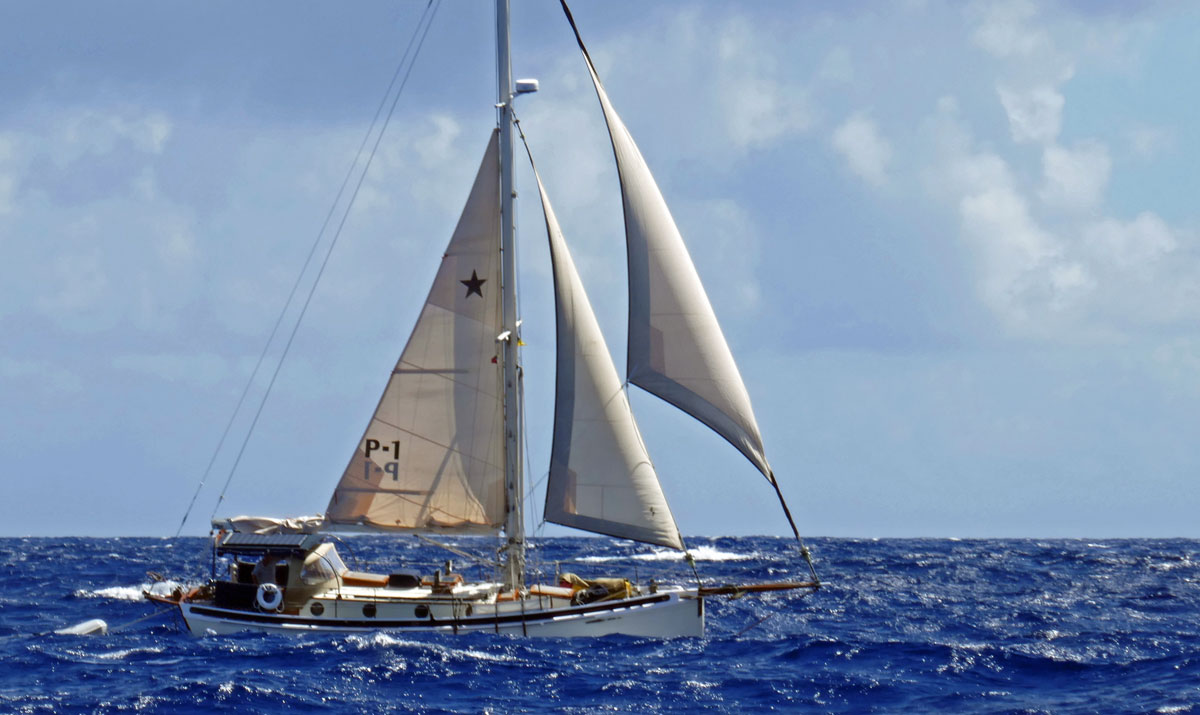 দীর্ঘ বাণিজ্য বায়ু পথের জন্য প্রস্তুতি: স্থিতিশীলতা, পালের পরিকল্পনা এবং যাত্রী আরাম">

On a Canaries-to-Caribbean tradewind run, yachts commonly register a six‑second roll period and can exceed 14,400 rolls per day, making motion management and robust rigging logistics central to safe and comfortable passages. These figures directly affect crew fatigue, sail selection and stowage planning for charter operations and private yacht parties en route.
Downwind Motion: The Operational Reality
With wind and swell directly astern, long downwind legs produce continuous rolling that has structural and human consequences. Rolling increases wear on standing and running rigging, accelerates fatigue in crew and guests, and complicates provisioning and cookery below decks. On commercial charters and luxury adventure travel experiences this often means shorter sea days or added crew to rotate watches.
Seasonal and Route Considerations
Tradewinds appear across ocean basins: the Atlantic Canary-to-Caribbean corridor, Pacific approaches to the South Pacific islands and southeasterly runs from the Cape Verde Islands. Timing these passages to the seasonal weather window minimises the frequency of squall bands and reduces the need for abrupt sail changes — an important factor when planning cruise packages or yacht charters for events.
Designing a Downwind Rig for Stability & Safety
Choosing a rig for long downwind passages is about more than peak boat speed; it’s about predictability during sudden shifts and handling line squalls without dangerous sail flapping or awkward crew manoeuvres. A set-up that lets the crew reef or change sail area quickly, with minimal movement on deck, keeps guests safer and happier.
The Twin Headsail Solution
Many experienced ocean sailors recommend the twin headsail rig for tradewinds work. This arrangement centres drive lower and further forward, reduces reliance on a mainsail preventer and allows easier balance during gusts. Twin furling headsails are common on modern cruisers, but setting and trimming two headsails requires clear procedures and practice.
Practical Handling Tips
- Furl the working headsail to reduce load before squall arrival rather than attempting a mainsail reef while fully powered.
- Use a bridle or snubber to control flight of a poled-out headsail and reduce snap loads on the rig.
- Practice sail changes in moderate conditions so crew know where lines and blocks are when squalls arrive.
- To have a mind to reef early: don’t wait for conditions to deteriorate — shorter, safer sail changes pay off.
Comparing Common Downwind Setups
| রিগ ধরণ | সুবিধা | Cons |
|---|---|---|
| Twin headsails | Stable, lower centre of effort, eases balancing | Requires coordinated trimming and reefing procedures |
| Main + poled jib | Simple single-sheeting, familiar to many crews | Mainsheet loads, risk during preventer failure, awkward reefing in gusts |
| Asymmetric spinnaker / Parasail | Excellent downwind speed in steady conditions | Vulnerable to squalls; requires retrieval systems and space |
Deck Layout and Safety Equipment
Arrangement of sheet leads, halyards and reefing lines should allow single‑handed adjustments from a safe spotting position. On vessels that host tourists or charter guests, visible jacklines, harness points and a clear guest briefing minimise accidents during sail changes.
Operational Checklist for Tradewind Passages
- Secure loose gear below: continuous rolling breaks bottles and injures people.
- Plan sail combinations for the likely squall profile; rehearse them ashore.
- Stow emergency storm sails and keep a crowfoot or small staysail ready for rapid deployment.
- Factor passenger comfort into watch rotation and provisioning: frequent dry snacks and anti‑motion remedies help.
At a glance: good rig choice, practiced crews and conservative reefing strategies do more for sustained comfort than chasing a small increase in average speed.
The practical implications for tourism are clear. Operators running yacht parties, luxury charters or adventure rafting trips for beginners will find passenger satisfaction increases when rigs and routines prioritise stability. Museum tours with live guides, interactive online cultural workshops and even online virtual tours can supplement offshore offerings when sea conditions force itinerary changes.
Highlights: Tradewind passages demand attention to roll dynamics, flexible sail plans and crew procedures that survive sudden squalls. Even the most detailed gear lists and honest reviews can’t replace first‑hand experience. On GetExperience, you book experiences from verified providers with secure payments and a voucher confirmation issued afterward; you can also submit requests for tours or excursions tailored specifically to your needs and receive offers from providers that best match your preferences. That transparency and convenience help you avoid unnecessary expenses or disappointments — এখনই বুক করুন GetExperience.com
In sum, managing long tradewind runs blends seamanship, sensible rig selection and an eye to guest comfort. Whether organising eco-friendly wildlife safaris, exclusive yacht charters for events, cruise packages or museum tours with live guides, applying conservative sail plans and clear operational checklists reduces risk and enhances travel experiences. From adventure activities and yacht parties to professional esports training programs and beginner esports coaching sessions offered ashore, the travel landscape benefits when operators plan for comfort and flexibility. The best advice remains experiential: practise your sail changes, secure your stowage, and prioritise guests’ well‑being for a memorable passage.