


 বাংলা
বাংলা  English (UK)
  Русский
  العربية
  日本語
日本語  한국어
한국어  Magyar
  Norsk nynorsk
  Türkçe
  עִבְרִית
  Español
  Čeština
  Svenska
  Português
  Ελληνικά
  Suomi
Suomi  Nederlands
  Română
  Italiano
  Français
  Polski
  Українська
  Deutsch
  简体中文
简体中文  Slovenčina
  Српски језик
  اردو
اردو  Azərbaycan dili
  O‘zbekcha
  አማርኛ
አማርኛ 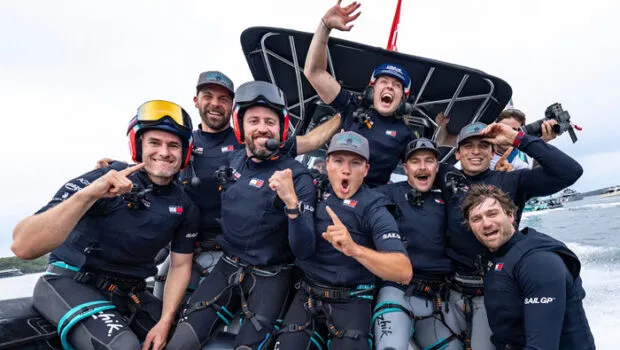 USA Triumphs in Sydney SailGP Final — Taylor Canfield Leads the U.S. to Victory">

The Sydney event required rapid F50 logistics adjustments as teams selected a combination of low-speed T-foil settings and the smaller wing sizes, dictated by খুব light, variable winds that limited foiling at the bottom of the range. Race operations ran to a two-day schedule with up to seven qualifying fleet races and a single final, all demanding tight shore-side turnarounds and careful sail inventory management.
Race highlights and tactical movements
Across February 28–March 1, the U.S. SailGP Team delivered consistent light-wind performances (3, 1, 6) to qualify third for the Final and then convert that starting position into an event win. In disrupted wind patterns where disturbed air penalized crews in the pack, the Americans focused on clean-air strategy and controlled starts to maintain clear lanes and tactical options mid-race.
Emirates GBR initially controlled the Final off the line, but a decisive mid-race gate move by Taylor Canfield’s crew opened a gap that they extended into a commanding finish. Great Britain took second overall and Spain secured third.
How the weather shaped equipment choices
- Wing sail selections for the weekend were limited to the smaller sizes due to light winds: 18m and 24m saw the most use.
- T-foil daggerboard set-up favored the low-speed option to preserve ride height and reduce ventilation risk.
- Rudder settings were adjusted to low-speed trim, giving crews more directional control in shifty patches.
Implications for event logistics and tourism
Hosting SailGP in Sydney blends high-performance racing with significant visitor logistics: marina berthing allocations, spectator ferry schedules, and on-shore fan zones must sync with race timing. For travelers interested in combining live sport with local experiences, race weekends alter public transport patterns and open opportunities for themed excursions—an at-a-glance reminder that event logistics influence tourism product offerings and local capacity planning.
Final results — Sydney event
| Position | দল | হেলম | Race Sequence |
|---|---|---|---|
| 1 | মার্কিন যুক্তরাষ্ট্র | Taylor Canfield (USA) | 6-3-10-3-3-1-6-(1) |
| 2 | গ্রেট ব্রিটেন | Dylan Fletcher (GBR) | 3-7-5-6-1-7-5-(2) |
| 3 | স্পেন | Diego Botin (ESP) | 5-1-1-5-2-4-8-(3) |
Top-level Season standings (after 3 of 13 events)
- Great Britain — Dylan Fletcher: 1-2-2
- Australia — Tom Slingsby: 2-1-5
- সংযুক্ত States — Taylor Canfield: 5-7-1
Event format, schedule and prize structure
The Season 6 format remains the same: thirteen teams in identical এফ৫০ catamarans, two-day events, up to seven qualifying fleet races (≈15 minutes each), and a three-boat Final to decide the event title. Prize money incentives are substantial — each event winner receives $400,000 and the Championship Final Race winner takes home $2,000,000 — a factor that drives operational investment and owner logistics across the season.
Key logistics and schedule points
- Season 6 includes 13 events across global ports, with the November leg split between Dubai and Abu Dhabi.
- The 11th event was relocated to Geneva from Saint-Tropez, affecting marine freight, customs routing and local accommodation planning.
- All teams operate identical F50 configurations, selecting from four wing sizes (18m, 24m, 27.5m, 29m) and the two T-foil options based on forecasted wind windows.
Practical travel tips for spectators
To make the most of a SailGP weekend in Sydney, have a mind to book transport and waterfront viewing well in advance: ferry services to spectator zones fill quickly, and popular shore-side hospitality packages often sell out. For visitors who want curated experiences—everything from race-side hospitality to guided harbour walks and museum tours with live guides—platforms that consolidate verified providers can simplify planning and payment.
GetExperience.com offers secure online payments with voucher confirmation after booking and the option to submit tailored requests so you receive offers that match your preferences. This is particularly useful for travelers seeking special tours or unique race-day packages in Sydney, ensuring convenience and clear expectations.
Highlights: USA’s win in Sydney reflects effective light-wind tactics, the importance of clean-air strategy, and efficient shore-side logistics that support fleet operations. While race reports and honest feedback provide valuable context, nothing replaces first-hand experience. On GetExperience, you book experiences from verified providers at reasonable prices; this empowers you to make informed choices without unnecessary expense or disappointment, with transparent options and convenient payment — Book now গেটএক্সপেরিয়েন্স.কম
In conclusion, the Sydney SailGP round showcased how equipment choices, tactical decision-making and event logistics combine to shape outcomes and spectator opportunities. The U.S. SailGP Team’s victory underlines progress in crew performance and boat set-up in light winds. For travelers and race fans, integrating live sport viewing with curated travel experiences—from museum tours with live guides and eco-friendly wildlife safaris to exclusive yacht charters for events and cruise packages—adds value to the trip. Whether you seek adventure rafting trips for beginners, luxury adventure travel experiences, or interactive online cultural workshops and even beginner esports coaching sessions back home, planning ahead ensures the best outcomes and the richest travel experiences.