


 বাংলা
বাংলা  English (UK)
  Русский
  العربية
  日本語
日本語  한국어
한국어  Magyar
  Norsk nynorsk
  Türkçe
  עִבְרִית
  Español
  Čeština
  Svenska
  Português
  Ελληνικά
  Suomi
Suomi  Nederlands
  Română
  Italiano
  Français
  Polski
  Українська
  Deutsch
  简体中文
简体中文  Slovenčina
  Српски језик
  اردو
اردو  Azərbaycan dili
  O‘zbekcha
  አማርኛ
አማርኛ 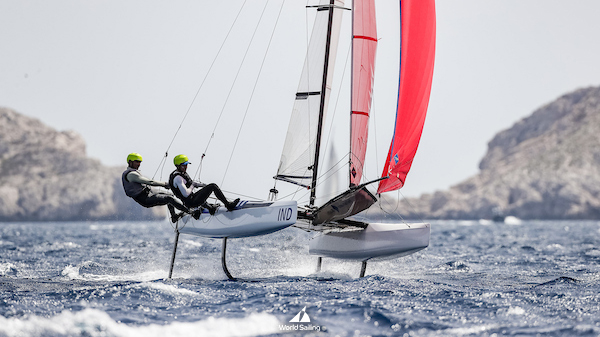 সংশোধিত অলিম্পিক পালতোলা ফাইনালগুলি কীভাবে রেগাটা লজিস্টিকস এবং দর্শক ভ্রমণকে নতুন আকার দেয়">

Port berth allocation, racecourse towage windows and coastal traffic management will need revision to support the new Olympic sailing finals that compress points and expand on-course finals racing formats.
What changed: concrete format adjustments
বিশ্ব পালতোলা নৌকা প্রতিযোগিতা has moved away from a single winner-takes-all showdown and agreed two distinct finals systems: one for windsurfing and kites, and another for dinghy, skiff and multihull classes. The adjustments affect scheduling, shore-side infrastructure, and the way regatta organisers manage transition times between heats and finals.
Windsurfing and kite finals — staged knockout
After the initial selection series, the top 10 enter a sequence of elimination races: quarter-final, semi-final and grand-final. Quarter-finals involve positions 6–10 in a single race, from which the top two advance to join 3–5 in the semi-final. The two winners from that semi-final move into a four-boat grand-final with the top two from the selection series. In the grand-final the top two start with a win apiece; the first competitor to reach two wins takes gold.
Implications for operations
- Racecourse turnaround: tighter scheduling between knockout rounds requires precise launch/recovery windows and support craft coordination.
- Equipment staging: larger onshore holding areas for boards and kites during rapid eliminations.
- Broadcast logistics: multiple short, high-intensity races increase demand for mobile camera platforms and rapid commentary transitions.
Sailing classes — compressed points board
For dinghy, skiff and multihull fleets, the opening series (8–9 races) still seeds the fleet, but total points for the top 10 are adjusted post-series so that no competitor leads by more than 9 points over the next placed sailor; positions 4–10 cannot be more than 18 points behind third. All 10 then enter a finals day consisting of two single-point races, where medal outcomes remain possible for every entrant.
| Class | Pre-finals | Finals structure | Medal determination |
|---|---|---|---|
| Windsurfing / Kite | Selection series → top 10 | Quarter → Semi → Grand-final (knockout) | Best-of wins in grand-final (first to two) |
| Dinghy / Skiff / Multihull | 8–9 races → top 10 | Points compressed → two single-point finals races | Aggregate points after compressed board and finals |
Why the changes matter for competitors and organisers
The revised formats aim to reduce the volatility of a single short deciding race while keeping finals day exciting. For athletes, the system rewards consistent series performance without allowing an overwhelming lead to render finals predictable. For organisers, compressed points and knockout rounds require adjustments to timing plans, safety boat rosters and shore-side logistics such as accreditation queues and spectator flow control.
Operational risks and mitigations
- Risk: variable coastal weather could still swing short races — Mitigation: flexible race windows and backup course areas.
- Risk: increased onshore congestion during finals day — Mitigation: staggered arrival slots, expanded gear storage, improved signage.
- Risk: broadcast scheduling conflicts — Mitigation: redundant uplinks and tighter coordination with race management.
Event calendar and trial implementation
The new formats will be trialled during major Olympic-class events this season, starting with the Trofeo Princesa Sofía regatta in Mallorca in late March. Host venues should expect higher short-term peaks in shore-side activity and spectator demand on finals day, which can translate into increased local tourism if transport and hospitality capacity are well managed.
Tourism and spectator experience at a glance
- Fans benefit from more decisive multi-race finals that keep suspense high throughout the day.
- Local businesses can see spikes in bookings for accommodation, dining and excursion services tied to regatta schedules.
- Regatta organisers can partner with tour operators to offer bespoke coastal experiences and marina access passes.
Photo: Mark Lloyd/World Sailing
The coming season will be scrutinised closely: athletes welcome a format that balances series consistency with finals excitement, while regatta hosts must adapt logistics to support tighter race sequences and larger, more concentrated spectator flows.
For travellers planning to attend events like the Trofeo Princesa Sofía or similar regattas, GetExperience offers practical advantages: secure online payments with voucher confirmation, tailored tour and excursion requests, and verified providers offering a range of spectator and ancillary experiences in host destinations. This ease of booking helps visitors combine race-day tickets with local cultural programs and coastal excursions without the usual hassle. Book now গেটএক্সপেরিয়েন্স.কম
In summary, the revised Olympic sailing formats introduce a fairer finals roadmap that reduces the weight of a single deciding race while keeping finals day compelling for spectators. Operationally, ports and race organisers must adapt berth planning, racecourse timing and shore-side logistics to meet intensified demand. For travellers and sailing fans, these changes promise more engaging viewing and expanded opportunities for travel experiences, adventure activities, museum tours with live guides, luxury adventure travel experiences, eco-friendly wildlife safaris, interactive online cultural workshops and exclusive yacht charters. Ultimately, nothing replaces seeing it in person: book thoughtfully and enjoy the spectacle.