


 বাংলা
বাংলা  English (UK)
  Русский
  العربية
  日本語
日本語  한국어
한국어  Magyar
  Norsk nynorsk
  Türkçe
  עִבְרִית
  Español
  Čeština
  Svenska
  Português
  Ελληνικά
  Suomi
Suomi  Nederlands
  Română
  Italiano
  Français
  Polski
  Українська
  Deutsch
  简体中文
简体中文  Slovenčina
  Српски језик
  اردو
اردو  Azərbaycan dili
  O‘zbekcha
  አማርኛ
አማርኛ 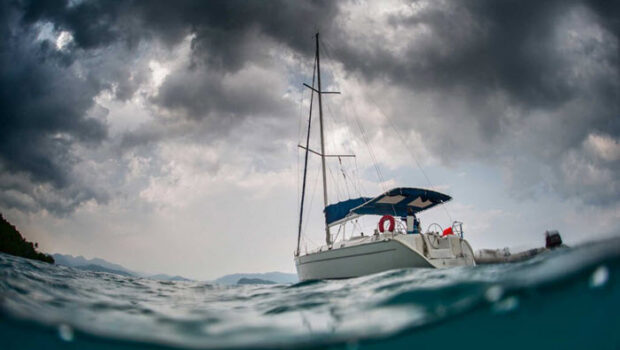 নৌ-দুর্ঘটনা এড়াতে এবং আনন্দযাত্রা নিরাপদ রাখতে ব্যবহারিক পরামর্শ">

Marine weather advisories are broadcast on VHF channel 16 for initial distress and urgent warnings and on channel 22A for detailed forecasts; NOAA Weather Radio provides continuous updates on dedicated frequencies—check at least two forecasts (NOAA, Windy, AccuWeather) and heed small-craft advisories before departing.
What investigations reveal at a glance
Investigations into maritime accidents repeatedly show a chain of small failures rather than a single catastrophic cause. Chuck Hawley, former chairman of US Sailing’s Safety at Sea Committee and a National Sailing Hall of Fame inductee, has examined numerous incidents and highlights human factors—decision errors, neglect, and overreliance on technology—as primary contributors. A 2025 capsizing near লেক Tahoe that claimed eight lives underlines how quickly routine outings can become fatal when engines stall and crew do not don life jackets.
Common boating mishaps — quick reference
| Mistake | Immediate consequence | Prevention |
|---|---|---|
| Neglecting weather | Sudden storms, capsizing | Check NOAA/Windy/AccuWeather; monitor VHF 16/22A |
| Reliance on electronics | Navigation loss if devices fail | Carry paper charts and a compass; practice traditional navigation |
| Poor maintenance | Mechanical failure at sea | Inspect fuel lines, belts, bilge pump before departure |
| Insufficient fuel | Stranding or mayday calls | One-third out, one-third back, one-third reserve |
Neglecting weather reports
Skipping forecast checks is often rationalized as “It looked fine when we left.” Yet marine weather can change faster than a chartplotter recalculates. Use at least two reliable sources and listen to the Coast Guard on ভিএইচএফ. If multiple sources recommend staying ashore, follow them.
Reliance on electronics and redundancy
Electronic navigation is invaluable, but ব্যাটারি fail and salt water damages circuitry. Seamanship requires redundancy: paper charts, a working compass, spare batteries, and basic gyro or magnetic heading skills. Practice navigating without screens periodically.
Overconfidence and human factors
Confidence can become complacency. Learning and rechecking rules of the road, avoiding alcohol while in command, and keeping humility on the helm reduce risk. Minor misjudgments—approaching a dock too fast or misreading a tide—can escalate quickly.
Maintenance, communication and fuel planning
Routine checks of belts, hoses, electrical connections and the bilge pump should be standard. Crew coordination is a safety system: brief roles before casting off and confirm signals and commands. Maintain fuel reserves—remember the one-third rule—and know the nearest safe harbor.
- Pre-departure checklist: life jackets accessible, VHF tested, fuel levels, bilge pump, engine heat and oil checks.
- Onboard equipment: EPIRB, flares, charged handheld VHF, throwable flotation, and an anchor rode with sufficient scope.
Anchoring, loading and maintaining situational awareness
Proper scope, holding ground awareness, and setting the anchor correctly prevent drifting into traffic or shore. Distribute weight evenly to preserve stability. Stay focused when navigating congested waters—even autopilot requires human oversight—especially at night when shore lights can mask navigation lights.
Practical tips for leisure sailors and tourism operators
Operators of charter yachts and event sails should incorporate these safety checks into standard briefings for guests. For travelers seeking yacht charters or small-boat excursions, ask providers about maintenance records, life jacket accessibility, and contingency plans for weather. Providers who train crew in manual navigation and emergency drills increase passenger confidence and reduce cancellations.
Highlights: experienced investigators like Chuck Hawley show that most accidents stem from avoidable errors—weather neglect, overreliance on electronics, poor maintenance and weak communication top the list. Personal experience remains the best teacher; even the clearest reviews can’t replace first-hand practice on deck. On গেটএক্সপেরিয়েন্স.কম, you can book experiences from verified providers with secure payments and voucher confirmation, and submit tailored requests for tours or sailing excursions that match your needs—convenient, affordable, and transparent. Book now গেটএক্সপেরিয়েন্স.কম
To wrap up: keep a sharp pre-departure routine, respect marine weather advisories and VHF procedures, maintain redundant navigation and safety gear, brief your crew, and carry adequate fuel. These measures transform leisure sailing into confident Travel experiences and Luxury adventure travel experiences, while enabling related offerings—from Cruise packages and Exclusive yacht charters for events to Adventure rafting trips for beginners and Eco-friendly wildlife safaris—to be enjoyed safely. Whether you seek Adventure activities, Museum tours with live guides, Interactive online cultural workshops, or even Online virtual tours and Beginner esports coaching sessions as post-cruise entertainment, prioritizing safety ensures those experiences remain highlights rather than emergencies.