


 বাংলা
বাংলা  English (UK)
  Русский
  العربية
  日本語
日本語  한국어
한국어  Magyar
  Norsk nynorsk
  Türkçe
  עִבְרִית
  Español
  Čeština
  Svenska
  Português
  Ελληνικά
  Suomi
Suomi  Nederlands
  Română
  Italiano
  Français
  Polski
  Українська
  Deutsch
  简体中文
简体中文  Slovenčina
  Српски језик
  اردو
اردو  Azərbaycan dili
  O‘zbekcha
  አማርኛ
አማርኛ 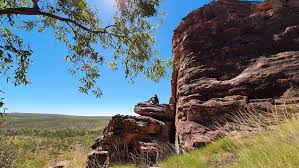 লোরেল্লা স্প্রিংস ওয়াইল্ডারনেস পার্কের পর্যটনের ভবিষ্যৎ আইনি চ্যালেঞ্জ এবং সাংস্কৃতিক উদ্বেগে আচ্ছন্ন।">

Introduction to Lorella Springs Wilderness Park’s Tourism Permit Issue
ভবিষ্যৎ Lorella Springs Wilderness Park, a vast 400,000-hectare natural sanctuary in Northern Territory’s remote Gulf country, has grown uncertain after recent legal challenges questioned the validity of its tourism permit. This pivotal development arises amid concerns related to cultural heritage, environmental impact, and the rights of native title holders.
Background: Tourism Permit and Its Context
In March of this year, the Northern Territory Pastoral Board issued a tourism permit covering 60,000 hectares within Lorella Springs, allowing tourism activities on this largely untouched bushland. The park is renowned for its spectacular natural features such as waterfalls, billabongs, and a multitude of culturally significant sites including sacred areas important to local Aboriginal groups.
Prior to formal permitting, the park saw around 10,000 annual visitors, a figure that surged during the COVID-19 pandemic. However, the owner, citing increasing bureaucracy and regulation, announced a closure to most tourists in early 2023, signaling operational challenges tied to the permit and its constraints.
Key Cultural and Legal Challenges
The tourism permit is under judicial review following objections from the bodies representing the Burdal, Murrungun Wunubari, and Mambali Walangara native title holders. They contend the permit was granted unlawfully, claiming it fails to adequately recognize Aboriginal rights and the cultural sanctity of the land.
The legal challenge highlights eight grounds arguing that the permit contradicts Australia’s native title laws. Central to this argument is the concern that tourism under the permit would expose visitors to sacred sites such as rock art and dreaming places, which traditionally require protection from unauthorized access.
Allegations of Governmental Overreach and Environmental Concerns
The application approval is described as having been issued “irrationally” and “in excess of its powers,” with critiques pointing to a failure in assessing environmental impacts, including threats to native species. It is stressed that the government overlooked how the permit could disrupt traditional uses of the land reserved under pastoral leases.
Legal representatives for the native title holders emphasize the risk tourism poses to sensitive cultural landmarks — encompassing campsites, burial grounds, artefacts, and rock art — warning of the dangers stemming from unsupervised visitor access to these places.
Perspectives from the Northern Territory Government and Park Owners
The NT government’s legal counsel contends that the majority of culturally sensitive sites lie outside the territory covered by the permit. Additionally, they argue that areas within the permit zone visible to tourists would not include sacred sites, and any prior inadvertent exposure can be effectively managed moving forward.
According to a report submitted by the park owners, tourism activities tied to the permit would be confined to existing pastoral tracks and the homestead area, which make up less than 1% of the property. The owners assert that consultations were held with various Aboriginal authorities to address concerns.
In court, it was clarified that the permit was not intended to promote tourism specifically for viewing sacred sites, distancing the plans from more typical “farm tourism” models showcasing cultural landmarks.
The Implications for Tourism and Cultural Preservation
The case emphasizes a balancing act between promoting remote nature-based tourism and respecting the rights and traditions of Indigenous communities. The outcome could define the model for how wilderness tourism integrates cultural heritage protection in Australia’s vast outback.
From a tourism perspective, such wilderness parks offer unique draws, including natural beauty and cultural experiences. Managing these responsibly is critical to sustaining both ecological integrity and respectful engagement with Aboriginal heritage.
Table: Key Considerations in Managing Lorella Springs Tourism
| দিক | বিবরণ |
|---|---|
| Permit Area Coverage | 60,000 hectares within 400,000-hectare pastoral lease |
| দর্শনার্থীর সংখ্যা | Approx. 10,000 annually before COVID; later restricted |
| Cultural Sites | Includes sacred rock art, dreaming places, burial grounds |
| Legal Challenge Grounds | Permit invalidity, failure to recognize native title and environmental impact |
| Government Stance | Majority of sacred sites outside permit; regulation to prevent site exposure |
Personal Experience vs. Legal Reviews in Tourism Development
While official reviews and court decisions play a crucial role in how tourism sites operate, there is no substitute for firsthand experience when it comes to appreciating a place like Lorella Springs. At GetExperience.com, travelers can confidently book their visits with verified providers, ensuring transparency, fair pricing, and tailored offerings.
The platform offers not only easy and secure online payments with voucher confirmations but also the opportunity to submit custom tour requests that best match individual preferences. This approach helps tourists maximize their adventure opportunities, experiencing the wilderness with respect for its cultural and environmental significance.
আপনার ভ্রমণ বুক করুন মাধ্যমে গেটএক্সপেরিয়েন্স.কম for a seamless, informed journey into Australia’s stunning locales.
উপসংহার
The future of tourism at Lorella Springs Wilderness Park hangs in the balance, subject to the ongoing legal scrutiny of its tourism permit. The debate highlights key issues around indigenous rights, environmental stewardship, and the sustainable management of wilderness tourism. For travelers who cherish adventure rafting trips for beginners, eco-friendly wildlife safaris, or culturally immersive museum tours with live guides, destinations like Lorella Springs represent compelling possibilities—if managed thoughtfully and respectfully.
Ultimately, this situation underscores the broader challenges and opportunities facing protected natural areas worldwide, where tourism must tread lightly, balancing growth and preservation. Online platforms like GetExperience.com stand ready to guide tourists toward authentic, affordable, and responsible travel experiences, ensuring both nature and culture thrive well into the future.