


 বাংলা
বাংলা  English (UK)
  Русский
  العربية
  日本語
日本語  한국어
한국어  Magyar
  Norsk nynorsk
  Türkçe
  עִבְרִית
  Español
  Čeština
  Svenska
  Português
  Ελληνικά
  Suomi
Suomi  Nederlands
  Română
  Italiano
  Français
  Polski
  Українська
  Deutsch
  简体中文
简体中文  Slovenčina
  Српски језик
  اردو
اردو  Azərbaycan dili
  O‘zbekcha
  አማርኛ
አማርኛ 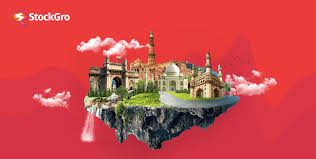 ২০৪৭ সালের মধ্যে ভারতের পর্যটন শিল্পের অগ্রগতি এবং আতিথেয়তা খাতের উন্নয়ন বৃদ্ধির কৌশল">

India’s Tourism Vision and Economic Ambitions
India aims to transform its tourism sector into a mighty economic pillar by 2047, aligning with its broader national growth ambitions. The vision is clear: make tourism a key contributor to GDP, grow foreign visitor numbers, and create vibrant, sustainable destinations. However, the real challenge lies in executing these goals effectively, turning grand plans into tangible outcomes.
Post-Pandemic Recovery: A Mixed Picture
The tourism and hospitality industry’s rebound after the Covid-19 pandemic has been uneven globally and within India. While the hospitality segment has bounced back strongly, surpassing pre-pandemic performance, foreign tourist arrivals are roughly stagnant compared to before. Domestic tourism has stepped up, propelling demand and expected to surge remarkably, from around 25 million currently to an astonishing 1.5 billion visitors by 2047.
Optimism prevails for tourism’s economic role. According to global estimates, India is climbing quickly to become one of the largest tourism economies, likely to rank eighth by 2025 and projected to hold the fourth position within the next decade. This underscores how crucial India’s tourism sector is becoming within the global market.
Key Factors Defining India’s Tourism Growth
Several elements have shaped the industry’s recent development:
- Employment and GDP Contribution Recognition: Tourism is increasingly seen as a vital source of jobs and economic growth, highlighted by top leadership as an essential development pillar.
- Vision and Policy Direction: Though the main tourism policy has not been revised since 2002, the current ministry’s statements reveal clear targets: 100 million foreign tourists and a $3 trillion tourism economy by 2047.
- Mission Mode and Partnerships: Ambitions focus on coordinated stakeholder engagement — public-private partnerships, community participation, and destination development through 50 iconic sites.
The Gap Between Plans and Action
Despite these ambitious aims and the adoption of global sustainable tourism principles, practical implementation lags. The roadmap promised to the industry remains in draft form with uneven progress across states, which often differ widely in regulations, procedures, and tourism initiatives. The iconic destinations identified for development are yet to be finalized, making it harder to channel investments and marketing effectively.
Tackling Destination Overcrowding and Ensuring Sustainability
Currently, a handful of states attract the lion’s share of tourist visits — approximately 60% of both domestic and international arrivals are concentrated in just five or six destinations. With tourism volumes set to multiply tenfold by 2047, these areas face risks of overcrowding, degradation, and loss of visitor appeal.
It’s essential to diversify and develop new destinations to distribute tourism benefits more evenly, preserving environmental and cultural assets. The experience of Covid-19 proved the vulnerable position of overly concentrated tourism hubs and the need to embrace sustainable, resilient practices.
Accommodation Demand: A Pressing Concern
Meeting the surging accommodation needs poses a major hurdle. Currently, there are about 180,000 branded hotel rooms against a demand of 400,000, and nearly 1.65 million unbranded rooms compared to a demand of 2.8 million. Projections linked to tourist number growth anticipate a monumental expansion required in accommodation, with corresponding employment opportunities estimated in the hundreds of thousands.
| আবাসন ধরণ | Current Supply | Demand | তাৎপর্য |
|---|---|---|---|
| Branded Hotel Rooms | 180,000 | 400,000 | Need to more than double supply |
| Unbranded Rooms | 1.65 million | ২৮ লাখ | Substantial gap; modernization needed |
| Employment Opportunities | An additional 150,000 direct and indirect jobs expected from accommodation growth | ||
The hospitality sector shows strong willingness to invest, but government intervention is necessary to clear bureaucratic hurdles, simplify lengthy licensing processes, and extend infrastructure and industry status benefits to tourism businesses.
Importance of Streamlined Policies and Stakeholder Collaboration
Differences in rules across states — such as variations in floor space index or tax procedures — inhibit coherent development. The tourism industry calls for harmonized norms to boost investor confidence and smooth operations. Coordination between the central government and states is critical to ensure a unified growth approach.
Boosting Connectivity: Roads, Rail, and Air
Effective tourism growth depends heavily on transport infrastructure. With the majority of domestic travelers using roads and a large share of international tourists arriving by air, expanding and integrating these networks is key. Projections estimate significant increases in aircraft and road capacity must align with tourism development schedules.
Final Thoughts: From Vision to Reality
India’s ambition to make tourism a transformative economic sector by 2047 is backed by strong potential and promising global rankings. However, the critical step now is translating vision into action — implementing mission-mode programs, resolving policy discrepancies, and supporting infrastructure expansion.
The road ahead involves creating new destinations, managing sustainable visitor growth, increasing accommodation capacity, and ensuring seamless stakeholder cooperation. If done well, these reforms could make tourism one of India’s key engines of prosperity.
পর্যটনে ব্যক্তিগত অভিজ্ঞতা কেন গুরুত্বপূর্ণ
No amount of reports or reviews can truly capture the magic of travel until one experiences it firsthand. Platforms like GetExperience.com enable travelers to connect with verified providers offering tailored experiences at reasonable prices. With secure payments and voucher confirmations, this service adds convenience and peace of mind when planning visits to India’s diverse destinations.
Whether looking for rich cultural excursions, thrilling adventure rafting trips, or immersive museum tours with live guides, travelers can find options that suit their preferences and budgets. গেটএক্সপেরিয়েন্স.কম stands out for transparency, a wide range of experiences, and affordable pricing — all essentials for making the most of travel plans without unwelcome surprises. আপনার ভ্রমণ বুক করুন এট গেটএক্সপেরিয়েন্স.কম.
সারসংক্ষেপ
In essence, India’s tourism industry holds vast promise for boosting economic growth and employment through Vision 2047’s ambitious goals. Overcoming challenges related to uneven post-pandemic recovery, destination overconcentration, accommodation shortages, and fragmented policies is vital. A strategic focus on infrastructure, sustainability, and stakeholder collaboration will pave the way for achieving a thriving, sustainable tourism sector. By embracing reforms and fostering new destination development, India can offer incredible travel experiences that enrich visitors and communities alike.
Travelers and industry professionals alike will benefit from this transformation, exploring diverse offerings like luxury adventure travel experiences, eco-friendly wildlife safaris, exclusive yacht charters, interactive cultural workshops, and more, showcasing India’s rich cultural tapestry and natural wonders in endless inspiring ways.