


 বাংলা
বাংলা  English (UK)
  Русский
  العربية
  日本語
日本語  한국어
한국어  Magyar
  Norsk nynorsk
  Türkçe
  עִבְרִית
  Español
  Čeština
  Svenska
  Português
  Ελληνικά
  Suomi
Suomi  Nederlands
  Română
  Italiano
  Français
  Polski
  Українська
  Deutsch
  简体中文
简体中文  Slovenčina
  Српски језик
  اردو
اردو  Azərbaycan dili
  O‘zbekcha
  አማርኛ
አማርኛ 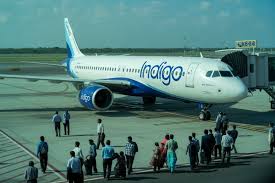 ভারতের বিমান চলাচল শিল্পে ফ্লাইট বিভ্রাট এবং ভ্রমণে এর প্রভাব">

The Growing Pains of India’s Aviation Sector
India’s aviation industry has recently faced significant turbulence, with a surge in flight cancellations that has spotlighted some fundamental issues. The dominance of IndiGo, the country’s largest airline, alongside stringent new regulations, pilot shortages, and logistical glitches, culminated in thousands of canceled flights, leaving many passengers stranded and shaking confidence in India’s air travel reputation.
How IndiGo’s Dominance Shaped the Crisis
IndiGo, under InterGlobe Aviation Ltd., controls over half of the domestic air travel market. While this massive footprint enabled rapid market growth, it also centralized risk. The airline announced around 3,000 flight cancellations recently, attributing them to stricter rules on night flying and mandatory weekly rest periods for pilots. These regulatory changes, the seasonal shift to winter schedules, and some technical snags combined to create a severe shortage of crew available for flights.
The disruption not only caused operational chaos but also created a public relations challenge as travelers faced abrupt cancellations with limited support, reflecting poorly on the broader travel ecosystem. Regulators were forced to ease pilot fatigue rules temporarily to bring operations back on track.
Regulatory Tug-of-War and Industry Response
The rapid rollback of newly-launched regulations sparked concern among pilot bodies, who feared it sets a risky precedent. Still, the authorities’ priority was clear—restore flights and ease congestion at airports. This episode exposed a gap between policy-making and operational realities, highlighting that enforcement without adequate groundwork or stakeholder consultation can backfire.
More broadly, the fluctuating policies reveal an ongoing struggle to balance safety, labor rights, and service efficiency in a fast-evolving market that caters to over a billion consumers.
Barriers to Competition and the Need for Reform
India’s aviation market structure currently favors a few dominant players, with IndiGo’s major market share and other struggling airlines shrinking their presence or going bankrupt. The government faces criticism for tax policies on jet fuel that inflate costs and deter new entrants. Additionally, privatization of airport operations, largely managed by the Adani Group, imposes user fees that further raise travel expenses.
Challenges in Insolvency and Taxation
The insolvency framework struggles to support or revive airlines entangled in heavy debt, unlike in other major economies where bankrupt carriers often continue servicing passengers. Combined with taxes and fees, this environment limits market competition, reduces consumer choice, and adds further instability.
| সমস্যা | Impact on Aviation & Travelers |
|---|---|
| Pilot Shortages and Regulations | Widespread flight cancellations disrupting travel plans |
| Market Dominance by IndiGo | Reduced competition leading to service inefficiencies |
| High Taxes on Jet Fuel | Increased operating costs, higher ticket prices |
| Privatized Airport Management & User Fees | Additional costs passed down to passengers |
The Bigger Picture: Competition Beyond Aviation
While airlines jostle within limited regulatory and financial constraints, India’s broader transport strategy also plays a role. The aging railway system, lacking high-speed alternatives, means domestic travelers rely heavily on airlines despite some operational weaknesses. Greater investment in rail infrastructure, especially high-speed trains, could rebalance competition within the transportation sector and reduce pressure on airlines.
Balancing Safety, Services, and Growth
On top of commercial challenges, the sector’s image was impacted by tragic incidents that continue to shape public perceptions. The responsibility to ensure safe, reliable air travel is ever-present for both private carriers like IndiGo and government-influenced entities such as Air India.
পর্যটন এবং ভ্রমণকারীর অভিজ্ঞতার উপর প্রভাব
Flight disruptions, higher costs, and limited choices influence not only local travelers but also tourists and business visitors who are vital to the country’s travel economy. A reliable aviation network is crucial for connecting India’s diverse cultural and natural attractions with the world, enhancing leisure trips, cruise packages, museum tours with live guides, eco-friendly wildlife safaris, and other travel experiences.
Travelers planning trips to or within India should take note of the current landscape while considering alternative routes or providers. Platforms like গেটএক্সপেরিয়েন্স.কম offer secure, flexible booking options and personalized tour requests, helping travelers make well-informed decisions tailored to their preferences with assurance of service quality backed by verified providers.
Key Takeaways: What This Means for Travelers
- Market dominance by a few airlines can risk service reliability impacting travel plans.
- Regulatory changes require careful implementation to balance pilot welfare and operational needs.
- High taxes and user fees contribute to increased travel costs.
- Developing integrated transport infrastructure, including high-speed rail, is crucial for balanced competition.
- Tourists and business travelers benefit from choosing platforms that provide transparency and multiple options.
Despite extensive reviews and analyses, nothing compares to firsthand travel experience. Booking through reliable services like GetExperience lets travelers take advantage of competitive pricing, a rich array of adventure activities—from safari tours to interactive online cultural workshops—and ensures peace of mind when exploring India. Convenience, affordability, and choice are front and center, making it easier to navigate the current aviation scene without unnecessary hassle or disappointment. Book your Trip on GetExperience.com.
উপসংহার
India’s aviation sector stands at a critical juncture, challenged by the risks of market concentration, regulatory adjustments, and infrastructural demands. These factors collectively shape the traveler’s journey, influencing both domestic and international tourism flows. Progress hinges on well-balanced reforms that encourage competition, improve operational resilience, and integrate broader transportation networks. For travelers, the realities of this dynamic environment underscore the value of informed, flexible booking choices and highlight the evolving nature of travel experiences in one of the world’s fastest-growing aviation markets.