


 বাংলা
বাংলা  English (UK)
  Русский
  العربية
  日本語
日本語  한국어
한국어  Magyar
  Norsk nynorsk
  Türkçe
  עִבְרִית
  Español
  Čeština
  Svenska
  Português
  Ελληνικά
  Suomi
Suomi  Nederlands
  Română
  Italiano
  Français
  Polski
  Українська
  Deutsch
  简体中文
简体中文  Slovenčina
  Српски језик
  اردو
اردو  Azərbaycan dili
  O‘zbekcha
  አማርኛ
አማርኛ 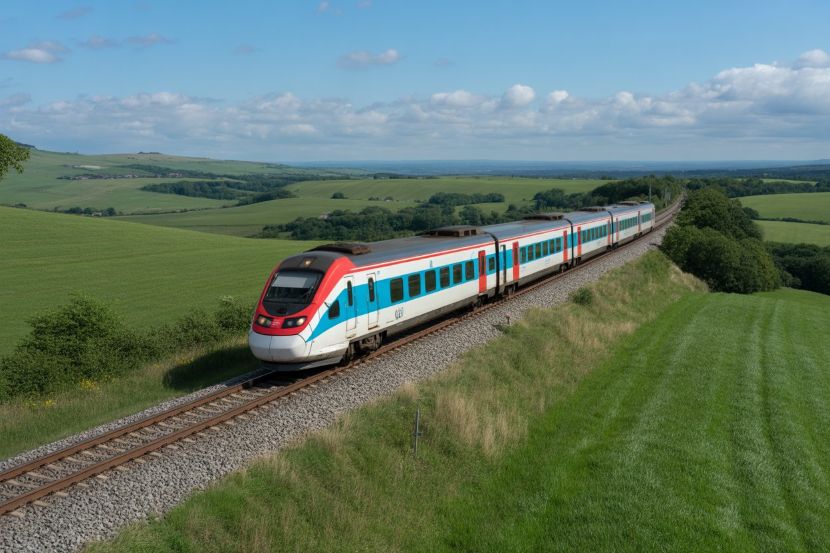 ইউরোপের দ্রুতগতির রেল নেটওয়ার্ক কীভাবে নতুন পর্যটন সুযোগ তৈরি করছে">

Revolutionizing Travel: The Rise of High-Speed Rail in Europe
In recent decades, Europe has been undergoing a profound transformation in rail transport, highlighted by the development and expansion of high-speed rail networks. This shift not only changes the way people move across countries but also opens fresh avenues for tourism that blend efficiency with experience.
The Transition from Traditional to High-Speed Rail
Following the post-war era, conventional rail travel faced intense competition from emerging airline services and the rising popularity of private car journeys. While new railway lines were rarely constructed, many countries invested heavily in upgrading their tracks and transitioning from steam to diesel and electric trains. The result has been a series of high-speed services connecting major urban centers, such as France’s TGV and the Eurostar linking London with Paris and Brussels.
This evolution is not merely about speed but about reshaping the travel landscape to favor environmentally friendlier options that reduce road congestion and carbon emissions. As a consequence, rail travel is increasingly seen as the ‘greener’ alternative to short-haul flights and road trips.
Advantages and Challenges of Rail Travel in Tourism
Rail networks offer the flexibility to adjust capacity by adding or removing carriages, a vital consideration in holiday seasons or special cultural events. Special facilities such as dining and viewing cars enhance the journey, turning travel itself into an attraction.
However, rail systems come with high fixed costs due to construction and maintenance of tracks, tunnels, and bridges. These expenses mean railways need high passenger volumes to be economically sustainable, contrasting with road transport’s variable cost structure.
| দিক | Rail Transport | Road Transport |
|---|---|---|
| Cost Structure | High fixed costs, lower variable costs | Lower fixed costs, higher variable costs |
| ধারণক্ষমতা | High passenger volume; scalable | Flexible for varying demand |
| পরিবেশগত প্রভাব | Lower emissions; more eco-friendly | Higher emissions; more congestion |
| ভ্রমণ অভিজ্ঞতা | Comfort, scenic routes, unique ambiance | Convenience, door-to-door access |
High-Speed Rail’s Role in Shaping Tourism Trends
With journey times slashed considerably, high-speed rail has changed the playing field for regional and cross-border tourism. It encourages short breaks and weekend trips by making multiple destinations accessible within a single day. Destinations previously viewed as remote are now within easy reach, enhancing visitors’ options and spreading tourist flows more evenly.
Environmental and Cultural Dimensions
Rail tourism not only promotes sustainable travel but fosters a cultural connection through the experience of the train itself — from historic routes that evoke nostalgia to the architectural marvels of stations and viaducts. This appeal blends heritage and modernity, providing tourists with meaningful journeys.
Future Advancements and Urban Transit
Innovations like magnetic levitation technologies promise speeds up to 500 km/h, potentially shifting traveler preferences further towards rail, especially for inter-city trips under 500 kilometers. Moreover, rapid transit systems in major European cities ease urban congestion and offer environmental benefits compared to car use. These trends support tourism’s shift towards more sustainable and high-quality experiences.
Joint Ventures and Integrated Travel Packages
Strategic collaborations between rail operators and local tourism providers enhance package deals offering discounted travel combined with access to attractions, accommodations, or events. For example, joint initiatives involving rail companies and visitor centers create seamless holiday experiences, stimulating regional economies.
Highlights and the Personal Travel Touch
The burgeoning high-speed rail infrastructure in Europe is more than an engineering feat; it represents a pivotal change in how travelers explore the continent. While detailed reviews and feedback shed light on service quality and route attractions, nothing replaces firsthand experience to truly appreciate the charm and convenience that modern rail travel offers.
Platforms like GetExperience.com make tapping into this world easier by connecting travelers to verified providers who offer a broad choice of rail journeys, tours, and excursions. Thanks to features such as secure online payments with voucher confirmations and the ability to request tailor-made experiences, visitors can take charge of crafting trips that suit their pace and desires without breaking the bank or risking disappointment. This seamless access helps to expand adventure opportunities, from leisurely sightseeing train rides and museum tours with live guides, to eco-friendly wildlife safaris offered in conjunction with rail travel.
আপনার ভ্রমণ বুক করুন with confidence and explore the numerous possibilities that Europe’s high-speed rail revolution unfolds on গেটএক্সপেরিয়েন্স.কম.
Wrapping Up: The Future of Rail Travel and Tourism in Europe
In summary, Europe’s expanding high-speed rail network is reshaping tourism by making travel faster, more sustainable, and richly experiential. It supports broader tourism patterns, encouraging short breaks and cultural explorations while fostering environmentally sound mobility. The synergy between technological advancements, thoughtful transport management, and enticing travel packages heralds a new era in adventure activities, interactive cultural workshops, and luxury travel seamlessly connected by rail.
As travelers seek more eco-conscious and immersive options, the rail network stands as a vital catalyst, opening up diverse travel experiences that blend heritage, nature, and modern comfort. From adventure rafting trips for beginners to exclusive yacht charters accessible via coastal rail hubs, the future holds exciting potential for millions eager to explore Europe by train and beyond.