


 বাংলা
বাংলা  English (UK)
  Русский
  العربية
  日本語
日本語  한국어
한국어  Magyar
  Norsk nynorsk
  Türkçe
  עִבְרִית
  Español
  Čeština
  Svenska
  Português
  Ελληνικά
  Suomi
Suomi  Nederlands
  Română
  Italiano
  Français
  Polski
  Українська
  Deutsch
  简体中文
简体中文  Slovenčina
  Српски језик
  اردو
اردو  Azərbaycan dili
  O‘zbekcha
  አማርኛ
አማርኛ 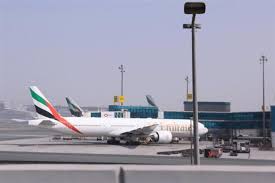 How Gulf airspace shutdowns challenged Dubai’s role as a global aviation hub and what it means for travelers">

দুবাই International connects some 110 nations and handles around 454,000 flights a year, so when Gulf airspace was closed during recent escalations the effects propagated rapidly through global airline schedules and passenger flows. The temporary shutdown of the region’s three major hubs—Dubai, Abu Dhabi and Doha—forced large-scale reroutes, cancelled sectors and tens of thousands of displaced passengers, revealing both the scale of dependency on Gulf hubs and the immediate logistical burden of restoring normal operations.
At a glance: immediate operational impacts
Airlines and airports faced three interlinked challenges: airspace restrictions that lengthened or eliminated established routings, passenger re-accommodation for missed connections, and the reputational hit to destination demand. Dubai’s traffic profile—about half the airport’s passengers are Dubai-bound rather than purely transit—means destination tourism and business travel can suffer even when hub functions recover.
| Metric | Normal state | Short-term effect |
|---|---|---|
| Countries served | 110 | Routes rerouted or suspended |
| Annual flights | 454,000 | Immediate cancellations & delays |
| Destination vs transit | ~50% destination | Destination traffic at higher reputational risk |
Why hubs matter—and why they’re vulnerable
Geography is the underlying strength: one third of the world’s population sits within a four-hour flight of the Gulf hubs and about two thirds within eight hours. That aggregation power has allowed carriers such as আমিরাত এবং flydubai to build complex networks of connections and attractive stopover products that have supported tourism growth in Dubai for decades.
But when airspace closes, the hub model’s dependence on transiting passengers becomes a liability. Passengers reconsider routing preferences and may opt for more direct flights or alternative hubs like Turkey, Saudi Arabia or India; advances in long-range aircraft design (for instance developments around ultra-long-range A350 operations) are also enabling more direct services that can bypass traditional stopovers.
Operational tasks for rapid recovery
- Re-accommodation logistics: prioritise passenger rebooking and hotel coordination for disrupted inbound tourists.
- Network reconfiguration: restore connecting banks and slots to minimise cascade cancellations.
- Communication strategy: clear messaging to reassure tourists, travel agents and MICE organisers.
- Price and yield management: temporary incentives may be used to win back leisure demand.
Competition and the strategic response
Competitors have already been positioning. তুর্কি Airlines with a large geographically well-placed hub and carriers from ভারত এবং Saudi Arabia seek to capture rerouted traffic. At the same time, Gulf carriers can leverage their market power and slot control to re-establish connectivity quickly once airspace reopens. Past shocks show a hub’s recovery is often rapid if the underlying demand remains intact, but tourism to the hub city itself can exhibit a longer tail of recovery if safety perceptions take time to repair.
Implications for travelers and tour operators
Tourism stakeholders should have a mind to do contingency planning: tour operators, hotel partners and transfer providers must be able to offer flexible rebooking and alternative routing options. For travellers, choices now include:
- Prioritising direct flights where possible to reduce dependence on connecting hubs.
- Evaluating stopover products that include clear refund and rebooking policies.
- Considering travel insurance that explicitly covers political or airspace-related disruptions.
From a tourism perspective, transient shocks can reduce incoming numbers for a season, but well-run promotional campaigns and attractive stopover offers often win visitors back. Short-term bargains may lure leisure travellers, while business and high-net-worth visitors typically return once perceived risk subsides.
Analysts note past resilience: hubs born during or after regional tensions—including the expansion of Dubai’s airlines—have historically rebounded. However, the balance between transit traffic and destination demand is what determines whether a local hospitality market sees only a fleeting dip or sustained loss.
Key takeaways for travel planners and visitors at a glance: manage expectations for potential route changes, monitor airlines’ communication, and be ready to pivot to alternatives when planning complex, multi-leg itineraries.
On GetExperience, you book your experience from verified providers at reasonable prices. For travellers seeking activities in and around Dubai while networks recover, GetExperience offers a diverse selection of tours in that area—from museum tours with live guides to desert safaris and exclusive yacht charters—catering to every taste and budget. The platform’s transparent voucher confirmations and secure online payments make arranging excursions stress-free and cost-effective, aligning well with how tourists now prefer flexible, reliable options. Book now গেটএক্সপেরিয়েন্স.কম
In summary, the Gulf airspace closures exposed the operational complexity of global hub networks and the sensitivity of destination tourism to geopolitical risk. Nevertheless, long-term recovery prospects remain strong thanks to the Gulf hubs’ geographic advantages, carrier market power and the industry’s capacity to adapt. For travellers and operators alike, flexible routing, good communication and diversified experience planning—including adventure activities, cruise packages, safari tours, museum tours with live guides, yacht parties or luxury adventure travel experiences—are prudent. Whether you’re interested in online virtual tours or booking exclusive yacht charters for events, personal experience outweighs reviews: book smart, stay flexible and explore options like interactive online cultural workshops or beginner esports coaching sessions to enrich your trip. Travel experiences, adventure rafting trips for beginners, eco-friendly wildlife safaris and professional esports training programs all remind us that the best way to judge a destination is to see it for yourself.