


 বাংলা
বাংলা  English (UK)
  Русский
  العربية
  日本語
日本語  한국어
한국어  Magyar
  Norsk nynorsk
  Türkçe
  עִבְרִית
  Español
  Čeština
  Svenska
  Português
  Ελληνικά
  Suomi
Suomi  Nederlands
  Română
  Italiano
  Français
  Polski
  Українська
  Deutsch
  简体中文
简体中文  Slovenčina
  Српски језик
  اردو
اردو  Azərbaycan dili
  O‘zbekcha
  አማርኛ
አማርኛ 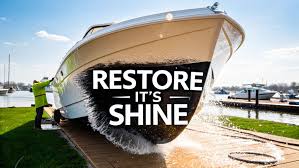 ফাইবারগ্লাস বোট পুনরুদ্ধার এবং সেটিকে ট্যুর-রেডি রাখার জরুরি গাইড">

Most suppliers restrict the shipment of polyester এবং vinyl ester resins to ground carriers under hazardous materials rules, which impacts lead times and costs for DIY fiberglass restoration projects—plan for longer delivery windows and specific packaging, especially for coastal or island restorations where freight consolidation and port handling add complexity.
Stocking the Right Materials at a Glance
Before sanding a gel coat or cutting into a hull stringer, assemble the core consumables. For reliable results, keep separate kits for structural repairs and cosmetic work: structural kits include woven cloth, resin, and peel ply; cosmetic kits focus on gel coat, polishes, and clear coats.
Basic supply checklist
- Resin (polyester or epoxy) and compatible hardener
- Fiberglass cloth/roving (weights per repair type)
- Gel coat and color-matched pigments
- Abrasives (from 80-grit to 2000-grit) and polishing compounds
- Protective gear: respirator, nitrile gloves, and eye protection
- Specialty adhesives/epoxies for wood-to-fiberglass interfaces
Tools, Techniques, and Transport Considerations
Many restoration tasks require specific tools—rotary sanders, vacuum pumps for resin infusion, and pressure pots for putties. When renting equipment or shipping large tools to remote marinas, coordinate arrival dates with repair milestones to avoid idle time and extra dockage fees.
Small repairs vs. full hull restoration
- ছোট repairs: gel coat chips, hairline cracks, localized delamination.
- Medium repairs: stringer repairs, core replacements, re-lamination of deck sections.
- পূর্ণ restoration: compounded gel coat failure, structural rework, or conversion for charter use.
Maintaining the Gel Coat and Exterior Finish
Fiberglass boats rely on a protective gel coat finish; preserving or restoring it affects UV resistance and resale or charter appeal. For cosmetic restoration, follow a staged process: fairing → primer → gel coat application → wet sanding → polishing → protective clear coat. Routine maintenance avoids the need for costly full resprays that can take a vessel out of service for weeks—a crucial consideration for charter or tourist operations.
When to call a professional
Hire a yard for deep structural delamination, complex stringer replacement, or when work requires certified high-temperature ovens or vacuum-bagging for laminate consistency. Professionals often handle hazardous-waste disposal and regulatory paperwork that DIYers cannot.
Interior Wood and Multi-Material Interfaces
Many fiberglass boats include interior wood elements; rotted wood should be assessed for moisture intrusion sources before cosmetic work begins. Use marine epoxies like Git‑Rot® for consolidation and rebuilds, and ensure ventilation and drying times are adequate to prevent future decay.
| Task | সুপারিশকৃত পণ্য | নোট |
|---|---|---|
| Gel coat repair | Gel coat paste + catalyst | Color-match sample; thin coats to prevent blush |
| Structural patch | Woven fiberglass + polyester/epoxy | Layup schedule depends on load-bearing requirements |
| Wood core repair | Marine epoxy (Git‑Rot®) | Dry core fully; seal interfaces |
Vendor, Warranty, and Support Logistics
Choose suppliers who ship replacement parts quickly and provide technical support. Some manufacturers maintain weekday technical lines; plan calls during posted support hours to resolve issues without delaying work. Keep invoices and product labels for warranty claims and to comply with harbor or charter regulations.
Environmental, Safety, and Disposal Rules
Residual solvents, catalyst containers, and sanding dust are regulated at the local and federal levels. Arrange for proper disposal of hazardous waste through marina programs or licensed haulers. Use পরিবেশ-বান্ধব practices where possible: low-VOC resins, containment for dust and run-off, and certified recycling options for scrap fiberglass.
Tourism angle: why restoration matters for operators
For operators offering yacht parties, cruise packages, or museum tours with live guides, a well-executed restoration protects passenger safety and preserves the craft’s aesthetic appeal—directly affecting bookings, guest reviews, and the vessel’s inclusion in curated travel experiences.
Key takeaways include planning for hazardous-material shipping times, maintaining a clear supply list, hiring professionals for structural work, and factoring downtime into commercial schedules. Even the best guides and product reviews can’t replace firsthand knowledge gained on the water: test repairs on small areas and, when ready, invite a short trial charter to confirm systems under load. On GetExperience, you book experiences from verified providers at reasonable prices, with secure payment and voucher confirmation and the option to request tailored tours or services from providers that match your needs—convenient, transparent, and suited for operators ready to showcase restored vessels. Book your Trip গেটএক্সপেরিয়েন্স.কম
In summary, successful fiberglass boat restoration balances logistics, correct materials, and timing: prioritize compliance for resin shipments, keep a clear inventory of resin, cloth, and safety gear, address interior wood with marine epoxies, and schedule professional assistance for structural interventions. Properly restored boats enhance travel experiences and unlock opportunities from yacht parties and exclusive yacht charters for events to eco-friendly wildlife safaris and luxury adventure travel experiences—enabling offerings from cruise packages and safari tours to interactive online cultural workshops and even online virtual tours that complement the on-deck experience.