


 বাংলা
বাংলা  English (UK)
  Русский
  العربية
  日本語
日本語  한국어
한국어  Magyar
  Norsk nynorsk
  Türkçe
  עִבְרִית
  Español
  Čeština
  Svenska
  Português
  Ελληνικά
  Suomi
Suomi  Nederlands
  Română
  Italiano
  Français
  Polski
  Українська
  Deutsch
  简体中文
简体中文  Slovenčina
  Српски језик
  اردو
اردو  Azərbaycan dili
  O‘zbekcha
  አማርኛ
አማርኛ 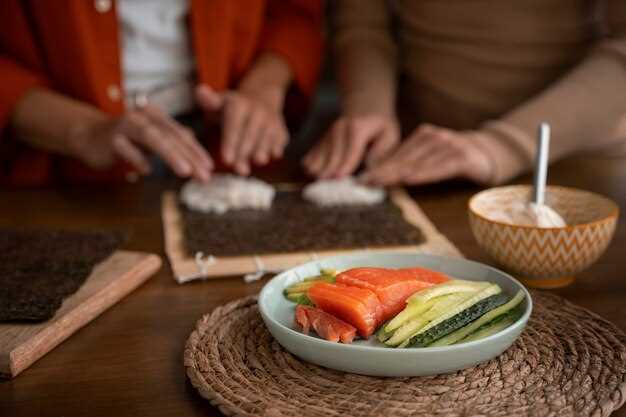 জাপানের সেরা গুরমেট ফুড ট্যুর - জাপান জুড়ে সেরা রন্ধন যাত্রা">
Recommendation: start with a 9-day circuit across tokyos scene, kanazawa, and kyoto, then loop to osaka for crispy street bites, rich soup, and refined dining.
What you gain is a direct sense of place as each stop shifts mood from neon streets to quiet temples, and every bite tells a tale of local culture and scene. At kanazawa’s markets, expect crab and fresh sashimi; in tokyo, ramen and dipping sauces; in kyoto, tofu and kaiseki, all balanced to heighten taste. anne, a local guide, helps you understand how the city’s seasonal ingredients shape flavor.
In osaka, okonomiyaki steals the show with a crisp pancake, smoky sauce, and generous toppings. A quick dip in the tangy glaze completes the bite with a savory স্বাদ. If you crave context, a short talk with a local guide helps you connect the dish to regional culture without slowing your pace.
Practical planning: allocate 2 nights in tokyo, 1–2 nights in kanazawa, 2 nights in kyoto, and 2 nights in osaka. Book a multi-city gourmet package or assemble your own route with a trusted operator. This বিকল্প lets you compare what you understand about flavors across regions and decide what to repeat on future trips.
thank you for reading. For lovers of food who want to move beyond a checklist and explore tokyos scene and kyotos lanes, this route delivers. From crispy bites and soup to delicious okonomiyaki and regional seafood, you’ll taste the culture behind every course.
Practical Segments for Gourmet Tours Across Japan
Book a hands-on fish preparation session in Kyoto’s Nishiki Market with mayuko to see how refined technique and a warm, intimate atmosphere transform a simple dish into a savoury memory. The segment blends live demonstrations with tastings, making the market feel alive and personal.
In hiroshima, join a curated coastal tasting that relies on wholesale fish supply to offer distinct bites; monks taught guests about traditions that stay alive, echoing a century-long rhythm and inviting reflection on unknown regional flavors.
Tokyo’s Toyosu Market provides a structured, interactive tasting that reveals the network behind every plate, focusing on the atmosphere and the craft of fish handling that yields a refined, savoury profile.
Osaka’s Kuromon Market invites an intimate, hands-on afternoon where guests compare currents of tradition and invention started by veteran vendors who offer unique experiences and insights into local technique.
Kanazawa’s century-old tea-house and seafood pairing extends the curated program into unknown frontiers of regional cuisine, inviting peoples from coast and inland to join for a savoury, refined meal that honors the century of practice.
| Segment | হাইলাইটস | সেরা সময় | Local Partner | নোট |
|---|---|---|---|---|
| Kyoto Nishiki Market: Hands-on Fish Prep (with mayuko) | hands-on trimming, stock basics, fish tastings; taught by a local chef; refined techniques; atmospheric market vibe | Early morning (6:30–9:00) | Nishiki Market Guides; mayuko team | intimate, suitable for small groups; accommodates dietary needs |
| Hiroshima Coastal Tasting with Monks | wholesale supply chains, distinct savoury bites, temple traditions; monks share cultural context | বিকেল গড়িয়ে সন্ধ্যা | Hiroshima Market Partners | century of practice; unknown regional varieties revealed |
| Tokyo Toyosu Market Tasting | curated seafood crawl; behind-the-plate network; hands-on prep tips | Morning to late morning | Toyosu Market Association | focus on craft, transparency of sourcing, active participation |
| Osaka Kuromon Market Street Food Discovery | mixed shop tastings; comparisons of regional techniques; live demonstrations | Late morning | Kuromon Market Vendors Council | intimate pacing; strong emphasis on atmosphere and texture |
| Kanazawa Century-old Tea House & Seafood Pairing | curated pairings; regional seafood with tea-house hospitality; tradition meets modern craft | Midday to early afternoon | Kanazawa Culinary Network | peoples from coast and inland join; unknown flavors revealed in a refined setting |
Tokyo Market Spin: What to Eat, How to Join, and Best Time to Visit
Start with a morning bite at Tsukiji Market’s Outer Market: delicious tamago and a chicken skewer, then chase high-quality bites made with crisp batter and fresh greens, plus baby scallops for ocean-fresh variety. Still, incredible energy fills the lanes as vendors call prices and friends compare sauces. The scene feels classic, a lively blend of old-school stalls and modern counters, like a living gallery.
How to join: book a guided tasting that covers sake and market specialties, or ask a vendor for a sample plate. If you went with kevin and friends, you’ll enjoy a relaxed pace and handy tips on wholesale stalls in citys including ginza and shinjuku. The staff are helpful and happy to explain what makes each stall unique.
Best time to visit: aim for 7:00–9:30 a.m. on weekdays for full flavor with fewer crowds. Saturdays bring bigger crowds and more tasting options; Sundays are calmer. In the evenings, wander yatai stalls in shinjuku and ginza for a high-energy finish with sake flights and delicious bites.
Practical tips: carry cash, wear comfy shoes, and map a route that covers both market core and nearby neighborhoods. Some stalls offer wholesale-sized portions you can sample, so ask what’s made fresh today. After tasting, a quick bathing stop at a nearby public bathhouse can refresh you; sip green tea between stalls and keep a lightweight bag for keepsakes.
Bottom line: Tokyo’s market scene stays delicious, accessible, and still incredible. The route through ginza and shinjuku blends classic street food with refined treats, and it’s worth the effort for kevin and friends who want a real local taste. Citys including ginza and shinjuku offer different flavors, but the yatai-filled lanes and wholesale stalls make it a standout experience you’ll remember.
Kyoto Kaiseki vs. Street Eats: How to Choose the Right Tour
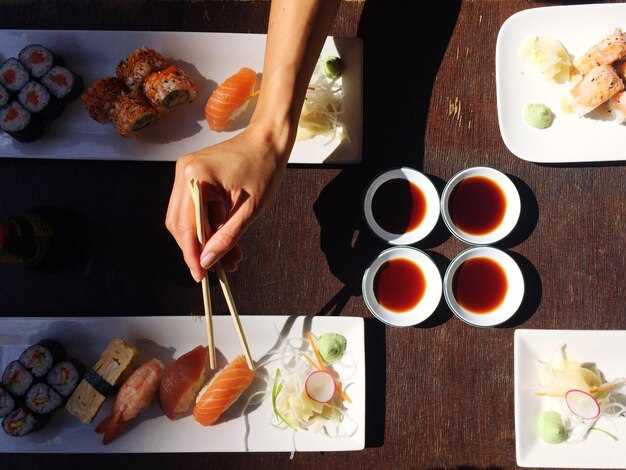
Choose Kyoto Kaiseki for a refined, story-driven dining experience that reveals the season through precise technique and ceremonial pacing. If you’re wondering how to decide, Street Eats delivers energy, variety, and a practical taste of daily life through spot-conscious eating, bustling markets, and engaging locals.
Kyoto Kaiseki tours typically run 3–4 hours and feature a sequence of plated courses with meticulous presentation, seasonal ingredients, and a quiet reception at the restaurant or ryokan. Street Eats tours span 2–4 hours, hitting 4–6 spots–from a yakitori grill to a sweets shop–so you move quickly, collect stories, and taste a wider range of textures. Some itineraries even include tok yos stops for a quick contrast to Kyoto, with neighborhoods like Ginza in Tokyo or other city spots woven in to keep energy high. For hands-on lovers, a studio tasting or a kobo class adds in-depth context and a chance to try techniques yourself.
When you map your focus, consider group dynamics and pacing. A head-to-head tasting in a single, intimate setting suits a quiet, immersive mood, while touring across multiple spots fits a larger group that loves social vibes and dynamic movement. If your group leans toward a formal, written menu and chef storytelling, Kyoto Kaiseki can absolutely shine. If you crave variety, street-level authenticity, and the thrill of chasing flavors, Street Eats wins on engagement and pace.
Dietary needs matter. Plant-based options exist in both formats, from vegetable-forward kaiseki courses to vegan-friendly skewers and sweets at street stalls. Look for tours that clearly note substitutions or alternatives, and ask about elements like sweets from kanazawa or wagashi crafted with seasonal bean paste. A well-structured itinerary should include a balance of tasting notes, texture contrasts, and a few sweet highlights to finish on a high note. Review the spot lineup–a good plan includes a traditional spot, a grill station, and at least one sweets-focused stop to truly sample Japan’s diverse flavors.
Practical tips: choose a program with a transparent menu and timing, a capable guide who can answer questions in depth, and options to tailor to plant-based or other needs. Written materials or pre-visit notes help you study the course progression and set expectations for taste and portion size. If you’re touring Kanazawa as part of a broader venture, a module that connects kanazawa sweets or gold-leaf desserts with Kyoto’s morning markets adds a memorable texture to the experience. A reunion-style reception at the start or a final tasting in a studio can elevate the vibe and make the group feel truly welcomed from the first hello to the last bite.
Bottom line: for a serene, richly narrated encounter with seasonal cooking, start with Kyoto Kaiseki. For a dynamic, multi-stop immersion that captures the city’s street-energy and quick-fire flavors, choose Street Eats. A balanced approach–core keiseki paired with a city-side module in Dotonbori or tok yos neighborhoods like Ginza–offers amazing contrast and a complete taste of Japan’s foodie spectrum. If you’re still unsure, opt for a tour that blends both formats, giving you a taste of the culinary studio, a few wagashi sweets, and a final, absolutely satisfying plate to head home with.
ওসাকা স্ট্রিট ফুড সার্কিট: ডোটনবোরি থেকে কু standardized রোন–সেরা খাবার এবং গতি
আপনার ওসাকা যাত্রা শুরু করুন ডোটনবোরির একটি অত্যাবশ্যকীয় খাবার তাকোয়াকির মাধ্যমে, যার বাইরের খোলটি মচমচে এবং ভেতরের অংশটি নরম, আর সুস্বাদু ঝোল টপিংগুলোর সাথে মিশে থাকে।.
এরপর রাতের জীবন এবং লণ্ঠন অনুসরণ করে কুড়োমন মার্কেটের দিকে যান, সূর্যাস্তের পরে সরু পথগুলোতে এটি একটি সরগরম ভিড়। এই পথের ধারের স্টলগুলোতে প্রচুর তাজা সামুদ্রিক খাবার, গ্রিল করা শিক এবং মিষ্টি পাওয়া যায়। তাদের কাজ - গ্রিল করা, ভাজা, পরিবেশন করা - লাইনে চলাচল বজায় রাখে এবং গুণগত মান স্থিতিশীল রাখে। তাদের গল্প ওসাকার রাস্তার খাবারের ইতিহাসকে প্রতিফলিত করে এবং এই খাবারগুলো আবিষ্কার করা - বিশেষ করে যেগুলোতে মচমচে ভাব, লবণ এবং ধোঁয়ার ভারসাম্য রয়েছে - রাতের দৃশ্যের একটি উজ্জ্বল দিক।.
গতি স্বচ্ছন্দ রাখতে, দোতনবোরির জন্য প্রায় দুই ঘণ্টা এবং কুরোমনের জন্য ৬০-৯০ মিনিট সময় রাখুন৷ কয়েক bites চেখে দেখার পর, বিভিন্ন পদের স্বাদ নিতে আপনি হয়ত ঘন ঘন স্টল পরিবর্তন করতে চাইবেন৷ যদি অন্য কিছু চেষ্টা করতে চান, তাহলে অনেক স্টলের জন্য নগদ টাকা নিয়ে আসুন এবং ভ্রমণ সঙ্গীদের সাথে খাবার ভাগ করে নেওয়ার জন্য প্রস্তুত থাকুন।.
- দোতোনবুরিতে তাকোয়াকি - মুচমুচে বাইরের স্তর এবং নরম ভেতরের পুরসহ ছয় থেকে আটটি বল, মেয়ো এবং বনিটো ফ্লেক্স দিয়ে পরিবেশন করা হয়; সাধারণত প্রতি অর্ডারে ৬০০-৯০০ JPY। গরম এবং তাজা অবস্থায় খেলে এর ঝোল-ভিত্তিক স্বাদ সবচেয়ে ভালো লাগে।.
- কুশিকাৎসু স্ক্যুয়ার্স কুয়োমেনের কাছে – মুচমুচে ব্যাটার, বিভিন্ন ধরণের পুর, এবং একটি টক মিষ্টি চুবানির সস; প্রতি স্ক্যুয়ার ১২০–১৮০ জেপিওয়াই, এবং সেটগুলি প্রায় ৮০০–১২০০ জেপিওয়াই। এই খাবারগুলো একটি নৈমিত্তিক রাস্তার রান্নাঘরের কার্যকারিতা প্রদর্শন করে: দ্রুত সরবরাহ এবং বৈচিত্র্য।.
- কুড়োনোমনের কাউন্টারে ওকোনোমিয়াকি অথবা গ্রিলড ঝিনুক - সুস্বাদু এবং সমৃদ্ধ, সাধারণত প্রতি পরিবেশন ৮০০-১৫০০ ইয়েন। এই খাবারগুলো ভারী খাবারের আকাঙ্ক্ষা মেটায় এবং সাকে-র সাথে বেশ ভালো যায়।.
- কুড়োমনের স্টল থেকে তাজা সাশিমি এবং সিফুড প্লেট - মওসুমের উপর নির্ভর করে প্রচুর বিকল্প; প্রতি প্লেটের জন্য ৮০০–১৫০০ JPY পরিকল্পনা করুন। কি বাছাই করবেন ভাবছেন? টুনা বা সমুদ্র ব্রীম স্লাইস দিয়ে শুরু করুন এবং অন্যান্য দিকে যান।.
ব্যবহারিক নোট: এই সার্কিটটি ব্যবহার করে দুই ভুবনের শ্রেষ্ঠত্ব উপভোগ করুন–দোভনবোরির রাত্রিকালীন জীবনের শক্তি এবং কুয়োমনের বাজারের পবিত্রতা। যদি আপনি হালকা সমাপ্তি চান, তাহলে এমন একটি স্টল বেছে নিন যা সামান্য সাকে এবং তালু পরিষ্কার করার জন্য ছোট কামড় অফার করে, তারপর শেষ স্বাদের জন্য ভিড়ের মধ্যে ফিরে যান। কানাজাওয়া তার নিজস্ব সীফুড ফিনেস অফার করে, তবে এখানকার প্রকারগুলি বিশেষভাবে বিস্তৃত, যা ওসাকার স্ট্রিট-ফুডের প্রাণশক্তি আবিষ্কারের জন্য এই রুটটিকে একটি বিশেষ স্থান করে তুলেছে।.
হোক্কাইডো সীফুড ট্রেইলস: সিজনাল পিকস এবং লোকাল পেয়ারিং
সকালের বাজারে গিয়ে ইকরো এবং কাঁকড়ার স্বাদ নিন, এরপর আলো ঝলমলে খালের ধারে হেঁটে বেড়ান। এটা শুধু একটা সাধারণ যাত্রা নয়; বরং খুব আপন মনে হয়। অল্প পরিসরে চিরাচরিত দোকানপাট, যেখানে প্রত্যেক বিক্রেতা হাসি মুখে টিপস দেয় এবং একটি ছোট কাঁকড়া কৌতুহল জাগায়।.
ঋতু অনুযায়ী বাছাইকৃত খাবারগুলো পথগুলোকে ধরে রাখে: শীতকালে কানি প্রধান আকর্ষণ; বসন্তে পাওয়া যায় সাকুরা-এবি এবং তাজা চিংড়ি; গ্রীষ্মে ঝলমল করে হোতাতেগাই এবং ইকুরা; শরৎ নিয়ে আসে স্বতন্ত্র শেলফিশ রত্ন। প্রতিটি কামড়ের সাথে স্থানীয় বিক্রেতাদের টিপস অথবা একটি মচমচে সাকে বা ইউজু জুস যোগ করুন একটি সুষম বৈপরীত্যের জন্য, যা একটি দ্রুত স্বাদকে পূর্ণ জুটিতে রূপান্তরিত করে।.
বিকেল বেলায় ঘুরতে গেলে, আপনি এমন একটা ছোট্ট জায়গায় বিখ্যাত কিছু স্পট খুঁজে পাবেন যেখানে ছোট ছোট নৌকায় করে খাবার আসে – এবং ব্ল্যাকবোর্ডে চক দিয়ে লেখা অ্যান আপনাকে বন্ধুত্বের সাথে অভ্যর্থনা জানাবে। কাউন্টার থেকে বিক্রেতা সেরা Uni (সামুদ্রিক খাদ্য) বেছে নেওয়ার কৌশল শেখায়। আজকের থালায় হয়তো সামান্য সেঁকা গরম স্কালপ থাকতে পারে যা কচকচে কেল্প ব্রথের সাথে বৈপরীত্য সৃষ্টি করবে, কাইজেকি ঐতিহ্যের প্রতি সম্মান জানিয়ে স্থানীয়রা যাকে ক্লাসিক বলে থাকে।.
একটি বাস্তবসম্মত পথের পরিকল্পনা করুন: প্রথমে বিখ্যাত ওতারু এলাকা ধরে একটি মৃদু বিকেলের পদযাত্রা দিয়ে শুরু করুন, তারপর শহরের বাইরে হাকোদাতে বা সাপোরোর বাজারগুলিতে যাওয়ার জন্য একটি ট্রেনে উঠুন। ট্রেনগুলি আপনাকে ভিড় এড়িয়ে বিভিন্ন বন্দর থেকে রত্নগুলি চেখে দেখতে দেবে, যা একটি একক স্টপের বাইরে আপনার সীফুড ট্রেইলকে প্রসারিত করার একটি মসৃণ উপায়।.
একটি নির্দেশিত সফরে যোগ দিন অথবা নিজের পথ তৈরি করুন; অন্তত এক ডজন বিক্রেতা প্রস্তুত খাবার সরবরাহ করে যা মৌসুমী কৌশল এবং স্বতন্ত্র টেক্সচার প্রদর্শন করে। থাকার কারণগুলোর মধ্যে রয়েছে অন্তরঙ্গ অঞ্চলের অনুভূতি এবং স্থানীয়রা দীর্ঘ দিন পর যেখানে খেতে যায় সেই গোপন স্থানগুলোতে যাওয়ার সুযোগ। একটি নৈমিত্তিক সমাপ্তির জন্য, ফিরে যাওয়ার আগে আজ রাতে শেষ কামড়টি খুঁজে নিন; পর্যটকরা প্রায়শই এই লুকানো রত্নগুলি মিস করেন, তবে স্থানীয়রা জানে কোথায় থামতে হবে।.
টোকিও এবং এর বাইরেও বাজারের ট্যুরের জন্য বুকিং, বাজেট এবং খাদ্য সংক্রান্ত বিবেচ্য বিষয়সমূহ
ছোট দলের সাথে স্বচ্ছন্দ অভিজ্ঞতা, অলিগলির দোকান এবং বিশেষ স্বাদের সুযোগ পেতে আপনার টোকিও বাজারের ট্যুরটি ৩-৪ সপ্তাহ আগে বুক করুন। একটি পাতাল রেলের প্রস্থান পথ বা মন্দিরের কাছাকাছি মিলনস্থল আপনাকে সবুজ শাকসবজি, সামুদ্রিক খাবারের তাক এবং ভাজা বিশেষত্ব অন্বেষণ করার আগে একটি স্বাভাবিক সূচনা এনে দেয়, সেইসাথে পথে লুকানো দোকানগুলি আবিষ্কার করতে পারবেন। আপনি যে উপাদানগুলির তুলনা করতে চান তা নোট করুন এবং কয়েকটি ইয়েন দ্রুত খাবারের জন্য আলাদা করে রাখুন যা সাধারণ মেনুতে নেই।.
বাজেট এবং বুকিং: টোকিও-র একটি হাফ-ডে মার্কেট ওয়াক যেখানে চেখে দেখার সুযোগ থাকে তার খরচ সাধারণত জনপ্রতি ৮,০০০–১২,০০০ JPY; পুরো দিনের জন্য বা প্রাইভেট অপশনের খরচ ছোট গ্রুপের জন্য ২৫,০০০–৪০,০০০ JPY পর্যন্ত হতে পারে। টোকিও-র বাইরে জাপানি শহরগুলির বাজারগুলির জন্য জনপ্রতি ১২,০০০–২০,০০০ JPY খরচ ধরা হয়। অন্যান্য রাজধানীর প্রাইভেটCulinary অভিজ্ঞতার চেয়ে টোকিও-র দাম সাধারণত সস্তা হয়। পিক সিজনে ৩-৪ সপ্তাহ আগে বুক করুন এবং বাতিলের শর্তাবলী নিশ্চিত করুন; একটি মিটিং পয়েন্ট নিয়ে আলোচনা করুন এবং ট্যুরে একটি অন্তর্ভুক্ত করা যায় কিনা বিশেষ গলিপথ এবং কিছু এক্সক্লুসিভ ভেন্ডর ট্যাব অন্তর্ভুক্ত একটি রুট। আপনি যদি অতিরিক্ত প্রসঙ্গ চান, তাহলে জিজ্ঞাসা করুন। podcast সংক্ষিপ্ত ব্রিফিং অথবা স্থানীয় কারো সাথে একটি ছোট রেকর্ডিং। খাবার রসিক.
খাদ্য সংক্রান্ত বিবেচনা: ৭-১০ দিন আগে সীমাবদ্ধতা জানান। অপারেটররা নিরামিষ বা পেস্কাটারিয়ান খাবার, হালাল চাহিদা, গ্লুটেন-মুক্ত বিকল্প এবং অ্যালার্জি বিষয়ক বিষয়গুলি পূরণ করতে পারে। স্যুপ, সয়া সস এবং ভাজা খাবারে দাশি স্টক সম্পর্কে জিজ্ঞাসা করুন; প্রস্তুতি দেখতে বা এমন উপাদান নির্বাচন করতে বলুন যা মাংস এবং ভারী সিজনিং সীমিত করে। ওকোনোমিয়াকি বা অন্যান্য গ্রিল করা খাবারের জন্য, টপিং এবং ব্যাটার অপশন উল্লেখ করুন। দেখুন green ঔষধ এবং উপকরণ বাঁশের কোড়ল এবং টোফুর মতো খাবার যোগ করে আপনার খাবারের থালাটিকে আরও বৈচিত্র্যময় করুন। যদি আপনি দলবদ্ধভাবে ভ্রমণ করেন, তাহলে একটি কার্ড জাপানি ভাষায় দিন, যাতে বিধিনিষেধগুলো স্পষ্টভাবে জানানো যায়।.
ব্যবহারিক টিপস: নমুনা রাখার জন্য একটি হালকা ব্যাগ, ছোট বিলের নগদ টাকা এবং একটি পোর্টেবল স্যানিটাইজার সঙ্গে রাখুন। হাঁটার সময়, গতি আপনাকে অলিগলি আবিষ্কার করতে এবং বিক্রেতাদের সাথে চ্যাট করতে সুযোগ করে দেয়; কয়েকটির স্বাদ নিন। খাদ্যপানীয় এবং নোট করুন কোন আইটেমগুলো আপনি পুনরায় দেখতে চান। একটি দ্রুত podcast অথবা meeting স্থানীয় ব্যক্তির সাথে খাবার রসিক আপনার পরিকল্পনায় টেক্সচার যোগ করতে পারে। ট্যুরের পর, অভিজ্ঞতা বাড়ানোর জন্য একটি ডেডিকেটেড পাত্রে অবশিষ্ট খাবার সংরক্ষণ করুন এবং ছোট স্টলগুলির মধ্যে অন্বেষণ চালিয়ে যেতে কাছাকাছি কোনো মন্দির বা গ্রিন মার্কেটে যাওয়া বিবেচনা করতে পারেন।.