


 বাংলা
বাংলা  English (UK)
  Русский
  العربية
  日本語
日本語  한국어
한국어  Magyar
  Norsk nynorsk
  Türkçe
  עִבְרִית
  Español
  Čeština
  Svenska
  Português
  Ελληνικά
  Suomi
Suomi  Nederlands
  Română
  Italiano
  Français
  Polski
  Українська
  Deutsch
  简体中文
简体中文  Slovenčina
  Српски језик
  اردو
اردو  Azərbaycan dili
  O‘zbekcha
  አማርኛ
አማርኛ 
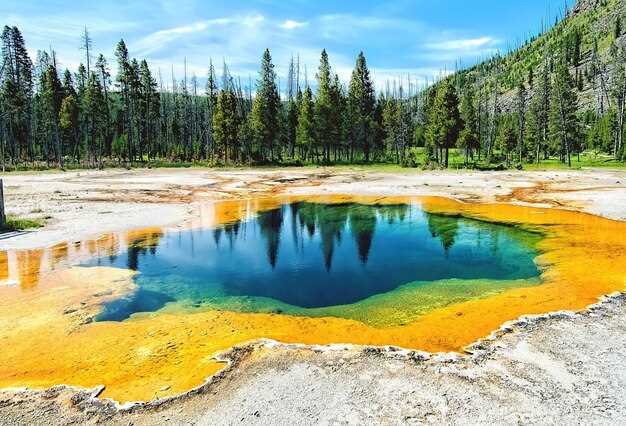
Yellowstone National Park, a crown jewel of our country, is located in the southern regions of Wyoming and features a landscape that is not only stunning but also historically and geologically significant. This incredible expanse covers over 3,400 square miles, making it one of the largest national parks in the United States. Residing atop a massive supervolcano, Yellowstone produces geothermal wonders that create a surreal atmosphere filled with colorful hot springs, erupting geysers, and dramatic landscapes. These natural phenomena are a result of the underlying volcanic activity, which has persisted for thousands of years, granting visitors a unique opportunity to explore the Earth’s fiery underbelly.
Visitors come from across the country, driven by the allure of Yellowstone’s backcountry adventures and the chance to encounter iconic wildlife. The park is home to species such as deer, bison, and even the elusive wolf, making it a paradise for nature lovers and wildlife enthusiasts. Despite its beauty, the park also faces challenges related to conservation and management, as increased tourism poses issues that need to be delicately balanced with the protection of its natural resources. Articles and research continually explore the connections between human activity and the park’s integrity, emphasizing the importance of sustainable practices that ensure its preservation for future generations.
Camping in Yellowstone provides an immersive experience, where the peaceful sounds of nature contrast sharply with the flames of campfires beneath a blanket of stars. With its varied terrain, including parts of the Absaroka Range and stunning plateaus, naturally created trails invite adventurers to embark on breathtaking hikes. The park also chambers a rich history, having been established in 1872, which fostered a boom in tourism and laid the groundwork for future recreational management. For anyone who chooses to explore this wonderland, understanding the intricacies of its ecosystem and historical significance is vital for a rewarding experience. With this complete guide, you will be well-prepared to navigate the beauty and complexity that make Yellowstone a treasured destination.
Planning Your Visit to Yellowstone National Park
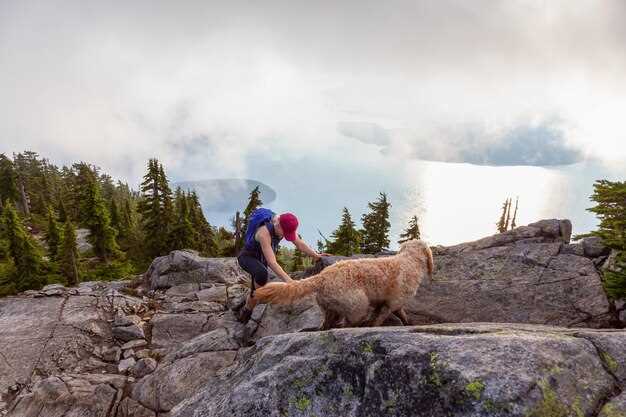
When planning your visit to Yellowstone National Park, it’s important to consider the best times to explore this stunning natural wonder. The park offers a variety of opportunities for families and individuals alike, with several areas showcasing unique scenery, from deep canyons to towering mountains. Moreover, it’s essential to check the current conditions and facilities available throughout the park to ensure a safe and enjoyable experience.
Accessing Yellowstone is relatively easy, with nearby towns, such as Laramie, offering amenities for travelers. Whether you’re looking for hotels, restaurants, or simply a good cup of coffee, these communities cater to the needs of visitors. When traveling in your vehicle, ensure that you have a valid license and are aware of any measures required for driving in these regions, especially when following park regulations.
Families will find that Yellowstone has something for everyone, from engaging educational programs led by park rangers to scenic hikes suitable for all ages. Certain areas within the park are perfect for picnics, while others provide access to marinas where you can enjoy water activities. As you plan your itinerary, consider taking advantage of educational opportunities offered by the university communities in the surrounding regions, which often host events related to indigenous cultures and environmental awareness.
In addition to all these attractions, it’s important to understand the challenges as well. Visitors should be aware of potential diseases that affect both wildlife and humans and be responsible in their actions while exploring the park. This will help protect the delicate balance of the ecosystem that has existed since the time of early inhabitants, who grew their roots deeply in these lands.
Lastly, remember to appreciate the unique features of Yellowstone, such as its geothermal activity, which includes famous hot springs and geysers. Following all indicated guidelines and restrictions will ensure that future generations can continue to experience the beauty of this national treasure. By planning carefully and taking these tips into account, you will create wonderful memories during your journey in Yellowstone National Park.
Best Time of Year to Visit
Choosing the best time to visit Yellowstone National Park is crucial for experiencing its unique natural wonders. The park’s dynamic landscapes, including geysers, mountain ranges, and subalpine ecosystems, exhibit different characteristics throughout the year, influencing wildlife behavior and visitor activities.
Winter months (December to February) offer a magical atmosphere, with snowfall transforming the park into a frozen wonderland. During this time, the roads are generally closed, allowing access primarily through guided snowmobile or snowcoach tours. Winter allows visitors to observe wildlife such as grizzlies and wolves in their vulnerable state while they search for food amid the harsh conditions.
Spring (March to May) marks a transition period. As temperatures rise, the park begins to open for visitation. The roads clear, and plants and animals, including numerous bird species, awaken from their seasonal slumber. May is especially popular for those looking to view eruptive geysers in action and observe active wildlife, making it an ideal time for photography enthusiasts.
Summer (June to August) is considered peak season, with increased visitation due to warm weather. This timeframe is perfect for hiking, camping, and enjoying all of Yellowstone’s outdoor activities. However, popular areas can become crowded, and nearby towns like Billings see a surge in tourist traffic. It’s essential to make reservations early, as accommodations can fill up quickly.
Finally, autumn (September to November) offers a spectacular display of colors as the leaves change. The weather remains mild at the start of September, but temperatures gradually drop, and snowfall can return by late October. This season is a favorite for many who wish to experience a quieter atmosphere while still holding chances to spot wildlife actively preparing for winter.
| Month | কার্যকলাপ | Wildlife Observations |
|---|---|---|
| December – February | Snowshoeing, snowmobiling | Grizzlies, wolves |
| মার্চ – মে | Hiking, photography | Birds, bison calving |
| June – August | Camping, fishing | Elk, bears |
| September – November | Scenic drives, wildlife viewing | Moose, elk during rut |
In fact, selecting the right month to visit will enhance your relationship with the park and its communities. Every season in Yellowstone has its advantages, but understanding the patterns of nature and park regulations is essential, as some activities may be prohibited during specific times. By reviewing recent data and reports, visitors can create a wishlist that suits their interests and needs, ensuring a memorable adventure in one of the world’s most iconic national parks.
Entry Fees and Pass Options
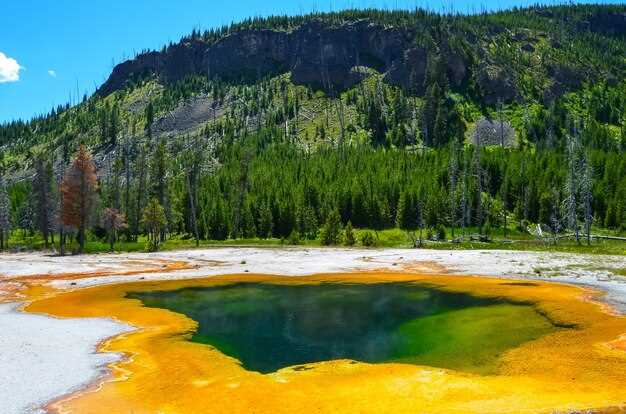
Visiting Yellowstone National Park offers a thrilling escape into nature’s wonders, but it’s essential to understand the entry fees and pass options that can enhance your experience. The park operates year-round, allowing you to discover its beauty in every season.
The entrance fees are structured to support the park’s ongoing protection and maintenance efforts. As of the latest update, the following fees apply:
- Private Vehicle: $35 for a week
- Motorcycle: $30 for a week
- Individual (on foot or bike): $20 for a week
For those planning to visit multiple national parks, a variety of pass options are available to better suit your needs:
- America the Beautiful Pass: For $80, this annual pass allows entry to over 2,000 federal recreation sites, including Yellowstone.
- Yellowstone National Park Annual Pass: Priced at $70, this pass grants unlimited access to the park for a year.
These passes not only save money for frequent visitors but also support conservation initiatives. Notably, during special events or projects, the park may introduce temporary closures or changes in access, which is communicated through official channels.
Having the right pass can greatly enhance your touring experience. You’ll be able to traverse this vast landscape, from the icy peaks of the Tetons to the steaming geysers below. Various programs are encouraged throughout the year to better support visitors and their interests.
For those who may encounter issues along the way, the park staff is trained to oversee the needs of all guests, ensuring a cool and welcoming environment. Remember to check for any updates about fees before your visit, as these amounts can change due to numerous factors, including maintenance requirements and operational costs.
In summary, understanding the entry fees and pass options is vital for a well-planned visit to Yellowstone. With the right preparations, you can explore the world’s first national park in a way that is fun, economical, and environmentally conscious.
Accommodations Inside and Outside the Park
Yellowstone National Park offers a vast array of accommodations that cater to different preferences and budgets, whether you prefer the luxury of a hotel or the rustic charm of camping in the wilderness.
Inside the park, visitors can find a range of options that allow them to immerse themselves in Yellowstone’s remarkable landscapes. Here are some popular choices:
- Lodges: Historic lodges, such as the Old Faithful Inn and Lake Yellowstone Hotel, provide a sense of comfort with a view of the park’s most iconic attractions. These lodges maintain a standard of hospitality that reflects the park’s natural beauty.
- ক্যাম্পসাইট: For those who wish to connect deeply with nature, Yellowstone has a variety of campsites. Some are first-come, first-served, while others require reservations. The campgrounds offer a chance to share the experience of the great outdoors with families and friends.
- Pods and Cabins: Alternative options include rustic cabins that offer a more secluded stay. These accommodations are perfect for families or groups looking for a more private retreat.
Accommodations outside of Yellowstone also provide impressive options that allow you to explore the regions surrounding the park:
- Hotels in Nearby Towns: Towns like Gardiner and West Yellowstone are home to numerous hotels, motels, and inns. These areas serve as convenient access points to the park, with a variety of non-native restaurants and shops to explore.
- Luxury Resorts: For those seeking an upscale experience, several luxurious resorts located near the park provide spa services, fine dining, and breathtaking views of the surrounding wilderness.
- Vacation Rentals: An increasing number of residents offer their homes for rent, which can be a perfect way to experience a more local side of Yellowstone’s ecological environment.
Traveling to Yellowstone has resulted in the establishment of structures that hold historical significance as well. As the railroad expanded, towns like Billings became hubs for pioneers making their way to the new frontier. The combination of modern accommodations with the historical roots of these areas enriches your trip.
In February, when the park is less crowded, many visitors appreciate the tranquil beauty and the dramatic sight of frost-coated landscapes, while others are drawn by the herds of mule deer and the stunning sight of steam rising from geothermal features.
Regardless of the type of accommodation selected, every visitor is encouraged to experience the wonders of Yellowstone fully. Collectively, these options allow a remarkable blend of adventure and relaxation, ensuring a memorable experience in the extremes of nature’s beauty.
Essential Gear and Packing List
When visiting Yellowstone National Park, preparing adequately for the diverse landscapes and elevations is crucial. This destination features various landmarks that should not be missed, and the right gear can ensure a comfortable and enjoyable experience.
Firstly, sturdy hiking boots are essential to navigate the rugged terrains. These boots should provide good ankle support, especially when tackling trails that lead to observation points overlooking valleys and lakes. In addition, young explorers and seasoned hikers alike should consider packing moisture-wicking socks to enhance comfort during long treks.
As temperatures can vary dramatically throughout the day, layering clothes is highly recommended. A base layer, an insulating middle layer, and a waterproof outer shell will keep you prepared for any weather conditions. Extra clothing should also be available for emergencies, such as sudden rain or cold snaps at higher elevations.
Don’t forget a reliable backpack to store your gear. Look for one that has ample room to carry water, snacks, and your lunch, as the park’s breathtaking views often require a stop for refueling. A hydration system or reusable water bottle is essential since staying hydrated is vital, particularly when trekking through regions filled with natural wonders.
Among the recommended items, binoculars can enhance your wildlife observation opportunities. Yellowstone boasts a rich ecosystem, and being able to spot herds of bison or wolves from a safe distance is a thrill not to be missed. A field guide to local species may further enhance your appreciation of the park’s biodiversity.
For photography enthusiasts, a good camera or smartphone with adequate storage can capture the magic moments of your visit. The expansive landscapes serve as perfect backdrops, especially during the golden hours of sunrise and sunset. Ensure you have extra batteries, as the park’s remote areas may not provide access to charging facilities.
Legal considerations are also important; make sure to obtain a park license that ensures you are compliant with regulations for camping and hiking in the area. Understanding the threats posed by wildlife and the potential issues that can arise, such as bear encounters, will keep you aware and prepared during your adventures.
Lastly, don’t forget to pack for the joys of relaxation. A comfortable blanket or portable chair allows for enjoyable picnics near the steaming pots and hot springs. After a day filled with exploration, taking the time to unwind and reflect on the world’s largest active volcanic hotspot is a fulfilling experience.
By building a comprehensive packing list and preparing for the extremes of Yellowstone, each visitor can ensure that they fully embrace everything this spectacular national park has to offer, making beautiful memories that last a lifetime.
How to Get to Yellowstone: Transportation Options
Getting to Yellowstone National Park is a remarkable opportunity to experience one of the oldest and most famous national parks in the United States. Located mostly in Wyoming, it also touches portions of Idaho and Montana. Various transportation options are available for visitors, providing easy access to this natural wonder.
If you’re traveling by air, the closest major airports are Jackson Hole Airport (JAC), Yellowstone Regional Airport (COD), and Bozeman Yellowstone International Airport (BZN). These airports are quite smaller compared to major metropolitan hubs but offer a better experience for those wishing to reach the park. Each airport is located near the park, making them convenient gateways to Yellowstone.
From the airports, consider renting a car for easier navigation within the park. The roads tend to get dusty, and having your own vehicle allows for a more flexible experience. Driving through the valley provides a unique opportunity to appreciate the subalpine beauty and towering rock formations. Various articles recommend this method, as the park contains numerous scenic routes.
For those wishing to avoid driving, there are shuttle services available from nearby towns, including West Yellowstone and Cody. These services take visitors right to the park’s entrance and also organize guided tours, allowing you to fully enjoy the remarkable sights without worrying about parking. Shuttle services are particularly useful during peak seasons when popular spots may be closed off for overcrowding.
Another transportation option is to take advantage of the park’s bus system. This system is not only eco-friendly but also a hassle-free way to see major attractions, as it connects various points of interest throughout Yellowstone. It’s especially suitable for those who want to experience the breathtaking views without the potential stress of navigating the roads. The buses are accessible and provide a comfortable ride for all passengers.
Boating is allowed in certain areas of Yellowstone, mainly on Yellowstone Lake. This offers a unique perspective of the park, allowing you to see geological features like hydrothermal sites from the water. Keep in mind that boating requires permits, which should be arranged in advance.
Whatever transportation method you choose, witnessing the geological wonders that flow within Yellowstone is sure to be an unforgettable experience. Just be prepared for the possibility of encountering unique wildlife, such as the park’s endangered species, as you make your way through this utopia introduced to the American public in the 19th century by pioneers.