


 বাংলা
বাংলা  English (UK)
  Русский
  العربية
  日本語
日本語  한국어
한국어  Magyar
  Norsk nynorsk
  Türkçe
  עִבְרִית
  Español
  Čeština
  Svenska
  Português
  Ελληνικά
  Suomi
Suomi  Nederlands
  Română
  Italiano
  Français
  Polski
  Українська
  Deutsch
  简体中文
简体中文  Slovenčina
  Српски језик
  اردو
اردو  Azərbaycan dili
  O‘zbekcha
  አማርኛ
አማርኛ 
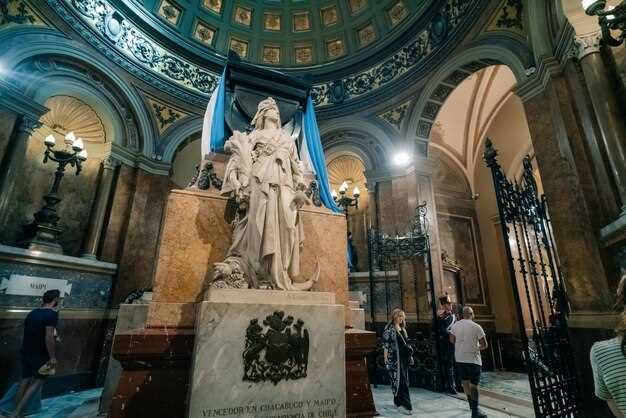
The Basilica of Santa Maria Maggiore stands as one of the most magnificent and important religious sites in Rome. Commissioned in the 5th century, it has been a pivotal center for worship and art throughout the ages. With its stunning combination of ancient mosaics and baroque decorations, the basilica continues to attract visitors seeking to explore its impressive historical significance. Here, each door and staircase leads not only to artistic treasures but also into the depths of Roman history, providing access to a space that has been a significant site of jubilee and reverence.
As you approach Santa Maria Maggiore, the first glimpse reveals its beautiful loggia, crowned with a majestic facade that indicates its importance as one of the city’s four major papal basilicas. Inside, you will discover a mausoleum, along with various chapels that house exquisite pieces of art, including works by renowned artists such as Francesco Borromini. The basilica is a testament to the artistic endeavors of each century, with a particular emphasis on the stunning mosaics that adorn its walls, likely crafted during the medieval period. This attention to decoration continues to enhance the viewing experience for those who come from near and far.
However, visiting the Basilica of Santa Maria Maggiore can be an overwhelming experience without a plan. It is advisable to consider guided tours that not only provide direct access to the most important features but also contextualize the art and architecture within the broader narrative of Rome’s urban development and ecclesiastical history. Under the expert guidance, you will navigate through the basilica’s five naves, along with the magnificent space of the high altar. These tours offer insights that may be missed when exploring on your own, making your visit all the more enriching.
Equipped with this comprehensive guide, you are prepared to explore Santa Maria Maggiore both inside and outside, encountering its every facet and hidden story that lies beneath the beautiful surface. From the vibrant piazza that fronts the basilica to the intricate details in the mosaics, your journey through this site will not only deepen your understanding of its historical context but also allow you to appreciate the beauty of Roman artistry. It is truly an essential stop for anyone seeking to connect with the layers of history that make Rome a home for art and spirituality.
The Historical Significance of Santa Maria Maggiore
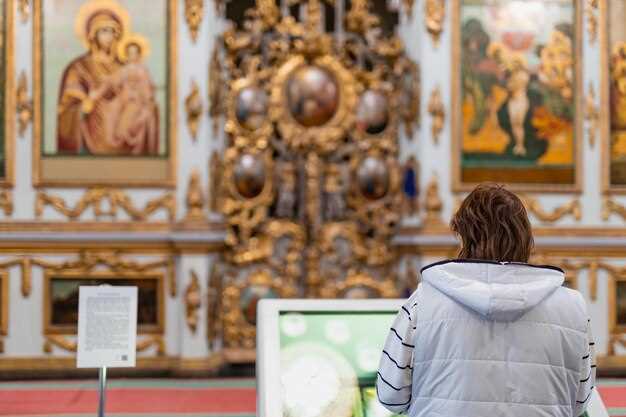
The Basilica of Santa Maria Maggiore, one of the most important churches in Rome, stands as a remarkable monument to the intertwining of Christian history and art. Commissioned by Pope Sixtus III in 432 AD, this basilica is among the oldest structures dedicated to the Virgin Mary, marking a significant moment in the early years of Christianity. The date of its consecration holds immense importance for Catholics, as it reflects the growing recognition of Mary within the Christian faith.
Throughout the centuries, Santa Maria Maggiore has been a center of countless events that shaped the Catholic Church and Italy. Early on, it served as a pilgrimage site for Christians, attracting visitors from around the world who sought solace within its sacred walls. The large and impressive interior, adorned with magnificent paintings and sculptures, reflects the rich artistic heritage of the era and the influence of renowned artists like Michelangelo and Bernini, whose works still draw admiration.
Moreover, Santa Maria Maggiore holds a unique place in the history of the papacy. Many popes chose this basilica as the site for significant ceremonies, further cementing its status as a vital religious hub. The Pope often sees this church as a focal point for celebrating the Catholic faith, emphasizing the tradition that has persisted for many years. The staircase leading to the main entrance is said to be a symbol of the ascent to holiness, providing an easy transition from the secular world to the sacred.
The basilica also surprises visitors with its unique architectural features, including the loggia crafted by Bernini. This stunning addition not only enhances the building’s grandeur but also signifies the innovative spirit that has characterized the church’s evolution. The inscription on the façade serves as a reminder of faith’s endurance, providing a historical context that complements the art housed within.
As visitors enter through its massive doors, they are immediately struck by the aura of sanctity that envelops the space. The interplay of light and shadow, alongside the timeless images depicted in the paintings, creates a contemplative atmosphere worthy of reverence. This setting is especially poignant during mass, when countless worshippers gather to participate in a tradition that has remained steadfast through the ages.
Tickets for entry are relatively easy to acquire, allowing tourists and pilgrims alike to experience this historical treasure firsthand. Access to the various sections of the basilica, including the Scavi beneath, allows visitors to explore the layers of history hidden within its walls. It is not just a place of worship; it is a living narrative that chronicles the growth of Christianity and its profound impact on Rome.
In conclusion, the Basilica of Santa Maria Maggiore is a testament to the resilience of faith and art throughout history. Its impressive architecture, combined with its rich traditions and sacred significance, makes it a must-visit for anyone wishing to understand the depths of Christian heritage in Italy. Situated in the heart of Roma, Santa Maria Maggiore continues to resonate as a beacon of spirituality and historical continuity for generations to come.
The Origins and Foundation of the Basilica
The Basilica of Santa Maria Maggiore stands as one of the largest and most significant churches in Rome, tracing its origins back to the 4th century. Legendary accounts say that Pope Liberius had a dream in which the Virgin Mary gave him a divine sign. This led to the foundation of the basilica, which was built on a site that was considered sacred even before the establishment of the church. The original basilica was likely constructed between 432 and 440 AD, alongside other important churches that marked the Christianization of Rome.
Over the years, numerous renovations and decorations have transformed the Santa Maria Maggiore into a magnificent structure that showcases an impressive array of mosaics. These artworks serve as a visual narrative of religious themes, with the most famous mosaic found in the apse depicting the Virgin and Child. Exploring this basilica can provide visitors with a captivating view of both the artistic splendor and the religious significance. Below the main altar lies the confessio, where many believe that relics of the Holy Virgin are housed, making it an essential spot for pilgrims and visitors alike.
Throughout the centuries, the basilica has held a unique position within the jurisdiction of the Vatican, serving as a treasured site for worship and reflection. Its loggia, which features intricate decorations, addresses both the aesthetic and spiritual needs of the countless visitors and worshippers who pass through. Today, as you choose to explore this world-famous site, you will be surrounded by the history and faith that have crowned the Basilica of Santa Maria Maggiore as a true gem among urban churches and a prominent part of the history of Rome.
Key Historical Events Shaping the Church
The Basilica of Santa Maria Maggiore stands as a testament to the rich tapestry of Rome’s history. Its origins date back to the 4th century when Pope Sixtus III commissioned the building to honor the Virgin Mary after the Council of Ephesus confirmed her status as the Mother of God. This monumental decision marked the beginning of the basilica’s significance within the Catholic Church, positioning it among the major churches of Rome.
Over the centuries, the church has undergone several transformations and restorations that have influenced its architecture and art. In the 14th century, the addition of the magnificent façade transformed its exterior, while the stunning mosaics depicting biblical scenes from antiquity continued to draw the attention of visitors. The captivating image of the Virgin and Child within the basilica became a focal point for Catholics, establishing a spiritual connection that has persisted through the ages.
One of the most fascinating historical events occurred during the Renaissance, when the renowned artist Gian Lorenzo Bernini was commissioned to design the grand altar and the surrounding canopy, known as the baldachin. His work not only enhanced the aesthetic appeal of the church but also reinforced its role as a major pilgrimage site for the faithful. The massive bronze structure carried symbolic significance, drawing the faithful closer to the relics of saints housed within the basilica.
Moreover, the rediscovery of ancient relics during archaeological excavations, or scavi, beneath the church added another layer of historical depth. These discoveries, including fragments of the original mausoleum that housed the remains of Saint Mary, allowed historians and archaeologists to piece together a clearer understanding of the basilica’s past. Visitors today can easily access these sites through guided tours that highlight the importance of these relics.
Throughout the centuries, the church’s jurisdiction has also played a pivotal role in shaping its identity. As the official church of the pope, Santa Maria Maggiore has served as a gathering place for significant events, including papal masses and ceremonies. At times, it has been a place away from the hustle and bustle of Roman society, offering a spiritual refuge for populi and the devout alike.
As a final point of interest, the basilica features a stunning rooftop accessible by a convenient staircase, offering panoramic views of Rome. This aspect serves as both a historical insight and a leisure spot for visitors, combining the allure of the city’s skyline with the spiritual essence of Santa Maria Maggiore. Whether entering through its bronze doors or gazing upon its magnificent architecture, every visit to the basilica is a walk through centuries of faith and artistry.