


 বাংলা
বাংলা  English (UK)
  Русский
  العربية
  日本語
日本語  한국어
한국어  Magyar
  Norsk nynorsk
  Türkçe
  עִבְרִית
  Español
  Čeština
  Svenska
  Português
  Ελληνικά
  Suomi
Suomi  Nederlands
  Română
  Italiano
  Français
  Polski
  Українська
  Deutsch
  简体中文
简体中文  Slovenčina
  Српски језик
  اردو
اردو  Azərbaycan dili
  O‘zbekcha
  አማርኛ
አማርኛ 
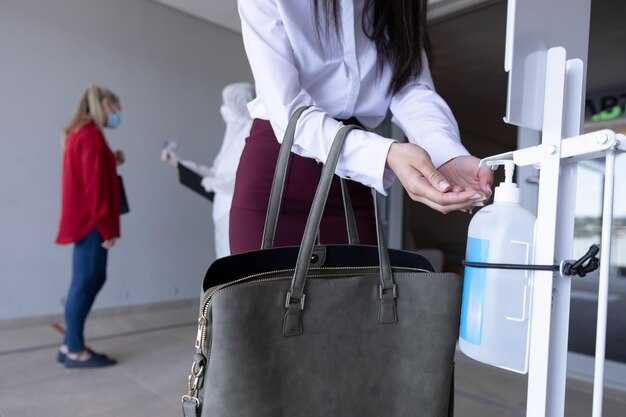
Start with a compact, well-organized kit you can grab in seconds. After miles of routes, I’ve learned that a deliberate setup saves minutes, reduces fatigue, and keeps the crew moving. If you haven’t settled on your own system yet, delve into the below list to check the seven items flight attendants carry in their bags, making carrying these items easier across long duties.
Travel hygiene kit – kiehls lip balm, hand sanitizer, compact moisturizer, and tissues. A tight, TSA-friendly bundle keeps you fresh during long sectors and reduces the chance of mid-flight touch-ups slowing service. Place it high in the bag so you can reach it without unpacking, and recheck before you head to doors again.
Power reserve – a 10,000–20,000 mAh power bank with USB-C and micro-USB cables. This keeps a phone, tablet, or safety device alive during delays or unexpected sit-downs. Carry it in a side pocket with the cables neatly coiled; check it every shift to keep it ready for the next leg within your jurisdiction.
Auditory comfort – compact noise-cancelling headphones or high-quality earplugs. They help you stay focused during meals, announcements, and crew briefings. Choose something lightweight so you can wear them during limited rest without fatigue.
Sleep kit – a lightweight sleep mask, a neck pillow, and a tiny lavender spray. This setup supports rest during schedule gaps and reduces irritability. Sleep matters for staying sharp when you land and deplane; having this in reach makes a real difference.
Writing tools – a compact pen and a mini notebook. They enable taking quick notes on passenger requests or crew instructions, making handoffs smoother. Use a small, water-resistant notebook and keep it in a top pocket for fast access, and make a habit of jotting down key details before moving on.
Fragrances option – a tiny bottle of fragrance or a fragrance-free wipe. Some crew members carry a neutral fragrance to feel refreshed, while others prefer unscented wipes to respect passengers with sensitivities. Store anything with liquid scents in a leak-proof case to avoid spills in turbulence.
Cash and a snack – a few dollars in small bills and a compact, non-perishable snack. Small cash helps if card readers fail or lounge services need a quick purchase; a snack keeps you energized during long gaps between boarding or deplaning. Having something ready at hand reduces scramble and supports satisfaction on crowded flights.
Review these items before you depart, adapt to your base procedures, and keep the kit made to fit your personal bag. Staying organized reminds you to meet passenger needs without delay, and you’ll notice the difference on every flight again.
Flight Crew Bags: A Practical Guide
Pack a compact, labeled toiletry kit in a dedicated pocket on every trip for comfort. This keeps everything you need accessible during boarding, quick rest breaks, and routine checks onboard.
Organize your bag into three zones: personal care, comfort, and backups. Use a coral-colored pouch for the personal-care items to stand out, and place the kit below the main compartment for quick reach. To an extent, customize the zones based on route length.
Seven essentials to carry are a pair of headphones, throat lozenges, a sleep mask, a toothbrush with toothpaste, kiehls travel-size moisturizer, hand sanitizer with wipes, and a lightweight blanket or scarf.
Headphones: choose a foldable design and keep a spare pair in a soft pouch; this reduces tangles and saves time.
Hydration and throat care: sip water regularly, keep throat lozenges handy, and store a small bottle in a side pocket to support dry cabin conditions.
Sleep and comfort: add a compact sleep mask, earplugs, and a light blanket. These things seem practical for quick comfort between legs.
Kiehls moisturizer: keep a 30 ml travel-size tube with a tight cap; store it in a spill-proof bag to prevent leaks and preserve other items.
Details about policy: per agreement, items may be provided by the airline or entered into the crew inventory; make sure each item is checked and logged before departure.
Operational tips and sources: источник getty highlights that a prepared bag reduces onboard stress; think ahead about making adjustments for routes, climate, and crew preferences, making your kit more resilient over time.
7 Key Items Flight Attendants Carry in Their Bags; Passport
Always keep your passport in an accessible outer pocket or dedicated sleeve; it speeds security checks and keeps attendants ready for every jurisdiction, источник reminds crews that preparedness shortens lines for everyone.
2) Compact cardholder: Store passport copy, crew ID, passenger manifest, and emergency contacts in one place; keep it near the top of your samsonites organizer so you can handle duties quickly and keep details clear across jurisdiction rules.
3) Personal care kit: Lip balm, throat lozenges, and hand cream go in a small, spill-safe pouch–packed for long flights and ready when fatigue hits.
4) Writing kit: A slim pen and pocket notepad let attendants note gate changes, passenger requests, or last-minute directives from agents; keep both in a snap-close pouch.
5) Compact organizer: A tiny samsonites case keeps adapters, spare batteries, and coins tidy; getty images often show crews with neat pockets as a right standard.
6) Comfort stash: Mints, gum, tissues, and a lightweight eye mask give you options to handle last-minute passenger needs and stay fresh on back-to-back legs.
7) Health and safety extras: A compact sanitizer, spare masks, and a small medical kit help you uphold duties even when conditions change; print a quick checklist from the newsletter to stay aligned with standards whether you fly domestic or international.
Passport and Travel Documents
Store a secure, ready-to-access copy of your passport and travel documents in a zip pocket at the front of your bag. Keep a digital backup on your phone so you are able to present data quickly if the original is momentarily unavailable; Chloe, a crew member, follows this rule to speed checks.
Always carry the first page with your স্বাক্ষর and a clear photo; this helps security confirm identity with less fuss, which reduces delays.
Protect against damage by using a waterproof, RFID-protected sleeve. Place it in an inner pocket at torso level close to your skin to minimize moisture and contact, and avoid heavy pressure that could bend pages.
Know what is নিষিদ্ধ। near security; present documents when requested, follow অর্ডার, and keep insurance information handy.
A চার্জ may apply for replacements: if a document is lost or damaged, report promptly and file a claim with the airline or consulate; having a backup saves time.
Do not spray সুগন্ধী near papers to avoid staining; keep scents away from your documents and remove caps before packing. Carry a small set of masks and a compact pen in the same pocket for quick checks if asked.
In hong contexts, security may request additional verification; a prepared digital copy can be shown without fumbling, which ensures smoother handling by security staff.
Keep an extra paper copy in another bag or a separate wallet; if your main bag is misplaced, you still have the first documents ready for claim.
Review expiry dates regularly; if the passport will expire within six months, start renewal now, so you avoid being turned away at the gate; once renewed, update copies across পৃথিবীসমূহ ভ্রমণের।.
Crew ID, Security Pass, and Access Card
Always keep your Crew ID, security pass, এবং access card in a single protected holder at chest height for quick scanning. Choose a safe, ওয়্যারলেস-enabled badge with a clean appearance এবং একটি warm finish that minimizes glare on readers.
Follow this গাইড for placement: attach the badge to a durable clip or lanyard that stays with you through every অর্ডার, every পরিস্থিতি, and every down time. This setup reduces delays and keeps credentials visible from a distance, useful across আলাদা airports with varied readers.
Keep a digital backup on your মোবাইল device in a secure, approved app. A ওয়্যারলেস backup speeds re-boarding when the classic card isn’t at hand, which supports quick verification even in crowded hubs. Ensure the backup shows your স্বাক্ষর field if the terminal requests it, and keep the মুখ of the badge clear for scanners.
Protect privacy: never share your access key. When required at the checkpoint, complete the স্বাক্ষর field and present the badge with the মুখ toward the reader. Avoid exposing the card in crowded lines and always keep it covered when not scanning.
Separate পরিশোধ methods: keep পরিশোধ cards away from the badge; use mobile payment where possible. If you carry প্রেসক্রিপশন meds, store the label and a copy of the প্রেসক্রিপশন in a separate pocket, and keep হাইড্রেসন within reach so you stay alert during long shifts.
theres a পরিস্থিতি where the badge is damaged or lost. Report immediately, request a temporary pass, and present alternative IDs as needed. The extent of disruption depends on the airport’s protocol, but using the mobile backup and informing your supervisor minimizes delays and maintains কারণ across crew teams.
Bringing these items in a classic, organized setup saves seconds per boarding, ওটা why it keeps operations smooth. Those small habits create a safe workflow that travels well across routes and teams.
First Aid Kit, Medications, and Medical Info
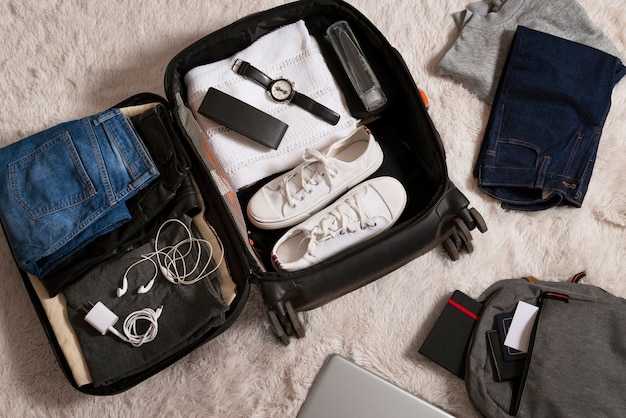
Carry a compact first aid kit with the basics for quick on-board care during your journey.
Store medications in their original packaging with clear labels, and keep a small pouch for taking meds on the move. For passengers and crew taking multiple meds, this setup stays easy to use and helps handle common conditions. Check expiry dates before every flight and replace items that look worn or outdated to keep everything available when you need it.
Include a CPR face shield or mask in the kit so you can provide aid without exposing your face. Add adhesive bandages in assorted sizes, antiseptic wipes, alcohol pads, sterile gauze, tape, scissors, and tweezers. Add a simple fever reducer and an antihistamine, plus an antiemetic for nausea during turbulence; for anyone with ongoing needs, an extra supply of necessary medications is wise. Hydration sachets or electrolyte powder boost recovery if someone runs dehydration during a long day or a lengthy journey. On long flights, a shared movie can distract, yet the kit remains ready for real emergencies and quick actions.
Prepare a medical information card for participants or passengers that lists known conditions, allergies, medications, and emergency contacts. Store a printed copy with your passport and an online version accessible to crew through a secure system; this ensures responders see the same critical data quickly. Keep the language simple so responders open the card and act fast, even if the traveler is quite stressed. If someone becomes invalid or unresponsive, clear data helps responders proceed without delays and keeps everyone safe during the journey.
To support global readiness, keep a small notepad with key notes, such as current medications, dosages, and any fragrance sensitivities (perfume can trigger issues for some passengers). Encourage hydration and regular sips of water, especially during takeoff and landing, and offer electrolyte drinks when needed. Share these tips with people nearby so cabin crews and fellow travelers can help, ensuring first aid readiness remains open and easily accessible for all.
| আইটেম | পরিমাণ | সংগ্রহস্থল | নোট |
|---|---|---|---|
| Bandages (assorted sizes) | 20–40 pieces | Front pouch | Quick coverage for minor injuries |
| Antiseptic wipes | ১০–২০ | Flat pocket | Clean wounds without water |
| Alcohol pads | ১০–২০ | Front pocket | Disinfect skin before injections or cleaning |
| Adhesive tape | 1 roll | Bottom compartment | Secure dressings in place |
| Scissors and tweezers | 1 each | Boxed section | Cut gauze, remove splinters |
| Fever reducer and antihistamine | Small supplies | Original packaging | Take with you when taking trips; check expiry |
| Anti-nausea medication | 1–2 packets | Original packaging | Helpful during turbulence or motion sickness |
| Electrolyte packets | ৬–৮ | Front pocket | Hydration support for quick recovery |
| CPR face shield | 1 | Top layer | Open quickly for mouth-to-mouth or barrier aid |
| Medical info card (printed) | 1 per traveler | Passport holder or easy‑open sleeve | Emergency data for responders |
Personal Care Kit: Hygiene, Toothbrush, and Comfort Items
Pack a smaller, organised personal care kit in samsonites compartments for quick access during service. Keeping all items within reach lets you receive a confident smile from passengers and maintain a calm, comfortable cabin, while ensuring you can take care of basic needs without delaying the flight.
Implementation tips:
- Hygiene essentials – soft-bristled toothbrush, travel-sized toothpaste (about 40 ml), dental floss or picks, and a small bottle or tabs for mouthwash. Store in a water-tight pouch so everything stays full and clean.
- Sanitation and wipes – alcohol-free facial wipes, antibacterial wipes, and a compact hand sanitizer (50–60 ml); place them in a separate, easy-to-grip section for risk-free access during service.
- Skin and lip care – a light moisturiser, fragrance-free lip balm, and a small tube of hand cream. These keep hands comfortable in the dry cabin and reduce irritation for passengers who want to touch up quickly.
- Comfort items – tissues, a compact mirror, eye mask, and optional earplugs. Include a small comb or brush if you notice static or hair nuisance during the flight, which can surprise passengers with a neat appearance.
- Clothing aids – a tiny travel chair or disposable shoe covers aren’t required, but a mini cardigan or socks can help you feel prepared for temperature shifts and long takes during boarding and deplaning.
Place each category in clearly marked sections within the kit so you can participate in a smooth, organised routine. The full setup weighs little and fits into a single pocket, making it easy to take as needed without interrupting the administration flow on board. Findings from crews show that this approach reduces taking time during service and keeps people focused on safety and care, while passengers notice the thoughtful touches and feel reassured. This array of items usually earns love from travellers and contributes to their satisfaction within a single flight.
Tech Gear: Chargers, Cables, Earpieces, and Power Bank
Between chargers, cables, earpieces, and a power bank, youd stay powered on long flights and quick turnarounds without rummaging behind the uniforms you wear every day.
- Chargers
- 1 x 30W USB-C PD wall charger (compact, with folding prongs)
- 1 x 60W USB-C PD charger for laptops or larger devices
- 1 x dual-port USB-C/USB-A travel charger to power two devices at once
- Cables
- 2 × USB-C to USB-C cables (0.5–1 m for easy reach from seats)
- 1 × USB-C to Lightning cable for iPhone/iPad
- 1 × USB-A to USB-C adapter and 1 × USB-A to Micro-USB (backup)
- Color-coded sleeves to reduce mix-ups in the belt case
- Earpieces
- Bluetooth earpiece with low-latency mode for clear comms
- Wired earpiece with mic for noisy cabins and behind-the-ear use
- Spare ear tips and a small clip to keep the setup secure under uniforms
- Power Bank
- 10,000–20,000 mAh capacity (roughly 37–74 Wh, typically under the 100 Wh limit for carry-on)
- Label clearly shows capacity and Wh; never exceed airline limits for batteries
- Store in a dedicated pouch to prevent damage and short circuits
These rules apply across the world’s airlines and agents participating in cabin service. For the best experience, keep the power bank in your carry-on, clearly document its capacity, and avoid packing batteries with damaged casings that could be prohibited on board. Before you join a crew, review the airline’s policy document; rights and restrictions vary by carrier, but a 100 Wh threshold is a common guideline that keeps you within safe limits.
Uniforms and gear alignment matter in busy cabins. A compact kit of four core items grows into seven practical tools when you add an extra cable, a spare charger, and a backup earpiece. That way you’re ready for flying shifts, shopping debates, and quick swaps between aircraft types. In-store shopping can reveal deals from reputable brands, helping you build a reliable set without overspending; really, it’s smart to compare a few options before committing.
Behind the scenes, staying organized is good practice for crew routines and safety checks. Use a small, labeled pouch and a travel-friendly case so everything stays tidy between flights. If a limit applies to your bag, choose slimmer cables and a single, high-capacity power bank that covers most devices while complying with airline rules.