


 বাংলা
বাংলা  English (UK)
  Русский
  العربية
  日本語
日本語  한국어
한국어  Magyar
  Norsk nynorsk
  Türkçe
  עִבְרִית
  Español
  Čeština
  Svenska
  Português
  Ελληνικά
  Suomi
Suomi  Nederlands
  Română
  Italiano
  Français
  Polski
  Українська
  Deutsch
  简体中文
简体中文  Slovenčina
  Српски језик
  اردو
اردو  Azərbaycan dili
  O‘zbekcha
  አማርኛ
አማርኛ 
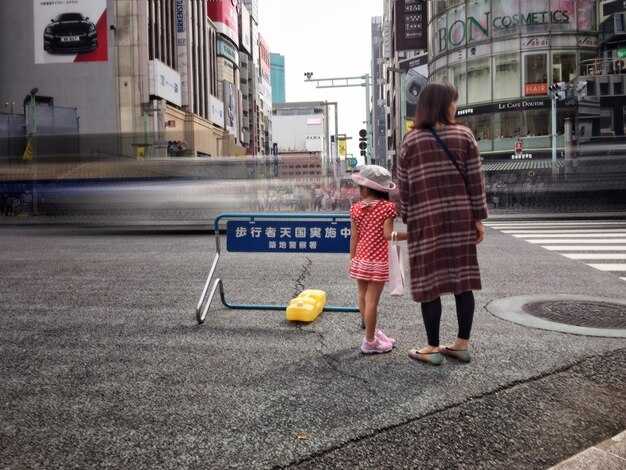
Start with a short-term stay: rent a 1–2 month apartment in central Tokyo to test neighborhoods before signing a longer lease. That lets you rate transit, grocery options, and sushi spots from your own experiences, theres nothing wasted in this approach. This insight helps you decide that you can anchor your life where it fits best. Prepare yourself for long lines, small spaces, and respectful service–you’ll be ready to decide where to anchor your life.
Budget and neighborhoods matter. In central wards, rent and life costs push higher; a one-bedroom often runs 150k–250k JPY per month, while outer zones hover around 70k–110k JPY. We recommend budgeting 10k–20k JPY for a monthly transit pass (Suica or PASMO) and 5k–12k JPY for utilities if not included. Your first weeks will be a field test: visit markets, sample 2–3 sushi spots, walk quiet alleys after work, and compare convenience stores for late hours. If you speak basic Japanese, you’ll remove friction and get better service; tell landlords what you want, and rate responses honestly to avoid false promises. That experience is what helps you settle faster, and from them you’ll decide where to call home. Test the routes yourself and rate what fits your daily life, ready to commit when the lease fits your budget and rhythm.
Transport is the backbone of Tokyo life. Get a prepaid IC card (Suica or PASMO) the moment you land to tap in and out; you can top up at convenience stores. A typical 30–40 minute commute costs 300–600 JPY, and a monthly pass in central zones averages 8k–12k JPY, depending on distance. Within a few weeks you’ll map your routine: stop by your office, then wander an alley for coffee or a quick ramen. Even weekends stay efficient, so use the system to build your home or work routine. Expect strong punctuality, clean stations, and smooth transfers between JR, private rail, and metro lines. This reliable system shapes the environment you’ll work and live in, so using it early makes you ready for daily life.
Culture and daily life: learn to greet with a bow, and try to speak a little Japanese in shops and transit; many staff switch to English, but locals appreciate effort. theres nothing like a neighborhood coffee shop to anchor your routine, especially after a long day. There’s a rhythm to Tokyo that rewards politeness and patience, not loud behavior. Join small experiences like a cooking class or a shrine visit to see a different side of life. Build your balls of courage to ask directions and join conversations. Love these experiences, because they’ll give you a sense of community that matches your pace and preferences, so you won’t feel like a tourist for long and can settle into a routine you actually enjoy, and you wont miss essential tips if you ask questions and jot notes.
Food and experiences: Tokyo offers sushi at every price, from conveyor belts with 500–1,000 JPY plates to high-end counters up to 30,000 JPY per person. Start with 2–3 popular spots per neighborhood, track the quality, and rate them for future visits. Explore alleys behind major stations to discover hidden izakaya and tiny bakeries that stay open late. Stop by a weekend market to taste fresh fruit and pick up snacks for a picnic in a park, where you can observe locals unwinding after work and fall in love with the pace of life. These small wins accumulate into a personal map of favorites that lasts beyond your first year.
Practical setup: open a local bank account, register at city hall within 14 days of moving, and secure a mobile plan with data for maps and translation apps. Choose a sim with eSIM option if your phone supports it; plan around 20–40 GB monthly if you work remotely. Keep a list of contact numbers for your landlord, emergency, and the ward office. Nothing stays the same in your first month, so stay flexible, keep your daily budget tight, and build routines that fit your work and social hours. Ever curious, you’ll find new routines and places that feel like home.
Practical insights for relocating and exploring Nakano Broadway
Visit Mandarake first to gauge stock and set your budget for Nakano Broadway. The complex opens at 10:00 and stays busy through the afternoon, so plan a mid-morning arrival to explore without heavy crowds and to see open aisles where staff can guide you.
Navigate floor by floor, starting from the left escalator and following signs to explore aisles that group manga, retro toys, model kits, and plate collections. Start on the lower levels for affordable picks and work upward to encounter rarer finds.
To minimize risk of theft in crowded corners, keep valuables in a zipped pocket and avoid flashing cash. Some shops take cards, others are cash-only, so ask before you buy and keep a running tally to stay within budget; if you might compare prices, plan a second pass mid-day on a less crowded floor. And avoid rude behavior from sellers by being polite and patient.
Where you live matters: Nakano Station makes daily commuting easy, with direct links to central Tokyo. If you move with family, check nearby school options and after-school programs, and map routes that keep daily life simple for yourself, making social routines easier and broadening your circle. You will appreciate the open neighborhood feel and the convenience it brings.
Where you rest, toilets are located near major corners and elevators, so you can take a quick break without losing your place in line. Enjoy a favourite cafe nearby, grab a chopstick and plate-friendly snack, and sip drinking water or tea to stay energized during long exploration. If you might run into less crowds, you can browse a second pass to confirm your picks.
Affiliate stores cooperate with collectors to source rare items; ask staff about affiliate deals and member events. You’ll meet visitors from around the world as you compare prices, share tips, and plan your next stop. This approach has meaning for your relocation plan.
For a break from the urban vibe, a weekend beach trip to the coast beyond Tokyo is easy to fit into your relocation plan, giving you a different pace after you settle in Nakano. If a boat ride in Tokyo Bay appeals, plan it as a separate day after your Nakano visit.
Cost of Living: Budgeting for Tokyo in Your First Year
Recommendation: Budget 180,000–230,000 JPY per month for all living costs, including rent, and set aside 400,000–900,000 JPY upfront for housing setup. When you come, you’ll keep a clear plan and get on track quickly.
Rent varies by ward: outer wards such as Nerima and Itabashi offer lower rents, typically 60,000–95,000 JPY for a 1K/1R; central wards push toward 120,000–180,000 JPY. Most people find a 1K in a commuter-friendly area keeps monthly costs predictable. After you settle, you’ll become more confident about groceries, utilities, and transport; instead of ordering in every day, you’ll plan meals around eating food you cook at home. Names of neighborhoods around the city help you balance price and convenience.
Transportation relies on prepaid cards. Buy Suica or PASMO and top up in small amounts; with these cards, you can ride trains, buses, and even some vending machines. Around the city, you’ll use machines to buy tickets; everyone will notice a united approach among staff in offices and stores, not rude service. Keep your cards in a small pouch; front pocket or back of your wallet; many vendors accept cards.
Food shopping basics: the main grocery trips include staples like rice, vegetables, tofu, and fish. You will find prices vary by area and season; explore neighborhoods and explore the history of pricing patterns. Most stores offer cashless options, but keep some cash for small markets where you can use 5- or 10-yen coins–coins feel like tiny balls. Everyone shares tips with friends on where to find the best value. After you learn the layout of a floor in a building, you’ll know where to go quickly. When dining, use chopstick etiquette and practice cleanliness; many places provide disposable chopsticks and napkins, and you’ll quickly become comfortable with daily routines with locals.
| Category | Monthly (JPY) range | নোট |
|---|---|---|
| Rent | 60,000–180,000 | Outer wards cheaper; central wards higher; 1K/1R typical |
| Food (home) | 30,000–60,000 | depends on cooking frequency; seasonal prices |
| Eating out | 5,000–25,000 | budget for occasional meals with friends |
| Utilities | 10,000–25,000 | electric, gas, water; winter peaks possible |
| Internet/Mobile | 6,000–12,000 | combine plans to save; mobile often higher |
| পরিবহন | 8,000–20,000 | IC cards minimize cash use |
| Other | 5,000–15,000 | household items, toiletries, supplies |
| Estimated monthly total | 124,000–337,000 | range; aim for 180,000–230,000 in practice |
| Upfront housing costs | 400,000–900,000 | deposit, key money, agency fee, moving |
| Estimated first-year total | 1,888,000–4,944,000 | monthly total × 12 + upfront |
Housing Near Nakano Broadway: Apartments, Leases, and What to Expect
Choose a residence within a 5-minute walk of Nakano Broadway and Nakano Station to minimize commutes, keep mornings warm, and enjoy front-door access to shops, schools, and everyday amenities.
Leases typically run two years, with guarantor requirements or a guarantor company as part of the terms. Some listings charge a one-time renewal fee and a small key money payment, while newer buildings may waive key money but still require a security deposit. Expect monthly maintenance or management fees in the 3,000–8,000 yen range, plus optional parking or shared laundry costs that can push your total higher when you’re ready to move in.
Most buildings near Nakano Broadway offer solid insulation, secure entrances, and elevator access; many units include washer-dryer machines or have access to coin-operated facilities. Look for quiet inner rooms rather than street-facing fronts, and check whether delivery lockers or parcel services are available to prevent packages from piling up down the hallway.
Nakano Ward neighborhoods in this area are known for convenience, with plentiful places for groceries, cafés, and parks within easy reach. Crime stays reasonable for a central Tokyo ward, and well-lit sidewalks help you feel safe after dark. You’ll notice a mix of older low-rise residences and newer compact apartments, which keeps prices competitive and gives you options if you want to limit your monthly rent while staying close to transit.
When you search, target listings that clearly state commute time, room size (1R, 1K, 1LDK), and included appliances; ask about soundproofing and building access to reduce street noise. Through a trusted local broker, compare recent postings in the same ward and note which places allow pets if that matters to you. If a listing seems strong but the photos hide important details, request a live tour to avoid surprises and to confirm there’s no hidden maintenance down the line.
To speed the process, prepare documents showing income and identity, confirm guarantor options, and have a clear budget in mind. Learn the typical costs beyond rent–deposit, key money, and renewal fees–to avoid surprises. Then, visit several fronts of Nakano Broadway’s surrounding blocks, talk to residents, and gauge which places feel most like home, with a balance of space, accessibility, and safety that fits your terms. Cant sign a lease without understanding coverage, so verify the contract details and ask for a written breakdown of all charges before you commit.
Getting Around: Transit Cards, Routes, and Daily Commutes
Get a Suica or Pasmo transit card as soon as you land, at the airport or a station kiosk. It usually costs around 2,000 yen, with a 500 yen deposit that is refunded when you return the card. Load 1,500–2,000 yen to start, then top up as you go. Keep the card in your pocket so you can tap in and out with a simple touch. If you are unsure how to begin, your hotel front desk can point you to the closest vending machine or station counter. That quick step keeps you from thinking about tickets every morning.
After you have the card, you can use it on most trains and buses in Tokyo and beyond. You can top up at machines inside stations, at convenience stores, or link your card to a mobile app. The machines offer English prompts, making it easy for first-timers. Instead of buying separate tickets for each ride, you simply tap and go. The card works on most rides, and you only need one card per person.
Plan routes with maps on your phone or station boards. Most lines run from early morning until late evening. If you move between areas, you will transfer at big hubs like Tokyo, Shinjuku, or Ueno. theres a quick fix: check the map and ask staff, and you can get back on track in minutes. Under the station roofs the signs guide you, and the crowd flow helps you feel the city breathe.
These daily experiences become smoother if you plan lightly and stay flexible. The card covers most rides, so you can focus on the moment rather than buying tickets. Maybe you will enjoy a stop at a quiet museum after lunch and then wander to smaller places in a neighborhood you would otherwise miss. If you are a writer or photographer, the rhythm of trains gives you a touch of life in motion. From a practical side, you will notice there are machines near every gate that help you check fares, top up, or learn a new transfer. In japans cities, theres peace in the calm moments between trains; think about the flow and it becomes easier. To keep the flow, in crowded halls, keep to the left of escalators and let faster travelers pass. The moat near some station areas is a reminder of older districts and adds a special mood to your day.
Daily Essentials: Shopping, Services, and Local Etiquette
Start by mapping three nearby konbini within a five-minute walk and pick one as your daily go-to for beverages, snacks, and transit tickets. Under a 1000-yen daily budget, you can grab quick meals and onigiri, which usually stay fresh and affordable. Have an IC card ready (Suica or Pasmo) to speed checkout, and youre likely to notice faster lines at stores that accept contactless payments. When you visit the ward office or register your address, bring your passport and resident card so the process goes smoothly.
Shopping options and practical tips:
- Konbini: open 24/7 in most neighborhoods, they handle bill payments, copies, and last-minute snacks. With good planning, you can stock up before a commute and not miss your last train.
- Supermarkets and smaller markets: In japans town centers, large chains (Aeon, Ito-Yokado, Life) offer weekly deals on fresh produce; bring a reusable bag to reduce plastic and protect the environment. Prices can be lower if you shop on weekday mornings, and you’ll find bulk options suitable for longer stays.
- 100-yen shops: Ideal for needs in a new home–kitchenware, storage, and cleaning supplies–often allowing you to set up basics for less than a few thousand yen.
Services you’ll use often:
- Ward office registration, health insurance, and residency: bring your passport, resident card, and a local address; there are staff who can help with simple English and basic Japanese phrases. If you could prepare a rough timeline, city hall visits go smoother on weekdays in the morning.
- Banking and post office: open a local account if you plan to stay; some branches offer English forms or bilingual staff; rate your needs (ATM access, transfer fees, foreign card compatibility) before choosing a branch.
- Telecom and internet: compare data plans and installation times; some shops offer short-term contracts and English support; look for a plan that fits your course or study schedule so you’re always connected for school or work.
- Language resources: many community centers or local schools offer short courses or conversation meetups; even a few sessions can help you navigate everyday tasks and meet neighbors.
Local etiquette and daily behavior:
- Queue discipline and greetings: stand in line, wait your turn, and greet staff with a polite bow or phrase like “konnichiwa” when you reach the counter.
- Bagging and packing: most stores do not bag items automatically; bring your own bag and place items neatly to speed the checkout without holding the line up.
- Noise and transit: keep phone chats quiet on trains and in residential areas; a calm pace in neighborhoods helps peace for everyone who lives there.
- Recycling: ward-specific rules apply; separate burnables, plastics, and non-burnables; if unsure, ask staff or check local posters to stay compliant and avoid penalties.
- Social visits and gifts: when youre invited to someone’s home, bring a small gift; remove shoes where required and respect posted signs in shops or schools; most staff are ready to help, even if language is limited.
Theres a wealth of bilingual resources at ward offices and libraries to help you adjust.
Ready to begin? By building a small, reliable network of shops and services, you’ll feel less worried and more confident exploring japans town life, while keeping everyday routines smooth and respectful.
Nakano Broadway: Two Must-Visit Spots and How to Shop Smart
Begin at Mandarake Complex on Nakano Broadway’s lower floors, pick up a quick map at the counter, and set aside about 90 minutes to explore the main manga and collectibles sections.
Spot 1: Mandarake Complex. This multi-floor shop concentrates on used manga, anime figures, cosplay items, and rare books. Expect shelves of classic titles, limited edition art books, and signed items from creators. Cashiers on the first floors can help with condition notes and edition details, so check the item label before paying.
Spot 2: Surugaya Nakano Broadway. This shop specializes in curated bundles of retro games, video discs, and anime merchandise, plus limited press items. You may find boxed figures, overseas releases, and exclusive collaboration goods. Typical price range spans from a few thousand to tens of thousands of yen depending on rarity and condition; compare across vendors before finalizing a choice.
Smart shopping tips. Set a saving goal for the day to limit overspending while still catching items you want. Bring cash in small bills; some shops accept cards, but not all. Inspect items carefully for wear, fading, or missing parts; ask to see a label or edition note. Ask about tax arrangements for tourists if you travel. Keep a running list of items you want and a rough budget; this helps avoid impulse buys. If you spot something mid-range, inquire about a bundled deal, but stay respectful to speed up service.