


 বাংলা
বাংলা  English (UK)
  Русский
  العربية
  日本語
日本語  한국어
한국어  Magyar
  Norsk nynorsk
  Türkçe
  עִבְרִית
  Español
  Čeština
  Svenska
  Português
  Ελληνικά
  Suomi
Suomi  Nederlands
  Română
  Italiano
  Français
  Polski
  Українська
  Deutsch
  简体中文
简体中文  Slovenčina
  Српски језик
  اردو
اردو  Azərbaycan dili
  O‘zbekcha
  አማርኛ
አማርኛ 

Plan to arrive early and begin with a 2-hour walk through the Gothic Quarter to watch the city awaken and to feel how long the citys buildings line narrow lanes. This quick start helps you spot the best dining spots and mark your route before crowds form.
In Barcelona you will hear languages like Catalan and Spanish across markets, cafés, and dining spots; touch the local rhythm by pausing at a bakery for pan, or at a bar for tapas as the hours change across times of day. Equip yourself with a map and a sense of pace to avoid wasting time waiting in queues.
Barcelona is the capital of Catalonia, a real hub across spains coast, and this mix shows how centuries-long streets intersect modern life.
To skip lines at popular spots, book tickets online; heres a tip to use official sites and grab an appointment to see landmarks like the Sagrada Família or Park Güell, especially in high season.
Carry a little cash for markets and cafés; use an ATM from a trusted bank, and avoid displaying large amounts of money in crowds.
Explore barcelonas neighborhoods like El Born, Eixample, and Gràcia on foot, noting long blocks, hidden courtyards, and the touch of modernist façades that line the avenues.
Wont to adapt to the local rhythm, you should pace your meals, especially with late dinners; bring a light jacket for night strolls along the beach and keep a copy of your passport in a secure place.
10 Important Things to Know Before Traveling to Barcelona: A First-Time Visitor’s Guide; Pickpocketers Are Professionals
-
Start at the airport with a charged tarjeta and a transit plan; Barcelona’s airport connects quickly to the city with clear lines. Top up at machines, then head here with the hotel address in your notes; youve got this from the moment you land, and it’s a perfect start to your trip.
-
Plan a gaudi-focused route that fits your pace. For example, Sagrada Família (address: Carrer de Mallorca, 401) and a stroll through the Eixample to see Casa Batlló or La Pedrera mirror the same bold style. This approach keeps the day efficient and enjoyable, and it’s a better way to see the iconic landmarks.
-
Pickpockets are professionals in crowded spots; they watch for distractions along La Rambla and in the Gothic Quarter. Keep bags in front, zippered, and use inner pockets. If a group blocks your path with an advertisement or a distraction, step away without touch and stay safe; they’re waiting for moments when you’re looking at your map.
-
Money matters: rely on tarjeta for most payments; carry a small amount of cash for markets and tips, but avoid flashing cash. Have a backup card, and never surrender your PIN or card to strangers. For extranjera travelers and students, a digital wallet can make staying safe easier, and youve got options that fit every budget and need.
-
Choose staying in common, well-lit neighborhoods with easy access to transit, like Eixample or Gràcia. Look for accommodation outside the busiest streets and near good stops. Here, you’ll feel safer, and a better night’s sleep is easier if you pick a quiet interior courtyard; every corner offers a different vibe, which is perfect for exploring at your own pace.
-
Language basics: a few phrases in Spanish or Catalan go a long way; most locals respond in English, but saying gracias, por favor, and perdón helps. Here, you can hear their responses and use simple exchanges; it makes evenings smoother.
-
Food and drink: in the evening, sangria and vermouth are common in tapas bars. Look at the menu prices before you order to avoid surprises, and beware of flashy advertisement near busy spots. This keeps meals more authentic and enjoyable.
-
Getting around: walking through the old lanes lets you see how the city looks across districts; use the metro for longer hops and cross major avenues with care. A typical day can start in the Gothic Quarter, then cross to El Born, and continue through Eixample–an approach that’s similar to a balanced itinerary and easy to follow.
-
Legal matters for extranjera students: check visa requirements if you’re from outside europe; some venues require a permit for entry or photography. Bring a passport copy and keep a digital version for emergencies; this helps you stay compliant and avoids last-minute issues.
-
Packing and mindset: keep a compact bag, water, a map, and a flexible plan. Carpe diem guides your explorations, but respect local rules about alcohol and noise. Look for a couple of must-see places, then wander through the quarter and across streets to discover the city’s everyday rhythm–outside the crowds and at a pace that’s just right for you.
Practical Preparations and Safety Tips
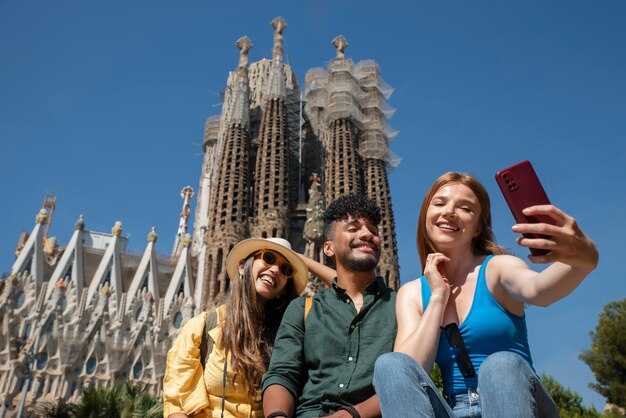
Get a rental transit card or bike rental in advance to move between neighborhoods with ease and safety.
- Plan routes between your hotel, the Gothic Quarter, and the waterfront, and mark a couple of stunning squares as calm checkpoints; this gives confidence and helps you discover the city, mapping your journeys at a comfortable pace.
- Book tickets online for must-see spots like Sagrada Família and Park Güell. there is no need to queue; a ticket in advance fits your journeys and saves hours.
- Carry a small amount of cash plus a card from a reputable bank, and withdraw at ATMs near banks or inside bank lobbies. keep your PIN private and watch for skimmers in crowded areas.
- Protect belongings: use a crossbody bag, mind your pockets and keep zippers closed; avoid contact with them in crowded markets and on trains.
- Respect local customs and enjoy the food scene. try vermouth at a vermutería, but never leave bags or phones unattended during any busy show or street movement.
- Stay connected with a charger or portable Wi-Fi so you can re-route quickly if a route is blocked; for tourism, this gives you more control over your day. theres another tip: download offline maps for areas with flaky signal.
- Move through the city using options like walking, metro, or taxi. while walking, you can pause at a square or café and continue your day on your terms, observing famous landmarks.
- Be safe at night: choose well-lit streets and stay in areas with steady foot traffic; outside late hours, stick to main avenues and avoid unlit back lanes.
- Prepare a compact travel kit: water, sunscreen, a light rain shell, a map, copies of essential documents, and a backup ticket or two. everything should fit in a small bag you can carry through the day.
- Great flexibility comes from knowing there are several options for meals and routes. however, check opening times and reservation requirements, as some places close mid-afternoon or fill up quickly.
Packing smart: what to bring and what to leave behind
Pack a light daypack and a reusable water bottle for daily exploring. Your book gives a practical template: carry only what you need for a typical day in barna’s lively quarters, from the Gothic Quarter to El Born. There, you can discover places where tapas bars spill into narrow streets, and you’ll often sip coffee or sangria on a sunny plaza. If you are extranjera, a few basic phrases will help you speak with shopkeepers and hosts, and a warm hello opens doors in many small shops and hostels. Planning ahead keeps your load manageable and makes movement between accommodation efficient.
What to bring, in concrete terms: comfortable walking shoes, one lightweight jacket for cool evenings, and breathable layers for warm afternoons. A compact umbrella or rain shell handles unexpected showers. Pack a compact towel if your accommodation offers limited facilities. Power comes from a small power bank (20,000 mAh) and a universal adapter (Type C/F). Include sunscreen, a lip balm with SPF, and a small first aid kit. For nightlife, there’s likely to be more walking and sipping, so keep a wallet with a little cash and a card with a backup travel app downloaded to discover nearby bars and sips.
Ignore loud advertisement and stick to a practical system. This approach makes planning easier and actually smooths your movements between neighborhoods. For learning about the city, a good packing rhythm helps you switch between a morning museum visit and a tapas bar afternoon with ease, while staying comfortable enough to speak with locals and fellow travelers on the move.
What to leave behind, or minimize: avoid bulky gear, full-size toiletries, and multiple changes of outfits unless your plans demand them. A heavy suitcase slows you down when you move between accommodation and the next stop. If you book a central location, you can store extras at the desk and travel lighter here and there. In the quarter around barna, you’ll find many small shops where you can pick up essentials, so you don’t carry duplicates from home.
Here is a concise packing table to guide your decisions:
| আইটেম | Why it helps | Notes / quantity |
|---|---|---|
| Light daypack | Daily carry, hands free for maps and snacks | 1 |
| পুনর্ব্যবহারযোগ্য জলের বোতল | Hydration during long strolls | 1 |
| আরামদায়ক হাঁটার জুতো | Cobblestones and long routes | ১ জোড়া |
| Lightweight jacket | Cool evenings and breeze near the sea | 1 |
| Breathable shirts and layers | Adapt to heat and shade | 3–5 tops |
| Compact umbrella or rain shell | Weather changes | 1 |
| Sunscreen SPF 30+ | Protection on open streets | ১ টিউব |
| সানগ্লাস | Glare from sun and water | 1 |
| Power bank (20,000 mAh) | Phone battery for long days | 1 |
| Universal adapter (Type C/F) | Charge devices abroad | 1 |
| Travel towel (microfiber) | Freshen up after quick dips or showers | 1 |
| Toiletries in travel-size kit | Shampoo, toothpaste, etc. | 3–5 items |
| Basic first-aid kit | Plasters, pain relief | 1 |
| Beachwear (swimsuit) | Barceloneta or hotel pool | 1 |
| Documents and wallet | Passport, copies, cards | প্রয়োজন অনুসারে |
| Savings in euros | Small purchases and tips | carry a modest amount |
Transit basics: passes, cards, and planning routes
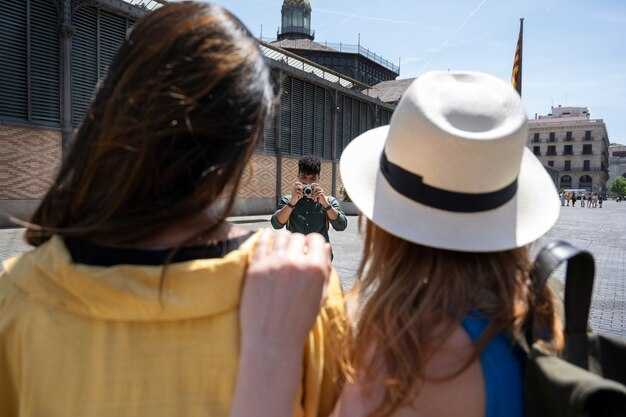
পাওয়া Hola Barcelona cards if youre planning to ride many times; they offer unlimited travel on metro, bus, ট্রাম, and rail within zone 1, which saves time and avoids juggling tickets. Buy at the airport terminal or in major metro stations; you can স্পর্শ your card or phone at entry, speeding every check.
For shorter stays, compare options like a T-Casual card (10 rides) or a longer-term T-usual card. What matters is your daily hops; thats when Hola Barcelona cards feel better if you expect every day to include several rides. This setup works widely across spains urban transit networks.
Touch the reader on entry and exit where required: at metro gates, on buses, and at ট্রাম stops. Keep your card or phone ready in a pocket or wallet to avoid delays; advertisement panels near the doors sometimes flash service updates, which helps with planning. This setup feels straightforward.
Planning routes is simple: use the official TMB App or Google Maps; you can check which lines connect your hotel with the citys sights, and whether a ট্রাম ride saves walking. whenever you want, recheck options, and if you want a scenic option, the tram lines offer long coastal connections that feel rewarding after a busy day.
Terminal notes: airport terminals T1 and T2 have ticket desks and machines, while city stations stock the same passes, so you can pick up before you head out. In Barcelona, advertisement posters at stops help spot changes in schedules. This insider tip keeps you moving, whether youre hopping from a tapas বার to a museum or heading to another place in barcelonas town, for anyone new to the city.
Stay aware: pickpockets hotspots and prevention strategies
Keep valuables secured in a zipped crossbody bag worn in front; never leave phones or wallets in back pockets. Before you head out, set a simple plan: minimal cash, a small cardholder, and your passport locked in the hotel safe. This feels safer and helps you stay alert as you move through Barcelona’s busy streets. Your packing plan should include a spare card and a copy of your passport.
In the biggest crowds, such as La Rambla, the Gothic Quarter, major metro stations, and Barceloneta beach promenades, thieves operate behind or between groups, even in long lines at popular places. For tourist crowds, keep your bag in front, zip every compartment, and avoid flashing valuables. Wherever energy is high, you stay mindful. Whenever you pause at a cafe, sipping a drink, stay with your companions and keep your hand on the bag. Tipsy moments make targets.
Plan routes around authentic spots with lower risk. Choose paths near famous gaudi landmarks and works by architects, but stay mindful of crowds around attractions such as the library of Catalunya. Keep a discreet emergency stash, and consider a theft-deterrent bag that keeps zippers locked. If you carry a camera, keep the strap short and your bag zipped when not shooting. Store your phone within a zippered pocket to keep it out of sight.
If someone brushes past you or the bag feels a touch, step back, check your belongings, and move to a safe, open space. Don’t confront; report to staff or authorities. Behind the crowd, a thief may slip a hand into a bag; stay vigilant and keep contact with the bag at all times.
If theft occurs, act quickly: cancel cards, contact your bank, and visit the hotel front desk or a local tourist information point for guidance. Take a moment to reorient, because calm moves you toward the next destination with less stress. You can book an appointment with a local guide to learn the safest routes for the rest of your stay. Goodbye to careless habits and hello to safer adventures.
Tips to remember: carry only what you need, split cash and cards, avoid keeping valuables in outer pockets, keep your phone in front pocket or inside a zipped pouch, and choose well-lit, busy streets. They likely target pockets in crowded areas, so stay near staff, keep your eyes up, and move with purpose through the city. This approach give you a safer, more authentic Barcelona experience.
Budget basics: typical costs for meals, tickets, and transport
theres no reason to overspend on movement: booking a transport pass ahead of time saves money and hassle. The Hola Barcelona Travel Card covers 2–5 days with simple rates: 2 days €16.30, 3 days €23.70, 4 days €30.40, 5 days €37.60. If you stay 3–4 days, the card usually pays for itself after a couple of rides. price show online before you buy.
For meals, plan a daily budget around €25–€35 per person if you want a comfortable mix of local flavors. A quick café breakfast is €2.50–€4, a casual lunch €12–€15, and a relaxed dinner €18–€28. Sangria is typically €4–€7 per glass. To save, look for menú del día and eat away from iconic tourist zones; this approach is enough to enjoy the flavors without overspending.
Sightseeing costs vary: Sagrada Familia basic entry is typically €26–€32; Park Güell access around €10–€12; Casa Batlló and similar sites run higher, €40–€60 with tours. Picasso Museum tickets are about €12–€14. Booking online often reduces queues; consider combined tickets or city passes if you plan several visits, and check if discounts apply for students or via your bank benefits.
Movement around the city proves easy when you stay near a metro line, especially in open layouts like Eixample. Visited neighborhoods such as Barceloneta and the modernist zone are iconic, and you can hop between them with a single transport card. With a smart plan, you can cover regions in a day and still have energy for a sunset stroll.
Accommodation options range from budget hostels to student housing; choosing an individual room or a small apartment often lowers costs. Open the door to a kitchen to cook some meals, address your plan with a map, and stay in a neighborhood that minimizes daily travel. Banks and ATMs are common, but check withdrawal fees and your card’s rate before you travel.
theres always something to cut costs: markets, open plazas, and free exhibitions. If you visited modernist landmarks, you’ll notice the iconic façades that define barna and its regions. Open hours vary, so booking needed for special tours, and always check ahead. With careful budgeting, you can enjoy a full stay without compromise.
Neighborhoods and getting around: where to stay and how to move
Stay in Eixample or Gràcia as your base for a first visit; you’ll be within walking distance to many sights, easy to reach by metro, and you’ll enjoy calm streets after busier areas. For each individual traveler, the great balance of buildings, cuisine, and quiet lanes stands out. The ciutat’s architecture shines through in the grid of Eixample and the village vibe of Gràcia, while architects like Gaudí and others left visible marks on the streets and plazas.
Move around with the Metro, buses, and trams; the Hola Barcelona card or T-Casual pass covers most trips. You can simply plan your day to stay within a single zone when possible, or mix zones if you want to stretch farther. Stay aware of zones, as fares and lines separate by boundary, but transfers stay straightforward. On the streets, lanes and pedestrian corridors in the ciutat let visitors walk between the Gothic Quarter, El Born, and the Rambla with ease. For an example itinerary, you can join a morning tour through the Born and Barceloneta before lunch.
Consider your base depending on daily plans. El Born offers little streets and cafés, Eixample broad avenues and easy access to many destinations, and Gràcia a village vibe with paths toward the hills. Your priorities might be quiet mornings or lively evenings; whether you’re coming from another part of catalonia or from abroad, you’ll find a fit. If you speak French, you’ll notice a few familiar bakery names and bilingual staff in some areas.
When you book, share the address clearly with your host, and locate the nearest bank or ATM for access. Avoid pocketing valuables in crowded markets; keep them close. Some neighborhoods cluster around central squares with easy transit to beaches, and a morning in Gothic Quarter often draws visitors from nearby towns. Many sites are well visited, so plan your routes to balance museum time with a stroll along the waterfront. You’ll notice a balance of catalonia’s great cuisine and modernist buildings, with a vibe that makes the ciutat feel friendly to visitors and locals alike.