


 Azərbaycan dili
  English (UK)
  Русский
  বাংলা
বাংলা  العربية
  日本語
日本語  한국어
한국어  Magyar
  Norsk nynorsk
  Türkçe
  עִבְרִית
  Español
  Čeština
  Svenska
  Português
  Ελληνικά
  Suomi
Suomi  Nederlands
  Română
  Italiano
  Français
  Polski
  Українська
  Deutsch
  简体中文
简体中文  Slovenčina
  Српски језик
  اردو
اردو  O‘zbekcha
  አማርኛ
አማርኛ  İspaniyanın Ən Yaxşı Şərab Regionu – Şərab Həvəskarları Üçün Bələdçi">

Priorat, İspaniyanı araşdıran şərab həvəskarları üçün ən yaxşı başlanğıc nöqtəsidir. Sıldırım, şistlə zəngin yamaclar, llicorella torpağında Qarnaxa və Karinyena tərəfindən idarə olunan, quruluş, minerallıq və yaşlanma potensialı olan şərablar verir. Onlarla bodeqalar Falset, Gratallops və Porrera-da fəaliyyət göstərir və hər biri etiketlər unikal torpaq-iqlim şəraiti. Sıx bağlı operations burada mədəniyyət yaradır təcrübəli dadıcıların ilk qurtumda tanıdığı aydın məkan duyğusu.
Prioratdan kənarda, məntiqi bir qövs uzanır Penedès, əsrlər boyu davam edən üzümçülük müasir şərab istehsalı ilə qovuşur. Bu region sakit ağlardan tutmuş canlı çəhrayılara qədər bir spektr təklif edir (rozalər), Garnacha və Cariñena çox vaxt əsasında, bəzi qarışıqlarda isə caíño görünür. Ən yaxşı etiketlər hündürlük, torpaq və mikroiqlimləri izah edərkən istehsalçı ailələr qonaqları şərabların necə hazırlandığını və necə ağıl və damaq tekstura və balansı hiss etmək üçün öyrədilir.
Dadmaq zamanı, təzə meyvəni mineral dərinliyi ilə tarazlaşdıran şərablar axtarın. Priorat adətən səbri mükafatlandırır, Penedès isə struktura diqqət yetirmədən dərhal içilə bilən şərab təqdim edə bilir. Əgər müxtəliflik istəyirsinizsə, Garnacha dominant Priorat ilə Penedèsdən olan caíño-inflected qarışığı müqayisə edin ki, hiss edəsiniz necə sərt tanninlər yaş, palıd və diqqətli ekstraksiya ilə yumşaldılır.
Anlamınızı dərinləşdirmək üçün bir neçəsinə baş çəkin bodeqalar və şərab istehsalçıları ilə danışın. Diqqətəlayiq istehsalçı Raúl-un necə izah edə biləcəyi kimi, müəyyən bir ildə üzümlük qərarları formalaşdırır etiketlər sənə görə. Əgər daha geniş bir səyahət planlaşdırırsınızsa, Sanlúcar de Barramedaya sahilə doğru bir kənarlaşma fərqli bir perspektiv təqdim edir: castle estuariyalara baxan və şərilərlə uyğunlaşan yerli yeməklər hal-hazırda İspaniyanın daxili hissələri ilə xoş bir kontrast təklif edir. qablar.
Praktiki plan üçün, Prioratdan Penedèsə bir marşrut çəkin, sonra möhkəmləndirilmiş şəhərləri və bodegaları araşdırmaq üçün Sanlúcar yaxınlığındakı Sherry sahilində bir gün əlavə edin. operations. İstifadə edin etiketlər üzüm qarışıqlarına dair bələdçi (bəzi regional küvelərdə Qarnaxa və Kaynyo əsas yer tutur) və müəyyən etmək üçün bodeqalar maraqlı ziyarətçiləri salamlayan. Bu yanaşma zehinizi açıq saxlayır və ümumi təsvirlərdən daha çox konkret təcrübələrə yönəldir.
İspaniyanın ən yaxşı şərab regionunda Şeri: Praktiki Bələdçi
Bir butulka ilə başla. Fino Xeresdən, ya da Manzanilla Sanlúcardan Atlantik təsirini quru və təmiz profildə hiss etmək üçün. Bu şərab yüngül bədəni, şoran notları və daha çox butulka araşdırmağa dəvət edən sürətli sonluğu ilə tanınır.
Regionu ziyarət etmək yüzlərlə istehsalçını və müxtəlif yaşlanma üsullarını kəşf etməyə kömək edir. Etiketlənmiş şüşələrə baxın Fino, Manzanilla, Amontilyado, Oloroso, və Palo Cortado əsas üslubları anlamaq üçün. İstehsal üsulları fərqli ola bilər, lakin istinad nöqtəsi hələ də solera yaşlanmasıdır, burada daha yeni şərabın bir hissəsi bir neçə "criaderas" və oksidləşmə səviyyələrində köhnə çəlləklərlə qarışır.
Şeri çox yönlü dad profilinə imkan verir: quru nümunələri aperitif kimi içə bilərsiniz və ya gündəlik yeməklərlə uyğunlaşdıra bilərsiniz. Məsələn, quru Fino zeytun, badam və ya xamonla uyğunlaşır, halbuki Amontilyado və ya Oloroso daha zəngin souslarla uyğun gəlir. Əgər daha yüngül bir şey istəyirsinizsə, Manzanilla sahil rayonundan olan bir kilsədən dəniz duzu notları təklif edir ki, bu da dəniz məhsullarını tamamlayır.
Mənşəyi və istehsal bölgələrini bilin: klassik zona Xeres de la Frontera, Sanlukar de Barrameda və El Puerto de Santa Mariya ətrafında cəmlənir, burada Atlantik iqlimi üslubu butulkanın son xarakterinə qədər formalaşdırır. Bu mənşələr yüzlərlə istehsalçının ümumi bir üsulu bölüşməsini, lakin hələ də fərqli butulka profilləri təqdim etməsini izah edir.
Səfər edərkən, üç şüşədən ibarət başlanğıc dəsti seçin: Fino, Manzanilla, və Amontilyado. This trio shows balance, aging complexity, and the range of pairings. Each bottle offers a window into the region’s history and the hundreds of years of know-how behind Spanish sherry production. For references, seek reputable bodegas and guidebooks that focus on the main producers known for consistent quality and sustainable practices.
Decoding Sherry Styles: Fino, Manzanilla, Amontillado, Oloroso, and Pedro Ximénez
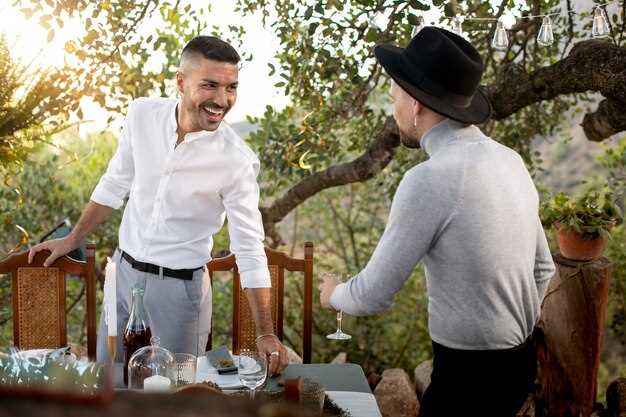
Begin with sanlúcar de Barrameda’s Manzanilla for a crisp, saline introduction that invites you to love Sherry. Its flor-yeasted profile stays pale, with lime zest and sea salt on the finish. Appreciate how the cantabrian winds and the riscal pockets along the coast shape its profile in the east-facing cellars, and note the official labels that identify the style.
Fino follows the same flor, but its weight sits slightly heavier and its finish drier. It appears pale straw to lime with notes of almond, green apple, and a whisper of brine. The blanca Palomino grape shines on soils rich in chalk and sea-spray.
Amontillado begins life as a Fino, then ages longer in contact with air, turning amber and round. It loses briskness and gains walnut, roasted hazelnut, and a touch of toffee. When paired with dishes such as mushrooms or aged cheeses, its flavors deepen.
Oloroso is fully oxidative, rich and dry-to-sweet across producers, with coppery color and a long finish. Tasting notes include walnut, leather, dried fruits, and cocoa.
Pedro Ximénez, PX, delivers intense sweetness from sun-dried grapes, producing a thick, mahogany elixir with notes of raisins, fig, and espresso-like syrup. It is ideal with blue cheeses, ripe fruits, or desserts; drizzle over vanilla ice cream for an indulgent finish.
Reading labels helps you compare expressions: private bottlings reveal small-batch character, while official references trace a region’s rules and practices. The Marqués label marks a flagship style; exploring the regions around sanlúcar and the cantabrian-influenced coasts makes a destination for wine lovers. When you compare, consider the soils, winds, and the lime-clean brightness of a true Fino, or the risk you take with a sherry that leans into Oloroso’s deeper shades. These styles offer a comprehensive spectrum to appreciate the history of cantabrian wine heritage.
Top Bodegas to Visit in Jerez and Sanlúcar de Barrameda
Begin your tasting with Bodegas González Byass (Tío Pepe) in Jerez and then move to Hidalgo La Gitana in Sanlúcar for Manzanilla, pairing two cities and two terroirs in a single afternoon.
-
González Byass (Tío Pepe) – Jerez de la Frontera
-
Why visit: iconic family house with centuries of sherry making and a compact, bottle-friendly tasting space.
-
What to taste: a guided flight of Tío Pepe Fino, a refined Amontillado, and an Oloroso to compare evolution in cask.
-
Best time: mid-morning visits are comfortable; reserve ahead to secure access to a small, exclusive barrel room.
-
Notes: the tasting highlights the terroirs of the Cádiz plain and the sea’s influence, with minerality coming through in the drier styles.
-
-
Lustau (Emilio Lustau) – Jerez de la Frontera
-
Why visit: a modern storyteller with a broad portfolio across fino, amontillado, and oloroso, plus a strong museum component.
-
What to taste: a balanced flight that may pair a Fino with an aged Manzanilla and a rare Saca release; expect citrus lift in younger styles and smoky depth in older ones.
-
Best time: good for a mid-day break or a late-afternoon session; a vertical flight deepens the sense of minerality over decades.
-
Notes: Lustau reveals the region’s terroirs and coastal influences; today’s small productions feel intimate and exclusive.
-
-
Tradición – Jerez de la Frontera
-
Why visit: celebrated for age-statement sherries and careful cask management in producing small lots.
-
What to taste: a vertical flight of aged Oloroso and Amontillado that showcases years of development and a robust profile.
-
Best time: private tastings help compare vintages side by side; book well in advance.
-
Notes: the experience foregrounds northwest Cádiz terroirs, with a coastal citrus aroma in younger ranges and deeper nutty notes as they age.
-
-
Hidalgo La Gitana – Sanlúcar de Barrameda
-
Why visit: cradle of Manzanilla, with a historic site and a clear view of how sea air shapes style.
-
What to taste: Manzanilla Pasada and La Gitana; the set pairs nicely with local tapas for a sparkling coastal experience.
-
Best time: late morning visits suit the open patios and the harbor breeze.
-
Notes: the environment beautifully conveys minerality and citrus brightness carried by salt air, in a small, exclusive setting.
-
-
Barbadillo – Sanlúcar de Barrameda
-
Why visit: a major name with a strong Sanlúcar presence and a welcoming visitor center that explains how sun and sea shape Sherry.
-
What to taste: Manzanilla alongside select unfortified whites; occasional small-batch blends show how even simple recipes can reveal a mineral edge.
-
Best time: pair with a stroll along the riverfront and a seafood lunch on the town’s cascos.
-
Notes: terroirs here emphasize citrus brightness and a refined saline finish, offering a different face from the Jerez city center.
-
Nearby scenes in Andalucía today reveal how terroirs shape bottle character across Spain. While Priorat can offer depth and syrah-inspired intensity, the Jerez and Sanlúcar coast emphasizes coastal citrus, minerality, and a beautifully balanced, often small-scale production that remains exclusive.
What to Eat With Each Sherry Style: Practical Pairings
Pair a cold fino with fried anchovies right away for a crisp, salty lift that clears the palate and sets the tone for planning a tasting across Spain’s diverse styles.
Manzanilla and Fino pair brilliantly with seafood tapas: fried calamari, grilled sardines, and marinated anchovies. The dry, briny profile harmonizes with green olives, almonds, and citrus zest. In towns along the sunny coast, producers in penedés build bottles whose labels emphasize freshness and a clean base of flor yeasts. The reputation travels across regions and resonates in restaurants that celebrate coastal attractions. If youre exploring, keep a small flight handy to compare how the same style shifts with food.
Amontillado offers nutty depth without heaviness. Pair it with mushroom croquettes, sautéed mushrooms, and aged Manchego. The oxidative character mirrors toffee, hazelnuts, and dried fruit; serve with almonds for texture. Over time, the complexity grows, making it ideal for longer tasting sessions and versatile meal pairings.
Oloroso stands up to rich dishes: braised beef, venison ragout, and blue cheeses. The full body and caramel notes also pair well with roasted peppers and walnuts. Palo Cortado sits between Fino and Oloroso; its crisp elegance invites mushroom risotto, saffron rice, and aged manchego. This style also shines with slowly simmered stews in diverse regional kitchens, especially in coastal towns where regional attractions inspire pairings.
Pedro Ximénez is syrupy-sweet and pairs beautifully with dried figs, dates, walnuts, and dark chocolate. It also partners with coffee desserts and creamy puddings for a dramatic finish. Cream sherry, dessert-friendly and luscious, pairs with vanilla ice cream, toffee, or a slice of almond cake. In lermita, a cozy coastal cellar, you can try PX and Cream beside a simple pastry, then discuss how a dish named maría could spark a playful pairing idea with a glass of this sweet style. These lighter, time-saving matches help you plan a tasting that’s approachable in any penedès or penedès-influenced setting.
| Stil | Flavor Profile | İdeal Uyğunluqlar | Sample Dishes |
|---|---|---|---|
| Fino | Dry, light, flor-yeast driven | Seafood, olives, tapas | Fino with fried anchovies; calamari |
| Manzanilla | Light, saline, very dry | Seafood, shellfish, citrus | Grilled sardines; marinated anchovies |
| Amontilyado | Nutty, oxidative | Mushrooms, aged cheeses | Mushroom croquettes; aged Manchego |
| Oloroso | Full-bodied, rich, caramel notes | Beef, game, blue cheese | Braised beef; blue cheese plate |
| Palo Cortado | Elegant, balanced between dry and rich | Rice dishes, saffron, nuts | Mushroom risotto; saffron arroz |
| Pedro Ximénez | Sweet, syrupy, raisin-like | Dried fruit, chocolate, coffee desserts | PX with dark chocolate torte |
| Cream | Very sweet, dessert-style | Vanilla, desserts, coffee flavors | Cream with vanilla ice cream |
Solera Aging Demystified: How Age Affects Flavor and Texture
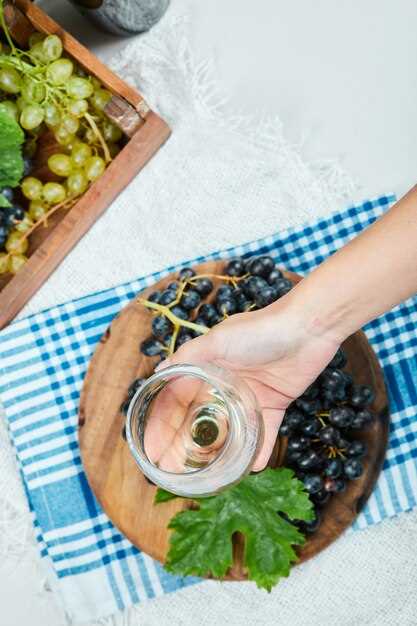
Choose solera-aged wines with clear age labels and taste the progression from younger criaderas to mature bottlings to understand how time reshapes flavor and texture. In a criaderas y escancias system, wine is drawn from the oldest cask for bottling while fresh wine moves into the upper tiers, creating a continuous blend that evolves with each passing year. Those dynamics bring aromas of almond, dried fruit, and a gentle toasty spice, while the mouthfeel gains creaminess and a longer finish as years accumulate.
Across Spain, age shapes styles differently. In Rioja Alavesa, vintners keep a clean, savory profile with restrained oak, while Montilla-Moriles soleras emphasize caramel and nutty notes from Pedro Ximénez-style influence. In Haro, some vintners blend syrah to add a bold backbone to solera blends. Cantabrian coast cellars and sierra-facing bodegas maintain steady humidity and air exchange, keeping those wines in good condition as they mature. Those approaches, kept by dedicated winemakers, yield bottles that offer a range of effects–from bold, structured blends to smoother, almost dessert-like finishes.
If you are visiting wine regions, those visiting bodegas in Alavesa or Montilla-Moriles can sample a young solera alongside a well-aged bottling. Compare the flavor profile, note how the salt air and oak influence the aroma, and judge how the texture shifts from crisp to velvety. For sparkling pairings, choose a solera that leans toward oxidative notes; for savory pairings, look for the region that leans toward almonds and dried fruit. The key is to track evolution while keeping in mind the winemaker’s original style.
Buying and Serving Sherry: Glassware, Temperature, and Budget Tips
Start with a small copita or tulip glass and chill Fino or Manzanilla to 7–9°C to preserve crisp, saline flavors from andalucía.
- Glassware: Choose a narrow copita or tulip glass to trap aromas; avoid wide bowls that let the perfume escape; rinse briefly with cold water and dry before pouring; hold the glass by the stem to keep temperature steady.
- Temperature and style: Fino or Manzanilla shine at 7–9°C; Amontillado benefits from 12–14°C; Oloroso from 13–16°C; Pedro Ximénez or Cream respond best at 12–14°C. Pour modest servings to keep flavors lively and re-chill gently if refilling.
- Opening and rhythm: After uncorking, let the bottle rest a moment to settle; pour a first sip to awaken the profile, then top up for the next rounds. Start with the introduction of flavors, then proceed to stronger styles as a tasting progresses.
love for the profile grows with tasting and careful notes.
For lovers of the profile, this approach respects the winemaker’s craft. The blanca Palomino base yields crisp notes and a hint of coastal breeze; for a richer impression, try an aged Amontillado or Oloroso produced in Jerez or other regions of andalucía. A bottle from lermita can offer value while earning acclaim from major guides; check the label for age and regional designation to ensure authenticity.
Introduction to building a sherry set: taste a variety of styles to map your profile and discover your favorite pairings with snacks.
Budget tips:
- Start with a 750 ml bottle of Fino, a 375 ml bottle of Amontillado, and a 375 ml bottle of Pedro Ximénez. This mix lets you compare dry, nutty, and sweet profiles without a large upfront spend.
- Choose brands with a proven winemaker track record; in andalucía, names with acclaim often deliver consistent results across price points.
- Look for half-bottle formats such as 375 ml when testing options; they reduce waste and let you rotate styles during gatherings.
- Store bottles upright in a cool, dark spot; reseal tightly after pouring. An open Fino stays crisp for about a week when kept cool and topped up; PX and Cream stay usable longer due to sweetness and higher sugar content.
- Pair with almonds, aged blanca cheeses, quince paste, or nutty tapas to reveal a broader flavorscape and heighten the tasting experience.