


 Azərbaycan dili
  English (UK)
  Русский
  বাংলা
বাংলা  العربية
  日本語
日本語  한국어
한국어  Magyar
  Norsk nynorsk
  Türkçe
  עִבְרִית
  Español
  Čeština
  Svenska
  Português
  Ελληνικά
  Suomi
Suomi  Nederlands
  Română
  Italiano
  Français
  Polski
  Українська
  Deutsch
  简体中文
简体中文  Slovenčina
  Српски језик
  اردو
اردو  O‘zbekcha
  አማርኛ
አማርኛ 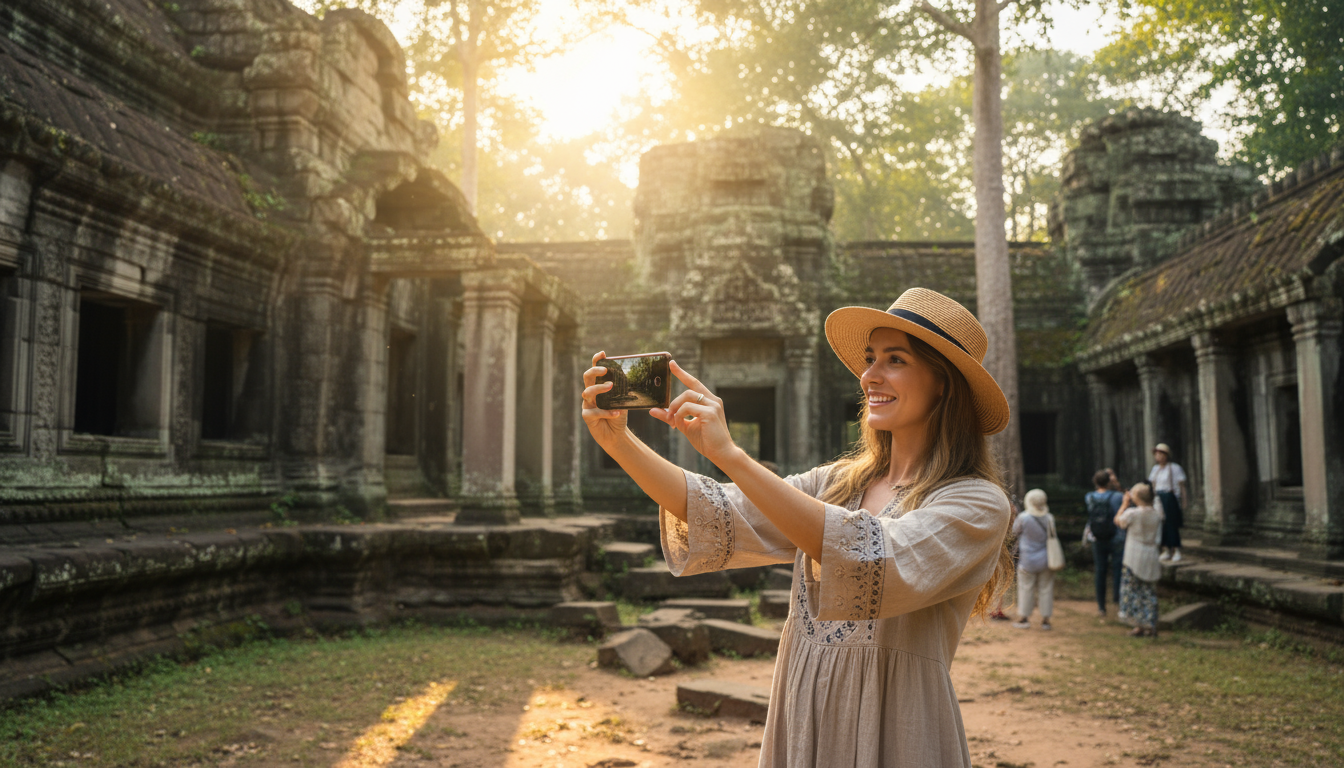 The Influence of Travel Influencers on Destination Popularity: The Double-Edged Sword of Social Media Tourism">

The contemporary travel landscape is irrevocably shaped by the digital realm. Gone are the days when traditional brochures and mass-market advertising held sole dominion over destination marketing. Today, the choice of where to go—and crucially, why—is often dictated by the curated, visually stunning content produced by a class of digital media personalities: the travel influencers. These individuals, who command follower bases ranging from the thousands to the millions, wield enormous persuasive power, transforming obscure locations into global hotspots overnight. Their impact is quantifiable, capable of spiking flight searches, driving accommodation bookings, and fundamentally shifting the economic fortunes of entire regions.
However, this immense influence presents a complex, double-edged sword. While influencers can bring much-needed economic vitality to underdeveloped areas, their powerful spotlight can also catalyze rapid, unsustainable change. The viral success of a single photo can lead directly to overtourism, environmental degradation, and the displacement of local communities. Understanding the mechanics of the influence of travel influencers on destination popularity is crucial for both the travel industry professional and the mindful traveler aiming for sustainable exploration. This article dissects how these digital storytellers operate, measures their impact, and explores the ethical responsibility that comes with their digital footprint.
The Mechanics of Digital Persuasion: How Influence Translates to Popularity
The power of the travel influencer lies in their ability to bridge the gap between aspirational content and authentic relatability, a feat that traditional advertising often struggles to achieve. Their audience views them not as an advertisement, but as a trusted, relatable friend sharing a personal discovery.
Authenticity and Aspirational Content
The core currency of the influencer economy is perceived authenticity. When an influencer shares a picture of a secluded beach or a local market, it is presented as a genuine, personal experience, not a sales pitch. This makes the destination immediately more desirable and trustworthy to the audience. At the same time, the high production quality and aspirational lifestyle depicted—exotic locations, perfect lighting, and unique experiences—create a powerful desire for replication. The audience doesn’t just want to Bax the place; they want to be the person in the picture. This potent combination drives immediate, measurable intent: searching for the flight, the hotel, or the exact spot the photo was taken.
The Algorithm and Network Effects
Major social media platforms—Instagram, TikTok, and YouTube—are built on algorithms that prioritize visual and engaging content, amplifying the reach of successful travel posts far beyond the influencer’s direct followers. A highly-engaged post can achieve network effects, leading to thousands of reposts, shares, and imitations. Furthermore, travel companies and destination marketing organizations (DMOs) are increasingly incorporating influencer collaborations into their strategy, providing the necessary resources for high-impact content. The DMO’s goal is simple: leverage the influence of travel influencers on destination popularity to target specific, desirable demographics with more precision than traditional media allows.
The Positive Impact: Economic Growth and Hidden Gem Discovery
When managed responsibly, the work of travel influencers can be a powerful engine for positive change, particularly in areas that lack the budget for large-scale marketing campaigns.
Economic Dispersion and Local Support
Influencers often champion smaller, independent businesses—a boutique guesthouse, a family-run trattoria, or a local guide service. When their followers visit and patronize these spots, it ensures that tourism dollars flow directly into the hands of local residents and small businesses, fostering economic stability and sustainable job creation. This can counteract the tendency of mass tourism to only benefit large, international corporations. By highlighting a destination beyond the capital city or main resort zone, influencers actively contribute to the dispersion of tourists, easing pressure on known hotspots.
Promoting Niche and Sustainable Travel
Crucially, the influence of travel influencers on destination popularity is not limited to mass-market appeal. A growing number of niche influencers focus specifically on sustainable travel, wellness retreats, or conservation-based tourism. These creators use their platforms to promote eco-lodges, explain ethical wildlife viewing guidelines, and emphasize low-impact travel. This type of influence educates the public, shifting the focus from purely aesthetic consumption to mindful, experience-driven exploration, thereby supporting destinations that are consciously committed to sustainability.
The Negative Repercussions: Overtourism and Environmental Degradation
Despite the positive potential, the rapid, uncontrolled scaling of popularity by social media can have devastating, long-lasting consequences for fragile environments and communities.
The Phenomenon of Destination Decay
The most visible negative consequence is destination decay caused by overtourism. When a secluded spot, like a small, sensitive natural formation or a tiny village, suddenly receives a massive influx of visitors, the local infrastructure—waste management, water supply, and transportation—often cannot cope. The pursuit of the perfect, identical photo leads to trampling of sensitive flora, littering, and erosion of natural features. Furthermore, the commercialization driven by this sudden popularity often forces long-time residents and traditional businesses to sell out or shut down, destroying the very authenticity that drew the initial attention.
The Ethical Dilemma of “Selling” Culture
The practice of commodifying local culture and tradition for a visually appealing post raises significant ethical questions. When influencers pose in front of a private home, a sacred site, or interact with a local community member without their informed consent, they are essentially selling that experience for profit without giving anything back. This has led to destination management boards imposing stricter rules, from banning certain activities to implementing heavy fines for disrespectful behavior, as they grapple with the scale of the influence of travel influencers on destination popularity.
Ethical Frameworks: A Path to Responsible Influence
The conversation around travel influencers must shift from measuring their reach to measuring their responsibility. Both the industry and the content creators must adopt stronger ethical guidelines to ensure their work is regenerative, not extractive.
The Role of DMOs and Industry Stakeholders
Destination Marketing Organizations and tour operators must be meticulous in their vetting and briefing of influencers. Contracts should explicitly require the promotion of sustainable behaviors, adherence to local customs, and, critically, the promotion of alternativ sites to help distribute the tourist load. Some DMOs are now engaging in “de-marketing,” asking influencers to focus not on the most famous spot, but on adjacent, equally beautiful, yet less-visited areas. This strategic planning leverages the influence of travel influencers on destination popularity while mitigating environmental risk.
Guidelines for Responsible Content Creation
Influencers themselves are increasingly being held accountable by their own audiences and peers. Key ethical practices now include:
- Tagging responsibly: Promoting a broader region or city rather than pinpointing the exact coordinates of a fragile spot.
- Respectful representation: Gaining explicit, informed consent when featuring local people or their property.
- Transparency: Clearly disclosing sponsored or complimentary services to maintain audience trust.
- Promoting the journey: Sharing the challenges and sustainable practices involved in travel, not just the glossy final result.
In conclusion, the influence of travel influencers on destination popularity is a defining trend of the 21st century. It has the power to democratize travel, boost local economies, and inspire millions. However, without a strong, ethical framework guided by accountability from both the creators and the industry, the very beauty and authenticity they seek to share may be inadvertently destroyed in the process. The future of mindful travel requires turning the double-edged sword of influence into a carefully wielded tool for positive, sustainable global exploration.