


 Azərbaycan dili
  English (UK)
  Русский
  বাংলা
বাংলা  العربية
  日本語
日本語  한국어
한국어  Magyar
  Norsk nynorsk
  Türkçe
  עִבְרִית
  Español
  Čeština
  Svenska
  Português
  Ελληνικά
  Suomi
Suomi  Nederlands
  Română
  Italiano
  Français
  Polski
  Українська
  Deutsch
  简体中文
简体中文  Slovenčina
  Српски језик
  اردو
اردو  O‘zbekcha
  አማርኛ
አማርኛ 
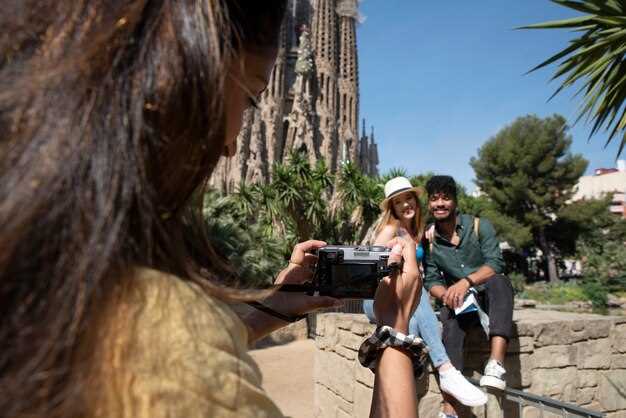
Spain is a country richly endowed with breathtaking landscapes and a diverse heritage that seamlessly combines the modern with the architectural marvels of the past. From the imposing heights of the Pyrenees to the shimmering sands of its stunning coastlines, there is always an opportunity to explore the unique geographical regions of this enchanting land. The majesty of Spain’s landmarks, like the Alcazaba in Almería or Gaztelugatxe on the Basque coast, highlights its historical significance while enticing travelers with their beauty and grandeur.
Visitors can immerse themselves in the vibrant culture that flows through its industrious towns and picturesque villages where music and tradition resonate in the streets. The possibility of witnessing the impressive sights of el Greco’s works in Toledo or savoring the renowned cuisine in the heart of Andalusia offers a variety of unforgettable experiences. Whether you find yourself admiring the art at a contemporary art center or wandering through the magical gardens of Covadonga, Spain promises many adventures that appeal to all senses.
For those seeking a thrill, the breathtaking natural landscapes provide ample opportunities for heart-pounding activities such as paragliding along the cliffs or exploring the stunning coastline by boat. From the monumental constructions of the Moorish era to the charming ambiance of its rural areas, Spain’s top experiences cater to every type of adventurer. As you traverse this captivating region, you will uncover a myriad of experiences that truly affirm why Spain is a beloved destination for travelers from around the world.
11 Monasterio y Real Sitio de San Lorenzo de El Escorial
Nestled in the stunning natural landscape of Spain, the Monasterio y Real Sitio de San Lorenzo de El Escorial is an impressive piece of architecture that echoes the profound cultural history of the nation. Established in the 16th century, this magnificent site was commissioned by King Philip II and serves as a royal palace, monastery, and mausoleum, intertwining the past’s grandeur with the modern world. Visitors can explore the serene atmosphere, where peace and tranquility reign, as they stroll through the gardens that boast breathtaking views and intricate designs. This UNESCO World Heritage site not only represents a pinnacle of Renaissance architecture but also acts as a testament to Spain’s rich artistic heritage, drawing in travelers from all corners of the globe, including those trekking along the historic Camino de Santiago to Santiago de Compostela.
As you delve into the history of San Lorenzo de El Escorial, you will encounter fascinating tales and experiences that go beyond its impressive stone facade. The monastery, home to the relics of over 25 Spanish monarchs, allows one to admire the extraordinary fusion of styles, from classical to gothic, reflecting the evolving architectural landscape in Spain. With the backdrop of the majestic mountains and lush greenery, the site also offers numerous hiking paths and ways to connect with nature, inviting every visitor to partake in their own adventure–whether it’s exploring the nearby village of El Escorial or indulging in invigorating water sports in the nearby lakes. Don’t miss the chance to encounter the magic that has continued to enchant generations of visitors every year, from avid hikers to quiet contemplators seeking solitude away from the bustling cities like Madrid, making it a must-visit destination for anyone traveling in Spain.
Historical Significance: Why Visit El Escorial?
El Escorial is not just a beautiful site; it is a monumental testament to Spain’s rich historical tapestry. Built in the 16th century during the reign of King Philip II, this architectural masterpiece serves various purposes, including a royal palace, monastery, and burial site for Spanish kings. Its grandeur and significance have earned it a place on UNESCO’s World Heritage List.
During your journey, visiting El Escorial allows you to delve into the historical contexts that shaped Spain. The site reflects the power and ambition of the Habsburg dynasty, as Philip II aimed to create a space that underlines his reign’s strength and religious devotion. This historical essence can be felt in every stone of this impressive structure.
- Architectural Marvel: Designed by architect Juan Bautista de Toledo, El Escorial showcases a blend of Renaissance and Herrerian styles, remarkable for its size and symmetry.
- Mədəni Əhəmiyyət: The library houses rare manuscripts and works of art, highlighting the cultural significance of literature and scholarship during the Golden Age.
- Spiritual Heritage: The monastery still functions today, providing insight into the religious practices and monastic life of the era.
As you explore this site, you will encounter the numerous paintings, tapestries, and sculptures that adorn its walls, many of which are designed to celebrate Spain’s illustrious past. Each artwork contributes to the narrative of a nation steeped in tradition and history, making it a vital part of your visit.
Moreover, El Escorial is nestled within the breathtaking landscapes of the Sierra de Guadarrama. Traveling here not only gives you a glimpse into the past but also provides access to stunning scenery. The juxtaposition of architecture against the natural beauty of the mountains enhances the experience of any traveler.
For those planning to visit during the reisezeitseptember, consider the temperate climate that makes your exploration comfortable. The combination of historical depth and stunning landscapes ensures that a visit is never mundane but filled with unforgettable moments.
In conclusion, visiting El Escorial is a journey that transcends mere sightseeing. You are invited to walk in the footsteps of royalty and spirituality, ultimately gaining insights into the cultural heart of Spain. With every turn of its historic corridors, you will find stories waiting to be uncovered–making the trip not just enriching but a significant part of your Spanish adventure.
Architectural Features: What Makes It Unique?
Spain is renowned for its diverse architectural features, which uniquely embody its rich history and culture. Structures such as the Alhambra in Granada and the Sagrada Familia in Barcelona showcase stunning artistry that seems to arise from fairy tales. Each building tells a story, making Spain a treasure chest of architectural wonders waiting to be explored.
One remarkable attribute is the azulejo, a ceramic tilework design that has adorned countless facades across the country. Often found in Andalusia, these colorful tiles bring life to walls, reflecting a fusion of Moorish, Gothic, and Renaissance influences. The intricate patterns create a visually stunning experience that feels both ancient and contemporary.
Bilbao serves as a prime example of modern architectural innovation, blending traditional styles with cutting-edge designs. The Guggenheim Museum, an architectural masterpiece itself, highlights the city’s transformation into a cultural hub. With its dynamic forms and reflective surfaces, the museum has become an iconic symbol of Spain’s artistic aspirations.
In coastal regions, particularly along the kustlinie, you will find towns where traditional architecture harmonizes with natural landscapes. Structures are often built close to the water, offering breathtaking views of the ocean. These towns use local materials that resonate with their surroundings, blending seamlessly into the environment and inviting adventurers to explore.
Moving inland, the architectural features of Castilla-La Mancha are equally captivating. Here, you can witness how medieval castles and windmills dot the landscape, representing a time when these structures played crucial roles in local defense and agriculture. The stark beauty of these stone buildings against the backdrop of rolling hills creates a picturesque scenery worth visiting.
Then there’s Sevilla, where Moorish architecture has left a lasting imprint. The Giralda tower and the Alcázar exhibit a remarkable ability to merge Islamic and Christian designs. This artistic overlap not only highlights a complex history but also creates spaces that are enchanting and immersive, transporting visitors back in time.
The unique charm of Spain’s architectural landscape can also be found in its cities, where modern constructions coexist with historical landmarks. These urban environments encourage exploration and present engaging contrasts, whether it’s the sleek lines of contemporary art centers or the ornate details of Gothic cathedrals.
Ultimately, Spain’s architectural features reflect the diverse influences that have shaped its identity over the centuries. For the adventurous traveler, every square meter invites discovery, whether through the grandeur of a castle or the quaint beauty of a seaside village. No matter the destination, Spain’s architectural diversity serves as a reminder of the past while inspiring the future.
Guided Tours: How to Get the Most Out of Your Visit?
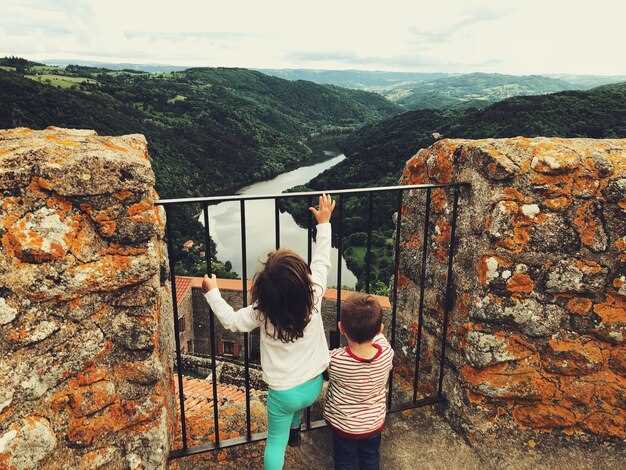
When exploring the vibrant landscapes of Spain, guided tours can provide an enriching experience unlike any other. Choosing a tour allows you to discover the fascinating attractions and historical landmarks with the help of a knowledgeable guide. Whether you are interested in the bustling streets of Palma or the breathtaking views from the peaks in the northwest, these tours help you make the most of your time, letting you focus on the beauty around you rather than worrying about logistics.
One of the most unique experiences you can seek is an adventure that includes an adrenaline kick, like bungee jumping in Mundaka or a jeep safari in Timanfaya. These activities offer not just thrills, but also a chance to see Spain’s stunning landscapes from different vantage points. Imagine looking over the vast panorama of the coastline or the rugged terrains while feeling a rush of excitement. Such guided tours often cater to both thrill-seekers and those who prefer a more relaxed pace.
- Visit historical sites: From colossal churches to breathtaking castles, guided tours can lead you to Spain’s most iconic landmarks.
- Engage with local culture: Immerse yourself in the traditions and cuisine of each region you visit.
- Meet fellow travelers: Guided tours often gather a diverse group of people, allowing you to share experiences and make new friends along the way.
Lastly, remember to personalize your journey. If you have special interests, such as historical architecture or natural wonders, seek out tours that cater to those topics. Many guides can tailor their experiences to highlight local gems that are often overlooked by standard tours. Whether you wish to see the majestic archways of historical buildings or find a quiet corner of a bustling city, there are numerous options available that make your trip unforgettable.