


 Azərbaycan dili
  English (UK)
  Русский
  বাংলা
বাংলা  العربية
  日本語
日本語  한국어
한국어  Magyar
  Norsk nynorsk
  Türkçe
  עִבְרִית
  Español
  Čeština
  Svenska
  Português
  Ελληνικά
  Suomi
Suomi  Nederlands
  Română
  Italiano
  Français
  Polski
  Українська
  Deutsch
  简体中文
简体中文  Slovenčina
  Српски језик
  اردو
اردو  O‘zbekcha
  አማርኛ
አማርኛ 

California is a playground for adventurers, renowned for its diverse landscapes that range from the vast ocean to towering peaks. Whether you are a seasoned hiker looking for a challenging ascent or a casual wanderer seeking tranquil lakeside trails, this state has something for everyone. With trails that lead through giant redwoods, across rocky boulders, and up steep mountainsides, California’s hiking options create an epic backdrop for exploration.
In this guide, we will traverse some of the must-do hikes that each serious hiker should consider adding to their bucket list. From the enchanting views of Cucamonga Peak to the scenic paths of Southern California, these trails offer a perfect combination of beauty and adventure. Additionally, we’ll cover important details, such as permits and trailhead access, allowing you to better prepare for your journey ahead.
Honestly, getting outdoors in winter can be a game changer. The crowds usually thin out, and you may find a new appreciation for the serene beauty of California’s wilderness. Each hike on this list not only feels like an accomplishment but also allows you to connect with nature in a way that most city destinations simply can’t match. So pack your gear, fill your water bottles, and embark on a hiking experience that promises to rejuvenate your soul.
Strawberry Peak – Good to Know
Strawberry Peak, located in the San Gabriel Mountains, is a stunning destination for hikers seeking adventures that include breathtaking views and diverse landscapes. The trailhead, located off Highway 2, is easily accessible by car, making it a popular choice for those living in nearby cities. Before you head out, it’s essential to check the weather, as summer months can be particularly hot, while winter conditions may render the trail more challenging.
The hike itself is approximately a 7-mile roundtrip trek, leading you through the gnarled redwoods and transitioning into exposed areas with stunning views of the surrounding pinnacles. While this hike is manageable for many skill levels, it isn’t advisable for those who aren’t prepared for a bit of a climb. As you navigate through the variations in terrain, make sure to grab extra water and gear, especially if you’re hiking during weekends when the trails can get crowded.
On your way to the peak, you’ll encounter various signs directing you towards key points of interest. About halfway through the hike, consider taking a moment to bask in the panoramic views from the first viewpoint–this spot alone is often a highlight and a perfect photo opportunity. This spot has become a tradition for hikers wishing to capture the stunning beauty of the terrain before proceeding to the summit.
As you get closer to Strawberry Peak, you’ll find evidence of past volcanic activity in the unique rock formations and small caves along the trail. The hike culminates at the peak itself, an exposed dome that offers incredible vistas of the surrounding landscape, including nearby Mount Baldy. The journey to the top is rewarding and provides a sense of accomplishment, making it a must-do for every serious hiker in the area.
Consider timing your visit for either the early morning or late afternoon when the sun isn’t as harsh, especially during summer. This timing also grants you the chance to see the breathtaking colors of sunset from the peak, providing yet another layer of magic to your adventure. Parking can be limited on weekends, so it’s wise to come early or consider carpooling with friends.
Ultimately, Strawberry Peak is not just another hike but an experience that creates lasting memories. With its challenging terrain, stunning views, and unique geological features, it stands out as a remarkable trek for both novice and seasoned hikers alike. Whether you’re looking to hike for fitness or for the love of nature, Strawberry Peak delivers an adventure that you’ll think about long after you’re back home.
Overview of Strawberry Peak Trail
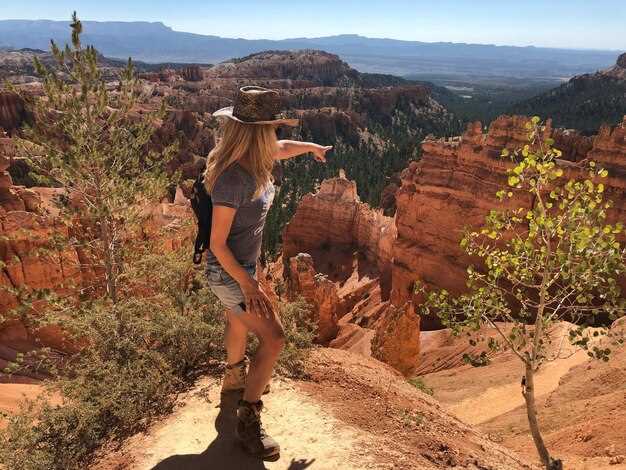
Strawberry Peak Trail, located just outside of Los Angeles, is a must-do for those looking to experience breathtaking views and impressive elevation gain. This trail is situated in the San Gabriel Mountains, particularly offering hikers a chance to bask in the beauty of nature while navigating through various paths that lead to the summit. The trail covers approximately 8 miles round trip, making it a moderate hike that takes roughly 5 to 7 hours to complete, depending on your pace.
The trek begins at a well-marked baseline where hikers can find parking accommodations. However, it’s essential to arrive early to avoid traffic and to secure a parking spot, especially during weekends. Permits are required for this area; hikers should ensure they have the appropriate documentation before setting off. As you venture forward, the path gradually steepens, leading you towards the stunning views of both the base village and the surrounding mountains.
Along the way, you will pass unique spots such as where the charred remains of burned trees tell tales of past wildfires. The contrast between the vibrant greenery and the darkened foliage adds to the trail’s dramatic atmosphere. During your hike, particularly in the warmer months, keeping water bottles handy and packing gear such as sunscreen and hats is highly recommended. You may also want to filter out noise by leaving electronic devices behind for a more immersive experience.
As you approach the summit, you’ll be rewarded with magnificent panoramas that showcase the sprawling landscapes below. The views from Strawberry Peak are arguably some of the best in the area, providing a magical perspective of the San Gabriels and beyond. It’s an ideal spot for taking photos or simply celebrating your accomplishment. Make sure to carve out time for a break at the top to soak it all in.
In addition to the hike itself, the surrounding locations are perfect for those looking to explore more. If you’ve got the energy, consider extending your adventure by visiting nearby beaches or taking shorter walks at lower altitudes. For those with a love for wildlife, the trail also offers opportunities to see creatures such as bobcats and a variety of birds, adding an extra layer of excitement to your visit.
Lastly, Strawberry Peak Trail is perfect for professional hikers and casual adventurers alike. Whether you are with friends or enjoying a solo expedition, this trail embodies that sense of adventure that the great outdoors provides. Remember to stay safe, navigate wisely, and appreciate the beauty that surrounds you on this iconic California trail.
Trail Difficulty and Preparation Tips
Before embarking on any hike in California, it’s crucial to evaluate trail difficulty and prepare accordingly. There are hikes suitable for every explorer, from the more secluded paths near Mount Cucamonga to the high summits found in the Sierra Nevada. For example, a trail that leads to the designated viewing points of Lassen is great for friends looking for shorter adventures. However, ensure you’re aware of the distance and the possible snowy conditions. Some trails may remain snow-free, while others could pose a danger if attempted without proper gear. Always check for ranger updates before setting out. A well-prepared hiker learns how to navigate these challenges and understands the significance of layers in clothing for varying weather. It’s always better to have a list of necessary items and ensure nothing is left behind.
During your explorations, you may encounter diverse wildlife such as bobcats or even more dangerous terrains that require mindfulness. Commonly, hikers might overlook the remote aspects of each trail, thinking only about the city traffic earlier that day. On less traveled routes, like those leading to the hidden treasures of El Dorado, it’s important to have a reliable map. Trailheads often provide essential information, but knowing how to read the landscape and signs is equally important. Whether you’re looking to challenge yourself on high routes or enjoy leisurely walks through tree-lined pathways, everything hinges on the preparation you undertake beforehand. Remember, adventures await those who take the time to plan for them properly.
| Cığırlıq | Difficulty Level | Distance (miles) | Elevation Gain (feet) |
|---|---|---|---|
| Mount Cucamonga | Orta | 8 | 3000 |
| Lassen Peak | Challenging | 5 | 2000 |
| Gold Lake | Easy | 3 | 500 |
| Bobcat Trail | Orta | 4 | 800 |
Best Time to Hike Strawberry Peak
When planning your hike to Strawberry Peak, the timing is crucial. The best months to tackle this stunning trail are typically from late spring to early fall, specifically between May and October. During this period, the weather is generally mild, allowing hikers to enjoy the breathtaking views without the excessive heat. As summer approaches, the days grow longer and warmer, making it an ideal season for exploration.
In late spring, the meadows are lush and vibrant, providing a spectacular backdrop for your hike. The trails are mostly accessible during this time, with little snow remaining at the higher elevations. However, it’s wise to check the weather conditions before your trip, as unexpected storms can occur, especially in the early months. Bring appropriate layers to ensure comfort, particularly when venturing into shaded areas where temperatures may dip.
By mid-summer, the temperatures in the valley can rise significantly, making early morning hikes preferable. Starting your hike at dawn not only helps you avoid the heat but also allows you to experience the mesmerizing sunrise. As you ascend, you will be treated to panoramic views of the surrounding areas, including the majestic San Jacinto and Torrey Peak.
As you plan your adventure, consider the traffic and crowd levels. Weekends tend to see more hikers, so if you’re looking for a quieter experience, try to schedule your trip for a weekday. This approach will enable you to immerse yourself in your surroundings without the pressures of navigating through a busy trail.
For those who enjoy taking photographs or just soaking in the scenery, bring your camera. The vistas from Strawberry Peak are arguably some of the best in the region. A little patience can reward you with stunning sights as you traverse the exposed sections of the trail, where views stretch for miles and the landscape unfolds below.
Don’t forget to pack snacks and sufficient water. While the hike may not be excessively long in mileage, it still requires energy and hydration, especially on warmer days. There are limited locations to rest along the trail, so ensure you plan your breaks effectively to enjoy the areas that offer shade and respite from the sun.
Another tip for enhancing your hiking experience is to explore the caves along the route. These unique formations not only provide a cool retreat from the heat but also add an exciting element to your trek. If you feel adventurous, a detour into these natural wonders can create memorable moments in your hiking journey.
Ultimately, the best time to hike Strawberry Peak will depend on your personal preferences and skills. Whether you’re looking for quiet moments in the morning or enjoying a lively atmosphere in the afternoon, this trail offers something for everyone. Check your gear, consult weather sources, and prepare to dive into an unforgettable adventure.