


 Azərbaycan dili
  English (UK)
  Русский
  বাংলা
বাংলা  العربية
  日本語
日本語  한국어
한국어  Magyar
  Norsk nynorsk
  Türkçe
  עִבְרִית
  Español
  Čeština
  Svenska
  Português
  Ελληνικά
  Suomi
Suomi  Nederlands
  Română
  Italiano
  Français
  Polski
  Українська
  Deutsch
  简体中文
简体中文  Slovenčina
  Српски језик
  اردو
اردو  O‘zbekcha
  አማርኛ
አማርኛ 
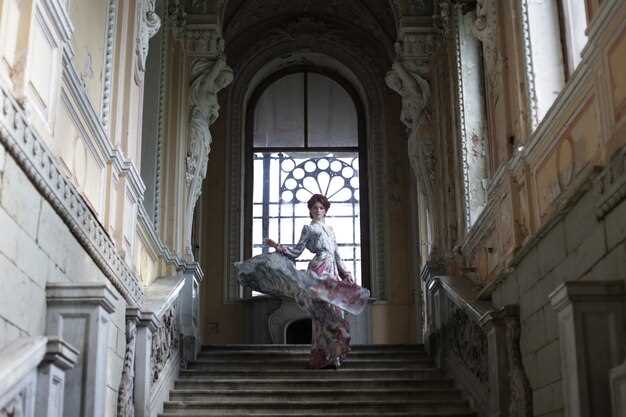
The Sisi Museum in Vienna offers a unique opportunity to explore the multifaceted life of Empress Elisabeth, a figure who has long been enveloped in myth and legend. Throughout her reign, Elisabeth, often referred to as Sisi, was both adored and misunderstood. The tension between her public persona and private struggles resonates through the ornate spaces of this museum, which is devoted to preserving her legacy. Through images, letters, and elaborate displays, the exhibits invite guests to feel the emotional weight of her story.
Visitors can wander through a treasury that houses artifacts integral to Sisi’s life, including the delicate jewelry she wore to balls, famously attended in the imperial castle. Renovated to enhance the experience, the museum’s setting captures the landscape of her existence, defined by both grandeur and isolation. The contrast between the lavish events of the royal court and her deeply conflicted feelings about her position brings forth an essential narrative about identity and self-perception.
The museum’s framework is enriched by the letters exchanged between Sisi and her beloved son, Rudolf, who became a significant figure in her life. Their correspondence, placed alongside private items, reveals the emotional depth of their relationship and the impact of royal obligations on their bond. This peek into their lives adds layers to our understanding of heroes and villains in the courtly drama, ensuring that Sisi is seen not just as an empress flanked by endless admirers, but as a woman navigating the iron conventions of her time.
Exploring the Life of Empress Elisabeth
Empress Elisabeth, known as Sisi, stands as a powerful symbol of beauty and tragedy in 19th-century Europe. Her life was a tapestry woven with themes of isolation and confinement, particularly within the ornate walls of the palais in Vienna. Although she was adored by lovers and celebrated during grand ceremonies, her personal experiences were often marked by a profound sense of loss. The polished spaces of the kaiserforum and the reflective silver panels of the schatzkammer served as stark reminders of her loneliness, a sentiment that deepened after her beloved son, Rudolf, tragically passed away. In this environment, the empress sought solace in the quieter corners of her library and the intimate mews where she would step away from her public persona and indulge in her passion for design and architecture.
As a powerful figure, Elisabeth often felt the weight of her status, balancing her role as the empress with her desire for personal happiness. She initially moved through European courts, experiencing both the luxury of the marble halls and the isolation that came from being a monarch. Her children, while a source of joy, also reinforced her confinement within the rigid structures of royal expectations. Each room in the imperial palace tells a story, with themes connecting to her quest for freedom and the deeper essence of her character. That quest is traceable through the rich history of the 16th century, and Elisabeth’s legacy continues to captivate those who study her life in the many dimensions it encompassed, from the public grandeur of state affairs to the private reflections of a woman who longed for a life beyond the constraints of the crown.
Key Events that Shaped Her Legacy
The life of Empress Elisabeth of Austria, commonly known as Sisi, was marked by numerous events that not only shaped her personal narrative but also influenced the history of the Habsburg dynasty. From her fairytale marriage to Emperor Franz Joseph to her tragic final years, each phase of Sisi’s life was filled with experiences that would later define her legacy. The Sisi Museum in Vienna offers a unique opportunity to explore these pivotal moments through carefully preserved objects and elegant displays.
One significant event was her marriage on April 24, 1854, to Franz Joseph. This union, set against the backdrop of political turmoil and revolution, represented a transition not just for Sisi, but for the entire empire. The wedding was a grand affair, held in the Redoutensäle, where chandeliers hung magnificently, and the atmosphere was filled with the hopes and dreams of the young couple. This marriage placed Sisi prominently on the throne, adding complexity to her life story.
- The Birth of Her Children: Over the years, Sisi gave birth to three children, each addition to the family created waves within the court, influencing her decisions and priorities.
- The Death of Her Firstborn: The passing of her beloved daughter Sophie deeply affected Sisi and led her to seek escape from her royal duties, fueling her desire for independence.
- Exile and Travel: Sisi’s journey through Europe in search of solace allowed her to explore different cultures and lifestyles, which she documented in her personal studies.
As political tensions mounted, Sisi became increasingly disenchanted with court life. Her appearance and lifestyle defied the norms expected of an empress, leading many to see her as an outsider, even within her own family. This constant struggle for identity is reflected in the museum’s displays, showcasing her unique fashion and how it transcended the simple expectations of royalty.
Amidst the upheaval in Europe, Sisi took a stand against the status quo. She became a vocal advocate for Hungarian rights, aligning herself with the aspirations of a nation in search of freedom. This significant involvement not only endeared her to the Hungarian people but also positioned her as a hero of sorts, which the museum highlights in its dedicated exhibition rooms.
The assassination of Sisi in 1898 was a final, tragic chapter in her life that shocked the continent. Her untimely death marked the end of an era, leaving behind an enduring legacy that remains relevant today. The Sisi Museum captures this sentiment, presenting her story in a way that invites the audience to connect with her struggles and triumphs across the months of her life.
In conclusion, as visitors to the Sisi Museum walk through its elegantly designed spaces, they will discover the key events that shaped the empress’s legacy. Each object displayed tells a story of love, loss, and resilience, allowing future generations to understand the complexities of a woman who remains both an enigma and an enduring figure in Austrian history. Through the various rooms filled with historical artifacts, they can delve deeply into the life of Sisi, a remarkable woman whose legend continues to captivate people from all corners of the globe.
Misconceptions About Her Personality
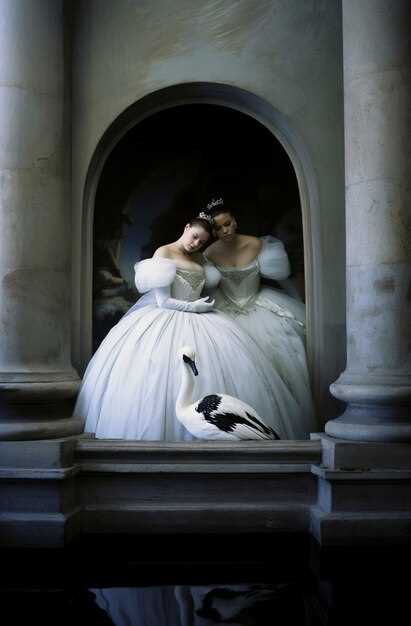
Many misconceptions surrounding Empress Elisabeth of Austria, commonly known as Sisi, have emerged over time. This intricate legend often depicts her as a figure enveloped in grandeur and elegance. However, a closer look reveals a more nuanced personality that defies the romanticized image perpetuated by popular culture.
For instance, Sisi is frequently portrayed as a woman obsessed with beauty and physical appearance. While it’s true that she spent considerable time on her looks, this fixation was often a reflection of her role in the royal court, where expectations about beauty and poise were immense. The pressure to maintain her status made her feel inadequate, which often contradicted the perception of her as a self-assured icon.
Moreover, many believe that Sisi’s personality was entirely rooted in her privilege and wealth. As the daughter of Duke Maximilian, she was located among the elite of Europe. Yet, her life was marked by deep personal struggles, including the loss of her beloved children and the burden of public expectation. These trials shaped her character, marking her with sadness that lay hidden beneath her charming exterior.
While walking through the halls of the Sisi Museum, one might read portraits that highlight her beauty, but what many miss are the complex emotions captured within these depictions. Inside the museum, the emphasis on her possessions, like the original ring she wore, serves to illustrate her human side. It’s a reminder that she was not merely a symbol of elegance but also a person experiencing profound joy and sorrow.
Historians often focus on her relationships, citing her connection with Rudolph, her son, as pivotal to understanding Sisi’s emotional landscape. Their bond provides insight into her deeper feelings and struggles. She was a mother grappling with personal loss, which further complicates the notion of her being merely a queen of beauty.
The legend of Sisi also colors her private life as one filled with constant merriment and luxury, where every dinner was celebrated with great fanfare. However, the reality was often quite different. Many evenings spent in the Schweizerhof felt lonely, surrounded by people who could never truly understand her. The pressure of royal duties weighed heavily on her spirit, leading to a disconnect from the sense of happiness that others may have expected.
In modern times, the renovation of her image has led to a fascination among people visiting places like the Albertina, which houses treasures linked to her life. This interest often eclipses the more profound understanding of her psyche. Visitors should feel encouraged to explore the whole narrative, one that includes not just her world of splendor but also the darker aspects of her life.
Ultimately, Sisi’s story is a tapestry woven with deeply human emotions. Recognizing these complexities allows for a more authentic appreciation of her legacy. While her portraits may evoke admiration for her beauty and elegance, it is essential to look beyond and grasp the true essence of a woman whose life was marked by both love and heartache.
Her Influence on Austrian Culture
Empress Elisabeth, often referred to as Sisi, played a pivotal role in shaping Austrian culture throughout her life. Born into the Bavarian royal family, her marriage to Emperor Franz Joseph I initiated a transformative period for the Austrian Empire. The Empress’s interest in Swiss culture, combined with her unique approach to protocol and royal obligations, fostered a cultural exchange that connected various dynasties and regions. From her private letters, it is clear that Sisi was devoted to the arts, particularly in the construction of public spaces that would later define the essence of Vienna.
The opening of the Sisi Museum itself reflects this profound influence. Located within the Hofburg Palace, the museum showcases a grand collection of artifacts that illustrate her life and the rich cultural tapestry of her era. Visitors can explore various rooms that include Sisi’s dressing area, letters, and mementos that tell stories of her interactions with the Austrian people. The museum courtyard, which lies beneath the roof of the imperial complex, serves as a reflective space where guests can imagine the life of a woman who changed the rigid expectations of her royal role.
| Event | Year | Əhəmiyyət |
|---|---|---|
| Birth of Elisabeth | 1837 | Beginnings of a cultural icon |
| Marriage to Franz Joseph | 1854 | Connection with Austrian royalty |
| Opening of the Sisi Museum | 2004 | Public acknowledgment of her legacy |
Sisi’s lifestyle and fashion choices also made waves, influencing the dressing styles of women across the Austrian empire. Her commitment to fitness and health, illustrated by her infamous flight exercises and protocols, later set a standard for royal attributes that were aspired to by many. Additionally, the cultural revolutions that followed her era can be traced back to her influence, as the city of Vienna transformed into a hub of artistic and intellectual pursuit. Each aspect of her life, be it in the Chancellery or through her correspondence with various officials, helped to redefine what it meant to be an empress in a changing world.
Inside the Sisi Museum: What to Expect
The Sisi Museum, located in the historic heart of Vienna, offers a unique glimpse into the life of Empress Elisabeth, commonly known as Sisi. As you cross the threshold, an air of elegance and history wraps around you. The museum is constructed within the Hofburg Palace, merging the architectural beauty of the Augustinian wing with the rich tapestry of Sisi’s story. Each element, from the towering columns to the meticulously designed gardens outside, reflects the imperial past of this regal home.
Visitors can expect to encounter deeply personal items that belonged to the Empress herself. These exhibits showcase the contrast between her ceremonial public life and her private longing for freedom. You will find portraits that depict her original appearance, accompanied by photographs capturing her essence at various festivals and balls, where she was often a focal point. The museum’s layout allows for a slow and immersive experience, enabling lovers of history to absorb every detail.
As you move along the guided path through the exhibition, insight into Sisi’s tumultuous existence emerges. The items on display, ranging from exquisite silver jewelry to the dresses that symbolized her royal rank, are curated to tell a story. The rigidity of her court life is juxtaposed with the freedom she sought outside the walls of the castle. This duality is integral to understanding her character and the pressures she faced as an empress.
- Expect detailed exhibits featuring:
- Personal items of the Empress
- Ceremonial garments
- Historical photographs
- Artifacts from various emperors
In the morning, the sunlight filters through the windows, casting a soft glow on the artifacts. This natural light enhances the beauty of the exhibits while creating a serene atmosphere for contemplation. Many find it a privilege to occupy the same spaces where Empress Elisabeth once walked, experiencing the juxtaposition of her grand lifestyle and the confinement she felt in her role.
The museum also highlights the significance of the chancellery and the role of notable figures like Viktor Radetzky, who influenced the era. For those who admire architecture, the building itself stands as a testament to the skills of artists and designers of the time, with intricate detailing that marks the height of European design.
As you explore the Sisi Museum, plan to spend ample time in each room to fully appreciate the history that envelopes you. There are plenty of opportunities for reflection and rest, allowing visitors to absorb the narratives shared through the exhibits. It is an experience not to be missed by anyone devoted to understanding this enigmatic figure in history.
During summer months, various events and guided tours take place, creating an inviting atmosphere for both locals and tourists. This added dimension to the experience makes it a lively and engaging place to visit. Whether through exhibitions or seasonal festivals, the museum provides a multifaceted exploration of the life and times of Empress Sisi.