


 Azərbaycan dili
  English (UK)
  Русский
  বাংলা
বাংলা  العربية
  日本語
日本語  한국어
한국어  Magyar
  Norsk nynorsk
  Türkçe
  עִבְרִית
  Español
  Čeština
  Svenska
  Português
  Ελληνικά
  Suomi
Suomi  Nederlands
  Română
  Italiano
  Français
  Polski
  Українська
  Deutsch
  简体中文
简体中文  Slovenčina
  Српски језик
  اردو
اردو  O‘zbekcha
  አማርኛ
አማርኛ 

This year, the beloved ice rink on Museum Square has been canceled, which has left many locals and visitors disappointed. Traditionally known as one of the largest recreational events in the Netherlands, the ice rink transformed the historic square into a cozy winter wonderland. The warm drinks and festive atmosphere typically enjoyed by families and friends will be sorely missed.
The municipality has faced challenges in managing the site, which normally gives every visitor a chance to enjoy skating and other holiday attractions. With the cancellation, users will need to look for alternative outings this winter. The decision was made to prioritize safety and accessibility, particularly for those who might travel using a wheelchair or with babies. Although this year will be different, there are still many points of interest within the city to consider visiting.
For those seeking a fun day out, the areas around the square offer great dining options, with restaurants and cafes ready to welcome visitors. The Rijksmuseum and nearby hotels each provide a warm refuge after a day spent exploring the attractions within the city. Although the ice rink will not grace the square this year, the historical charm of the surroundings, combined with local hospitality, ensures that Museum Square remains an enjoyable place to visit.
Understanding the Cancellation
The Ice Rink on Museum Square, a beloved festive attraction in Amsterdam, has been canceled this year due to a combination of logistical challenges and safety concerns. Events like this traditionally transform Museumplein into a winter wonderland, drawing lovers of leisure and sport alike to enjoy the atmosphere. The decision was not taken lightly, as it plays a critical part in the city’s winter celebrations.
One of the key reasons for the cancellation stems from the need for extensive underground preparation that simply could not be completed in time. The area where the rink would have been held is known for its historical significance and requires careful consideration when organizing events. The Rijksmuseum’s facade and the surrounding district are especially preserved, making large-scale setups complicated.
Additionally, support from local transport and parking facilities was not at the expected level. With high traffic during the winter months, organizing safe and efficient travel for visitors became a challenging task. The city’s infrastructure was not able to accommodate the heavy influx of tickets sold through platforms like Paylogic, raising concerns about crowd management and safety.
In the past, the rink attracted families with babies, football fans, and art enthusiasts. Lots of people enjoyed the outdoor experience while sipping warm beverages from nearby stalls. This year, however, risks associated with adverse weather conditions and the potential for accidents on the ice surface contributed to the decision to cancel. Authorities prioritized the safety of visitors, especially during the holiday season.
The covered area that frequently houses the rink will be used for smaller, more localized events instead. This allows the city to still provide entertainment without the complexities associated with a large ice rink. With several museums and cultural works in the vicinity, creative use of space is being explored to keep both residents and visitors engaged.
Plans are in motion to organize alternative events, possibly featuring local art and technology exhibitions that highlight Amsterdam’s world-renowned cultural scene. The Stadshart district is looking into the feasibility of hosting events that would take advantage of the open grass spaces, bringing the community together while ensuring that all safety protocols are met.
While football matches might take center stage this winter, there’s hope that the ice rink will return in subsequent years, boasting improved technology and facilities that could enhance the overall experience. For those craving the winter atmosphere, there are still opportunities for enjoyment throughout the city.
In conclusion, although the cancellation of the ice rink at Museum Square leaves a void in this year’s festivities, it opens up possibilities for new experiences. Amsterdam continues to adapt, focusing on engaging its residents while upholding the safety and integrity of its renowned cultural landmarks.
Reasons Behind the Decision
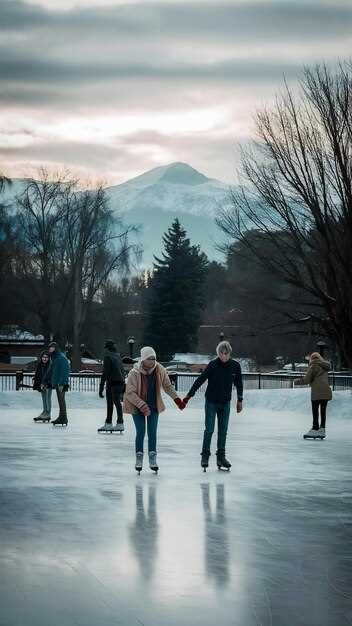
The decision to cancel the ice rink on Museum Square this year stems from several factors that were thoroughly considered by the municipality. Firstly, the transformed landscape around the square has created a need to reassess the space allocated for winter activities. The area now accommodates a range of attractions and events, aiming to enhance the overall experience for locals and tourists alike.
One critical aspect is the existing parkinq capabilities near Museum Square. With the growing popularity of the area, challenges related to parking ödənişlər and availability have prompted city officials to reconsider the feasibility of large installations, such as an ice rink. Visitors already face difficulties finding adequate space, often resorting to designated garages that charge by the hour.
Moreover, the decision was influenced by the need to create a more inclusive space. The square has to serve hər ikisi locals and visitors, ensuring that everyone can enjoy the expansive area. Events and performances planned for the season required spaces that accommodate large gatherings, which meant that the ice rink would take up valuable room that could be used for more diverse activities.
Additionally, the planning process revealed that the construction of the rink would overlap with several other tədbirlər. The organized activities, including seasonal performances, need to be maximized within the square’s məkan. This overlap would diminish the experience of attendees, as they would not be able to fully enjoy the various offerings in the area.
Furthermore, feedback from the public also played a significant role in the decision-making process. Surveys collected by the local administration showed a growing preference for more open paths and recreational areas over temporary installations like an ice rink. Many residents expressed a desire for nəsə that promoted community interaction without disrupting the beauty of the site.
Before coming to the final conclusion, the municipality considered the implications of the ice rink on the local environment. Concerns about noise and litter, particularly from plastic bottles and drinks, were raised. The city aims to maintain the integrity of the square while minimizing disruption for nearby residents and businesses, including butik shops.
As an alternative to the ice rink, the council is working on further improving the charm of Museum Square with additional landscaping and amenities. Plans include enhancing the paths and seating areas where families, including those with a körpə, can relax and enjoy their time. There is a broader objective to redesign the space to cater to a wider array of activities.
For those seeking more information regarding the cancellation, please check the municipality’s website at infoschaatsbaanmuseumpleinnl. The square will continue hosting various seasonal events and international attractions that aim to enhance the cultural tapestry of Amsterdam. Visitors are encouraged to explore other nearby sites and enjoy all that the area has to offer.
Impact on Local Community
The cancellation of the ice rink on Museum Square significantly impacts the local community, especially the families and young visitors who often look forward to this winter season highlight. Each year, the rink allowed them to enjoy skating in a cozy atmosphere while surrounded by world-renowned museums. Without this event, locals miss a crucial part of their holiday experience.
This seasonal fixture wasn’t just about skating; it also brought together locals and outsiders alike. People would gather around the nearby cafés, where visitors could take a break, sip hot chocolate, and enjoy the sunny ambiance. The absence of this attraction might lead to a decrease in visitors, affecting local businesses that rely on foot traffic to thrive.
In addition, the ice rink served as a gathering point for creative individuals, including painters who drew inspiration from the lively scenes. The vibrant atmosphere created by music, laughter, and art made it a must-visit spot across the Netherlands during the winter season. Its cancellation means fewer opportunities for artists to showcase their work and interact with the public.
Statistieken from previous years indicated a spike in nearby parking usage and café revenues during the skating season, demonstrating how the event benefited the economy. Local shops depended on the influx of traffic that the ice rink brought. Its removal could create a ripple effect, where less income leads to reduced hiring and investment in community projects.
Furthermore, the rink provided a safe space for families to bond, allowing parents to enjoy an outing without the hassle of long-distance travel. It was a haven where everyone, from children to seniors, found joy. Without the rink, options for such family-friendly activities could become limited, potentially isolating the community further.
The decision not to install the ice rink this year raises questions about other cultural events in the city. Will locals be able to discover alternative activities that can replace the lost experience, or are they left without similar attractions? Visitors often seek engagements that intertwine art and leisure, and the absence of the skating rink diminishes that offering.
In conclusion, the impact of cancelling the ice rink on Museum Square touches multiple aspects of community life. From economic drawbacks to emotional connections, this beloved seasonal attraction was more than just a place to skate; it was a source of joy, creativity, and togetherness in the heart of Amsterdam.
Comparative Analysis with Previous Years
The ice rink on Museum Square has been a beloved recreational activity for both locals and tourists alike, held annually since its inception. In previous years, it served as one of the largest winter attractions in Amsterdam, drawing visitors from all over the world. The municipality aimed to create a cosy environment, with options for food and local cafés nearby, ensuring that patrons could enjoy a full day of activities.
In contrast to past seasons, data from gegevens highlights a significant reduction in space availability this year, limiting the use of the green grass area typically used for additional attractions. Historically, the rink was complemented by pop-up restaurants and lively performances that captured the heart of winter culture. Visitors in previous years enjoyed not only skating but also a vibrant atmosphere, encouraging them to purchase tickets to experience the best-known turistik yerlər.
The absence of the rink this year affects the anticipated foot traffic from the Rijksmuseum and the larger vicinity. Last year, visitors would freely pass through the area, taking in the sights while enjoying hot chocolate or local treats from street vendors. This season, the lack of a skating option means fewer opportunities for families and friends to gather and share those joyous moments, diminishing the spirit of community that was once prevalent.
Furthermore, previous iterations allowed for extensive viewing of the illuminations and lively settings, creating a wintry escape. This year, the loss of such a space feels stark, particularly when considering the high demand for leisure activities. Without the rink, the public is left with less room to engage in winter pastimes, effectively severing a beloved link with festive traditions.
As winter approaches, many will reminisce about the cozy experiences of previous years, when e-cigarettes and loud chatter filled the air as skaters glided across the ice. With no rink to visit this winter, residents and tourists alike must find new ways to create their winter memories. The hope remains that future cancellations won’t become a trend, allowing the city’s winter culture to thrive and provide a fulfilling experience to all who desire it.