


 Azərbaycan dili
  English (UK)
  Русский
  বাংলা
বাংলা  العربية
  日本語
日本語  한국어
한국어  Magyar
  Norsk nynorsk
  Türkçe
  עִבְרִית
  Español
  Čeština
  Svenska
  Português
  Ελληνικά
  Suomi
Suomi  Nederlands
  Română
  Italiano
  Français
  Polski
  Українська
  Deutsch
  简体中文
简体中文  Slovenčina
  Српски језик
  اردو
اردو  O‘zbekcha
  አማርኛ
አማርኛ 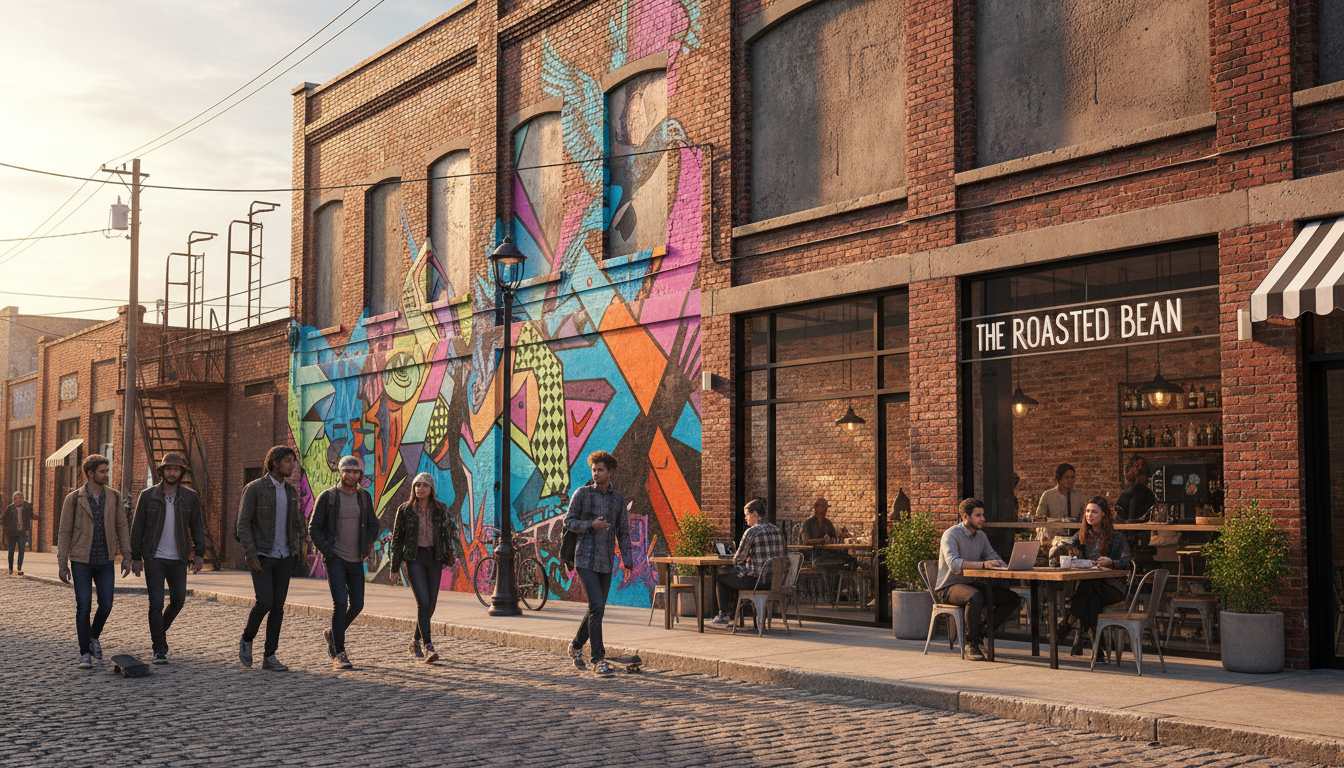 Emerging Urban Neighborhoods Worth Exploring">

In the evolving landscape of global travel, the most sought-after experiences often lie beyond the well-trodden tourist trails. While landmarks like the Eiffel Tower and Times Square retain their magnetic pull, a growing segment of mindful travelers is actively seeking authenticity, looking to connect with the genuine, living pulse of a city. This shift in traveler behavior has pushed once-forgotten industrial zones and culturally rich, but commercially undeveloped, areas into the global spotlight. These emerging urban neighborhoods are not just experiencing gentrification; they are undergoing a creative renaissance, offering a powerful blend of local history, groundbreaking art, and innovative culinary scenes that provide a far more profound look into a city’s soul than any museum can offer.
The modern explorer is armed with apps and a desire for the unique, turning the search for a neighborhood’s “hidden gem” into the new travel imperative. This article dives into the dynamics that define these burgeoning districts, offering a guide on how to find them, what to look for, and how to explore them responsibly to maintain their unique character. From converted warehouses housing world-class galleries to independent bookstores tucked away on quiet, mural-covered streets, these emerging urban neighborhoods are the future of city tourism, offering stories that are still being written and experiences that are genuinely new.
The Anatomy of a Renaissance: What Defines Emerging Urban Neighborhoods?
Identifying a neighborhood that is truly “emerging” requires looking past superficial signs of development. These districts share a common DNA, typically rooted in historical working-class or industrial functions, which gives them a unique architectural backbone and deep community ties. The transition is rarely instantaneous; it is a gradual, organic process fueled by local artists, independent entrepreneurs, and a relative affordability that attracts new waves of residents. Understanding these defining traits is key to finding the authentic heart of a burgeoning area.
Historical Context and Architectural Heritage
Most successfully transformed districts, from London’s Shoreditch to Brooklyn’s DUMBO, began with a clear industrial or maritime past. The architectural legacy—think large, open warehouse spaces, dilapidated docks, or defunct factories—provides the perfect blank canvas for galleries, co-working spaces, and loft apartments. This repurposing of old structures is critical. It avoids the sterile feel of entirely new developments, retaining a gritty authenticity that travelers crave. When scouting emerging urban neighborhoods, look for the density of repurposed brick, steel, and concrete structures that tell a story of the city’s past, often juxtaposed with strikingly modern interior design.
The Creative Catalyst: Art and Independent Entrepreneurship
The initial spark for an emerging district’s transformation is almost always cultural. Artists, often priced out of more established creative hubs, move in, attracted by cheap rent and large spaces. This influx establishes an undeniable creative energy. The district becomes dotted with pop-up galleries, small independent theaters, and community art projects. Following the artists are the independent entrepreneurs: the specialty coffee roasters, the vintage clothing dealers, and the chefs experimenting with hyperlocal fusion cuisine. These independent businesses are the lifeblood, replacing chain stores and creating a unique economic ecosystem. The density of locally owned businesses, rather than global franchises, is a reliable indicator that you are exploring a genuinely emerging urban neighborhood.
Navigating the Hidden Gems: Tips for the Mindful Traveler
Exploring these nascent districts comes with a responsibility to tread lightly and support the local ecosystem that makes them special. The goal is to be a traveler, not just a tourist, ensuring that your presence enhances, rather than erodes, the local culture and economic stability.
Prioritizing Local and Independent Commerce
The greatest impact a traveler can have in an emerging area is economic. When purchasing coffee, meals, or souvenirs, intentionally seek out businesses that are clearly locally owned and operated. Skip the well-advertised spots near the transit hubs and wander deeper into the side streets. Engage with the owners; ask them about the neighborhood’s history and their vision for its future. This not only guarantees a unique experience but also directs tourism dollars straight into the community, supporting the very people driving the renaissance. By focusing your spending, you actively help prevent the mass commercialization that often follows an area’s discovery.
Respecting the Resident Community and Art
It is essential to remember that emerging urban neighborhoods are first and foremost residential areas. Maintain respectful behavior, especially when viewing street art or exploring public spaces. Street art is often ephemeral and deeply meaningful to the local community; treat it as you would an exhibit in a museum. Avoid loud, late-night gatherings that disrupt the peace. Use public transportation or walk whenever possible, reducing congestion and getting a more granular view of the area. The best way to appreciate these vibrant districts is to observe and integrate quietly, rather than dominate the space.
Case Studies: Global Emerging Urban Neighborhoods to Watch in 2025
The global movement toward localism means that every major city has at least one district on the cusp of discovery. Travelers who get in early can experience these places in their most authentic, vibrant form before widespread commercialization takes hold.
The Warehouse District of Lisbon (Portugal)
Lisbon has seen an explosion of tourism, but while most head to Alfama or Bairro Alto, its industrial waterfront area is quickly transforming. Old shipping warehouses are now vast food halls and cutting-edge design studios. What began as a handful of late-night bars has evolved into a fully-fledged cultural complex. This area is characterized by massive, graffiti-covered walls and a stunning view of the 25 de Abril Bridge, offering a distinctly different vibe from the city’s historic core. It’s an ideal place to spend an afternoon tasting innovative Portuguese tapas and browsing local design exhibitions, proving it is a must-see among emerging urban neighborhoods.
Mexico City’s Santa María la Ribera (Mexico)
Often overshadowed by trendier Roma Norte and Condesa, Santa María la Ribera is quietly becoming the next major creative destination. Centered around the iconic Morisco Kiosk, this area balances beautiful Porfiriato-era architecture with a strong, deep-rooted local community feel. Its streets are lined with small, traditional tiendas (shops) and new, artist-run galleries. The emergence here is slower, more residential, and therefore, more authentic. Unlike the neighborhoods where rapid commercialization has displaced long-time residents, this district maintains a balance, making it a sustainable choice for cultural explorers interested in the genuine rhythm of life in a large city.
Mar Mikhael in Beirut (Lebanon)
Despite its recent challenges, Mar Mikhael remains a beacon of Beirut’s tenacious creative spirit. Known for its charming, narrow streets and traditional Lebanese architecture, this district is the epicenter of the city’s independent art scene and nightlife. Its transformation is less about gentrification and more about resilience, with local artisans and café owners rebuilding and revitalizing their community. The district’s appeal lies in its electric energy and its profound historical depth, offering travelers a vibrant, yet deeply moving, experience that supports a recovering local economy. It’s a powerful example of an emerging urban neighborhood defined by its cultural strength against all odds.
The Future of City Exploration: Staying Ahead of the Curve
To consistently find the next great destination, travelers must move beyond traditional review platforms and travel guides. The key is to leverage local knowledge and embrace serendipity.
Leveraging Hyper-Local Discovery Tools
Instead of relying solely on established travel blogs, explore hyper-local content creators on platforms like Instagram and TikTok, often searching in the native language of the city you plan to visit. Look for small, independent media outlets or community newsletters specific to a city’s lesser-known zones. Geotags can reveal the density of independent cafes or niche cultural institutions. More importantly, when you arrive, engage with your hosts or local service providers and ask for their personal recommendations outside the central business district.
Understanding the Gentrification Cycle
Mindful travelers should be aware of the gentrification cycle that affects many emerging urban neighborhoods. The movement often starts with low-income artists and ends with high-income professionals and global chains. The sweet spot for travel is during the “mid-stage,” when a high density of innovative local businesses exists alongside a strong sense of community and history, before excessive commercialization. By supporting these areas, we can encourage a model of tourism that empowers local communities and preserves the character that drew us there in the first place, ensuring that the soul of the city remains intact for both residents and future explorers.
Ultimately, the search for emerging urban neighborhoods is a search for authenticity. It is a commitment to look deeper, listen closer, and spend smarter, rewarding the brave, creative forces that shape the true cultural lifeblood of the world’s greatest cities.