


 Azərbaycan dili
  English (UK)
  Русский
  বাংলা
বাংলা  العربية
  日本語
日本語  한국어
한국어  Magyar
  Norsk nynorsk
  Türkçe
  עִבְרִית
  Español
  Čeština
  Svenska
  Português
  Ελληνικά
  Suomi
Suomi  Nederlands
  Română
  Italiano
  Français
  Polski
  Українська
  Deutsch
  简体中文
简体中文  Slovenčina
  Српски језик
  اردو
اردو  O‘zbekcha
  አማርኛ
አማርኛ  Zibil ye, zibil böyüt – Tullantıları davamlı böyümə üçün resurslara çevirmək">
Başlat yerli xidmət mətbəx tullantılarını toplayan və onu çevirən yüksək keyfiyyətli tərkibi küçə yemək tədbirlər. Bu yanaşma tullantının dəyərə çevrilə biləcəyini və davamlı yerli iqtisadiyyatlar üçün əsl yanacaq ola biləcəyini göstərir.
Etibarlı şəkildə toplaya biləcəyiniz tullantı axınlarını xəritələşdirin: pomidor qırıntılar və qabıqlar, çörək qabıqları, özəklər, qəhvə lopağı, artıq meyvələr və alkoqol qalıqlar yerli barlar. Bunları emal edin sadə püresi souslar, şorbalar üçün əsas. falafel içliklər, sonra cəsarətli ləzzətlər yaratmaq üçün otlarla qarışdırın dadmaq sessiyalar.
İnkişaf etdirin füzyon müraciəti genişləndirmək üçün ideyalar: qarışdırma pomidorəsaslı souslar ədviyyatlarla müxtəlif Mədəniyyətlər bəhrə verir dadmaq seçimlər. Cəlb etmək hosts from yerli pop-up piştahtalar qurmaq üçün məkanlar wear tullantıdan resurslara mesajınızla markalanmış önlüklər.
Qurun. müxtəlif təchizatçı şəbəkəsi və complete, sadə proses iş axınını bütünlüklə sabit saxlamaq üçün tədbirlər, aydın rolları ilə və yerli tərəfdaşlıqlar, əhatə edən hər ikisi yerində və uzaqdan əməliyyatlar.
Aydın metrikalarla təsiri izləyin: yönləndirilmiş kiloqramlar, sayı dadmaq sessiyalar və iştirakçı rəyləri. Nəticələri ötür geri reseptləri təkmilləşdirmək və israfı daha da azaltmaq üçün könüllülərə və tərəfdaşlara.
Dubayın dəbdəbəli restoranlarında tullantılardan xəzinəyə çevirmə təcrübələri
Dubayın dəbdəbəli restoran səhnəsində sıfır tullantılı axşam yeməyi seriyasına başlayın, tullantıları incə əlavələrə, souslara və qarnirlərə çevirin.
Depaçika üslubunda sərgilər lüks məkanlarda qida tullantılarını və qüsurlu məhsulları nümayiş etdirərək, tullantıları müasir mətbəx haqqında söhbətə çevirir.
Aşbazlar süd məhsullarını hamar emulsiyalara çevirir və sərf edilmiş alkoqolu desertləri şirəli etmək üçün istifadə edərək, hələ də incə görünən ağız sulandıran uyğunlaşmalar yaradırlar.
Saplaqları və qabıqları təkrar istifadə edən, kiçik bir konsome əldə edən, düzgün, balanslı bir dad yaradan, yemək yeyənləri məmnun edən və porsiyaları dəqiq saxlayan orta bir yemək daxil edin.
Dubayın bir neçə mətbəxi regional tədarükçülərdən ədviyyatlar inteqrasiya edir, göstərir ki, ləzzətlər necə israf olmadan təbəqələrə ayrıla bilər, qonaqlara zövq almaq üçün bir neçə yol təklif edir.
Depaçika üslubunda məkanlarda maison konsepsiyası, tullantıdan dəyərə layihələrini müasir, incə yemək çərçivəsində nümayiş etdirir.
Qonaqlar davamlılığı sorğu-sual etdikdə, personal vaxtın idarə edilməsi, yemək qalıqlarından istifadə və mətbəxin məhsulun hər bir hissəsini necə istifadə etməsi haqqında qısa qeydlər paylaşır və qonaqlar bu prosesi anlamaq üçün bu qeydləri oxuya bilər, bu da onları əminliklə zövq almağa dəvət edir.
Budur kiçik bir nəticə: Tullantıdan xəzinəyə təcrübələri Dubayın dəbdəbəli restoran mühitinə uyğundur və məsuliyyətli böyümə üçün bir model yaradır.
Mətbəx Tullantıları üçün Mənbədən Ayrılma Protokolları
Hazırlıq zonası yaxınlığında üç bölməli stansiya quraşdırın və yerli əhalini tullantıları mənbəyində ayırmağa öyrədin.
- Zibil qutularının quraşdırılması: Yaşıl (üzvi), mavi (təkrar emal edilə bilən) və boz (digər tullantılar) qapaqları olan 20–25 litrlik qutulardan istifadə edin. İlkin yığım üçün tezgahda 5–7 litrlik səbət saxlayın; gündə iki dəfə daha böyük qutuya boşaldın.
- İşarə və dil: Ərəb və fransız dillərində ikidilli lövhələr yerləşdirin; meyvə qabıqları, kofe çöküntüsü, qablaşdırma və yemək qalıqları üçün aydın ikonlardan istifadə edin. Sadə qərar qəbul etmə bələdçisini daxil edin: əgər əmin deyilsinizsə, çirklənməni azaltmaq üçün organiklərə yönləndirin və yerli əhalinin seçimini sürətləndirmək üçün vizual işarələrə diqqət yetirin.
- Orqanik tullantıların yığılması: Meyvə və tərəvəz qırıntılarını, qəhvə çöküntülərini, yumurta qabıqlarını və xarab olmuş yeməkləri orqanik tullantı qabına yığın. Qoxu və zərərvericiləri azaltmaq üçün kompostlaşdırıla bilən torbalar və ya qəzetlə sərin; mayelərdən qaçının. Əgər yerli kompostlama və ya həzm obyektləri varsa, düzgün emalı təmin etmək üçün orqanik tullantı axınını müvafiq olaraq etiketləyin.
- Mənbə seçimi və dequstasiya: Tədbirlərlə əlaqəli mətbəxlərdə dequstasiya seansları üçün ayrı bir qab-qacaq qırıntıları qabı istifadə edin; çarpaz qarışmanı minimuma endirmək üçün desert və yeməkləri etiketləyin. Buzlu içkilər nəmlik buraxa bilər, buna görə də organiklərə əlavə etməzdən əvvəl mayeləri süzün və ya bloklayın.
- Təkrar emal edilə bilənlərlə işləmə: Kartonları, qutuları və şüşələri yaxalayın və qurudun; qablaşdırmanı yastılaşdırın; kağız, metal və plastik əşyaları müvafiq axınlara yerləşdirin; çirklənmənin qarşısını almaq üçün plastik torbaları mavi qutudan kənarda saxlayın.
- Tələlər və təhlükələr: burada qısa bir xatırlatma: organikalarda plastik astarlardan qaçın, qablaşdırma ilə qarışdırmayın və həddindən artıq doldurmayın; zərərvericilərin qarşısını almaq üçün qapaqların bağlandığından əmin olun və müntəzəm olaraq nəmliyin yığılmasını yoxlayın.
- Monitorinq və diapazon: Tərəqqini izləmək üçün üzvi tullantıları həftəlik çəkin. Tipik ev təsərrüfatları gündə 0,3–0,7 kq üzvi tullantı yaradır; dörd məkanda şəhər pilot layihəsi gündəlik 12–30 kq-a çata bilər. Zibil qutularının ölçülərini və yığılma tezliyini tənzimləmək üçün bu rəqəmlərdən istifadə edin.
- Xərclər və qiymətləndirmə: Başlanğıc dəstləri təxminən hər ev üçün 15–25 ABŞ dolları təşkil edir; laynerlər ayda 2–5 ABŞ dollarına başa gəlir. Qlobal proqrama keçərkən, toplu layner və götürmə tarifləri üzrə danışıqlar aparın və sakinlərə və təşkilatlara aydın, yerli qiymət cədvəli təqdim edin.
- İcma ilə əlaqə və hekayələr: Mənbədə ayrılma yolu ilə tullantıları azaldan yerli sakinlərin hekayələrini paylaşın; bu hekayələrdən etimad yaratmaq və qəbulu təşviq etmək üçün istifadə edin. Emalatxanaları tullantı axınlarını mədəni yemək və desertlərlə əlaqələndirən dequstasiya nümayişləri ilə birləşdirərək, yemək məkanları üçün aktuallığı gücləndirin.
- Area planning and locations: Map the area into zones and set pickup days by location with similar waste patterns. In dense districts, increase frequency; in lighter areas, adjust accordingly to keep service efficient and prices predictable.
- Product integrations and offering: Consider qtair smart lids to minimize odor and keep streams separate; partner with Indego or similar programs to provide convenient bin pickup at community hubs. Tailor the offering to local dining habits and culture to boost participation across area locations.
On-Site Composting and Anaerobic Digestion Options
Start with bokashi pre-fermentation for all wet scraps, then move material to a compact in-vessel or vermicompost bin to finish into a stable soil amendment. This approach helps you keep odors under control and delivers finished compost in 2–8 weeks, depending on temperature and feed rate. Maintain moisture around 50–60% and aim for a C/N ratio of about 25–30:1 by balancing greens and browns.
For mid-size volumes, add a 200–500 L in-vessel unit or a 300–600 L vermicomposter. This lets you process daily waste from a cafe or small hotel while producing final compost in 4–6 weeks. Restaurants with mixed streams (vegetables, bread, used coffee grounds) often keep a separate station for liquids using bokashi liquid to enhance nutrient recovery. For many operations, bokashi plus in-vessel is cheaper than a mid-scale anaerobic digester, and it fits tighter spaces near burj-area kitchens or visitor centers.
Pitfalls to avoid include over-wet feed, insufficient browns, inconsistent feeding, and poor sealing, which leads to odors, pests, or anaerobic short-circuiting. Regularly monitor moisture, adjust feed rate, and keep a log of volumes and pH. Use covered bins to reduce odors for visitor tours or demonstration plots near urban gardens or locations such as the burj area. Drawn samples from the compost help track maturity and nutrient content.
Buying guide: start with a careful survey of prices and options. When planning your buying decisions, ask vendors for a version of the plan that fits your space; many suppliers offer a modular array of units. For kitchen scraps, bokashi plus in-vessel is cheaper than large AD systems. If you ordered multiple modules, you can secure a bundle discount. Look for local partners who provide service and maintenance and let you monitor performance with simple logs. In emi rati markets, prices vary by unit size and service package, so compare at least three vendors before buying.
Tailor the system to cuisine streams: italian leftovers, dosas, fattoush, zaatar breads, karak tea residues, and rigga snacks all vary in moisture and fiber. Plan feed schedules to keep these streams flowing and set up a standard operating procedure for kitchens to sort waste by type. These practices help keep waste local, reduce disposal costs, and create a reusable product for urban gardens and community sites in singapores and emirates. For visitors exploring the site, show a simple version of the process to illustrate the circular economy and the value of composting. The right version of the plan includes a simple log, which records inputs, outputs, and compost maturity, while the facility grows love for waste-to-resource work among staff and guests.
Upcycling Scraps into New Menu Elements
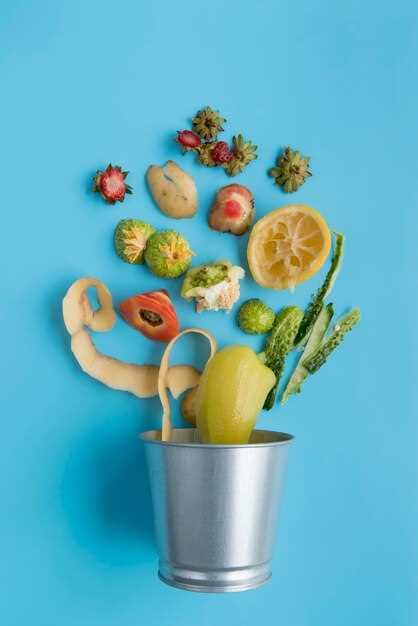
Audit scraps today and convert them into three new menu elements: spit-grilled root-veg skewers, vada-inspired croquettes, and cheese-rind bruschetta. Make them apart from regular offerings with clear provenance and bright, simple labeling. These items should live as daily specials that demonstrate smart waste use in a busy kitchen. In dubais kitchens, they appeal to tourist-friendly palates, delivering a quick bite with a responsible view of sustainability.
Spit-grilled carrot-top skewers: trim greens, marinate in olive oil with salt, pepper, cumin, and a lemon-tahini drizzle; thread on a spit and grill until edges caramelize. Serve with a yogurt-dill dip for brightness and crunch. This approach creates a dynamic starter that elevates everything on the plate while turning greens into a craveable bite.
Vada-inspired croquettes: blend leftover dal, chickpea pulp, and chopped herb stems; bind with a little flour, shape into small ovals, and shallow-fry until golden. Offer tamarind chutney or mint chutney for contrast. These croquettes prove that humble scraps can be made into a comforting, hard-wearing element that travels well across cuisines.
Cheese-rind bruschetta: toast rustic bread, rub with garlic, spread tomato jam, and top with crisp cheese rind shards; finish with a drizzle of olive oil and chopped herbs. The rind adds a salty depth that pairs with bright tomato notes, making it a smart, shareable bite that fits both Mediterranean and budget-friendly menus. include a note that matches your cheese inventory and seasonality to keep the pairing fresh and worth trying.
Operational note: include these items as dynamic specials and price them to reflect portion size and waste savings. Track performance with a rating system covering taste, texture, aroma, and waste reduction; aim for a rating above 4.2 on a 5-point scale in the first month. Use hard data from waste logs to adjust portions and keep the philosophy alive while still delivering great value.
Risks exist: moisture from greens can sog bread, croquettes can turn dense, and rind flavors can overwhelm if not balanced. Make sure prep is staged, storage is humidity-controlled, and cross-contamination controls are in place. Ensure labels explain origin and allergen info, and keep staff aligned with safety standards to reduce risks. Chef serg reviews plates and helps fine-tune spice levels, texture, and consistency so every bite feels intentional and alive.
View your space as a stage for ambiencedecor: warm lighting, wooden boards, and minimal display of scraps that communicates sustainability without sacrificing comfort. This approach helps guests, including the curious tourist and local regulars, understand the journey from waste to resource. If you commit to this concept, it becomes a platform where taste and responsibility reinforce each other, making the menu more worth the time for your team and your guests.
Waste Tracking Metrics and Dashboards
Implement a centralized waste tracking dashboard that classifies rubbish by type and source daily, capturing weight, location, and date from bin sensors in the hall, back-of-house, and service lanes. In sharjah facilities, set a goal to cut edible waste by 25% in eight weeks by rerouting overproduced meals into repurposing streams like stock for slow-cooked shank dishes, chaat toppings, or cheese-based preparations. Use the example of a dinner service to show how tastes across cuisine influence waste: spicy orders with high cheese content can create more scraps. If youve never tracked waste before, start with a two-location pilot and scale up.
Key metrics include total rubbish weight by category, edible waste share, rate of diversion to repurposing streams, and a rating for accuracy of each waste estimate. Build dashboards with filters for meals, locations, and cuisine. Track daily waste by hall and kitchen area; show a 14-day trend; highlight peak times when spicy items or slow-cooked favorites generate more scraps. Use locations to compare performance between visiting areas and staff zones. A heatmap reveals cleanliness gaps and where training or portion-size changes are needed. Example: a chaat stand shows high edible waste due to over-prepared toppings; adjust portions after a week and measure impact.
Paint a clear picture of waste dynamics using color cues: green for improved cleanliness, yellow for warnings, red for critical days. Link waste trends to guest feedback by recording meal ratings and taste notes; track rating changes after adjustments to portions or recipes. Map mind and method by linking staff observations to specific locations; the hall, visiting booths, or the curry counter. Use painting-style visuals to show how cuisine categories–cuisine, shank, chaat–perform under different menus and time slots.
When you roll out the system, start with two locations in sharjah, train staff to scan waste at discard, and calibrate portions using historical data. Track progress weekly and compare to the baseline to prove improvement. Youve got a simple rubric to rate dishes by waste impact: slow-cooked shank, chaat, spicy bowls, and cheese plates. If a dish shows high rubbish relative to its rating, try a smaller portion or revised recipe and monitor the result for two more weeks. Rigga snacks serve as a test case: if their waste drops faster than meals from other locations, scale that approach to similar items. Said differently, a clear dashboard makes decisive actions faster than guesswork.
Partnerships for Circular Packaging and Supplier Take-Backs
First, form a formal cross-company alliance for circular packaging and supplier take-backs. Create a shared design standard, a reverse-logistics protocol, and a transparent data model. Start with a 12-month pilot in sufouh with three local suppliers and Emirati brands, and scale toward the city’s skyscrapers as experience grows. Gather everyone at monthly chai-and-cake sessions to build authentic engagement and staying aligned on real life-cycle benefits drawn from early tests.
Structure the collaboration around four pillars: design for recyclability, a supplier take-back program, data governance, and economics. For design, require mono-material packaging, simple closures, and labels that do not hinder recycling. For take-back, designate drop points at partner sites and offer incentives. For data governance, adopt a light data model with unique IDs, shared dashboards, and clear access rules. For economics, publish prices of return services and demonstrate cost reductions. Each partner contributes to a balanced approach that reduces waste and keeps costs predictable for main brands and little retailers alike.
To monitor progress, set targets: 40% recycled content by year two; 70% of a pilot area’s packaging streams captured; contamination rate below 5%. Use a simple dashboard accessible to everyone, with local language options. The sufouh community and life in Emirati districts can join with a lean process that avoids extra handling, such as a lean shank of the reverse flow–clear roles and fast feedback–to prevent delays. The Italian packaging concept for beverages and the ripe opportunity to apply local tastes can guide product choices, while authentic engagement with small cafés keeps momentum alive.
| Sahə | Fəaliyyət | Owner | Metrik | Zaman qrafiki |
| Packaging design | Adopt mono-material packaging; remove laminates; standardize closures | Brand & Design Team | Recyclability 90%; recycled-content 20% | 2025-ci ilin 4-cü rübü |
| Take-back program | Set up drop points at partner sites; provide incentive credits | Supply Chain & Partners | Return rate 30%; contamination <5% | 1-ci rüb 2026 |
| Reverse logistics | Implement shared routing; QR tracking; data exchange | Logistics & IT | End-to-end traceability | 2025-ci ilin 3-cü rübü |
| Economics | Publish savings; align prices for take-back; adjust supplier contracts | Finance & Suppliers | Costs per unit reduced 10-15% | 2025-ci ilin 4-cü rübü |
| İdarəetmə | Quarterly reviews; risk register; escalation paths | Steering Committee | On-time decisions; issue resolution | Ongoing |