


 Azərbaycan dili
  English (UK)
  Русский
  বাংলা
বাংলা  العربية
  日本語
日本語  한국어
한국어  Magyar
  Norsk nynorsk
  Türkçe
  עִבְרִית
  Español
  Čeština
  Svenska
  Português
  Ελληνικά
  Suomi
Suomi  Nederlands
  Română
  Italiano
  Français
  Polski
  Українська
  Deutsch
  简体中文
简体中文  Slovenčina
  Српски језик
  اردو
اردو  O‘zbekcha
  አማርኛ
አማርኛ 
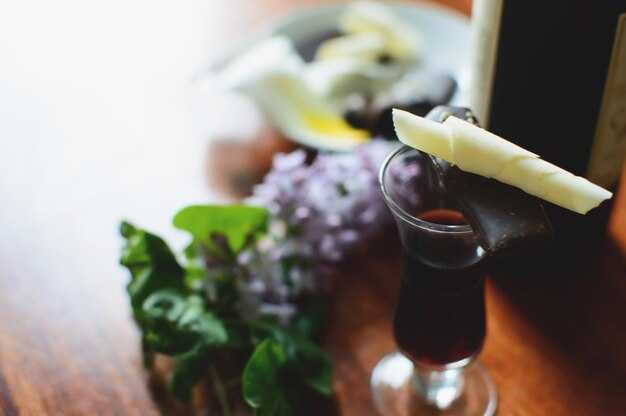
Start with a crianza from a bodega near alfaro for your Rioja experience. Aim for 12–18 months of aging and 1–2 years in bottle, focusing on a 2019–2021 vintage window for a reliable balance of fruit and spice. This choice suits axşam meals and holidays alike, offering a Mükəmməl baseline for exploring more diverse styles beyond the most recent releases.
Rioja splits into three zones that shape style: Rioja Alta, Rioja Alavesa in the basque region, and Rioja Oriental in the lower valley. Between soils and altitude, wines reveal distinct personalities: Alta wines show elegance and longer aging potential; Alavesa delivers concentrated fruit with structured tannins; Oriental yields approachable, earlier-drinking profiles. A thoughtful selection during holidays could pair a riscal winery visit in the basque hills with a modern bodega in alfaro, that offers tradition and innovation. touring these sites helps you feel how climate, soil, and aging inform the glass beyond.
Tempranillo remains the core variety, giving Rioja its backbone for aging. In red blends, expect 70–90% Tempranillo with Garnacha, Graciano, and Mazuelo for color and aroma, with other varieties adding nuance. For white Rioja, Viura-based wines age well and evolve citrus and almond notes. A selection of crianza and reserva reds shows fruit-forward profiles that mellow into leather and spice with time in bottle; white examples reveal bright acidity and stone fruit now, with year after year development as they rest in the cellar.
For holidays and tours, plan two stops: one in basque Rioja Alavesa to admire architecture and cellar work, and another in alfaro to taste classic crianza and reserva wines. The region offers diverse terroirs and a clear path for touring. Look for earlier releases to compare how the blends evolve in the glass over an evening; keep a small tasting checklist to note stained rims, aroma intensity, and finish length. This practical approach helps you build a personal reference for Rioja styles beyond basic labels.
Identify Rioja subregions by climate and style
For touring Rioja, start with Rioja Alta to enjoy a base of refined acidity and aging potential. Rioja Alavesa adds extra mineral lift, while Rioja Oriental delivers warmer, fruit-forward wines that drink well early.
The three subregions share the Ebro climate but differ in altitude, soils and ripening. Rioja Alta sits around 450–600 m with Atlantic rainfall and clay-limestone soils, yielding Tempranillo and Viura blends with bright acidity and graceful tannins. Rioja Alavesa rests on chalky terraces, producing refined reds and crisp whites with distinct structure. Rioja Oriental lies east of Logroño, where hotter days push ripening, resulting in riper fruit and more pronounced alcohol in several vintages.
In vintages and programs, the base includes several approved varieties: Tempranillo, Garnacha, Mazuelo and Graciano for reds, and Viura and Malvasía for whites. The subregions express fruit and aging differently: Alta leans toward longer bottle aging; Alavesa highlights mineral elegance; Oriental leans toward immediate fruit-forward profiles. Monasteries anchor viticulture across the region, with castillo estates and Lealtanza among the recognized names that illustrate the terroir. Festivals and touring routes connect wine, food and regional specialties. For travelers touring spains, these routes reveal how Rioja evolves. A small portion of producers even experiment with tirage to create sparkling examples that broaden Rioja’s spectrum.
| Subregion | Climate and Elevation | Tipik Stil | Main Varieties | Qeydlər |
|---|---|---|---|---|
| Rioja Alta | Altitude roughly 450–600 m; Atlantic influence; clay-limestone soils | Elegant reds with aging potential; lively whites | Tempranillo, Garnacha, Viura, Mazuelo, Graciano | Castillo Ygay and other classics anchor this profile |
| Rioja Alavesa | Similar altitude; chalky terraces; pronounced mineral lift | Refined, structured reds; crisp whites | Tempranillo, Garnacha, Viura, Malvasía | Lealtanza is a notable estate; wines emphasize finesse |
| Rioja Oriental | Lower altitude; warmer days; drier soils | Fruit-forward reds; early-drinking options | Tempranillo, Garnacha, Mazuelo | Higher alcohol potential in hot vintages; some sparkling experiments with tirage |
Grapes and Styles: Tempranillo, Garnacha, Mazuelo, Graciano, Viura
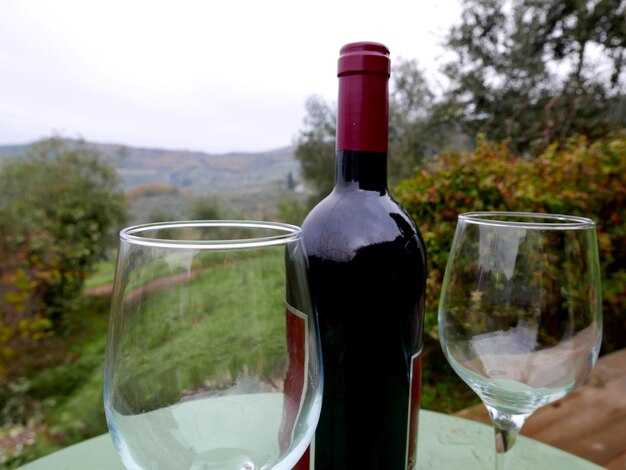
Begin with Tempranillo as your Rioja baseline and pick Garnacha to add fruit and warmth. Tempranillo accounts for the largest red share, especially in Rioja Alta and Rioja Alavesa, while Garnacha thrives in the hotter Rioja Baja. The Ebro river shapes the valley, and nearby mountains create diverse terroirs that define several regional profiles. Tiny villages along the calle in fuenmayor host bodegas where señora carlos welcomes visitors and shares local specialties.
Tempranillo delivers a medium to full body with cherry and plum fruit, evolving into leather, tobacco, and suede notes with late oak. Garnacha contributes bright fruit, softer tannins, and spicy warmth that makes blends approachable in their youth. Mazuelo, also known as Cariñena, provides color, structure, and acidity; it is used to lengthen aging and bolster age-worthiness in many Rioja reds. Graciano offers aromatic intensity, high natural acidity, and a long, floral finish that brightens blends. Viura forms the white backbone of Rioja wines, delivering crisp citrus, green apple, and almond-like details, and it shines in both joven blancos and barrel-aged styles.
For dining, tailor your pick: Tempranillo-based Crianza for everyday meals, Reserva for late dinners, and Gran Reserva for special occasions; white Rioja built on Viura pairs with seafood, poultry, and creamy sauces. Drive through Rioja’s valleys to feel the terroirs, spend time in the largest towns and several tiny villages to sense the texture of the regions and their river and mountain influences. When you want a quick recommendation, consider a Tempranillo-dominant Rioja Crianza from fuenmayor’s producers, or a Garnacha-led Rioja that emphasizes fruit in the baja climate. This approach lets you enjoy quality, centuries of craft, and pick wines that suit food, streets, and dining experiences.
Best time to visit Rioja for winery tours and harvest
Plan your Rioja visit for the harvest window, late September to mid-October, when the valley in the middle of the region comes alive with picking and current tastings at most estates. The high daytime temperatures soften into cool evenings, ideal for viewing vines and enjoying a hearty meal after a day of trying wines and exploring centuries of making in a storied valley.
Book guided tours with İngilis dili-speaking guides to avoid miss in language and to join the best tastings. Many bodegas host daily tastings, and some include tapas və cocina-style pairings that reinforce sense of place. If you miss a tasting, you can often rearrange a later slot; to maximize variety, try several stops across Rioja’s zones–each with its own decor and design in tasting rooms, and a chance to observe the grape-harvesting routine during peak harvest.
Timing tips: aim for early morning or late afternoon visits when the vines glisten with dew or harvest dust. Stay in a town near Logroño or in the valley base, and take short drives between wineries; you can spend 2–3 hours per stop tasting premium Tempranillo blends and, when available, white wines like Viura. After each stop, enjoy tapas və cocina-style dining. If you miss the harvest window, bahar offers quieter tours and new vintages, but harvest remains the peak for viewing centuries of making wine and the charm of Roman arches in some estates.
Practical notes: reserve ahead, especially on weekends; many tastings require advance booking. Some producers offer daylight window tours with cellar visits; others pair tastings with a light meal; plan to spend 2–4 hours per winery and take home a bottle or two. In addition, a local host like Carlos can design a multi-winery route that blends traditional bodega visits with modern, high-design tasting rooms and hearty regional dining after each stop.
Seasonal rhythm: harvest runs from late September through early October in most vintages, with some high-yield years into mid-October. Wineries in Rioja Alavesa showcase crisp nights and long vistas, while Rioja Alta offers a scenic window for dinners and a strong decor sense. For a sense of history, seek estates with 17th-century architecture that anchors centuries of tradition in a modern grid of tastings and drinking experiences.
3–5 day Rioja itinerary by subregion
Üç gün Loqronyoda qalıb, Rioja Alavesa və Rioja Alta ərazilərinə günlük səfərlər edərək əsas şərab zavodlarını və məşhur monastırları ziyarət edin; daha geniş coğrafiyanı əhatə etmək üçün dörd-beş gününüz varsa, səfərinizi Rioja Oriental-a qədər uzadın.
- 1-ci gün – Rioja Alavesa: Laguardia və Elciego
- Səhər: Laguardiaya gəliş, dar küçələrdə gəzinti və üzümlüklərə mənzərəsi olan qədim divarlara qalxmaq; əsrlik zirzəmiləri və regional dekoru görmək üçün yaxınlıqdakı şərab zavodunda bələdçili tur.
- Nahar: şəhərin mərkəzi meydanında, əsas Laurel küçəsi boyunca pintxos; bir qədəh ağ və ya qızılgül şərabı ilə dincəlin və əsl xarakterli şərabları dadın.
- Günortadan sonra: Elcieqoya gedərək Marques de Riscal-da bələdçi ilə tura yollanın; memarlıq müasir dekoru vitraj vurğuları ilə birləşdirir; yaxınlıqdakı butik otelə və ya yerində yemək üçün Marriott mülkünə qayıdın.
- Gün 2 – Rioja Alta: Haro və yaxın şəhərlər
- Səhər: Haro şərab zonalarında gəzinti; Muga, La Rioja Alta, López de Heredia kimi böyük evlərə baş çəkin; turlar əsrlik zirzəmiləri və baş somelyenin qeydlərini ortaya çıxarır; bəzi zirzəmilərdə vitraj detallarına diqqət yetirin, illərin ənənəsi.
- Nahar: Calle del Laurel boyunca pintxos; dolğun qırmızı şərab və ya daha yüngül crianza ilə bir neçə yerli loxmanı dadın.
- Günortadan sonra: San Vicente de la Sonsierra-ya isteğe bağlı avtomobil səyahəti və ya Ebro boyunca gəzinti üçün Logroño-ya qayıdış; yerli bir əfsanəni xatırladan conde küçəsindəki lövhənin yanında dayanın.
- Gün 3 – Monastır və Rioja Oriental
- Səhər: San Millán de la Cogollaya doğru maşınla getmək, monastır kompleksini ziyarət etmək; ərazidəki vitrajlar və dekor əsrlər boyu dini həyatı əks etdirir.
- Günorta: Arnedo və ya Cervera del Río Alhamada nahar; yerli sortları dadmaq üçün regional şərab zavoduna səfər.
- Günortadan sonra: Rioja Orientalda bir neçə şərab zavoduna səfərə davam; son pintxos turu və bir stəkan son regional şərab üçün Loqronyoya qayıdış.
- Gün 4 – Seçmə genişləndirmə
- Rioja Orientalda daha uzun səfərlərlə daha dərin bir gün seçin və ya Rioja Alta və ya Alavesada daha çox turla ikinci bir tam gün əlavə edin, coğrafiya və terroir haqqında qeydlər paylaşın və Logronyoda rahat bir axşamla bitirin.
Rioja şərabını dadmaq üçün məsləhətlər: yetişmə səviyyələri və etiketləmə (Crianza, Reserva, Gran Reserva)
Dadlı qırmızı meyvə və vanil toxunuşu hiss etmək üçün əvvəlcə bir Crianza ilə başlayın, daha sonra daha çox struktur üçün Reserva-ya keçin və inkişafın əsrlərini müqayisə etmək üçün Gran Reserva ilə bitirin. Üç yaşlanma səviyyəsi və onların etiketdə necə göründüyü haqqında məlumat əldə edin, sonra səfəriniz zamanı bu yanaşmanı Rioja zonalarına tətbiq edin.
Qocalma səviyyələrinə nəzər salaq
Riojanın etiketlənməsini müəyyən edən üç yaşlanma səviyyəsi var: Crianza, Reserva və Gran Reserva. Crianza: ümumi yaşlanma müddəti ən azı 24 ay, palıdda minimum 12 ay. Reserva: ümumi yaşlanma müddəti ən azı 36 ay, palıdda minimum 12 ay. Gran Reserva: ümumi yaşlanma müddəti ən azı 60 ay, palıdda minimum 24 ay. Praktikada Crianza şərabları parlaq meyvə və incə taninlər, bəzən də çöl giləmeyvə notları nümayiş etdirir; Reserva şərabları ədviyyat və dərinlik qazanır, Gran Reserva şərabları isə uzunömürlülük və məxməri bir sonluq verir. Rioja, Rioja Alta, Rioja Alavesa və Rioja Oriental kimi zonalar və ərazilərdən ibarətdir, bir çox istehsalçılar daha kiçik, sahib olunur və sahibləri tərəfindən idarə olunan evlər və daha böyük mülkləri əhatə edir. Cune kimi şərab zavodları fərqli terroirları əks etdirir və millán və yaxınlıqdakı şəhərlərin ətrafındakı üzümlüklərə çıxış sizin dada biləcəyinizi formalaşdırır. Əgər sizə rəhbərliyə ehtiyac varsa, İspaniya səhnəsindəki cari dequstasiyalar üslubları və qiymətləri müqayisə etdiyiniz zaman müdrikcə xərcləməyinizə kömək edəcəkdir. Bu yol Rioja ziyarətçiləri və həvəskarları üçün praktik bir bələdçi olmaqdır.
Praktiki dadmaq məsləhətləri və etiketləmə işarələri
Bir şərab zavoduna və ya bara gəldikdə, Crianza, Reserva və ya Gran Reserva olduğunu təsdiqləmək üçün etiketi oxuyun və istehsal ilinə diqqət yetirin. Daha dərindən tanış olmaq üçün Rioja bölgələrində və şəhər və kənd yerlərində bir həftə nümunələr götürün; bir çox məkanlarda yüngül tapaslarla yaxşı uyğunlaşan açıq havada dequstasiyalar təklif olunur. Dadmaq üçün Gran Reservanı otaq temperaturundan bir qədər sərin halda təqdim edin və 30–60 dəqiqə, daha dərin profil üçün isə bir az daha çox dekantasiya edin; ətirlərin açılması üçün geniş, lalə formalı stəkandan istifadə edin. Əvvəlcə qoxlayın, sonra Crianza üçün qırmızı meyvə parlaqlığını və ya Gran Reservada dəri və tütün notlarını müəyyən etmək üçün kiçik bir qurtum alın. Rəngə baxın: Rioja qırmızı kənarda kərpic rənginə doğru qocalır. Şəhərlərdə barokko və Roma kilsələri küçələri bəzəyir və ziyarətçilərə şərabı müşayiət edən əsrlər boyu davam edən ənənələri xatırladır. YUNESKO-nun məkanı olan San Millán de la Cogolla yaxınlıqda yerləşir və şərabı formalaşdıran əsrlər boyu davam edən tarixi əks etdirir. YUNESKO bu regionun uzun tarixini tanıyır. Millána və digər yaxın şəhərlərə baş çəksəniz, üzümlüklərə çıxış asandır və bir çox ailələrin özünəməxsus ifadələr verən daha kiçik sahələri var. Bu yanaşma ziyarətçilərə və Rioja həvəskarlarına etiketləmənin dad və qiymətə necə uyğun gəldiyini ayırd etməyə kömək edir və dequstasiya təcrübəsini canlı və orijinal saxlayır.