


 Azərbaycan dili
  English (UK)
  Русский
  বাংলা
বাংলা  العربية
  日本語
日本語  한국어
한국어  Magyar
  Norsk nynorsk
  Türkçe
  עִבְרִית
  Español
  Čeština
  Svenska
  Português
  Ελληνικά
  Suomi
Suomi  Nederlands
  Română
  Italiano
  Français
  Polski
  Українська
  Deutsch
  简体中文
简体中文  Slovenčina
  Српски језик
  اردو
اردو  O‘zbekcha
  አማርኛ
አማርኛ 
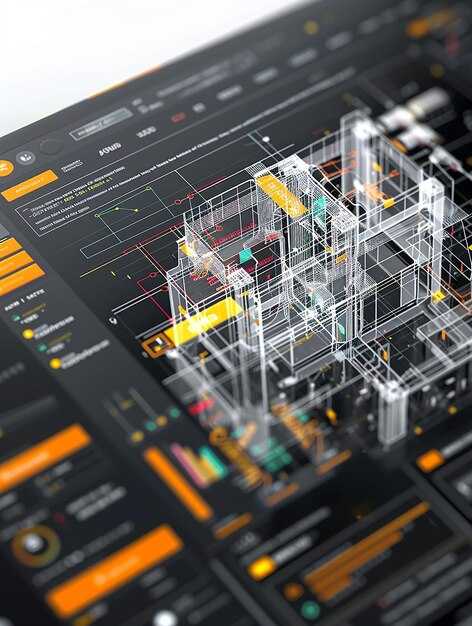
Recommendation: implement a tiny scheduler in a revamped kernel running in a VM to observe how processes, memory, and I/O interact. Track update cycles and compare metrics across monolithic and microkernel approaches using the guides and practical utilities to hold ground on the core ideas. Grab a coffee and run the first experiment to build a reliable baseline.
We cover the fundamentals: process lifecycles, threads, CPU scheduling, memory management, I/O paths, and device management via drivers. The material emphasizes observability through utilities such as ps, top, and strace. For storage and file systems, compare ext4, XFS, and btrfs under load, measuring throughput and latency across RAM disks, SSDs, and networked storage devices to inform design trade-offs.
The architectures section contrasts monolithic, microkernel, and hibrid designs. Through practical examples, compare how each approach handles system calls, interrupts, and driver models. A monolithic kernel centralizes many services; a microkernel isolates services and uses IPC; a revamped hibrid blends performance with modularity. Review memory management units, page tables, and TLBs across x86_64 and ARM, highlighting differences in address translation and cache behavior.
For engineers and students, practical steps matter: define a target device and the workload profile (interactive, batch, or real-time), then run a suite of tests to evaluate latency and throughput. Start with a minimal footprint on embedded devices; scale up to desktop scenarios, and document results in guides so others can reproduce. Use PCIe devices to test drivers and update your notes with measured data in a structured format.
In practice, this overview helps you map how software holds together hardware through software layers and provides a concrete path for learning. Choose to explore kernel internals, file systems, or virtualization, and use the guides to extend the coverage. Keep notes, collect metrics, and iterate your experiments with a new hardware update to keep the study fresh.
OS Concepts and Architectures
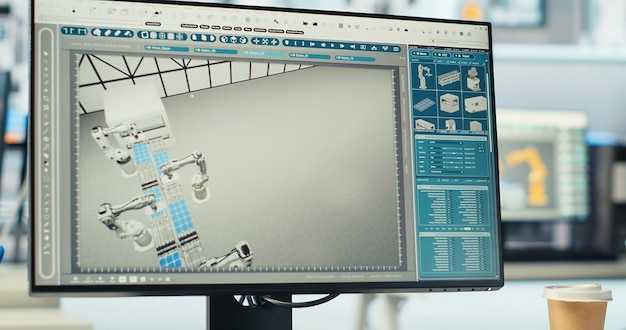
Recommendation: Adopt a modular microkernel-inspired core to maximize isolation and customization for a wide range of tasks. This approach helps travelers deploy lightweight services in user space, roll out updates quickly, and easy-to-customize components where they are most needed. Use an overview which compares options, and refer to a reliable guide such as carlsoncnet for deeper data. For UI, provide captions and support double-tap interactions to improve accessibility and speed up time-to-task completion. A white theme and concise, language-aware messages help users tell the system what they want and get helpful responses in seconds.
Core concepts include process isolation, memory management models, and IPC. Monolithic kernels keep services in a single address space, enabling fast system calls but increasing the blast radius if a driver fails. Microkernels keep only essential services in the kernel and move others to user space, supporting customization and safer testing, but with IPC overhead. Hybrid designs aim to balance both sides, delivering stronger fault containment with lower latency than pure microkernels. Exokernels push resource management to applications, which can unlock near-metal performance if developers provide abstractions in languages such as C, Rust, or safer runtimes; this approach remains common in research and specialized deployments.
| Architecture | Core Idea | Pros | Cons | Tipik İstifadə | Nümunələr |
|---|---|---|---|---|---|
| Monolithic | Single large kernel with integrated services | Fast system calls; simple scheduling; in-kernel IPC | Weak isolation; a driver bug can crash the whole system | General-purpose desktops and servers | Linux, historic UNIX |
| Microkernel | Minimal core; most services in user space | Strong isolation; easy customization; fault containment | IPC overhead; more context switches | Embedded systems; safety-critical devices; mobile | MINIX, seL4, QNX |
| Hibrid | Blends kernel services with user-space servers | Balanced latency with isolation | Architectural complexity; mixed fault domains | Modern desktops and mobile OS | Windows NT family, macOS XNU |
| Exokernel | Expose hardware resources to apps with minimal kernel | Maximum customization; refined resource control | Requires application-level abstractions; higher dev effort | Research-driven systems; specialized deployments | Exokernel prototypes |
CS and OS teams can use this guide to plan implementation steps: if you need quick task switching and strong safety, lean toward microkernel or hybrid designs; if you prioritize maximum throughput on uniform hardware, a monolithic approach may pay off. Track spatial locality, turn complexity into reusable libraries, and define clear APIs for drivers and services. For travelers and engineers alike, this approach translates into faster support, easier upgrades, and clearer test coverage.
Process Management: Scheduling, Context Switching, and Concurrency
Configure Round Robin with a 16-32 ms quantum for interactive tasks to keep latency predictable. In a multi-core environment, assign I/O-bound processes to separate cores to improve cache locality and keep the ready queue bank balanced across multiple cores.
Beyond RR, use ticket-based scheduling to ensure probabilistic fairness, and layer a multilevel feedback queue (MLFQ) that can adapt to changing workloads over years. First, split queues into multiple levels, letting short CPU bursts climb to higher levels while longer tasks stay in lower ones. With a landmark approach, assign foreground tasks to a high-priority line while background work circulates in a lower tier. youll observe improved responsiveness as workloads shift between groups.
Context switching introduces overhead when the CPU saves and restores state across tasks. On real systems, overhead ranges from a few hundred cycles to a few thousand cycles; on modern CPUs this is often a few microseconds if caches and TLBs are warmed. Minimize by reducing lock duration, avoiding kernel/user-mode toggles in hot paths, and choosing lightweight synchronization primitives like spinlocks in tight loops where appropriate. Consider packing related data to stay within the same cache line; this reduces misses and improves the line’s efficiency. You can remove unnecessary preemption by bypassing heavy kernel transitions via fast user-space paths or similar techniques.
Concurrency requires safe access to shared resources: protect with mutexes, semaphores, or lock-free data structures. Avoid deadlocks by ordering lock acquisition and using timeouts. Use fine-grained locks to reduce contention, or redesign critical sections to minimize shared state. For predictable behavior, coordinate a group of worker threads that pull tasks from a shared pool, ensuring each resource is acquired in a consistent order. This approach aligns with the Источник information in your toolkit.
Monitor key metrics: context-switch count, queue lengths, and quantum utilization per priority. Collect data over hundreds of thousands of events to compute latency distributions. Maintain a newsletter with a concise weekly summary of changes and their effect on potential latency. Use a simple check to confirm that available CPU time matches targets, and remove scheduling bottlenecks that inflate away time spent in queues.
To translate theory into practice, think in terms of a bank of ready tasks, a ticket queue, and a travel-friendly profile for latency. Keep a packing list of configurations: quantum value, number of ready-queues, and per-group affinity. Your system can be tuned by a few knobs and a small set of experiments; this ability lets you land on a stable, scalable baseline that serves as a landmark for future work. Источник information can guide your decisions as you optimize the pipeline for real workloads, yourself gaining confidence with each iteration.
Memory Management: Paging, Protection, and Virtual Addressing
Enable paging with a two-level page table and a Translation Lookaside Buffer (TLB) to keep address translation fast and predictable. Configure a 4 KB page size to balance locality and page-table overhead. This must be complemented by a robust protection scheme and a clear virtual-addressing structure that the kernel can rely on.
An overview of paging explains how the system maps virtual pages to physical frames. The virtual address splits into a page-number and an offset; the page table lists the frame index for each page. The TLB caches recent translations to avoid walking the page table every time, and a page fault handler fills missing mappings from disk or backing store as needed.
Protection focuses on access rights and modes. Page table entries include read, write, and execute bits, plus a present bit. The CPU switches between user and supervisor modes to prevent user code from corrupting kernel data. When a process attempts an invalid access, the hardware raises a fault and the OS executes a fault handler to terminate or adjust permissions. This control keeps full separation between processes. This help guides operators toward safer tuning and easier debugging.
In virtual addressing, the virtual address consists of a page-number and an offset. The hardware uses the page number to index the paged page table and the offset to locate the data within the frame. Page tables can be hierarchical (multi-level) or inverted; a TLB miss triggers a walk through the levels, and if no valid mapping exists, the OS handles a page fault, loading data from backing storage and updating the mapping. In windowing and media workloads, keeping translations fast reduces display stalls and helps interactive apps stay responsive. Platforms such as watchOS use the same protection concepts, while drivers for bluetooth and display run in controlled modes to maintain stability and security.
Performance hinges on managing the working set to avoid thrashing. Choose a page-replacement policy such as CLOCK or an LRU approximation, and keep the active set in RAM; use prefetching when access patterns are predictable. If memory is full, the OS trims nonessential pages and may swap out rarely used data. A simplified starter design works as a baseline and can evolve toward a more dynamic policy. The go-to approach for embedded devices prioritizes predictable latency over perfect caching and favors smaller, stable page tables in constrained environments.
Create a practical memory-management plan and a go-to troubleshooting checklist. Build an overview that focuses on those core tasks: configure paging with 4 KB pages, tune the TLB, and enforce protected modes while monitoring access patterns. Use a simplified page-table structure where appropriate and retain strong control over permissions. Include a summary of metrics like TLB hit rate, page-fault rate, and active-set size. In real-world deployments, those metrics matter for devices running watchOS, bluetooth, and display drivers, as well as media workloads. carlson notes that a focused approach reduces disturb to user-facing tasks. For global teams, provide email alerts and a newsletter to operators when thresholds are exceeded, and tailor the notices to locales such as france and australia. The display must remain responsive, windowing must stay smooth, and the system should create a stable environment that those teams can rely on. Instead of chasing every micro-optimization, prioritize predictable latency and full isolation of processes to prevent cross-process disturbances.
Kernel Architectures: Monolithic, Microkernel, and Hybrid Designs
Tövsiyə: Start with a brand-new hybrid kernel for most desktop and server deployments to balance speed, reliability, and modularity.
Monolithic kernels keep drivers and core services inside the kernel, minimizing context switches and IPC overhead. This yields strong raw throughput for general workloads and simpler toolchains, with immediate access to kommunal xidmətlər and filesystems. The approach typically provides lower latency for windowing interactions and real-time input handling, but one bug in a driver can crash the entire kernel, affecting availability and complicating updates. In practice, popular Linux distributions adopt this model with a broad hardware ecosystem, including support for routine folders and vast software repositories.
Microkernels place most services in user space and rely on a small, well-defined kernel for inter-process communication and resource management. This design improves fault isolation and security, enabling safer updates and easier formal verification for critical components. However, IPC and context switching costs are higher, leading to longer response times for I/O and display pipelines on older implementations. Real-world figures vary, but microkernel IPC can add noticeable overhead compared with monolithic paths, especially under heavy multitasking. Still, projects such as seL4 və MINIX 3 demonstrate robust reliability for safety-sensitive applications.
Hybrid kernels blend the benefits of both worlds by running a compact core while keeping selected drivers and services in kernel space or as flexible user-space modules. This model supports high throughput where it matters and strong isolation where it helps, delivering a landmark və simplified compromise for mainstream OS like XNU (macOS and iOS) and later kernel families. In practice, a hybrid design can enable rapid driver iteration, simplified maintenance, and better compatibility with legacy interfaces, while preserving security boundaries and smoother updates.
Practical guidelines to choose and deploy: analyze həyat-cycle data and production workloads; examine availability of device drivers, kommunal xidmətlər, and user-space services; verify translation və english localization support and windowing requirements for GUI environments; review the road map for future updates and driver changes; plan sharing və saving of critical state across components; ensure youre systems are enabled with robust update mechanisms and folders-based packaging in folders; if youre in france or another region, tailor builds to locale needs and maintain a brand-new baseline to avoid drift. This approach reduces downtime and improves long-term reliability.
In short, monolithic, microkernel, and hybrid designs each have strengths and trade-offs; align your choice with workload, security, and maintenance goals, then monitor metrics and adjust accordingly to sustain robust operations, as new features appears and maturity grows.
Storage and File Systems: Journaling, Cache Strategies, and Reliability
Enable metadata journaling on your system to protect a document during power loss. youll find this reduces recovery time after a crash and keeps task metadata consistent.
Journaling basics and practical choices:
- Mode selection: metadata-only, data+metadata, or full data journaling. For most tasks, metadata-only offers faster replay while data+metadata helps keep app data safer.
- Enable fsync and barriers on the mount options to ensure critical writes are flushed to durable storage.
- Platform choices: EXT4, XFS, Btrfs, and ZFS provide built-in journaling with checksums and consistent metadata updates.
- Preview and monitor: run periodic fsck checks after unclean shutdowns; youll find a quick check repair often restores consistency with minimal downtime.
Cache strategies to boost throughput without sacrificing reliability:
- RAM cache acts as the first buffer; ensure enough memory so the system can keep the working set of files in memory, reducing latency for those common reads.
- Write policy: write-through minimizes data loss on power failure; write-back increases throughput but requires a reliable cache or UPS.
- Read-ahead tuning helps sequential workloads (like previewing media) while for random workloads you may reduce prefetch to avoid cache pollution.
- Məlumat və fayl məlumatları üçün mümkün olduqda ayrı keşlərdən istifadə edin; bu, loqa və ya sənəd qovluğuna yazma kimi metadata tutumlu tapşırıqlarda kilidləmə gecikmələrini azaldır.
- Nəzərə alın ki, HDDs-lərin qarşısında sürətli SSD keş təbəqəsi olsun ki, tələbatlı elementlər (son çəkdiyiniz şəkillər, iPad-lərin sinxronlaşdırdığı məlumatlar və ya Instagram ehtiyat nüsxələri) CPU-ya yaxın olsun; bu, ev NAS sistemlərində və kiçik serverlərdə geniş yayılıb.
Etibarlılıq üsulları və indi atacağınız konkret addımlar:
- Artıqlıq: kritik həcmlər üçün RAID-1 və ya RAID-10 istifadə edin; vacib sənədlər üçün tək diskdə saxlamaqdan qaçının; böyük RAID5/6 massivləri ilə URE risklərindən xəbərdar olun.
- Checksumlar və verilənlərin bütövlüyü: ZFS və ya Btrfs verilənlər checksumlarını aktiv edin; səssiz korrupsiyanı aşkar etmək üçün aylıq və çöküşdən sonra təmizləyin.
- Şəkillər və copy-on-write: təkmilləşdirmələrdən, yeniləmələrin paylaşılmasından və ya yerləşdirmələrdən əvvəl əsas vəziyyəti ələ keçirmək üçün fayl sistemi şəkillərindən istifadə edin; əsas disk nasazlığına qarşı qorunmaq üçün şəkilləri ayrı bir pulda və ya cihazda saxlayın.
- Enerji qorunması: diskləri UPS-ə qoşun; əgər varsa, kontrollerlərdəki keşin batareya ilə dəstəkləndiyinə əmin olun ki, gözlənilməz enerji kəsintisi sonuncu yazıları itirməsin.
- Ehtiyat nüsxələri və testlər: ofsayt nüsxələrini saxlayın və bərpa testlərini həyata keçirin; nəzərə alın ki, ehtiyat nüsxələri müəyyən bir sənədin və ya həmin aktivləri (kameradan fotolar, qeydlər və mətn faylları) olan qovluğun bərpasına dəstək verir.
Praktiki ssenarilər üçün əlavə qeydlər:
- Əgər kiçik ev təsərrüfatını idarə edirsinizsə (ev, Carplay dəstəkli avtomobil və yaxınlıqdakı ipadlar kimi cihazlar), ən aktiv ümumi məlumatları sürətli keş yolunda saxlaya bilərsiniz ki, bu da yolda və ya qonaq otağında qeydlər və mətnlər yazan və ya oxuyanlar üçün gecikməni azaldır.
- Fotoqraflar və yaradıcılar üçün kamera orijinalları və redaktələri orijinalları qorumaq üçün ayrı, etibarlı jurnal sistemi faylında olmalıdır; önizləmələri və ya surətləri keş-lə təmin edilmiş həcmdə saxlaya bilərsiniz.
- Müəyyən bir qeydi və ya sənədi tapmaq lazım gələndə, fayl sistemində yaxşı tənzimlənmiş metadata indeksi faylları açmadan axtarışları sürətləndirir; bu, güclü jurnallaşma və keş dizaynının üstünlüyüdür.
Apple Intelligence Xüsusiyyətləri: Cihazda ML, Neyron Mühərriki, Core ML, Vision, Təbii Dil və Siri Məxfiliyi
Şəxsi məlumatları buluddan uzaq tutmaq üçün cihazda ML və Core ML-ə əsaslanın–bu, məlumatları serverlərdən uzaq saxlayır, sürəti artırır və hər kəs üçün məxfiliyi artırır.
- Cihazda ML və Neural Engine: Modelləri tamamilə Neural Engine-dən istifadə edərək iPhone-larda işlədin, məlumatları serverlərdən uzaq tutarkən ağıllı təcrübələr təqdim edin; bu, fotoşəkillər, mesajlar və tətbiqlər arasında gecikməni azaldır və enerji səmərəliliyini artırır, hər kəsin həyatını yaxşılaşdırır.
- Core ML və Vision: Core ML, ML modellərini iPhone tətbiqlərinə gətirməyi asanlaşdırır; Vision isə landmark aşkarlanması, mətn tanınması, üzlər və səhnə anlayışını təqdim edərək, şəkillərdə landmark identifikasiyasına və şəbəkəyə çıxış olmadan oflayn şəkil sorğularına imkan verir, təmiz məlumat istifadəsi ilə məhsuldar qalmağınıza kömək edir.
- Təbii Dil: Cihazda NLP dilin təyin edilməsi, tərcümə (tərcümə olunmuş), sentiment və istifadə etdiyiniz dillərdə sürətli mətn emalını həyata keçirir; nəticələr sürətlidir və çoxdilli iş proseslərini dəstəkləyərək hər kəsin həyat tapşırıqlarında əlaqədə qalmasına kömək edir.
- Siri Məxfiliyi və Rejimləri: Siri bir çox sorğunu cihazda emal edir, buluda göndərilənləri azaldır; Siz Mərkəzdən idarəetmə paneli vasitəsilə məlumat paylaşımına nəzarət edirsiniz, şəbəkə məhdud olduqda vacib tapşırıqları və bildirişlərlə əlaqəli əməliyyatları əlçatan edən məxfiliyə üstünlük verən rejimlərlə; Siz hansı məlumat marşrutlarının lokalda qalacağına və hansıların buluda gedəcəyinə qərar verə bilərsiniz, məxfiliyi prioritet hesab edir və məlumatların idarə edilməsi ilə bağlı şərhlərə cavab verirsiniz.
- Başlamaq üçün praktiki addımlar: iOS-u ən son versiyaya yeniləyin, təklif olunan yerlərdə cihazda olan funksiyaları aktiv edin, asan tərcümələr üçün Translate-i oflayn rejimdə sınayın, fotoları görməli yerlərinə görə tapmaq üçün Vision-dan istifadə edin və avtomatlaşdırma vasitəsilə vaxta qənaət edən Core ML ilə işləyən tətbiqləri araşdırın; quraşdırmanı səliqəli saxlamaq üçün sadə bir şeylə başlayın və həyatınız məşğul olduqda yenidən istifadə etmək üçün sevimli tapşırıqlarınızı sənədləşdirin; bu yanaşma məxfiliyə önəm verənlər üçün həyəcanvericidir.
Ümumi Baxış: Bu funksiyalar iphone-larda tamamilə məxfi qalaraq səhnələri, dili və istifadəçi niyyətini anlamaq üçün hərtərəfli imkan təklif edir. Bu dəst, hər kəsin lazımsız məlumat ifşası olmadan məhsuldar qalmasına kömək edən faydalı, demək olar ki, qüsursuz bir təcrübə təqdim edir.