


 Azərbaycan dili
  English (UK)
  Русский
  বাংলা
বাংলা  العربية
  日本語
日本語  한국어
한국어  Magyar
  Norsk nynorsk
  Türkçe
  עִבְרִית
  Español
  Čeština
  Svenska
  Português
  Ελληνικά
  Suomi
Suomi  Nederlands
  Română
  Italiano
  Français
  Polski
  Українська
  Deutsch
  简体中文
简体中文  Slovenčina
  Српски језик
  اردو
اردو  O‘zbekcha
  አማርኛ
አማርኛ 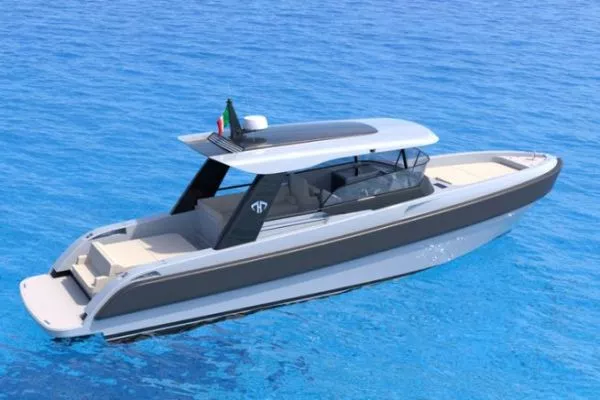 35-knot hidrogenlə işləyən gün gəmisinin logistikası, məsafəsi və istehsal müddətləri">

Production logistics and delivery timetable at a glance
MED Group expects series lead times of six to eight months per unit if production launches after the prototype planned for late 2026; first prototype construction is estimated at eight to ten months. These build schedules shape supply-chain needs for aluminum hulls, fuel-cell modules and compressed-hydrogen tanks, and determine berth and transport planning for early customers and shipyard partners.
Key technical specifications
| Parametr | Value |
|---|---|
| Uzunluq | 12 meters |
| Maksimal sürət | 35 qovşaq |
| Typical cruising | ~20 düyüm |
| Range (advertised) | 60 nautical miles (dependent on profile) |
| Hydrogen storage | 32 kq at 350 bar (four integrated tanks) |
| İtələmə | Battery-electric with fuel cell range extender |
Simplified hybrid architecture
The TYKUN H1 uses a battery bank to drive electric motors, while a fuel cell acts as a range extender that recharges batteries during navigation. This avoids the complexity of motor-direct hydrogen combustion and retains the option to recharge from shore power when hydrogen refuelling is unavailable. The chosen architecture prioritizes operational simplicity for dayboat use and faster turnaround times between sorties.
Autonomy in practical terms
Reklam edilən 60 NM range is conditional. Real-world endurance depends on whether the vessel runs on battery-only or battery-plus-fuel-cell, the chosen cruising speed, sea state and on-board load. Continuous steaming at ~20 knots for a day compresses margins: operators will need to plan refuelling or shore recharging carefully.
- Hydrogen infrastructure: the NatPower H network currently counts around forty refuelling points, improving but still limited for broad cruising.
- Alternative: shore power remains a reliable fallback for recharging the battery bank.
- Operational planning: precise voyage planning and port-of-call selection become critical for dayboats operating at higher speeds.
Integration and naval-architecture solutions
Dizayner Tommaso Spadolini and MED Group concealed the hydrogen tanks, fuel cell and ventilation systems inside an aluminum structure without compromising deck flow or usable volume. The deck is raised by 10 cm to ensure both natural and forced ventilation; air intakes are integrated into the T-top uprights. These choices reflect naval-architecture trade-offs between safety, aesthetics and storage.
Safety standards and filling logistics
All critical components—hydrogen tanks, batteries and fuel-cell modules—are specified as Type Approved equipment validated by classification societies. The integration provides natural or assisted ventilation paths and aims for intuitive operation modeled on America’s Cup chaseboat prototypes. Claimed hydrogen filling times are under three minutes, addressing the charging-time disadvantage of battery-only configurations.
Customization for yacht use
The aluminum TYKUN platform is configurable: owners can specify layouts for tender duty or standalone dayboat operation. Modularity keeps dynamic lines and usable volume while accommodating hydrogen system constraints, making the H1 suitable as a luxury chaseboat or a performance dayboat for owners who value lower local emissions.
Market positioning and tourism implications
As hydrogen propulsion enters small-yacht markets, charter operators, marinas and tour providers will need to adapt logistics: establish refuelling points, train technicians in fuel-cell maintenance, and refine booking and turnaround workflows. For tourism, a fast, low-emission dayboat opens possibilities for short eco-friendly island hops, exclusive yacht charters for events and curated shore excursions that market sustainability as a selling point.
Who benefits?
Owners seeking a responsive, low-emission tender; yacht managers wanting a chaseboat with quieter operation; and charter operators positioning eco-friendly short cruises will find the H1 appealing. However, operators must weigh the current hydrogen refuelling network limits against the time savings and guest experience advantages of quick fills and higher speeds.
The TYKUN H1 is an interesting mix of proven aluminum construction, hybrid-electric systems and targeted naval architecture. Its technical compromises—battery-first propulsion with a fuel-cell range extender, integrated high-pressure tanks and elevated ventilation—are designed to make hydrogen practical for everyday yachting while keeping routine operations straightforward.
Highlights include the 35-knot top speed, integrated 32 kg hydrogen storage at 350 bar, and modular aluminum design that preserves usable volume. Yet autonomy depends heavily on cruising profile and refuelling access. On GetExperience, you book your experience from verified providers at reasonable prices. This empowers you to make the most informed decision without unnecessary expenses or disappointments, with secure payments, voucher confirmations issued afterward, and options to submit tailored requests for tours or excursions that match your needs; these platform features make arranging yacht-based activities and shore excursions easier and more transparent. Book your Trip GetExperience.com
In summary, the TYKUN H1 combines a 12-meter aluminum hull, battery-electric drive with a fuel-cell range extender, and discreetly integrated hydrogen tanks to offer up to 35 knots and around 60 NM of nominal range. Operators should plan logistics around hydrogen refuelling networks and shore-power backstops. For travel experiences, the concept expands possibilities for luxury adventure travel experiences, exclusive yacht charters for events, cruise packages, yacht parties and eco-friendly wildlife safaris; it also dovetails with museum tours with live guides, interactive online cultural workshops and adventure activities linked to shore excursions. Ultimately, nothing replaces firsthand testing — your own experience will show how these specs translate into real-world comfort and convenience.